Uveitis is a serious eye condition. It causes inflammation in the middle layer of the eye. This condition demands immediate medical attention to prevent vision loss. When the immune system malfunctions, it can attack the healthy tissue in the eye, leading to uveitis.Discover what happens when your immune system attacks your eyes. Learn the alarming symptoms and critical steps to protect your vision.
Approximately 30,000 cases of blindness annually in the United States are caused by uveitis. At Liv Hospital, we bring internationally competitive medical expertise to treat this condition. Understanding whether uveitis can resolve on its own is key for patients seeking timely and effective treatment.
Key Takeaways
- Uveitis is an uncommon eye condition marked by inflammation in the uvea.
- Prompt medical attention is necessary to prevent vision loss.
- Uveitis can lead to significant vision impairment if left untreated.
- Liv Hospital offers advanced medical treatment for uveitis.
- Understanding the causes and symptoms of uveitis is critical for effective management.
Understanding Uveitis: An Overview

The uvea is a key part of the eye that can get inflamed, causing uveitis. We’ll look at the uvea’s role and the various types of uveitis.
What Is the Uvea and Its Function in the Eye?
The uvea is the middle layer of the eye, between the sclera and the retina. It has three main parts: the iris, the ciliary body, and the choroid. The uvea is vital for the eye’s health, as it supplies blood and nutrients.
The uvea’s inflammation can lead to significant vision problems. It’s important to know its role and how inflammation affects the eye.
The uvea’s components help with vision. The iris controls light, the ciliary body nourishes the lens and cornea, and the choroid supplies blood to the retina. When the uvea inflames, it can disrupt these functions, potentially causing uveitis.
Types of Uveitis and Their Characteristics
Uveitis is classified into types based on the uvea part affected. The main types are anterior uveitis, intermediate uveitis, posterior uveitis, and panuveitis.
Type of Uveitis | Area Affected | Characteristics |
Anterior Uveitis | Iris and surrounding area | Inflammation of the front part of the uvea, often causing pain and sensitivity to light. |
Intermediate Uveitis | Ciliary body | Affects the middle part of the uvea, potentially causing floaters and blurred vision. |
Posterior Uveitis | Choroid | Involves inflammation of the back part of the uvea, which can lead to vision loss if not treated. |
Panuveitis | All layers of the uvea | A widespread inflammation that affects all parts of the uvea, potentially causing significant vision impairment. |
Knowing these types and their characteristics is key for diagnosing and treating uveitis effectively.
The Prevalence and Impact of Uveitis
It’s important to know about uveitis to help treat it better. This condition affects many people of different ages. If not treated, it can cause serious vision problems.
Statistics on Uveitis in the United States
In the U.S., uveitis hits about 17 to 52 per 100,000 people each year. It’s a big reason for 10% of all blindness here. Also, 30,000 Americans go blind every year because of it, showing we need to act fast.
Uveitis also costs a lot in healthcare and lost work. The yearly cost for each patient can be $1,500 to over $3,000. This depends on how bad it is and what treatment is needed.
Risk Factors and Demographic Patterns
Uveitis can happen to anyone, at any age. But, some groups are more at risk. For example:
- Age: It’s most common in those 20 to 59 years old.
- Autoimmune diseases: People with conditions like rheumatoid arthritis or lupus are more likely to get it.
- Infections: Infections like toxoplasmosis and histoplasmosis can raise the risk.
- Genetic predisposition: Some people might be more likely to get uveitis because of their genes.
Knowing who’s at risk and how uveitis shows up is key. This helps doctors find it early and treat it well. It helps prevent vision loss and improves patient care.
What Happens When Your Immune System Attacks Your Eyes
Uveitis happens when the body’s immune system mistakenly attacks the eye’s healthy tissue. This condition is caused by an autoimmune process. It’s when the body sees the eye as a foreign entity and attacks it.
We will dive into this process. We’ll also look at how it differs from normal inflammation.
The Autoimmune Process in Uveitis
In uveitis, the immune system fails and causes inflammation in the eye. The autoimmune process involves a misguided immune response. T-cells and other immune components attack the uvea, leading to inflammation and vision damage.
This process is not fully understood. It’s thought to be caused by genetics and environmental factors.
The key aspects of the autoimmune process in uveitis include:
- Misidentification of the eye as a foreign entity
- Activation of immune cells against the uvea
- Release of inflammatory cytokines
- Inflammation and possible tissue damage
Distinguishing Between Normal Inflammation and Uveitis
Normal inflammation is a response to injury or infection. It shows as redness, heat, swelling, and pain. But in autoimmune conditions like uveitis, the inflammation is misdirected against the body’s own tissues.
Uveitis is different from normal inflammation. It lasts longer, is more severe, and affects specific eye structures.
Key differences between normal inflammation and uveitis include:
Characteristics | Normal Inflammation | Uveitis |
Cause | Injury or infection | Autoimmune response |
Duration | Typically resolves once the cause is addressed | Can be chronic or recurrent |
Impact | Localized to the area of injury or infection | Can cause significant vision impairment if not treated |
It’s important to know the difference between normal inflammation and uveitis. This knowledge helps in managing and treating the condition. We will explore more about uveitis and its treatment options in the next sections.
Recognizing the Symptoms of Uveitis
Knowing the signs of uveitis is key to getting the right treatment. Uveitis causes inflammation in the eye. Its symptoms can start suddenly or slowly. Spotting these signs early is vital for getting medical help fast.
Common Signs and Symptoms
Uveitis shows itself in many ways. Here are some common signs:
- Blurry Vision: Vision gets blurry or worse.
- Floaters: You see spots or specks in your vision.
- Photophobia: Light hurts your eyes, making them uncomfortable.
- Eye Pain: Your eye or the area around it hurts.
- Redness: Your eye looks red or inflamed.
These symptoms can happen in one or both eyes. They can be mild or severe. Some types of uveitis don’t show symptoms at all. So, getting regular eye checks is important.
When to Seek Immediate Medical Attention
If you notice any of these, get help right away:
- Sudden Vision Loss: Quick vision changes need urgent care.
- Severe Eye Pain: Pain that doesn’t go away is a big worry.
- Increased Sensitivity to Light: If light really bothers you and affects your day.
- Visible Inflammation: If your eye looks red or swollen.
Seeing a doctor early is important. It helps manage uveitis and avoid serious problems like permanent vision loss. If you think you might have uveitis, see an eye doctor without delay.
The Underlying Causes of Uveitis
Understanding uveitis is key to managing it well. It can come from many sources, like autoimmune diseases, infections, and more.
Autoimmune Diseases Associated with Uveitis
Autoimmune diseases raise the risk of uveitis. These include rheumatoid arthritis, ankylosing spondylitis, and inflammatory bowel disease. In these cases, the immune system attacks the uvea, causing inflammation.
For example, people with ankylosing spondylitis often get acute anterior uveitis. The exact reason is not clear, but genetics seem to play a big part.
Infections That Can Trigger Uveitis
Infections are a big cause of uveitis. Bacteria, viruses, and parasites can all trigger it. For instance, toxoplasmosis, a parasite, often causes posterior uveitis.
Viral infections like herpes simplex and varicella-zoster can also cause uveitis. Sometimes, the virus directly causes inflammation. Other times, the body’s immune response does.
Idiopathic Uveitis: When the Cause Is Unknown
About one-third of uveitis cases have no known cause, known as idiopathic uveitis. Scientists are working hard to find out why.
Even without knowing the cause, managing idiopathic uveitis is important. Treatment can help control inflammation and protect vision.
Can Uveitis Resolve Without Treatment?
Many people wonder if uveitis can heal without treatment. Uveitis is an inflammatory eye condition that can harm your vision if not treated.
Acute Anterior Uveitis: Can It Heal on Its Own?
Acute anterior uveitis, the most common type, might heal by itself. But, it’s important to see a doctor quickly. Early medical care is key to avoid serious problems and get the best results.
Why Medical Help Is Usually Needed
Even if some cases of acute anterior uveitis might heal by themselves, seeing a doctor is usually necessary. Not treating uveitis can cause serious issues, such as:
- Glaucoma
- Cataracts
- Permanent vision loss
Doctors can reduce inflammation and symptoms. They also prevent these serious problems.
The Dangers of Not Treating Uveitis
Not treating uveitis can lead to severe problems. The risks include:
Complication | Description | Potential Outcome |
Glaucoma | Increased intraocular pressure | Permanent vision loss |
Cataracts | Clouding of the lens | Vision impairment |
Vision Loss | Permanent damage to the eye | Blindness |
While some uveitis might heal by itself, the dangers of not getting medical help are much greater. It’s always best to seek treatment.
Diagnosis and Treatment Options for Uveitis
Understanding how to diagnose and treat uveitis is key to managing it well. Uveitis is a complex eye condition that needs a detailed approach to diagnosis and treatment.
How Uveitis Is Diagnosed
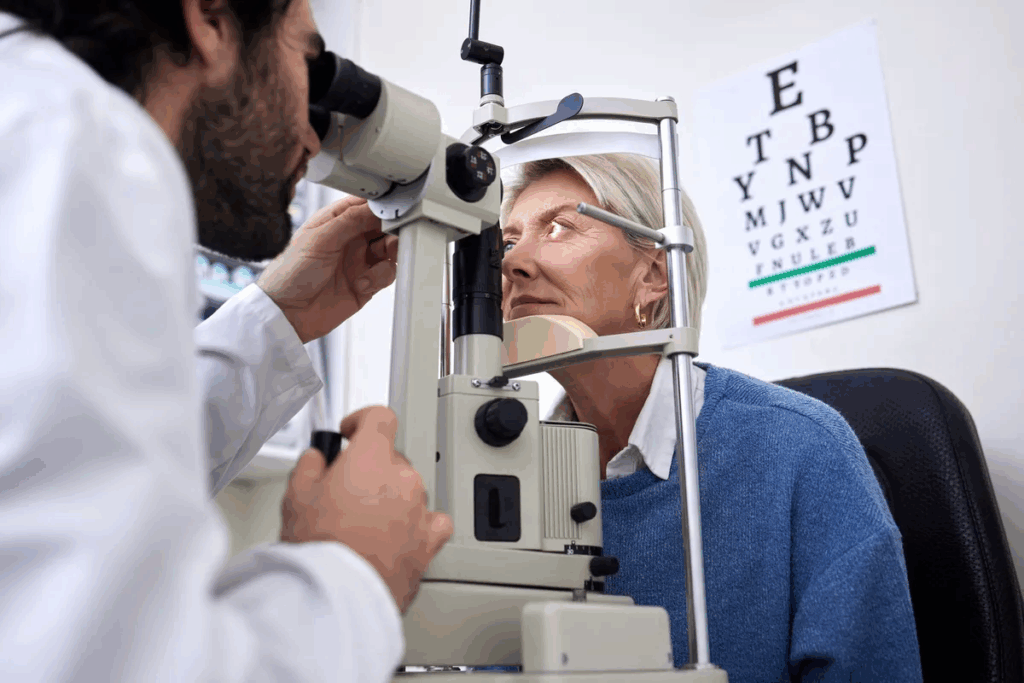
To diagnose uveitis, we do a thorough eye exam. We check for the presence, type, and severity of the condition. Tools like slit-lamp exams, ophthalmoscopy, and imaging tests like OCT are used. These help us spot inflammation and any complications.
Anti-inflammatory Medications and Corticosteroids
Uveitis treatment often includes anti-inflammatory meds like corticosteroid eye drops. These reduce inflammation and ease symptoms. For severe cases, oral corticosteroids or injections might be needed. Our goal is to control inflammation and prevent damage.
Immunosuppressive Therapies for Severe Cases
Severe or chronic uveitis may need immunosuppressive therapies. These meds help control the immune system’s abnormal response. This reduces inflammation and the risk of complications. We closely watch patients on these therapies to avoid side effects.
The Role of Pupil Dilators in Treatment
Pupil dilators are used in uveitis treatment to reduce pain and prevent adhesions. By dilating the pupil, we also lower the risk of cataracts and glaucoma.
In summary, treating uveitis requires a detailed approach. We use various diagnostic tools and treatments tailored to each patient. Understanding these options helps us manage uveitis effectively and protect vision.
The Chronic Nature of Uveitis: Recurrence Patterns
Uveitis often comes back or stays for a long time. This is more common with certain types. It affects patients’ lives a lot, needing ongoing care and treatment.
Factors Influencing Recurrence
Many things can make uveitis come back. These include the reason for uveitis, how well the first treatment worked, and if there are autoimmune diseases. It’s important to handle these factors well to lower the chance of it coming back.
Autoimmune diseases like rheumatoid arthritis or lupus can make uveitis come back more often. Infections and injuries can also cause it to come back. Knowing these can help doctors make better treatment plans for each patient.
Managing Chronic and Recurrent Uveitis
Dealing with chronic and recurring uveitis needs a full plan. This includes regular check-ups with an eye doctor, following treatment plans, and possibly taking medicine for a long time. Anti-inflammatory medicines and corticosteroids are often used to fight inflammation and stop it from coming back.
In some cases, immunosuppressive therapies might be needed for severe or recurring uveitis. These treatments can help lessen how often and how bad the episodes are, making life better for patients.
By knowing what makes uveitis come back and using good management, we can help patients more. Research and new treatments are always improving how we handle this chronic condition.
Conclusion: Living with Uveitis and Protecting Your Vision
Managing uveitis well is key to keeping your vision safe and avoiding problems. We’ve looked into the different types of uveitis, its signs, and how to treat it. Knowing if uveitis can heal by itself is important, as some cases need doctor help to avoid lasting damage.
For those living with uveitis, staying active in managing the condition is essential. This means regular visits to eye doctors and following their treatment plans. This way, people with uveitis can lower the chance of losing their sight and keep their life quality high. It’s not just about treating the condition; it’s also about finding and fixing the root causes and managing symptoms well.
With the right treatment and care, people with uveitis can live a happy and fulfilling life. We stress the need for quick medical help and ongoing care to protect your vision. By understanding uveitis and managing it, we can help keep your vision and eye health in top shape.
FAQ
What is uveitis and how does it affect the eye?
Uveitis is a serious eye condition. It causes inflammation in the eye’s middle layer, called the uvea. This can lead to vision loss if not treated quickly.
What are the different types of uveitis?
There are several types of uveitis. These include anterior, intermediate, posterior, and panuveitis. Each type affects vision differently.
Can uveitis go away on its own?
Some cases of acute anterior uveitis might get better by themselves. But, most cases need medical help to heal right and avoid problems.
What happens when the immune system attacks the eyes?
When the immune system attacks the eyes, it can cause uveitis. This leads to inflammation and can harm the eye’s delicate parts.
What are the common signs and symptoms of uveitis?
Symptoms include eye pain, redness, and sensitivity to light. You might also see blurred vision or floaters. Seeing these signs means you should get medical help fast.
What causes uveitis?
Uveitis can come from autoimmune diseases, infections, or sometimes, there’s no known cause. Knowing the cause helps doctors treat it better.
How is uveitis diagnosed?
Doctors use a detailed eye exam to diagnose uveitis. They check your medical history, do visual tests, and might use imaging to see how bad the inflammation is.
What are the treatment options for uveitis?
Treatment includes anti-inflammatory meds, corticosteroids, and immunosuppressives for severe cases. Pupil dilators help manage symptoms and prevent problems.
Is uveitis a chronic condition?
Uveitis can be chronic or come back often. The cause and treatment success play big roles in whether it comes back.
How can chronic and recurrent uveitis be managed?
Managing chronic and recurrent uveitis means ongoing care. Doctors might adjust treatments and watch for signs of it coming back to protect your vision.
What is the prevalence of uveitis in the United States?
Uveitis affects many people in the United States. Certain groups and risk factors are more likely to get it.
Can uveitis lead to vision loss?
Yes, uveitis can cause vision loss if not treated or managed right. This shows why getting medical help quickly is so important.
What is the role of the uvea in the eye?
The uvea is key to the eye’s health. Its inflammation can seriously affect vision.
How does the autoimmune process contribute to uveitis?
The autoimmune process makes the immune system attack the eye’s tissues. This leads to inflammation and can cause uveitis.
References
National Center for Biotechnology Information. Ocular Autoimmunity: Mechanisms and Threats to Vision. Retrieved from https://www.ncbi.nlm.nih.gov/pmc/articles/PMC4186974/