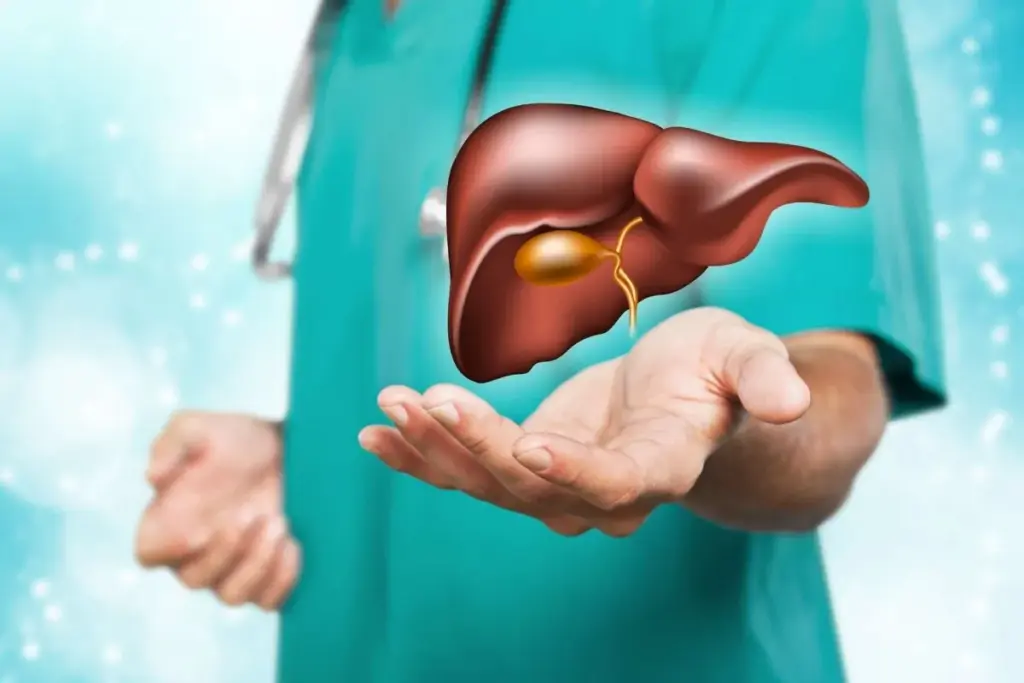
When the liver starts to fail, it’s a serious issue. It can harm many body systems and lead to a life-threatening situation.
Liver disease is a big problem worldwide, causing about 2 million deaths each year. As the liver function gets worse, the body can’t filter blood well. It also can’t make proteins for clotting or get rid of toxins.
Knowing the stages and symptoms of liver failure is key. At Liv Hospital, we offer top-notch care and support. We help individuals and families dealing with this serious condition.
Key Takeaways
- Liver disease is a significant global health issue with approximately 2 million deaths annually.
- Liver failure impairs the body’s ability to filter blood, produce clotting proteins, and eliminate toxins.
- Understanding the stages and symptoms of liver failure is critical for timely medical intervention.
- Liv Hospital provides complete care and support for those with liver failure.
- Quick medical help is vital for managing liver failure well.
Understanding Liver Failure
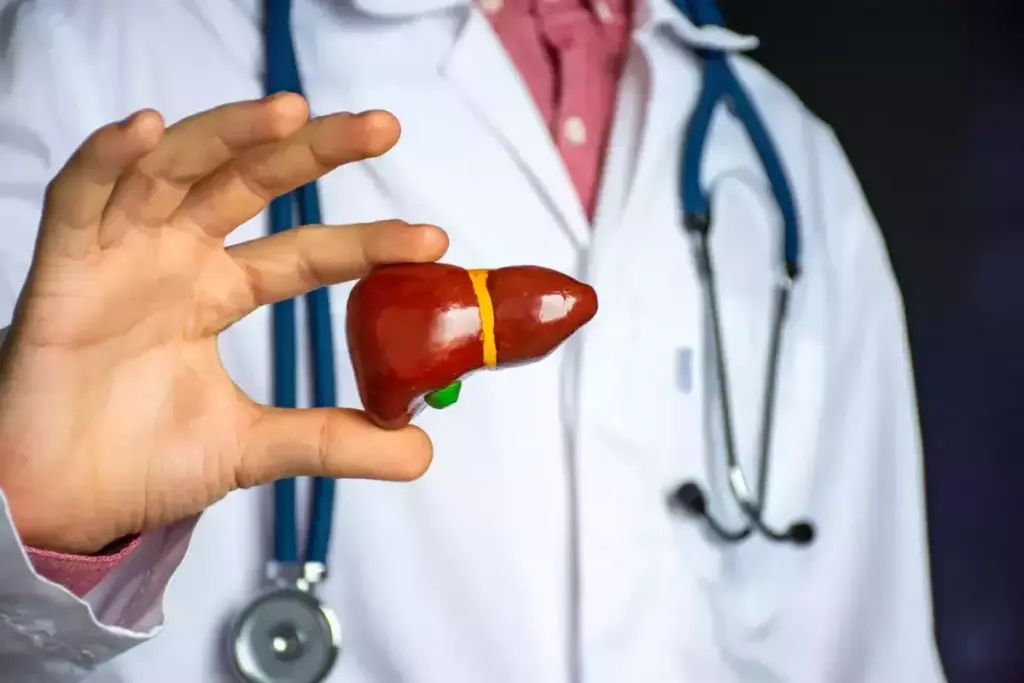
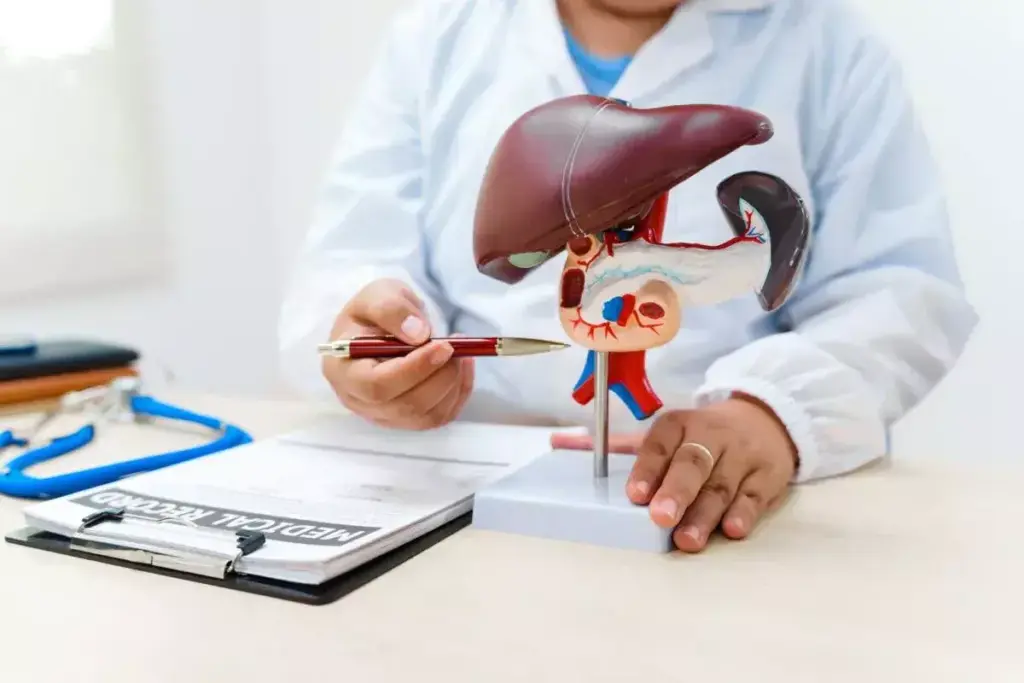
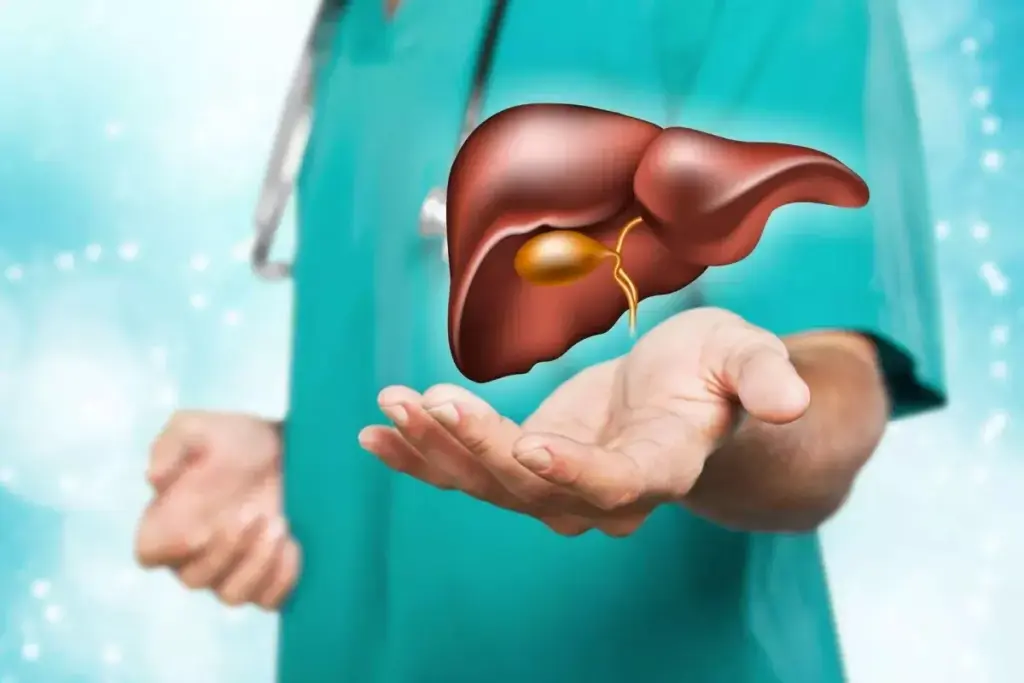
The liver is key for detoxification, metabolism, and energy storage. It filters out harmful substances, makes bile for digestion, and stores sugar for energy. Its health is vital for our overall well-being.
The Vital Functions of the Liver
The liver does many important jobs. It breaks down nutrients, cleanses toxins, and makes proteins for blood clotting. It also stores glycogen for energy. These roles show why liver failure is so serious.
We count on the liver every day, often without knowing its importance. When it works right, it keeps our energy up, aids digestion, and guards against toxins.
Global Impact and Statistics
Liver disease is a big problem worldwide, affecting millions. It’s a major cause of illness and death globally. Factors like viral hepatitis, alcohol, and NAFLD are driving this increase.
Liver disease is getting worse, hitting younger adults hard. This is a worrying trend. We need to know more about liver disease to fight it.
Understanding the liver’s role and the impact of liver disease is key. It helps us see why liver health matters. This knowledge is essential for stopping and treating liver failure.
Types of Liver Failure
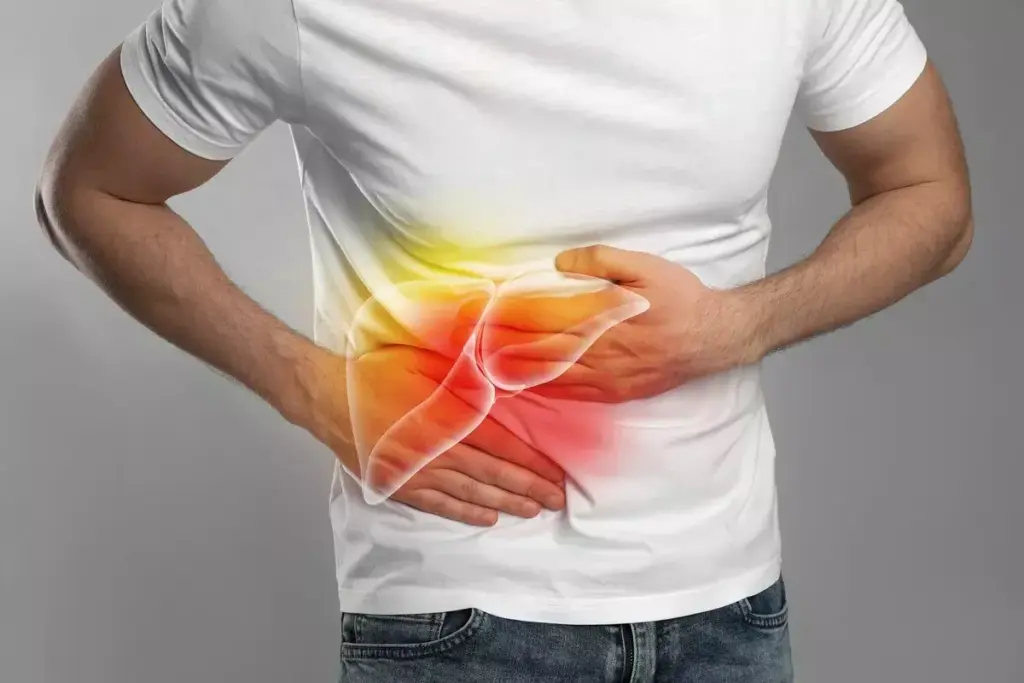
Liver failure can be either chronic or acute. Chronic liver failure takes years to develop. Acute liver failure happens suddenly. Knowing the difference is key to treating liver problems well.
Chronic Liver Failure
Chronic liver failure happens slowly over years. It’s often caused by long-term liver damage from hepatitis, alcohol, or fatty liver disease. This damage can lead to cirrhosis, where the liver scarring occurs.
Key characteristics of chronic liver failure include:
- Gradual progression
- Often associated with cirrhosis
- Can be caused by long-term liver damage
Acute Liver Failure
Acute liver failure is a quick and severe liver function decline. It can happen in just 48 hours. It can affect anyone, even those without liver problems, due to drug overdose, viral infections, or toxins.
The sudden onset of acute liver failure makes it a medical emergency requiring immediate attention.
| Characteristics | Chronic Liver Failure | Acute Liver Failure |
| Progression | Gradual, over years | Rapid, within days or weeks |
| Causes | Long-term liver damage (e.g., hepatitis, alcohol abuse) | Drug overdose, viral infections, toxin exposure |
| Pre-existing Condition | Often present | Not necessarily present |
Understanding the differences between chronic and acute liver failure helps doctors better manage the condition. This approach can lead to better patient outcomes.
Liver Failure Symptoms Through Each Stage
Knowing the symptoms of liver failure at different stages is key for quick medical help. As the liver gets worse, symptoms get more obvious and varied.
Early Stage: Inflammation and Fibrosis
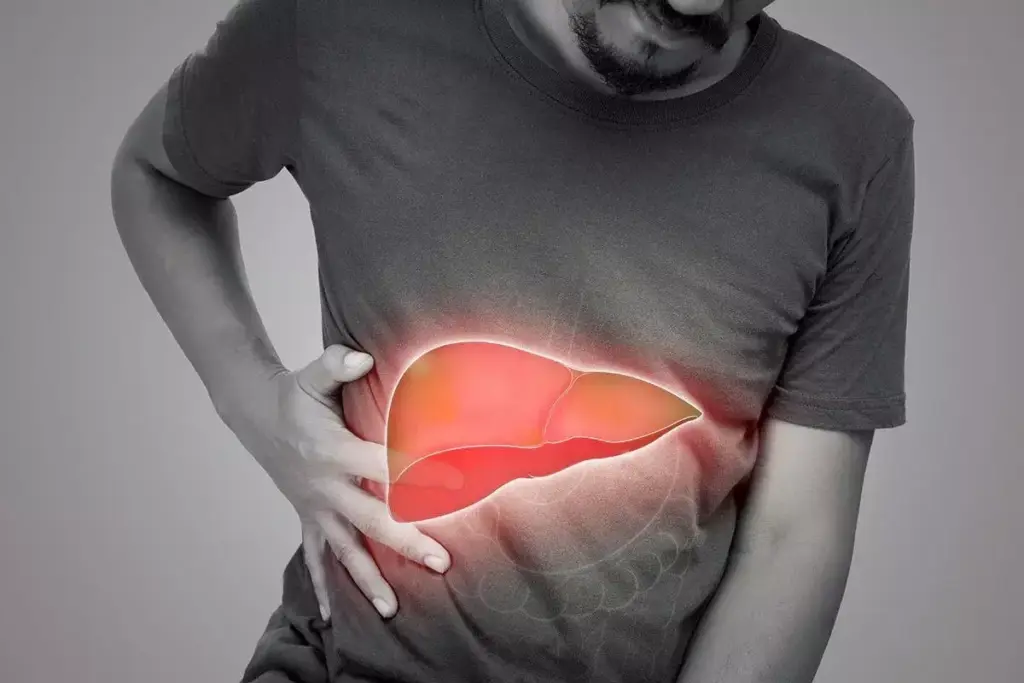
In the early stages, the liver might get inflamed, known as hepatitis, or develop fibrosis, which scars the liver tissue. Symptoms at this point can be mild and include:
- Fatigue
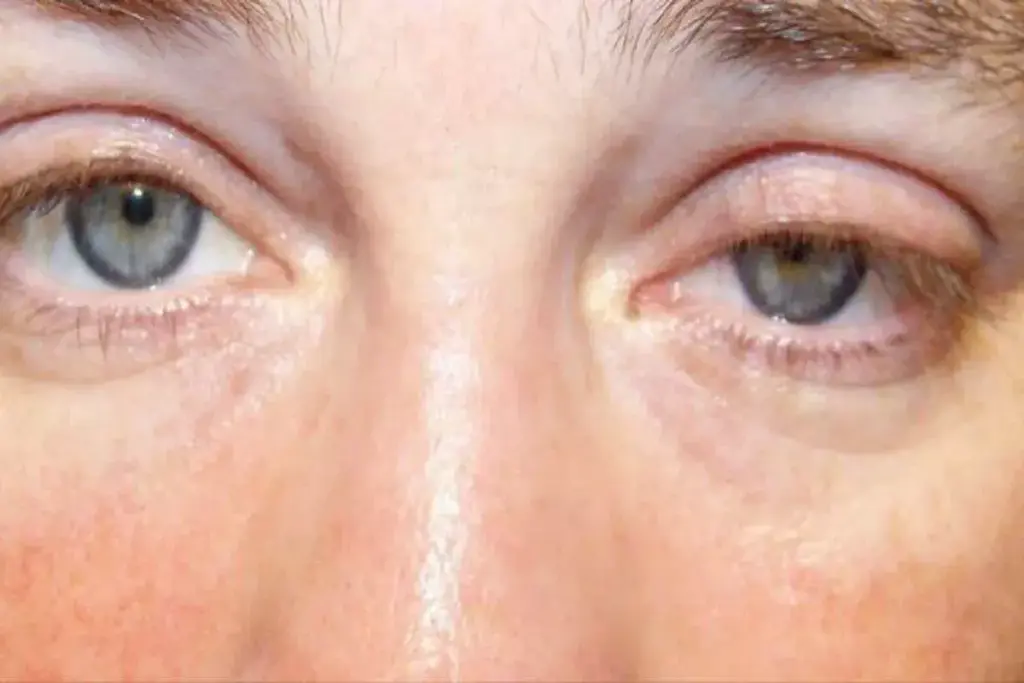
- Mild jaundice (yellowing of the skin and eyes)
- Frequent gassy sensation
- Loss of appetite
Even though the liver is struggling, it can usually keep up with its important tasks. But, inflammation or scarring can lead to bigger problems if not treated.
Middle Stage: Cirrhosis Development
When liver disease moves to cirrhosis, the liver gets heavily scarred and its function drops a lot. Symptoms at this stage include:
- More noticeable jaundice
- Swelling in the legs and ankles (edema)
- Dark urine and pale stool
- Itchy skin
Cirrhosis is a serious and permanent condition where the liver can’t heal itself.
Here’s a quick look at symptoms at different stages:
| Stage | Common Symptoms |
| Early Stage | Fatigue, mild jaundice, gassy sensation, loss of appetite |
| Middle Stage (Cirrhosis) | Pronounced jaundice, edema, dark urine, pale stool, itchy skin |
| End Stage | Vomiting blood, severe confusion, loss of muscle mass, extreme fatigue |
End-Stage Hepatic Failure Signs
In the final stages of liver failure, symptoms get very severe and can be deadly. Patients might have:
- Vomiting blood or black tarry stools
- Severe confusion and altered mental state
- Loss of muscle mass
- Extreme fatigue
At this point, getting medical help is urgent, and options might include liver transplant.
Seeing liver failure symptoms get worse can be hard. It’s vital to get medical help fast to try to slow the disease.
Conclusion
Liver failure can cause serious health problems. It’s important to know the signs and get medical help quickly. Early action can help treat and even reverse liver failure.
Liver failure can get worse, from inflammation to cirrhosis. Knowing the symptoms at each stage helps find the right treatment. Sometimes, liver failure means needing dialysis or a liver transplant.
While liver damage is serious, some types can be treated. The key is catching it early. Those with advanced liver disease face severe complications, including liver failure’s last stages.
Knowing the risks and taking care of your liver can help avoid failure. It also improves recovery chances if you do get it. We urge readers to watch for signs and seek help if health changes.
FAQ
What happens when the liver shuts down?
When the liver stops working, it can’t detoxify the body or make vital proteins. It also can’t help with digestion. This leads to toxin buildup, bleeding issues, and serious health problems.
How long does liver failure take to progress?
Liver failure’s pace varies. Chronic cases can take years or decades. Acute cases can happen suddenly, often in weeks.
Can you recover from liver failure?
Yes, recovery is possible with early treatment. It depends on the cause, damage level, and treatment success.
What are the symptoms of end-stage liver failure?
Symptoms include jaundice, severe fatigue, and swelling. You might also feel confused or have trouble breathing. These signs mean the liver can’t work right.
What is the difference between chronic and acute liver failure?
Chronic liver failure develops slowly, often from long-term damage. Acute liver failure happens suddenly, from things like overdose or infection.
Is liver failure treated with dialysis?
Dialysis isn’t standard for liver failure. But, some might get liver dialysis or other support. These help manage symptoms and support the liver while it heals or waits for a transplant.
What happens if your liver stops working?
Without a working liver, the body can’t detoxify. This leads to toxin buildup. It causes serious issues like brain damage, bleeding, and infections.
Can liver failure be reversed?
Sometimes, liver failure can be reversed with treatment. But, in severe cases, a transplant might be needed.
What are the final stage symptoms of liver failure?
Symptoms include severe jaundice, intense itching, confusion, and trouble breathing. These signs mean the liver is failing and urgent medical help is needed.