
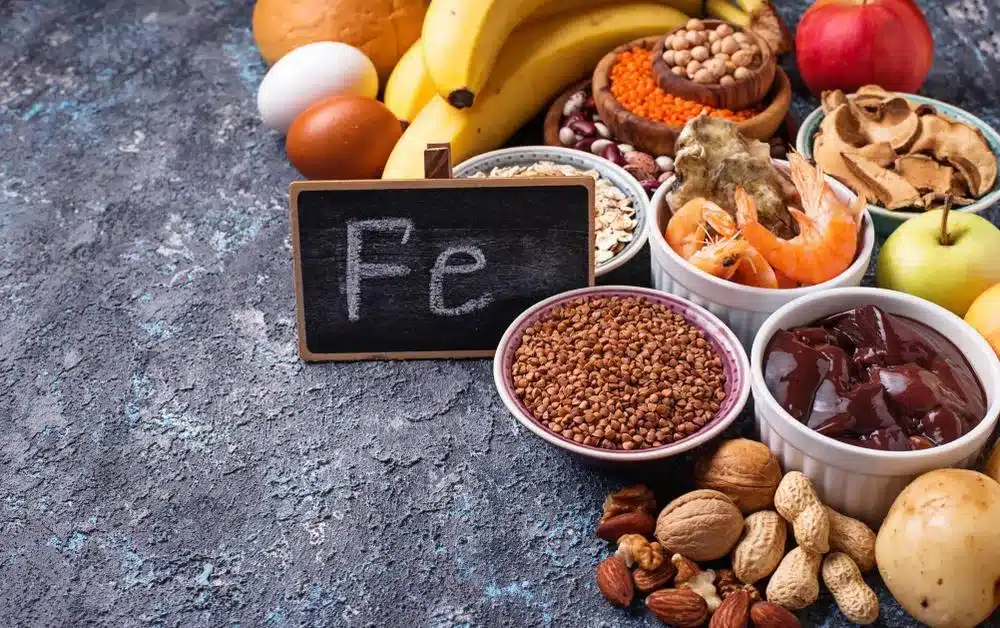
Keeping your iron levels healthy is very important, more so for those with special diets. Some nuts are packed with iron, making them great for your health.
Nuts like pistachios, cashews, pine nuts, and almonds are full of iron. But, how well your body absorbs this iron can change. It’s key to know how to get the most from these foods.
We look into which nuts are iron-rich and how to better absorb iron from them. This helps you choose the best foods for your diet.
Key Takeaways
- Nuts are a valuable source of iron in the diet.
- Pistachios, cashews, pine nuts, and almonds are high in iron.
- Iron absorption from nuts can be influenced by various factors.
- Understanding iron-rich foods is key to maintaining healthy iron levels.
- Incorporating a variety of nuts into your diet can help boost iron intake.
Understanding Iron: An Essential Nutrient
Iron is a vital nutrient that plays a critical role in various bodily functions. It is essential for overall health. It helps transport oxygen throughout the body and supports energy production.
The Role of Iron in the Body
Iron is a key component of hemoglobin, a protein in red blood cells. It carries oxygen from the lungs to the rest of the body. Without enough iron, the body’s tissues and organs can’t get the oxygen they need.
Iron is also important for making certain hormones and supporting the immune system. Research from shows iron deficiency is a widespread nutritional disorder. It can lead to significant health issues if not addressed.
Daily Iron Requirements
The daily iron requirement varies based on age, sex, and health status. Adult men need about 8 milligrams of iron per day. Women of childbearing age require around 18 milligrams daily due to menstrual losses.
Pregnant women need approximately 27 milligrams per day. This is to support the mother’s and fetus’s needs.
Heme vs. Non-Heme Iron
Iron comes in two forms: heme and non-heme iron. Heme iron is found in animal products like meat, poultry, and seafood. It is more easily absorbed by the body than non-heme iron.
Non-heme iron is found in plant-based foods such as beans, lentils, and fortified cereals. To maximize iron intake from plant-based sources, eat them with vitamin C-rich foods. Vitamin C enhances non-heme iron absorption.
Understanding the difference between heme and non-heme iron helps individuals make informed dietary choices. This is important for those following a vegetarian or vegan diet.
Nuts as a Source of Iron
Nuts are often overlooked but are a great source of iron. They offer many health benefits when eaten right. Almonds and cashews are top choices for boosting iron through plant-based foods.
Nutritional Profile of Nuts
Nuts are not just good for iron; they’re packed with other nutrients too. They have healthy fats, protein, and fiber, making them a key part of a balanced diet. The iron content varies among nuts, so knowing which ones to choose is important.
A 1-ounce serving of cashews has about 2.5 mg of iron. Almonds offer around 3.5 mg in the same amount. Knowing the nutritional values of different nuts helps you pick the best ones for iron.
|
Type of Nut |
Iron Content (mg) per 1 oz serving |
|---|---|
|
Cashews |
2.5 |
|
Almonds |
3.5 |
|
Pistachios |
3.9 |
How Nuts Fit into a Balanced Diet
Adding nuts to your diet is easy because they’re versatile. Enjoy them as a snack, add them to meals, or use them as toppings. Just remember to eat them in moderation because they’re high in calories.
Pairing nuts with iron-rich foods or vitamin C can boost iron absorption. For example, almonds with orange juice make a tasty and iron-rich snack.
The Challenge of Plant-Based Iron Sources
Nuts are just one part of plant-based iron sources. Iron from plants isn’t absorbed as well as animal iron. But, nuts and other plant-based sources are vital for a balanced diet.
To get the most iron from nuts and plants, eat them with vitamin C-rich foods. Avoid foods high in phytates or oxalates, as they can lower iron absorption.
Pistachios: A Top Iron-Rich Nut
Pistachios are known for their high iron content, making them great for a balanced diet. They are not only iron-rich but also tasty and versatile.
Iron Content in Pistachios
Pistachios are packed with dietary iron. One ounce, or about 49 kernels, has about 1.4 mg of iron. This iron is non-heme, which is not as easily absorbed as heme iron from meat. Yet, it’s a big help in getting enough iron.
Here’s a look at how pistachios compare to other nuts in iron content:
|
Nut Type |
Iron Content per Ounce |
|---|---|
|
Pistachios |
1.4 mg |
|
Almonds |
1.1 mg |
|
Cashews |
2.0 mg |
Other Nutritional Benefits of Pistachios
Pistachios are more than just iron-rich. They’re also full of vitamin B6, thiamine, and phosphorus. Plus, they have healthy fats, fiber, and antioxidants, making them good for your heart.
“Pistachios are a nutrient-dense food that can be a healthy addition to a variety of diets, providing essential vitamins, minerals, and healthy fats.”
– American Heart Association
Best Ways to Consume Pistachios for Iron
To get the most iron from pistachios, eat them raw or roasted without salt. Vitamin C can help your body absorb iron better. So, eating pistachios with foods high in vitamin C, like citrus fruits or bell peppers, is a good idea.
Here are some ways to add pistachios to your meals:
- Snack on pistachios and dried fruits for a healthy mix of iron and fiber.
- Add pistachios to salads for a crunchy texture and a boost of iron.
- Use pistachios as a topping for yogurt or oatmeal, combining them with vitamin C-rich fruits like berries or citrus.
By adding pistachios to your diet and following these tips, you can increase your iron levels. You’ll also enjoy the many other health benefits pistachios offer.
Cashews: Impressive Iron Providers
Cashews are known for their high iron content. They are a nutrient-rich food that provides iron and other essential nutrients.
Iron Content in Cashews
Cashews have about 7.8 mg of iron per cup. Iron is a key nutrient for carrying oxygen in the body and supporting health.
Adding cashews to your diet can help meet your iron needs. They are great for those who eat mostly plants. Cashews are rich in iron, making them a good choice for meals and snacks.
Additional Health Benefits of Cashews
Cashews are not just good for iron. They are also full of healthy fats that are good for the heart. They also have magnesium, which is important for muscles and nerves.
They have antioxidants too. These help protect the body from damage and inflammation. So, cashews are a nutritious snack for a balanced diet.
Incorporating Cashews into an Iron-Rich Diet
There are many ways to add cashews to your diet for more iron. You can snack on them, add them to salads, or use them as a topping.
Here are a few ideas to get you started:
- Add cashews to your breakfast oatmeal or yogurt for a nutritious start.
- Mix cashews with other nuts and dried fruits for a healthy trail mix.
- Use cashews as a base for creamy sauces and dressings.
By adding cashews to your meals and snacks, you can increase your iron intake. You’ll also enjoy their many health benefits.
Pine Nuts: Small but Iron-Packed
Pine nuts are tiny but full of iron. They are great for anyone wanting to eat more iron. With 7.5 mg of iron per cup, they are a top pick.
Iron Content in Pine Nuts
Pine nuts are not just good for iron. They also taste great and help boost your iron levels. One cup has 7.5 mg of iron, helping you meet your daily needs.
Other Nutrients in Pine Nuts
Pine nuts are also rich in healthy fats, protein, and minerals like magnesium and zinc. These nutrients help keep you healthy and feeling good.
Culinary Uses for Maximum Iron Benefit
There are many ways to add pine nuts to your meals for more iron. Use them in pesto sauces, salads, or as a topping. Eating them with Vitamin C-rich foods like citrus or bell peppers can help your body absorb more iron.
- Add pine nuts to your favorite salad for a nutritious boost.
- Use pine nuts in traditional dishes like pesto sauce.
- Combine pine nuts with Vitamin C-rich foods to enhance iron absorption.
Almonds: Moderate Iron with Major Benefits
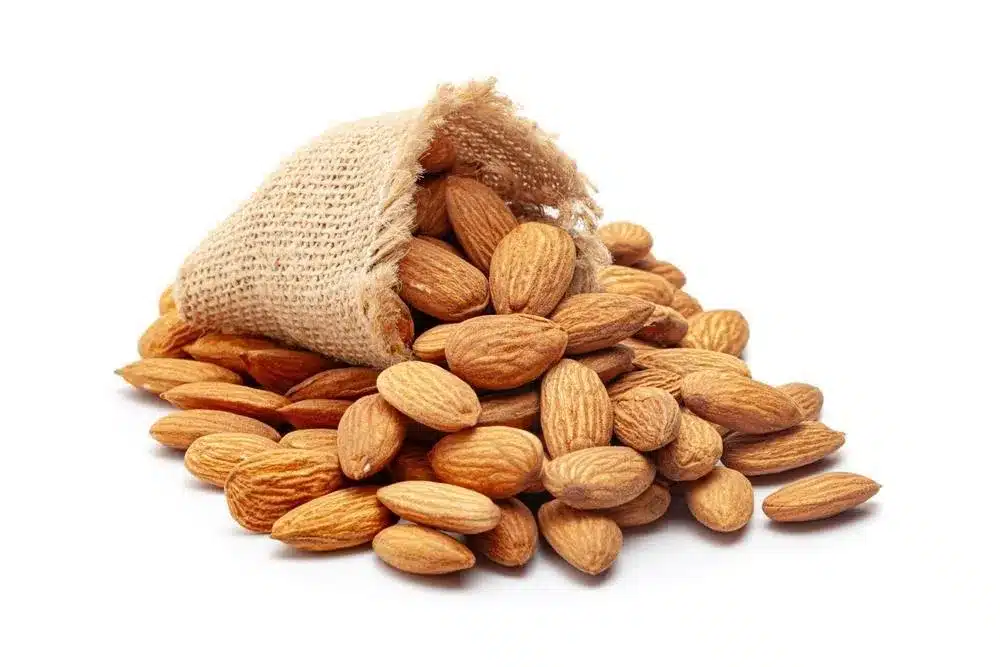
Almonds may not have the most iron, but they’re great for a balanced diet. They have a good amount of iron and offer many health benefits.
Iron Content in Almonds
Almonds have 5.3 mg of iron per cup. This amount of iron is beneficial for your health. They also have other nutrients that make them very healthy.
Complementary Nutrients in Almonds
Almonds are full of healthy fats, protein, and fiber. They also have vitamin E, magnesium, and potassium. These nutrients are good for your heart and help with digestion.
Almond Preparations for Better Iron Absorption
To get more iron from almonds, eat them with foods high in vitamin C. This includes citrus fruits or berries. Soaking almonds can also help iron absorption.
Pairing almonds with iron-rich foods like dried apricots is a tasty way to increase iron. Adding almonds to your diet can help meet your nutritional needs and enjoy their benefits.
Other Nuts with Notable Iron Content
Many nuts, like hazelnuts, walnuts, and Brazil nuts, are tasty and packed with iron. They’re great for boosting iron in your diet.
Hazelnuts and Iron
Hazelnuts are a good iron source. A 1-ounce serving, or about a handful, has about 1.3 mg of iron. Adding hazelnuts to your meals can help increase your iron levels, even more when eaten with other iron-rich foods. For more on iron-rich plant foods, check out.
To get the most iron from hazelnuts, eat them with vitamin C-rich foods like citrus fruits or berries. This combo helps your body absorb iron better.
Walnuts and Iron
Walnuts also add to your iron intake. A 1-ounce serving has about 1 mg of iron. Walnuts are known for their omega-3s, but their iron is important too.
Walnuts are easy to add to foods like salads, oatmeal, or yogurt. They’re also great in baked goods and desserts because of their rich flavor.
Brazil Nuts and Iron
Brazil nuts are rich in selenium, but they also have iron. A 1-ounce serving has about 1 mg of iron. They offer a mix of iron, selenium, and healthy fats.
Enjoying Brazil nuts as a snack or in a mix can be a tasty way to get more iron. Their iron content adds to their nutritional value, even though selenium is their main nutrient.
|
Nut Type |
Iron Content per 1 oz (28g) |
|---|---|
|
Hazelnuts |
1.3 mg |
|
Walnuts |
1 mg |
|
Brazil Nuts |
1 mg |
Eating different nuts can help you get enough iron. Hazelnuts, walnuts, and Brazil nuts all help with iron intake. They’re key to a balanced diet.
The Science of Iron Bioavailability in Nuts
The bioavailability of iron in nuts is complex. It involves many nutritional and biochemical factors. Nuts are a good source of iron, but the body can only absorb a small amount of it.
Understanding the 10% Absorption Rate
Studies show that iron absorption from nuts is usually around 10% or less. For example, if a nut serving has 5 mg of iron, the body might only take in 0.5 mg. This low absorption rate is important for people who mainly eat plant-based iron sources. The absorption rate can change based on the nut type, other nutrients, and individual needs.
Phytates and Polyphenols as Natural Inhibitors
Phytates and polyphenols in nuts can block iron absorption. Phytates, found in many nuts and seeds, bind to iron and lower its absorption. Polyphenols, with their antioxidant benefits, also reduce non-heme iron absorption. Knowing how these compounds work is key to improving iron absorption from nuts.
Research on Nut-Based Meal Absorption
Research looks into how different meals affect iron absorption from nuts. Eating nuts with foods high in vitamin C can help absorb more non-heme iron. Vitamin C can help counteract the effects of phytates and polyphenols. The way nuts are prepared and the presence of other minerals also play a role. Ongoing studies aim to find the best ways to increase iron absorption from nut-based meals.
What Has Iron In It: Comparing Nuts to Other Iron Sources
Nuts are a good source of iron, but it’s important to look at other iron-rich foods too. Knowing about different iron sources and how well they are absorbed can help you make better food choices.
Plant-Based Iron Sources
There are many plant-based iron sources, not just nuts. Legumes like lentils and chickpeas are very iron-rich. Leafy greens, such as spinach and kale, also have a lot of iron. Fortified cereals are another good source, which is great for those who eat them often.
- Legumes (lentils, chickpeas)
- Leafy greens (spinach, kale)
- Fortified cereals
- Nuts and seeds (pumpkin seeds, sesame seeds)
Animal-Based Iron Sources
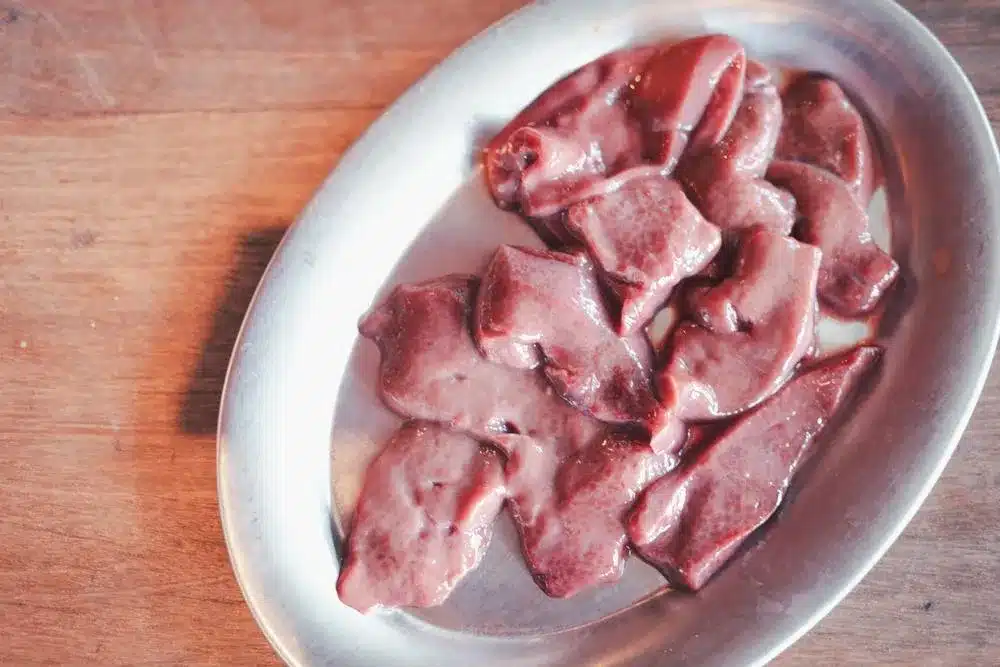
Animal-based iron sources, like heme iron in meat, poultry, and seafood, are absorbed better by the body. Red meat is known for its iron, and poultry and fish also help. Organ meats, like liver, are very iron-rich.
- Red meat
- Poultry
- Fish and seafood
- Organ meats (liver)
Absorption Rates Comparison
The body absorbs iron differently from heme and non-heme sources. Heme iron from animal sources is absorbed more, with rates of 15% to 35%. Non-heme iron from plants is absorbed less, about 2% to 10%. But, eating foods high in vitamin C with non-heme iron can help it get absorbed better.
|
Iron Source |
Absorption Rate |
|---|---|
|
Heme Iron (Animal Sources) |
15% – 35% |
|
Non-Heme Iron (Plant-Based Sources) |
2% – 10% |
Knowing about iron sources and how well they are absorbed helps you plan your diet better. This way, you can meet your iron needs more effectively.
Maximizing Iron Absorption from Nuts
Improving iron absorption from nuts is easy with a few simple steps. Nuts are great for those who eat mostly plants because they are full of iron. But, you can make their iron even better by how you eat them.
Pairing with Vitamin C-Rich Foods
Eating nuts with foods high in vitamin C is a smart move. Vitamin C helps your body take in more iron from nuts. This makes nuts even better for your iron levels.
- Citrus fruits like oranges and grapefruits
- Strawberries and other berries
- Bell peppers, specially the red kind
- Broccoli and other veggies in the crucifer family
For instance, eating almonds (rich in iron) with orange juice (full of vitamin C) boosts iron absorption.
Preparation Methods to Enhance Absorption
Soaking and sprouting nuts can also up their iron game. This method cuts down on phytates. Phytates are things that stop your body from getting iron.
- Soak nuts in water for a night.
- Wash them well.
- Let them sprout for a day or two before eating.
This easy trick can really help your body get more iron from nuts.
Foods to Avoid When Consuming Iron-Rich Nuts
Some foods can help iron absorption, while others can block it. When eating nuts that are good for iron, try to avoid:
- Tea and coffee because they have polyphenols that block iron
- Things high in calcium, as too much can mess with iron absorption
- Big amounts of foods with phytates, like whole grains and legumes
|
Food |
Effect on Iron Absorption |
|---|---|
|
Vitamin C-rich foods |
Boosts absorption |
|
Tea and Coffee |
Lessens absorption |
|
Calcium-rich foods |
Can mess with absorption |
Knowing about these food interactions can help you get the most iron from the nuts you eat.
Iron Deficiency: Signs and Prevention
Iron deficiency is a big health issue that we need to know about. We’ll look at the symptoms, who’s at risk, and why seeing a doctor is key.
Common Symptoms of Iron Deficiency
Iron deficiency shows up in many ways, like fatigue, weakness, and shortness of breath. This is because iron helps make hemoglobin, which carries oxygen. Other signs include pale skin, dizziness, and cold hands and feet. If you keep feeling these, see a doctor right away.
Risk Factors for Iron Deficiency
Some people are more likely to get iron deficiency. This includes women with heavy periods, pregnant women, and those who don’t eat enough iron. Also, people with conditions like celiac disease or who’ve had stomach surgery are at higher risk. Knowing these risks helps us prevent it.
When to Consult a Healthcare Provider
If you think you might have iron deficiency or are at risk, see a doctor. They can do blood tests to find out and suggest treatment. This might be changing your diet or taking iron pills. Catching it early helps avoid bigger problems and keeps you healthy.
Knowing the signs and risks of iron deficiency helps us stay healthy. Let’s take steps to prevent and manage it for better health.
Iron Supplements vs. Food Sources
Iron supplements and iron-rich foods are two ways to fight iron deficiency. Supplements give a quick boost, but changing your diet is a better long-term solution.
Pros and Cons of Iron Supplements
Iron supplements are often given to those with severe iron deficiency. They quickly raise iron levels. But, they can also cause stomach problems and constipation.
Benefits of iron supplements include:
- Quickly fixes iron deficiency
- Great for busy people
- Comes in many forms to meet different needs
But, there are downsides:
- Can upset your stomach
- Too much can be harmful
- May not work well with other medicines
When Food Sources May Be Insufficient
Even though food is best, sometimes it’s not enough. People with certain health issues or heavy menstrual bleeding might need more iron.
Food may not be enough in these cases:
- Severe iron deficiency anemia
- Chronic blood loss from health problems
- Pregnancy or breastfeeding
Potential Side Effects of Supplementation
Iron supplements can cause side effects, from mild to severe. Common problems are nausea, vomiting, and stomach pain. Too much iron can harm your heart and liver.
|
Side Effect |
Frequency |
Management |
|---|---|---|
|
Gastrointestinal discomfort |
Common |
Take with food, consider alternative forms |
|
Constipation |
Common |
Increase fluid intake, dietary fiber |
|
Iron overload |
Rare |
Regular monitoring, adjust dosage |
In conclusion, iron supplements can help with deficiency, but consider the pros and cons. Always try to eat iron-rich foods first. Talking to a doctor is key to finding the right solution.
Practical Recipes Featuring Iron-Rich Nuts
Iron-rich nuts are great for many dishes, from breakfast to dessert. They make meals more nutritious, flavorful, and textured.
Breakfast Options
Starting your day with iron-rich nuts is tasty and healthy. Here are some breakfast ideas:
- Pistachio and Banana Smoothie: Blend pistachios, banana, and almond milk for a creamy, iron-rich breakfast smoothie.
- Cashew and Oatmeal Bowl: Top oatmeal with cashews and honey for a filling breakfast that’s high in iron.
|
Recipe |
Iron Content (mg) |
Calories |
|---|---|---|
|
Pistachio and Banana Smoothie |
3.5 |
250 |
|
Cashew and Oatmeal Bowl |
2.5 |
300 |
Main Dishes
Iron-rich nuts are also great in main dishes. They add texture and flavor. Here are some ideas:
- Pine Nut Crusted Chicken: Coat chicken breast with pine nuts, parmesan, and breadcrumbs. Bake until golden.
- Almond and Spinach Stuffed Salmon: Stuff salmon with almonds, spinach, and garlic for a nutritious main dish.
Snacks and Desserts
Iron-rich nuts are perfect for snacks and desserts. Here are some ideas:
- Cashew and Dark Chocolate Trail Mix: Mix cashews with dark chocolate and dried fruits for a healthy snack.
- Pistachio Kulfi: Make a traditional Indian-style ice cream with pistachios, cream, and sugar for a unique dessert.
Adding iron-rich nuts to your recipes boosts your iron intake. Enjoy a variety of flavors and textures. Try different nuts and recipes to find your favorites.
Special Considerations for Vegetarians and Vegans
Iron intake is key for those on a plant-based diet. Understanding the challenges and benefits of iron on a plant-based diet is vital. This helps vegetarians and vegans meet their iron needs.
Meeting Iron Needs on Plant-Based Diets
Vegetarians and vegans can get enough iron from certain foods. Pistachios, cashews, and pumpkin seeds are great sources. They can easily be added to your daily meals.
- Pistachios: 1 ounce provides about 3.9 mg of iron
- Cashews: 1 ounce provides about 2.5 mg of iron
- Pumpkin seeds: 1 ounce provides about 4.2 mg of iron
Strategic Combinations for Optimal Absorption
To better absorb iron, eat foods high in vitamin C with iron-rich foods. For instance, orange juice or a citrus salad with iron-rich nuts can help.
- Pair iron-rich nuts with vitamin C-rich foods like citrus fruits or bell peppers.
- Avoid tea or coffee with meals, as they can block iron absorption.
- Cooking in cast-iron cookware, like with tomatoes, can also boost iron intake.
Monitoring Iron Status
It’s important for vegetarians and vegans to check their iron levels regularly. Regular blood tests can help. If levels are low, talk to a healthcare provider for advice.
By focusing on iron intake and smart eating, vegetarians and vegans can keep their iron levels up. This supports their overall health.
Potential Concerns with Nut Consumption
Nuts are good for you, but there are things to think about. They can be a healthy part of your diet. Yet, it’s important to know the possible downsides.
Allergies and Sensitivities
Some people have nut allergies. Tree nut allergies can be very serious. They can even cause anaphylaxis, which is very dangerous.
Signs of a nut allergy can vary. They can be mild or very serious. Common signs include:
- Hives or itchy skin
- Swelling, like in the face, lips, tongue, or throat
- Stomach cramps
- Diarrhea or vomiting
- Anaphylaxis, a severe, whole-body allergic reaction
Caloric Density Considerations
Nuts are high in calories but small in size. This is good for those who need to gain weight or need lots of energy. But, it’s a problem for those watching their calories.
|
Nut Type |
Calories per Ounce |
Protein per Ounce |
Fat per Ounce |
|---|---|---|---|
|
Almonds |
161 |
6 grams |
14 grams |
|
Cashews |
157 |
5 grams |
12 grams |
|
Pistachios |
159 |
6 grams |
13 grams |
Storage and Freshness
Keeping nuts fresh is key. They can go bad if they get too hot, light, or exposed to air. Store them in a cool, dry place or the fridge.
Tips for storing nuts:
- Use airtight containers to keep them away from moisture and air.
- Don’t put nuts near sunlight or heat.
- Refrigerate or freeze nuts to make them last longer.
Conclusion: Making Nuts Part of Your Iron-Rich Diet
Adding nuts to your meals can boost your iron intake. This is good for your health and well-being. We looked at nuts like pistachios, cashews, pine nuts, and almonds. Each has its own health benefits.
Eating a balanced diet with these nuts can help you get enough iron. It’s smart to eat nuts with foods high in vitamin C. This helps your body absorb iron better. Making smart food choices can keep your iron levels up and support your health.
When adding nuts to your diet, mix them up and watch for allergies. Nuts can be tasty and healthy. They help you live a balanced and healthy life.
FAQs
What are the best nuts to consume for iron intake?
For iron, try pistachios, cashews, pine nuts, almonds, hazelnuts, walnuts, and Brazil nuts. Adding them to your meals can increase your iron levels.
How can I maximize iron absorption from nuts?
To get more iron, eat nuts with foods high in vitamin C. Soak nuts before eating and avoid tea or coffee with iron-rich meals.
Are iron supplements necessary if I’m consuming iron-rich nuts?
You might need iron supplements if nuts alone aren’t enough. Always talk to a doctor to find out what’s best for you.
Can vegetarians and vegans meet their iron needs through plant-based sources like nuts?
Yes, vegetarians and vegans can get enough iron from nuts, seeds, and legumes. It’s important to eat the right combinations and check your iron levels.
What are the signs and symptoms of iron deficiency?
Iron deficiency can cause fatigue, weakness, pale skin, shortness of breath, and dizziness. If you notice these, see a doctor.
Do bananas have iron?
Bananas don’t have much iron. But they’re full of other good vitamins and minerals.
Does peanut butter have iron?
Yes, peanut butter has iron, but the amount varies by brand. Always check the label.
What foods have the most iron?
Foods high in iron include red meat, poultry, fish, beans, lentils, and fortified cereals. Nuts like pistachios, cashews, and pine nuts are also good.
How can I incorporate iron-rich nuts into my diet?
Add iron-rich nuts to your diet by snacking on them or mixing them into oatmeal or yogurt. You can also use them in stir-fries and baked goods.
Are there any other concerns with consuming nuts for iron?
Yes, nuts can cause allergies, sensitivities, and have a lot of calories. Storing nuts properly helps keep them fresh and safe to eat.
What is the difference between heme and non-heme iron?
Heme iron comes from animals and is easier for the body to absorb. Non-heme iron, found in plants like nuts, is harder to absorb but can add to your iron intake.
Can cooking or processing affect the iron content in nuts?
Yes, cooking or processing can change the iron in nuts. Roasting can make iron more available, but over-processing can reduce nutrients.
References:
Consensus Academic Search Engine. (n.d.). Nuts highest in iron. Retrieved from https://consensus.app/questions/nuts-highest-in-iron/