
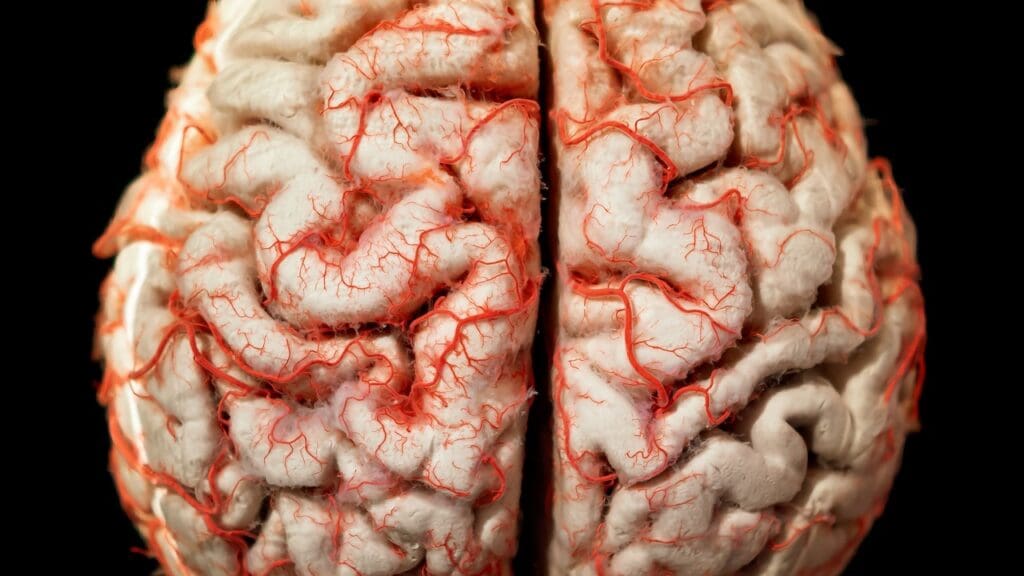
A cerebellar cyst is a fluid-filled sac in the cerebellum. This part of the brain controls how we move and balance. Even though most are harmless, they can cause problems like headaches and dizziness.
At Liv Hospital, we focus on finding and treating cerebellar cysts well. Our team is ready to give you the care you need. We aim to offer top-notch healthcare to everyone, including international patients.
Key Takeaways
- Understanding cerebellar cysts is key to making good care choices.
- Liv Hospital has the latest ways to diagnose and treat cerebellar cysts.
- Symptoms can include headaches, dizziness, and trouble balancing.
- We offer care tailored to each patient with cerebellar cysts.
- Our team is committed to providing the best healthcare.
Understanding the Cerebellum and Its Functions
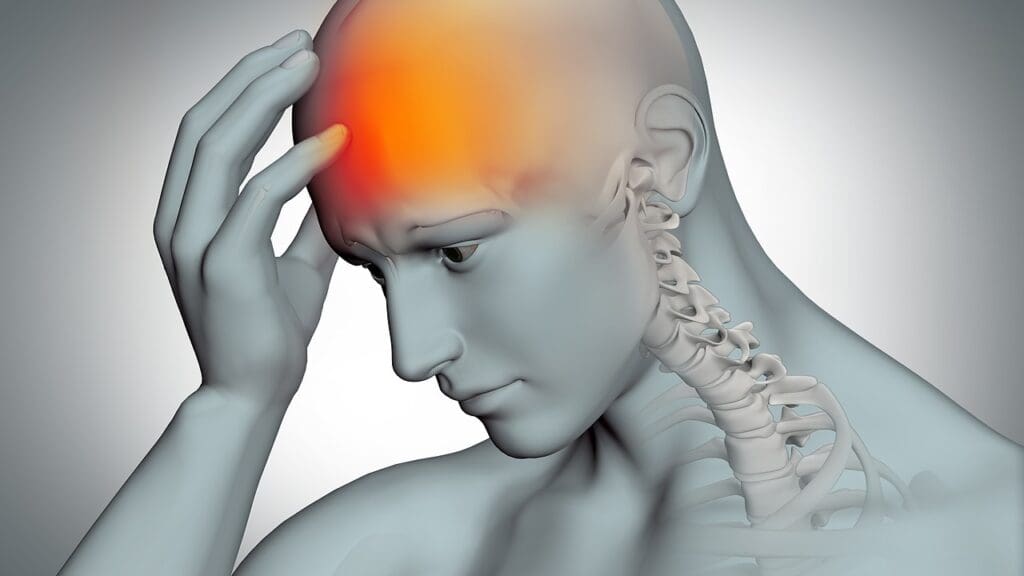
The cerebellum is a key part of the brain. It helps us stay balanced and coordinated. It’s located at the brain’s back, under the cerebrum, and controls our motor functions.
Anatomy of the Cerebellum
The cerebellum has two hemispheres and different areas for motor control. Its complex structure includes layers and cell types. These work together for smooth movements.
Role in Motor Coordination and Balance
The cerebellum is essential for posture, balance, and coordinating movements. This includes walking, writing, and speech. Damage, like a cerebellum cyst or a cyst on cerebellum, can cause big problems.
Connection to Other Brain Structures
The cerebellum connects to other brain parts through pathways. This lets it combine sensory info and motor responses. This connection is key for learning new skills and adapting to changes.
What is a Cerebellar Cyst?

Cerebellar cysts are fluid-filled sacs in the cerebellum. They can cause neurological symptoms. These cysts can be present at birth or develop later in life.
Definition and Basic Characteristics
A cerebellar cyst is a fluid-filled sac in the cerebellum. The cerebellum helps with motor coordination and balance. A cyst here can disrupt normal function, leading to neurological issues.
How Cerebellar Cysts Differ from Other Brain Cysts
Cerebellar cysts are different because they are in the cerebellum. Research on other brain cysts shows the need for accurate diagnosis. Knowing what makes cerebellar cysts unique is key for treatment.
Prevalence and Incidence Rates
The exact number of cerebellar cysts is not well-known. But studies say they are rare. Knowing this helps patients and doctors understand the risks and consequences.
Types of Cerebellar Cysts
It’s important to know about the different types of cerebellar cysts. This knowledge helps doctors choose the right treatment. Cerebellar cysts can affect people in many ways, depending on their type.
Congenital Cerebellar Cysts
Congenital cerebellar cysts are present at birth. They are often found in infancy or early childhood. These cysts can be linked to brain development issues and larger syndromes.
A cerebellum cyst from birth might need early treatment. This helps manage symptoms and prevent future problems.
Acquired Cerebellar Cysts
Acquired cerebellar cysts appear later in life. They can be caused by trauma, infection, or other conditions. These cysts can happen at any age, depending on the cause.
Knowing why an cyst on cerebellum developed is key. It helps doctors choose the best treatment.
Classification Based on Location and Structure
Cerebellar cysts are also classified by where they are in the cerebellum and what they look like. This helps doctors understand how the cyst might affect the cerebellum. It also helps plan treatment.
Studies on cystic lesions, like ameloblastoma, show the importance of detailed classification. This guides treatment plans for each patient.
Treatment for cerebellar cysts depends on several factors. These include the cyst’s size, location, and symptoms. Knowing the specific type of cyst helps doctors create a treatment plan that meets the patient’s needs.
Causes and Risk Factors
Understanding cerebellar cysts is key for patients and doctors. The exact causes are not always known. But research has found several possible factors.
Genetic Factors
Genetics might play a part in cerebellar cysts. Some studies link certain genetic conditions to a higher risk.
Developmental Abnormalities
Abnormalities in fetal development or early childhood could lead to these cysts.
Trauma and Injury
Head trauma or brain injury might cause cerebellar cysts, but it’s rare.
Infections and Inflammatory Conditions
Brain infections or inflammation could also lead to these cysts.
| Cause/Risk Factor | Description |
|---|---|
| Genetic Factors | Predispositions due to genetic conditions |
| Developmental Abnormalities | Abnormalities during fetal development or early childhood |
| Trauma and Injury | Head trauma or brain injury |
| Infections and Inflammatory Conditions | Brain infections or inflammation |
Recent studies highlight the rarity of cerebellum cysts. This underlines the need for more research into their causes and risk factors.
Common Symptoms of Cerebellar Cysts
It’s important to know the symptoms of cerebellar cysts for early diagnosis and treatment. These cysts can affect many parts of the brain. This can really change how well someone can live their life.
Headaches and Pain Patterns
Headaches are a common symptom of cerebellar cysts. The pain can be different in intensity. It often feels like it’s coming from the back of the head or neck.
This pain might be because of too much pressure inside the skull or irritation of the meninges.
Balance and Coordination Issues
Cerebellar cysts can mess with the cerebellum’s work. This leads to problems with balance and coordination. People might have trouble walking steady, doing fine motor tasks, and keeping their posture right.
Dizziness and Vertigo
Dizziness and vertigo are common in those with cerebellar cysts. These symptoms happen because the cyst affects the vestibular system or its connections in the brain.
Other Neurological Manifestations
Patients might also show other signs of neurological problems. These include nystagmus, dysarthria, and in serious cases, signs of too much pressure inside the skull like nausea and vomiting.
The symptoms and how bad they are can differ a lot. It depends on the cyst’s size, where it is, and what kind it is. If you’re experiencing these symptoms, it’s key to get checked by a doctor. They can figure out what’s going on and how to treat it.
Potential Complications of Untreated Cerebellar Cysts
Untreated cerebellar cysts can cause serious problems. They can block the flow of cerebrospinal fluid and increase pressure inside the skull. This can lead to many serious issues.
Increased Intracranial Pressure
One major problem is increased pressure inside the skull. As the cyst grows, it presses on the brain. This can cause headaches, nausea, and other symptoms.
Disruption of Cerebrospinal Fluid Flow
Cerebellar cysts can also mess up the flow of cerebrospinal fluid. This can cause a buildup of fluid in the brain. This condition is called hydrocephalus.
Impact on Surrounding Brain Structures
Untreated cysts can harm the brain’s surrounding structures. This can damage areas important for movement, balance, and other brain functions.
Long-term Neurological Effects
The long-term effects of untreated cysts can be severe. Patients may have ongoing balance and coordination problems. They may also face other neurological issues.
| Complication | Description | Potential Symptoms |
|---|---|---|
| Increased Intracranial Pressure | Pressure buildup inside the skull | Headaches, nausea, vomiting |
| Disruption of CSF Flow | Blockage of cerebrospinal fluid | Hydrocephalus, increased intracranial pressure |
| Impact on Surrounding Structures | Damage to nearby brain areas | Balance issues, coordination problems |
| Long-term Neurological Effects | Persistent neurological deficits | Balance issues, coordination problems, cognitive impairments |
Diagnosis of Cerebellar Cysts
Diagnosing cerebellar cysts involves several steps. First, a detailed check-up and physical exam are done. Then, neuroimaging like MRI and CT scans are used. Finding the right diagnosis is key to choosing the best treatment.
Initial Assessment and Physical Examination
The first step is a complete medical history and physical exam. Doctors look for signs like headaches, balance problems, and coordination issues. These could point to a cerebellar cyst.
Neuroimaging Techniques
Neuroimaging is vital for spotting cerebellar cysts. MRI and CT scans are the main tools used.
MRI Scanning
MRI (Magnetic Resonance Imaging) is great for seeing soft tissues in the brain. It shows the cyst’s size, location, and details. This helps doctors understand the cyst better.
CT Scanning
CT (Computed Tomography) scans are quick to spot cysts and their effects on nearby areas. Though MRI is better for soft tissues, CT scans are useful in emergencies.
Other Diagnostic Procedures
Other tests may be done to check the patient’s overall health and how the cyst affects the brain. These include neurological exams and sometimes a lumbar puncture to check cerebrospinal fluid.
By using these methods together, doctors can accurately diagnose cerebellar cysts. They can then create a treatment plan that fits the patient’s needs.
Treatment Approaches for Cerebellar Cysts
When dealing with cerebellar cysts, we look at several factors. We consider the cyst’s size, symptoms, and the patient’s health. These details help us choose the best treatment.
Observation and Monitoring
For small, symptom-free cysts, we might just watch and wait. We use neuroimaging to keep an eye on the cyst. Regular check-ups help catch any problems early.
Medical Management
If the cyst is causing symptoms, we might use medicine. Medications can help with headaches or dizziness. Relieving symptoms is key to improving the patient’s life.
Surgical Interventions
For bigger cysts or severe symptoms, surgery might be needed. The type of surgery depends on the cyst’s size and location.
Minimally Invasive Procedures
Less invasive methods, like cyst fenestration or aspiration, are also options. These methods create a small opening to drain the cyst. This reduces pressure on the brain.
Traditional Open Surgery
For complex cases, open surgery might be the best choice. This approach is used when the cyst is near important brain areas. Advanced neurosurgical techniques are used to reduce risks and improve outcomes.
The right treatment for a cerebellar cyst depends on a thorough evaluation. Our team works with patients to find the best approach. This ensures they get the best care possible.
Surgical Procedures for Cerebellar Cyst Removal
For those with cerebellar cysts causing issues, several surgical options can help. These surgeries are needed for cysts that are symptomatic or growing. Different methods are used to treat these cysts effectively.
Cyst Fenestration
Cyst fenestration is a surgery that makes a hole in the cyst wall. This lets the cyst drain. It’s often used for large cysts that press on the brain. By doing this, we can lower the pressure and ease symptoms.
Complete Cyst Excision
At times, removing the whole cyst is possible and advised. This means taking out the entire cyst to stop it from coming back. It’s a good choice for cysts that harm the brain or might burst.
Shunt Placement
Shunt placement is another way to handle cerebellar cysts. A shunt is a device that helps move cerebrospinal fluid (CSF) away from the cyst. This method is often paired with other surgeries to ensure the cyst drains well and doesn’t come back.
Endoscopic Approaches
Endoscopic surgery is a less invasive method. It uses a small camera and tools to treat cysts. This way, surgeons can see and work inside the cyst without harming the brain around it.
Key Considerations:
- The choice of surgery depends on the cyst’s size, location, and type.
- Each surgery has its own benefits, and the right one is chosen for each patient.
- Our team works with patients to find the best surgery for their case.
Recovery and Rehabilitation After Treatment
The journey to full recovery after cerebellar cyst treatment is complex. It requires a lot of care and rehabilitation strategies. We know it’s tough, but with the right plan, patients can get their strength and mobility back.
Immediate Post-Treatment Care
Right after surgery, patients need close monitoring and medical help. This is key to avoid any complications. It sets the stage for a successful recovery.
Physical Therapy for Balance and Coordination
Physical therapy is essential for balance and coordination. Our physical therapists create custom exercise plans for each patient. For more on recovery after brain surgery, check out Ivy Brain Tumor Center’s blog.
Cognitive Rehabilitation When Needed
Some patients need cognitive rehabilitation due to the cyst or its treatment. Our programs help improve cognitive function and adapt to changes.
Long-term Follow-up Protocol
Long-term follow-ups are vital to track progress and tackle any new issues. We create a care plan for each patient to ensure the best results.
| Rehabilitation Phase | Goals | Interventions |
|---|---|---|
| Immediate Post-Treatment | Manage complications, ensure patient stability | Close monitoring, medical interventions |
| Physical Therapy | Regain balance and coordination | Personalized exercise programs |
| Cognitive Rehabilitation | Improve cognitive function | Cognitive training programs |
| Long-term Follow-up | Monitor progress, address any issues | Regular check-ups, imaging studies |
Liv Hospital’s Advanced Care for Cerebellar Cyst Patients
Liv Hospital is dedicated to top-notch care for those with cerebellar cysts. We focus on creating treatment plans that fit each patient’s needs.
Multidisciplinary Team of Specialists
Our team includes neurosurgeons, neurologists, radiologists, and rehab specialists. They work together to cover all aspects of a patient’s care.
State-of-the-Art Diagnostic Technologies
We use the latest MRI and CT scans for accurate diagnosis and monitoring. This helps us create the best treatment plans for each patient.
Innovative Treatment Protocols
Our treatments are cutting-edge and tailored to each patient. We offer everything from observation and medication to surgery, based on what each patient needs.
5-Star Healthcare Tourism Services
Liv Hospital is known for its top healthcare tourism services. We make sure international patients have a smooth experience, from booking to care.
| Service | Description | Benefit |
|---|---|---|
| Multidisciplinary Team | Collaboration of specialists for complete care | Holistic treatment approach |
| Advanced Diagnostics | Use of latest MRI and CT scan technologies | Accurate diagnosis and monitoring |
| Innovative Treatments | Range of treatment options from observation to surgery | Personalized and effective care |
| Healthcare Tourism | Comprehensive services for international patients | Comfortable and supportive experience |
Conclusion
Understanding cerebellar cysts is key for patients to make smart choices about their health. A cerebellar cyst needs careful care and attention. Studies show how important it is to educate patients about their health, including cerebellum cysts.
At Liv Hospital, we aim to give top-notch healthcare to international patients. Our team of experts, advanced diagnostic tools, and new treatments ensure patients get the best care for their cysts.
We want to help patients take charge of their treatment. Our goal is to meet both the physical and emotional needs of those with cerebellar cysts.
What is a cerebellar cyst?
A cerebellar cyst is a fluid-filled sac in the cerebellum. The cerebellum is key for motor coordination and balance.
What are the symptoms of a cerebellar cyst?
Cerebellar cysts can cause headaches and issues with balance and coordination. They can also lead to dizziness and vertigo.
How is a cerebellar cyst diagnosed?
To diagnose cerebellar cysts, doctors use a detailed approach. This includes an initial assessment, physical exam, and neuroimaging like MRI and CT scans.
What are the treatment options for cerebellar cysts?
Treatment for cerebellar cysts varies based on the cyst’s size and symptoms. It may include watching and monitoring, medical management, or surgery.
What are the surgical procedures for cerebellar cyst removal?
Surgical options for removing cerebellar cysts include cyst fenestration and complete excision. Other methods are shunt placement and endoscopic approaches.
What is the recovery process like after treatment for a cerebellar cyst?
Recovery after treating cerebellar cysts is important. It involves physical therapy and cognitive rehabilitation. Long-term follow-up is also part of the process.
Can cerebellar cysts be treated at Liv Hospital?
Yes, Liv Hospital offers advanced care for cerebellar cysts. We have a team of specialists and use the latest diagnostic and treatment technologies.
What is a cyst on cerebellum?
A cyst on the cerebellum is a cerebellar cyst. It’s a fluid-filled sac in the cerebellum.
What is a cerebellum cyst?
A cerebellum cyst is another name for a cerebellar cyst. It’s a fluid-filled sac in the cerebellum.
References
- Cedars-Sinai (Brain Cyst) : https://www.cedars-sinai.org/health-library/diseases-and-conditions/b/brain-cyst.html
- UCHealth (Brain Cyst) : https://www.uchealth.com/en/conditions/brain-cyst
- PMC – PubMed Central : https://pmc.ncbi.nlm.nih.gov/articles/PMC8082285
- University of Rochester Medical Center (Brain Cyst) : https://www.urmc.rochester.edu/encyclopedia/content.aspx?contenttypeid=134&contentid=516
- American Brain Tumor Association (Cysts) : https://www.abta.org/tumor_types/cysts



 Departments
 Related Videos
 Our Doctors
 News
News