
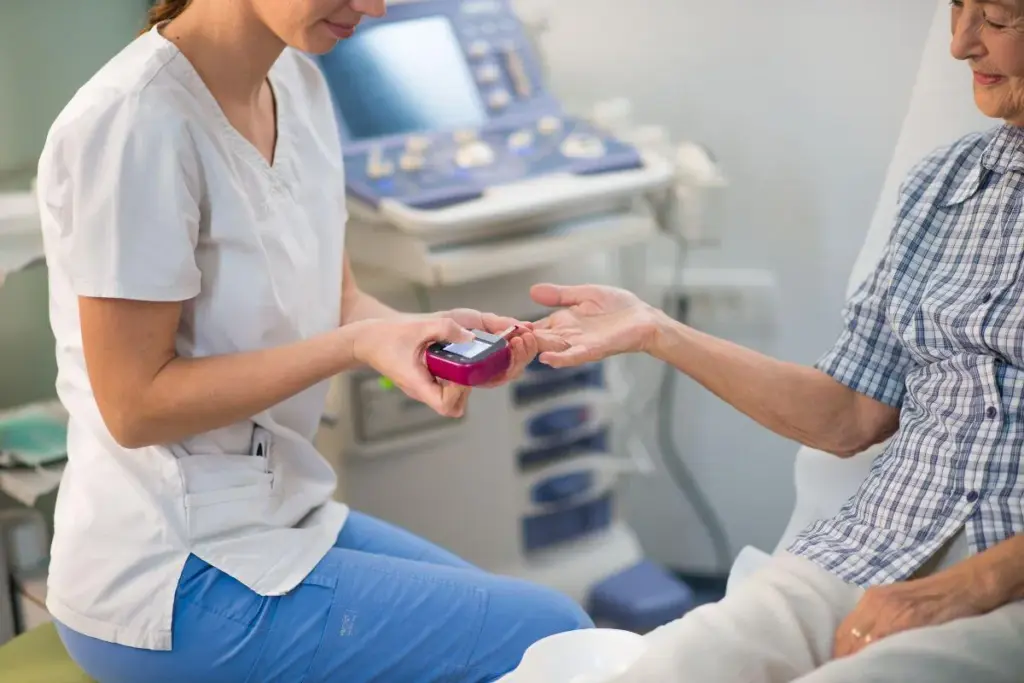
Knowing your blood glucose levels is key for your health. A glucose blood test checks how much glucose is in your blood. It helps find and track diabetes and prediabetes.
Getting a glucose test is a big step in checking your health. This blood sugar test is a common part of health checks. To get right results, you need to fast for 8 to 12 hours before the blood glucose test.
Key Takeaways
- A glucose blood test measures glucose levels in your blood.
- Fasting for 8 to 12 hours is required for accurate results.
- The test is commonly performed during routine health checkups.
- It helps diagnose and monitor diabetes and prediabetes.
- The test is usually conducted in the morning.
What Is a Glucose Blood Test
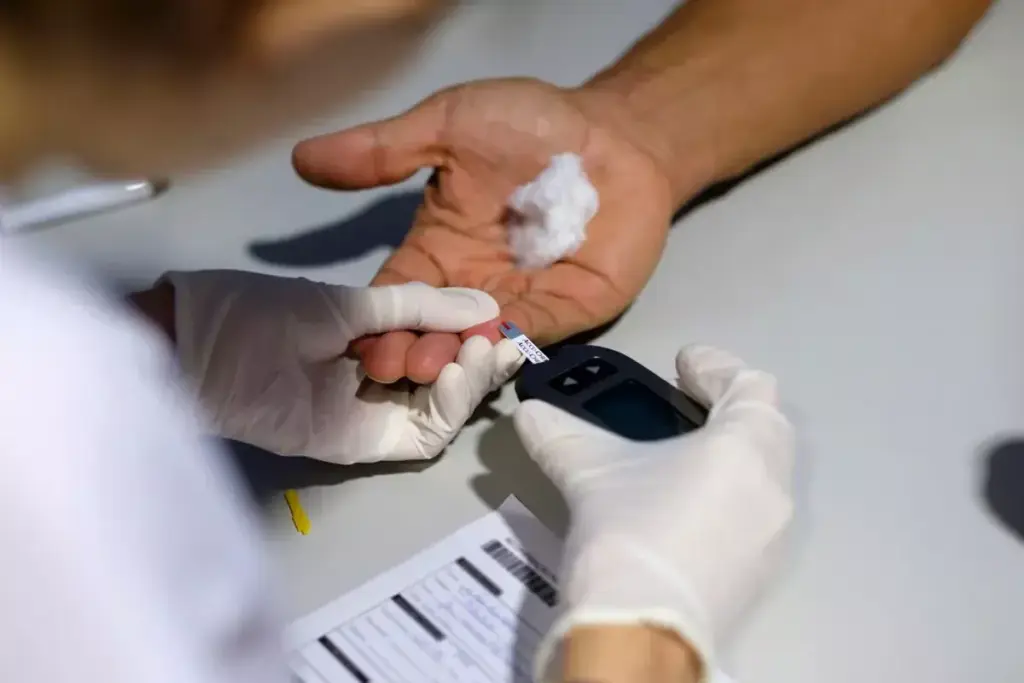
The glucose blood test is a simple yet powerful tool. It helps detect and manage diabetes. This test checks your blood sugar after you’ve fasted overnight. It shows how well your body controls blood sugar.
Definition and Medical Purpose
A glucose blood test, also known as a fasting plasma glucose test, is used to diagnose prediabetes and diabetes. It checks how well your body manages blood glucose levels. By measuring glucose levels after fasting, healthcare providers can see if your levels are normal or if you have prediabetes or diabetes.
The glucose blood test is a key diagnostic tool. It helps find diabetes early, allowing for timely treatments. It also checks glucose levels in people with diabetes to make sure their treatment works.
Common Uses in Healthcare
Healthcare providers often use the glucose blood test to check diabetes risk and monitor it in those with diabetes. It’s a key part of preventive care, helping catch diabetes early.
Here are some common times for a glucose blood test:
- Diagnosing prediabetes and diabetes
- Monitoring glucose levels in people with diabetes
- Assessing the risk of developing diabetes in individuals with risk factors
Knowing your glucose blood test results is key to your care. The table below shows glucose test ranges and what they mean:
| Glucose Level (mg/dL) | Diagnosis |
| Less than 100 | Normal |
| 100-125 | Prediabetes |
| 126 or higher | Diabetes |
Knowing about glucose blood tests helps you see their importance in health management.
Why Fasting Is Required for Accurate Results
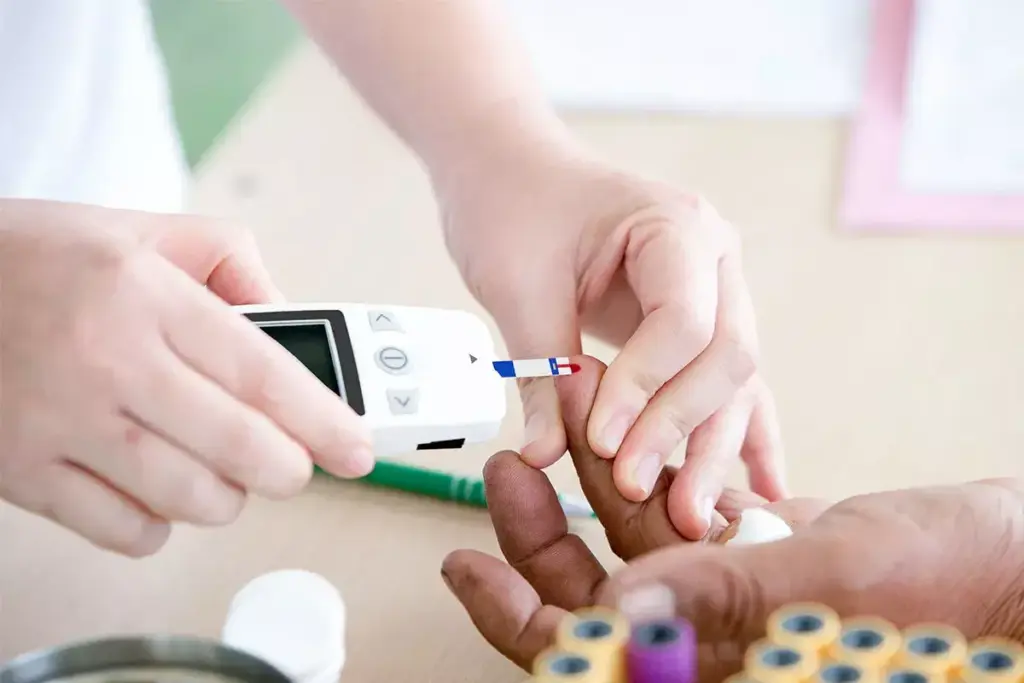
Fasting is key for getting accurate glucose test results. It stops recent food from affecting your blood sugar levels. When you eat, your body uses glucose from food, changing your blood sugar. This can mess up the test results.
The Science Behind Fasting Requirements
Fasting is needed for glucose tests because of how our bodies handle sugar. When we eat, our body uses glucose from food, changing our blood sugar. This change can make the test less accurate.
By fasting for 8 to 12 hours before the test, your body’s glucose levels can be measured more accurately. This is usually done overnight. It helps ensure the test shows your true glucose levels.
Proper Fasting Guidelines
To get accurate results, follow these fasting guidelines:
- Fast for 8 to 12 hours before the test, usually overnight.
- Only drink water during this time.
- Tell your doctor about any medicines or supplements you take.
- Drink water to stay hydrated.
These steps help make sure your glucose test results are reliable. If you have questions about fasting or the test, talk to your doctor.
| Fasting Duration | Effect on Glucose Levels | Test Accuracy |
| 8-12 hours | Returns to baseline | High |
| Less than 8 hours | May be influenced by recent food | Variable |
| More than 12 hours | May lead to low glucose levels | Potential for inaccuracy |
Understanding Your Glucose Test Results
Understanding your glucose test results is a key step in taking control of your health. Your test results can show if your glucose levels are normal, suggest prediabetes, or diagnose diabetes.
Normal, Prediabetes, and Diabetes Ranges
It’s important to know the different ranges of glucose test results. Normal fasting glucose levels are less than 100 mg/dL. If your levels are between 100 and 125 mg/dL, it may mean you have prediabetes. This is when your blood glucose levels are higher than normal but not high enough to be diabetes.
Levels of 126 mg/dL or higher on multiple tests show diabetes.
| Glucose Level (mg/dL) | Diagnosis |
| Less than 100 | Normal |
| 100-125 | Prediabetes |
| 126 or higher | Diabetes |
Different Types of Glucose Tests
There are several types of glucose tests used to diagnose and manage diabetes and prediabetes. These include the fasting plasma glucose test, which measures your glucose levels after an overnight fast. The random blood glucose test can be taken at any time.
Who Should Get Tested and When
We recommend that adults with risk factors for diabetes, such as obesity, family history, or physical inactivity, undergo glucose testing. The American Diabetes Association suggests that adults over 45 years old should be screened for diabetes, regardless of risk factors.
Understanding your glucose test results is a key step in managing your health. If you’re diagnosed with prediabetes or diabetes, we are here to support you in developing a plan to manage your condition effectively.
Conclusion
Getting accurate glucose blood test results is key for managing diabetes and prediabetes. We’ve talked about how important fasting is before the test. It makes sure the results are reliable.
Knowing how glucose monitoring works and the importance of fasting helps you take charge of your health. We offer detailed support and info to guide you through your health journey.
A diabetes diagnosis can change your life, but with the right help, you can manage it well. Our aim is to give you the knowledge and tools to make smart health choices.
We suggest talking to your healthcare provider to find the best plan for you. Together, you can create a personalized strategy to keep your glucose levels in check and stay healthy.
FAQ
What is a glucose blood test?
A glucose blood test measures the amount of glucose (sugar) in your bloodstream.
It helps assess how well your body regulates blood sugar and screens for diabetes or prediabetes.
Why is fasting required for a glucose blood test?
Fasting ensures that recent meals do not affect blood sugar levels, giving an accurate baseline.
It helps distinguish between normal, prediabetic, and diabetic glucose levels.
How long should I fast before a glucose blood test?
Typically, fasting for 8–12 hours is recommended before the test.
Water is usually allowed, but food and drinks that contain calories should be avoided.
What are normal glucose levels?
Normal fasting blood glucose is 70–99 mg/dL.
Two hours after eating, levels for healthy individuals are usually below 140 mg/dL.
What does it mean if my glucose levels are between 100 and 125 mg/dL?
This range indicates impaired fasting glucose or prediabetes.
It signals an increased risk of developing type 2 diabetes and warrants lifestyle or medical intervention.
What does it mean if my glucose levels are 126 mg/dL or higher?
A fasting glucose of 126 mg/dL or higher on two separate tests suggests diabetes.
Further evaluation and treatment are needed to manage blood sugar and prevent complications.
What are the different types of glucose tests available?
Common tests include fasting glucose, random glucose, oral glucose tolerance test (OGTT), and hemoglobin A1C.
Each test provides different information about short-term or long-term glucose control.
Who should undergo glucose testing?
Adults with risk factors such as obesity, family history of diabetes, high blood pressure, or age over 45 should be tested.
Pregnant women are routinely screened for gestational diabetes, usually between 24–28 weeks.
What is the purpose of a glucose test?
The test detects high or low blood sugar levels, screens for diabetes, and monitors glucose control in diagnosed patients.
It helps guide lifestyle, diet, and medication decisions to prevent complications.
How is a glucose blood test performed?
A small blood sample is taken from a vein in your arm or via a finger-prick test.
The sample is then analyzed in a lab or with a glucose meter to determine blood sugar levels.
References
National Center for Biotechnology Information. Evidence-Based Medical Insight. Retrieved from https://pmc.ncbi.nlm.nih.gov/articles/PMC8465972/