Knowing which doctor to see for liver health is key. The answer is a hepatologist. This doctor specializes in the liver, gallbladder, bile ducts, and pancreas. They diagnose, treat, and manage liver problems.
Liver disease affects millions worldwide. Knowing when to see a hepatologist can greatly improve your health. At Liv Hospital, we focus on patient care for liver conditions. We believe in the importance of specialized care for liver health.
Key Takeaways
- A liver specialist is called a hepatologist.
- Hepatologists diagnose and treat liver diseases.
- Liver disease is a growing health concern worldwide.
- Seeking a hepatologist can improve health outcomes.
- Liv Hospital offers patient-centered care for liver conditions.
What Is a Liver Specialist Called: Understanding Hepatology
A hepatologist is a doctor who deals with liver problems. They know a lot about the liver’s structure, how it works, and diseases it can get. This knowledge helps them treat liver issues.
Definition and Etymology of “Hepatologist”
A hepatologist is a doctor who specializes in liver diseases. They can handle problems like hepatitis, cirrhosis, and liver cancer. The word “hepatologist” comes from Greek words for liver and study.
These doctors work with other experts to treat complex liver issues. They also know a lot about the biliary tract, which is linked to the liver.
The Scope of Hepatology Practice
Hepatologists deal with many liver diseases. They can diagnose and treat acute and chronic liver problems. This includes viral hepatitis, autoimmune hepatitis, and genetic disorders.
They also manage liver disease complications like portal hypertension and variceal bleeding. Hepatologists help patients with liver cirrhosis by giving advice on lifestyle changes and medication. They may recommend liver transplantation in severe cases.
They also treat liver cancer, working with oncologists and surgeons. In short, hepatologists are key in treating liver diseases. They offer hope and better care to patients with liver problems.
Training and Certification of Liver Specialists
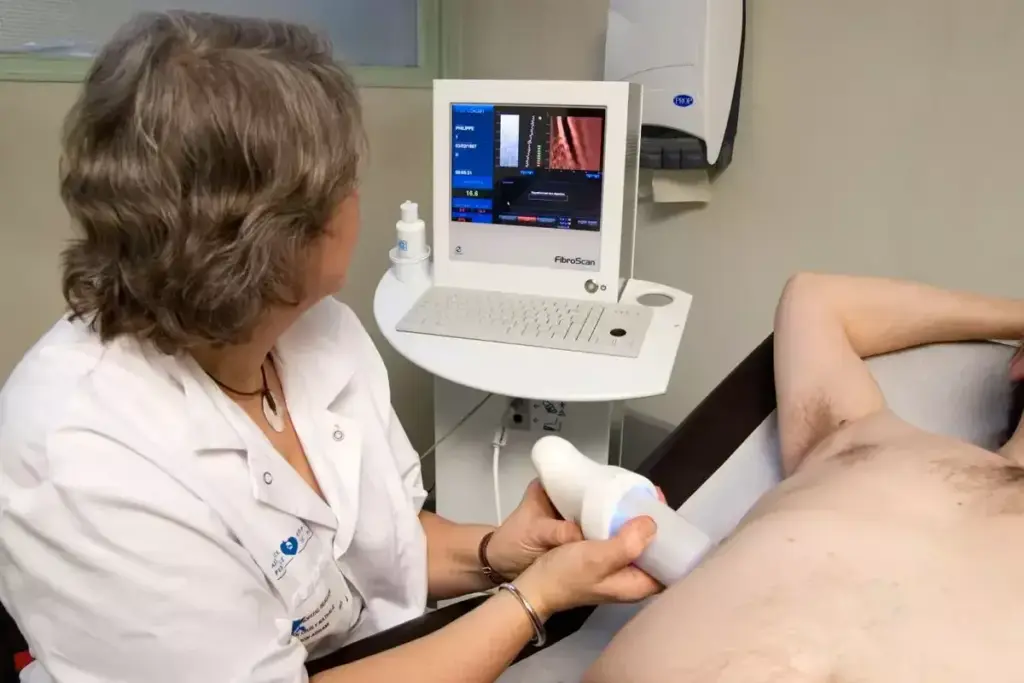
Becoming a liver specialist takes a lot of hard work and dedication. Hepatologists are doctors who have learned a lot about treating liver diseases. They go through a long and challenging training process.
To become a hepatologist, you need to finish medical school first. Then, you have to get more training in gastroenterology and hepatology. This training is key to handling complex liver problems.
Educational Requirements for Hepatologists
<Dec-4437_image_3>The journey starts with four years of medical school. After that, you need to do a three-year residency in internal medicine. This is the first step towards becoming a hepatologist.
Next, you’ll do a three-year fellowship in gastroenterology. If you want to specialize even more, you can do an extra year in transplant hepatology.
Certification and Continuing Education
After finishing your fellowship, you must get certified by the American Board of Internal Medicine (ABIM) in gastroenterology. This shows you’re an expert in the field.
It’s also important for hepatologists to keep learning. They do this by going to conferences, workshops, and staying up-to-date with new treatments. This helps them provide the best care for their patients.
| Training Component | Duration | Description |
| Medical School | 4 years | Foundational education in medicine |
| Residency in Internal Medicine | 3 years | Practical experience in internal medicine |
| Fellowship in Gastroenterology | 3 years | Specialized training in gastroenterology |
| Advanced Fellowship in Transplant Hepatology | 1 year | Advanced training in liver transplantation |
Hepatologists vs. Gastroenterologists: Which Doctor Should You See?
Many people get confused about who to see for digestive health issues. Hepatologists and gastroenterologists are both important, but they focus on different areas.
The Relationship Between Gastroenterology and Hepatology
Gastroenterology deals with the digestive system and its problems. Hepatology is a part of gastroenterology that focuses on the liver, gallbladder, and pancreas. All hepatologists are also gastroenterologists, but not all gastroenterologists are hepatologists. This is key because it affects the care you get for your condition.
When deciding between a gastroenterologist and a hepatologist, think about your condition. Gastroenterologists handle many digestive issues, from acid reflux to Crohn’s disease. They also do endoscopic procedures like colonoscopies.
When to See a Gastroenterologist
See a gastroenterologist for digestive health symptoms like:
- Abdominal pain or discomfort
- Changes in bowel habits
- Difficulty swallowing
- Persistent nausea or vomiting
- Bleeding in the stool or vomit
Gastroenterologists also do endoscopic procedures, like colonoscopies or upper GI endoscopies.
When to See a Hepatologist
For liver health concerns, see a hepatologist. They specialize in liver diseases, including hepatitis, cirrhosis, and liver cancer. They also handle fatty liver disease and liver transplantation.
Hepatologists are best for complex liver conditions that need detailed care.
| Specialist | Area of Focus | Common Conditions Treated |
| Gastroenterologist | Digestive system | IBS, acid reflux, Crohn’s disease, ulcerative colitis |
| Hepatologist | Liver, gallbladder, and pancreas | Hepatitis, cirrhosis, liver cancer, fatty liver disease |
In summary, both gastroenterologists and hepatologists are key in digestive health. The right specialist depends on your condition. For general digestive issues, see a gastroenterologist. For liver-specific problems, a hepatologist’s expertise is essential.
Conclusion: Finding the Right Liver Specialist for Your Needs
When you have liver issues, it’s key to see the right doctor. Hepatologists are top experts in liver diseases. They help manage problems with the liver, gallbladder, bile ducts, and pancreas.
If you notice jaundice or have odd liver test results, you might need a liver specialist. Start by asking your primary care doctor for a referral. They can point you to a hepatologist or gastroenterologist.
Look for a liver specialist based on their qualifications, experience, and what they specialize in. Ask friends, family, or other doctors for suggestions. The right specialist can give you the right care and help improve your health.
FAQ
What is a liver specialist called?
A liver specialist is called a hepatologist. They are doctors who focus on liver diseases and disorders.
What does a hepatologist do?
A hepatologist treats liver diseases like hepatitis and cirrhosis. They also help prevent liver problems.
Do gastroenterologists treat liver disease?
Yes, gastroenterologists can treat liver disease. But, hepatologists are better for complex liver issues.
What is the difference between a gastroenterologist and a hepatologist?
Gastroenterologists deal with the digestive system, including the liver. Hepatologists focus only on liver diseases.
When should I see a hepatologist?
See a hepatologist for liver conditions like hepatitis or cirrhosis. Also, if you have liver symptoms like jaundice.
What kind of training do hepatologists have?
Hepatologists have a lot of training. They go to medical school, then do residency and fellowship. They also keep learning to stay expert.
Can a hepatologist treat kidney disease as well?
Hepatologists can treat related conditions like kidney disease. But, for main kidney disease, see a nephrologist.
How do I find a liver specialist?
To find a liver specialist, ask your doctor for a referral. Or check your insurance for specialists. You can also search online.
What is the role of a hepatologist in treating liver cancer?
Hepatologists are key in treating liver cancer. They work with a team to give full care.
References
World Health Organization. Evidence-Based Medical Guidance. Retrieved from
https://www.who.int/health-topics/liver-diseases#tab=tab_1