Pediatric neurosurgery is a specialized field. It needs a deep understanding of neurological disorders in children. Every year, thousands of children worldwide are diagnosed with complex neurosurgical conditions. This makes pediatric neurosurgeons very important in their treatment and care.
To become a pediatric neurosurgeon, you need to go through a lot of training and education. This starts from undergraduate studies to fellowship training. We will show you the steps to take to start a rewarding career in pursuing a career in pediatric neurosurgery.
Key Takeaways
- Understanding the role of pediatric neurosurgeons in treating complex neurosurgical conditions in children.
- Outlining the necessary steps to become a pediatric neurosurgeon.
- Importance of undergraduate preparation and fellowship training.
- Career path and educational requirements for pediatric neurosurgeons.
- Overview of the comprehensive guide to getting into pediatric neurosurgery.
Understanding the Field of Pediatric Neurosurgery
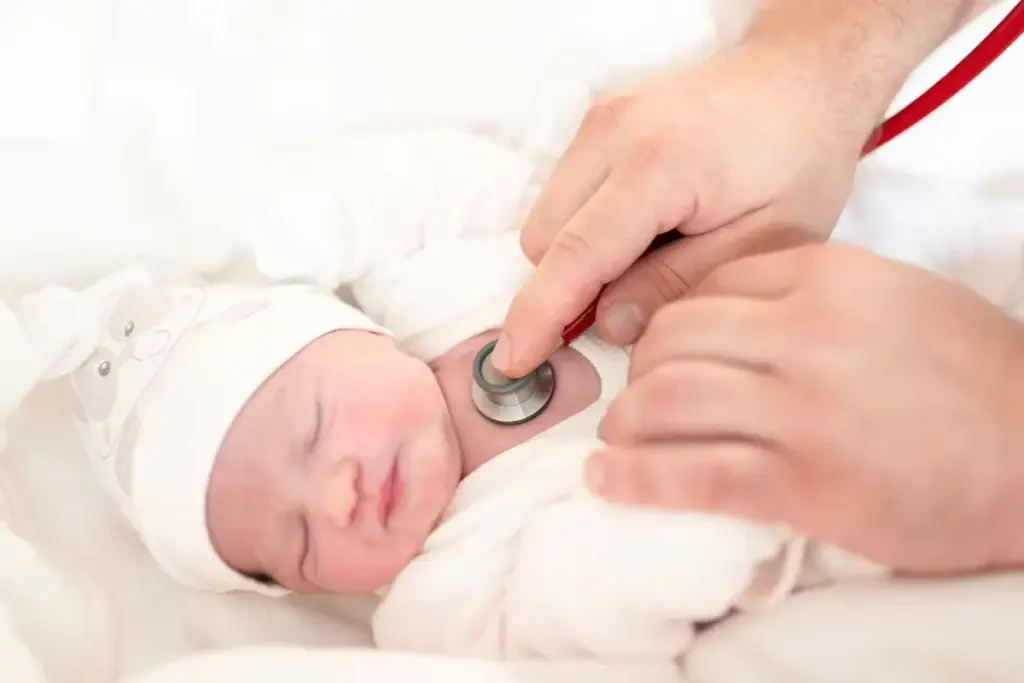
Pediatric neurosurgery is a special area in neurosurgery. It deals with the surgical treatment of neurological disorders in kids. This field needs a deep understanding of how it differs from adult neurosurgery.
The Unique Nature of Pediatric Neurosurgical Practice
Pediatric neurosurgery focuses on the developing nervous system of children. This is different from adult neurosurgery. It treats many conditions, from birth defects to injuries and tumors.
Key aspects of pediatric neurosurgical practice include:
- Understanding the developmental stages of the nervous system
- Managing conditions specific to pediatric populations
- Employing surgical techniques tailored to the pediatric anatomy
Differences Between Adult and Pediatric Neurosurgery
The main differences are in patient age, condition types, and surgical methods. Pediatric neurosurgeons face unique challenges with the developing nervous system.
|
Aspect |
Adult Neurosurgery |
Pediatric Neurosurgery |
|---|---|---|
|
Patient Age |
Primarily adults |
Children from infancy to adolescence |
|
Common Conditions |
Stroke, tumors, aneurysms |
Congenital anomalies, hydrocephalus, tumors |
|
Surgical Approach |
Standard adult neurosurgical techniques |
Specialized techniques for pediatric anatomy |
Common Conditions Treated by Pediatric Neurosurgeons
Pediatric neurosurgeons treat many conditions, including:
- Hydrocephalus
- Congenital anomalies (e.g., spina bifida)
- Brain and spinal cord tumors
- Traumatic brain and spinal cord injuries
It’s important for pediatric neurosurgeons to know these conditions well. They play a key role in managing complex neurological disorders in children.
What Is a Neurosurgeon: Roles and Responsibilities
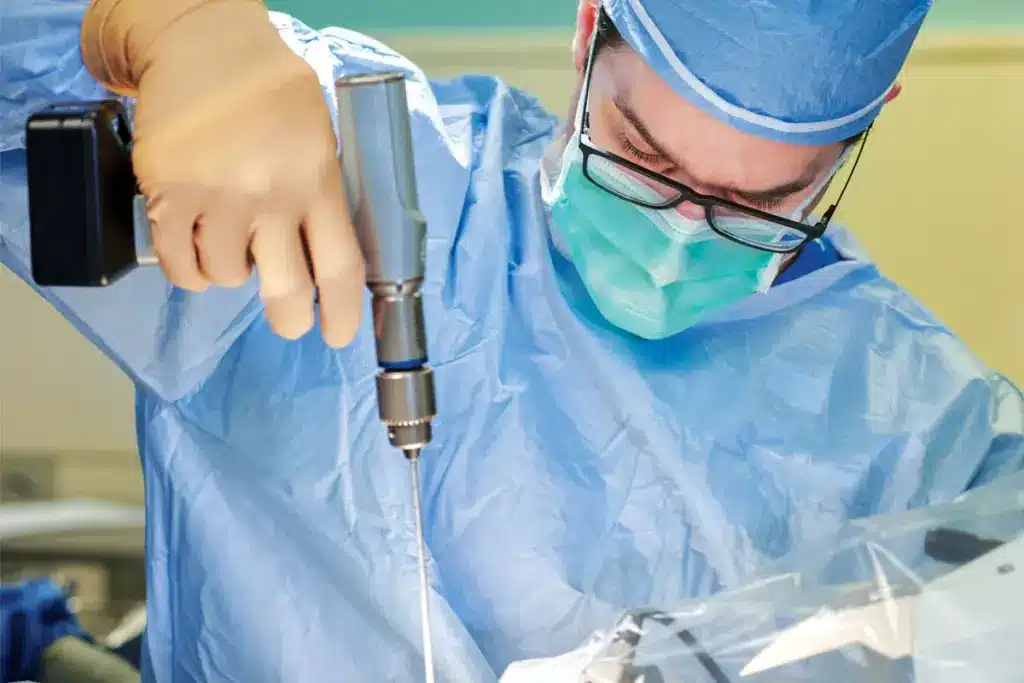
Neurosurgeons are medical experts who deal with the brain and nervous system. They help both adults and children, needing great skill and precision.
Core Functions of Neurosurgeons
Neurosurgeons do surgeries for brain and nervous system problems. Their main tasks are:
- Diagnosing neurological disorders
- Performing surgical interventions
- Providing pre- and post-operative care
- Collaborating with other healthcare professionals
A study in the Journal of Neurosurgery shows neurosurgery is very complex. It needs teamwork to care for patients well.
“Neurosurgery is a highly complex field that demands not only technical skill but also a deep understanding of the patient’s overall health and well-being.”— Journal of Neurosurgery
Specialized Duties in Pediatric Neurosurgery
Pediatric neurosurgeons work with kids from babies to teens. Their main jobs are:
|
Condition |
Surgical Intervention |
Unique Considerations |
|---|---|---|
|
Hydrocephalus |
Shunt placement or revision |
Requires precise calculation of shunt placement |
|
Brain tumors |
Tumor resection |
Demands careful planning to avoid damage to surrounding brain tissue |
|
Spinal deformities |
Corrective surgery |
Necessitates consideration of the child’s growth and development |
The Multidisciplinary Approach in Pediatric Care
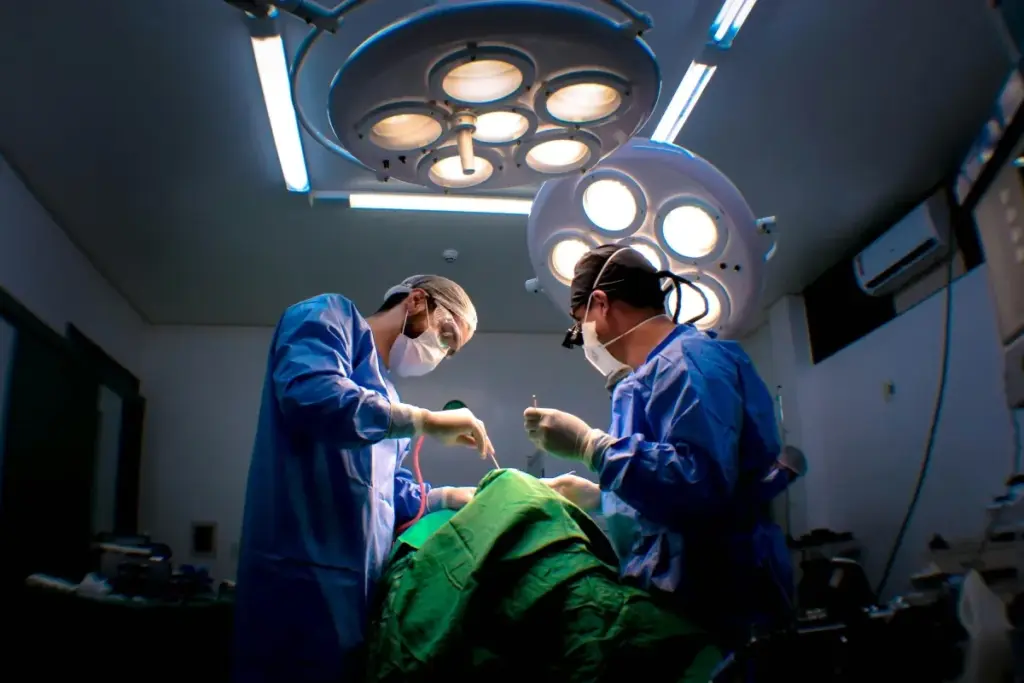
Pediatric neurosurgery needs a team effort. It involves working with neurologists, oncologists, and more. This teamwork helps give kids the best care.
As primary care doctors know, teamwork is key. In pediatric neurosurgery, it makes sure kids get all-around care for their complex needs.
Educational Foundation: Undergraduate Preparation
Starting early is key for those aiming to be pediatric neurosurgeons. A solid undergraduate foundation is essential. It sets the stage for medical school and beyond.
Recommended Pre-Medical Coursework
Students aiming for pediatric neurosurgery need a strong pre-med background. Core subjects include biology, chemistry, organic chemistry, and physics. These subjects are the basics for medical school.
Adding biochemistry and mathematics courses can also help. They deepen understanding of medical concepts.
Advanced courses like neuroscience or physiology are also beneficial. They offer a closer look at the nervous system. This shows dedication to neurosurgery.
Extracurricular Activities That Strengthen Applications
Getting involved outside of class is important for medical school. Clinical experience through volunteering or internships is valuable. It gives real-world insight into healthcare.
Looking for opportunities in pediatric care or surgery is wise. It shows interest in the field.
Leadership roles in clubs or community service can also boost your application. Showing leadership, teamwork, and communication skills is attractive to admissions committees.
Research Experience at the Undergraduate Level
Research is highly regarded in medicine. Undergraduate research can greatly improve your application. Getting involved in neuroscience, surgery, or pediatric care research is beneficial.
Medical School Journey: Critical Steps
Medical school is where aspiring pediatric neurosurgeons lay the foundation for their future careers. It’s a period of intense learning, skill development, and strategic planning.
Selecting the Right Medical School
Choosing a medical school that aligns with your career goals is key. Look for schools with strong neurosurgery programs and renowned faculty. A good curriculum that includes neuroscience and surgery courses is essential.
When evaluating medical schools, consider factors such as:
- Reputation and accreditation
- Clinical and research opportunities
- Faculty expertise in neurosurgery
- Alumni success in neurosurgery
Essential Coursework and Rotations
During medical school, excelling in core subjects like anatomy, physiology, and pharmacology is vital. Also, participating in neurosurgery rotations can give you hands-on experience.
|
Coursework |
Importance for Neurosurgery |
|---|---|
|
Anatomy |
Understanding the structure of the brain and nervous system |
|
Physiology |
Knowledge of how the nervous system functions |
|
Neuroscience |
Insights into the diagnosis and treatment of neurological disorders |
Building Relationships with Neurosurgery Faculty
Developing strong relationships with neurosurgery faculty can significantly impact your career. These mentors can provide guidance, research opportunities, and recommendations that are invaluable during residency applications.
To build these relationships, focus on:
- Actively participating in neurosurgery rotations and clinics
- Engaging in research projects under their supervision
- Seeking their advice on career decisions and challenges
By carefully selecting the right medical school, excelling in essential coursework and rotations, and building meaningful relationships with neurosurgery faculty, aspiring pediatric neurosurgeons can set themselves up for success in their future careers.
Neurosurgery Residency Application Process
Getting into neurosurgery residency is tough. It’s important to know what to do to succeed. You need to be ready in several key areas.
USMLE Score Requirements and Competitiveness
USMLE scores are key in neurosurgery residency applications. A high score can really help you stand out.
Applicants should aim for top scores in Step 1 and Step 2. This will make you more competitive.
“A good USMLE score is not just about passing; it’s about showing you’re excellent,” say medical faculty.
Creating a Competitive Application
A strong neurosurgery residency application is more than just USMLE scores. It includes:
- Clinical experience: You need relevant rotations and experience in neurosurgery.
- Research experience: It’s good to have publications, presentations, and research projects in neurosurgery.
- Letters of recommendation: You need strong endorsements from neurosurgery professionals.
- Personal statement: Your personal statement should show your passion for neurosurgery and your goals.
By focusing on these areas, you can make your application stronger and stand out.
Interview Preparation and Strategies
The interview is a big part of the application process. To do well, you should:
- Prepare thoroughly: Know common questions, practice your answers, and be ready to talk about your experiences.
- Demonstrate professionalism: Be respectful, on time, and professional during the interview.
- Show enthusiasm and interest: Show you really care about neurosurgery and want to learn more.
Using these strategies can help you make a good impression. This can increase your chances of getting into neurosurgery residency.
Navigating the Neurosurgery Residency Match
Getting into neurosurgery residency is tough. It needs careful planning and smart choices. Knowing how the match works is key to success.
Understanding the Match Process
The National Resident Matching Program (NRMP) runs the neurosurgery match. It uses a complex algorithm to pair applicants with programs. It looks at what you’ve done and your skills.
Important things include your USMLE scores, research experience, and letters of recommendation. A strong application can boost your chances of getting into a top program.
Ranking Programs Effectively
Choosing your top programs is a big deal. You need to make a rank order list that shows your true preferences. Here’s how:
- Learn as much as you can about each program.
- Think about the program’s reputation, clinical opportunities, and research focus.
- Get advice from those who have been through it.
Statistics and Success Rates
Looking at match stats can help you understand your chances. The NRMP shares data on match outcomes and applicant qualifications.
These numbers can guide your decisions. For example, knowing the USMLE scores of those who matched can help you see where you stand.
By getting the match, ranking programs wisely, and knowing the stats, you can improve your chances. A strong application and neurological disorders treatment experience will help you succeed in neurosurgery.
General Neurosurgery Residency Training
Aspiring neurosurgeons face many challenges in their general neurosurgery residency. This time is key for learning the skills needed for advanced specialties like pediatric neurosurgery.
Structure of a Typical Neurosurgery Residency
A typical neurosurgery residency program offers a broad education. It covers both theory and practical skills. The program lasts several years, with residents moving through different departments.
They see a variety of cases, from brain surgeries to spinal procedures. They learn under the watchful eyes of seasoned neurosurgeons. This hands-on experience is essential for grasping neurosurgical complexities.
|
Year |
Typical Rotations |
Key Skills Developed |
|---|---|---|
|
1-2 |
General surgery, ICU |
Critical care, basic surgical skills |
|
2-3 |
Neurosurgery department |
Surgical techniques, patient assessment |
|
4-5 |
Specialized neurosurgery rotations (e.g., spine, tumor) |
Advanced surgical techniques, subspecialty knowledge |
Key Skills Developed During Residency
Neurosurgeons develop critical skills during their residency. These include technical skills, patient management, and high-pressure environment work. They also learn about the latest in neurosurgery.
This knowledge is vital for top-notch patient care. It helps them stay updated with new techniques and technologies.
Preparing for Pediatric Specialization During General Training
For those aiming for pediatric neurosurgery, general neurosurgery residency is key. Seek out pediatric cases, work with pediatric neurosurgery faculty, and do relevant research. This prepares you for a career in pediatric neurosurgery.
By focusing on pediatric cases and research, residents build the necessary knowledge and skills. This sets them up for success in their future careers.
Pediatric Neurosurgery Fellowship: The Final Step
The journey to becoming a specialized pediatric neurosurgeon ends with a fellowship program. This advanced training is key for mastering complex brain surgeries in children.
Top Fellowship Programs in the United States
The United States has many top institutions for pediatric neurosurgery fellowshipsVisiting student electives at these places offer a peek into the fellowship world and help future pediatric neurosurgeons.
Choosing a fellowship program means looking at its reputation, faculty expertise, and research chances. A good program gives you real-world experience and exposure to many cases. This boosts your brain surgery expertise.
Application Requirements for Fellowships
Applying for a pediatric neurosurgery fellowship needs careful planning. You’ll need to submit your residency documents, letters of recommendation, and a personal statement. Make sure your application shows your neurosurgeon education and clinical abilities well.
- Residency completion documents
- Letters of recommendation
- Personal statement
- CV detailing research and clinical experience
What to Expect During Your Fellowship Year
During your fellowship year, you’ll dive into complex surgeries with top pediatric neurosurgeons. It’s a time for intense learning and improving your surgical skills. You’ll also get to work on research projects, boosting your brain surgery expertise.
Fellowship programs aim to push and grow your abilities, setting you up for a successful career. By the end, you’ll be ready to handle the challenges of pediatric neurosurgery with confidence and skill.
Board Certification and Continuing Education
Getting board certified is a big step for a pediatric neurosurgeon. It shows they are experts and care deeply about their patients. We’ll look at how to get certified, why subspecialty certification matters, and the importance of ongoing learning.
American Board of Neurological Surgery Certification
The American Board of Neurological Surgery (ABNS) certifies neurosurgeons in the U.S. To get certified, neurosurgeons must pass a written and oral exam. This ensures they can give top-notch care to their patients.
Key Steps to ABNS Certification:
- Complete a neurosurgery residency approved by the Accreditation Council for Graduate Medical Education (ACGME).
- Pass the ABNS written exam.
- Pass the oral exam to show clinical skills.
Pediatric Neurosurgery Subspecialty Certification
Pediatric neurosurgeons can also get subspecialty certification. This shows they know a lot about kids’ neurological care. To get this, they need to do a fellowship in pediatric neurosurgery and pass a special exam.
Maintaining Credentials Throughout Your Career
Keeping your certification up to date is important. Neurosurgeons must keep learning to stay current. The ABNS has a Maintenance of Certification (MOC) program for this. It includes ongoing education and checking their skills.
|
Certification Requirement |
Description |
Frequency |
|---|---|---|
|
Continuing Education |
Keep up with new medical knowledge and techniques through CME activities. |
Ongoing |
|
Professional Practice Evaluation |
Check if your practice meets high standards by assessing patient outcomes. |
Every 3 years |
|
Cognitive Expertise Assessment |
Pass a secure exam to show you’re mentally sharp. |
Every 10 years |
By keeping their certification and learning new things, pediatric neurosurgeons can give the best care. This improves patient results and helps the field grow.
Day-to-Day Life of a Pediatric Neurosurgeon
A pediatric neurosurgeon’s day is filled with clinical, administrative, and educational tasks. This mix shows the dedication and precision needed in this field.
Typical Schedule and Work Hours
Pediatric neurosurgeons work long, irregular hours. Their days include:
- Early morning rounds at the hospital to check on patients
- Surgery days that can last from morning until late afternoon
- Clinic hours for outpatient consultations
- Time for administrative tasks, such as paperwork and meetings
Clinical Responsibilities
Being a pediatric neurosurgeon means a lot of clinical work. This includes:
- Conducting thorough examinations and assessments of young patients
- Diagnosing conditions and developing treatment plans
- Performing surgeries and other interventions as necessary
- Monitoring post-operative recovery and adjusting care plans
Good communication with patients and families is key. It makes care more patient-centered and compassionate.
Administrative and Teaching Responsibilities
Pediatric neurosurgeons also handle administrative and teaching tasks. These include:
- Managing a team of healthcare professionals
- Participating in hospital committees and meetings
- Teaching and mentoring medical students and residents
- Engaging in research and staying updated with the latest medical advancements
These roles help healthcare services run smoothly. They also help train the next generation of neurosurgeons.
In summary, being a pediatric neurosurgeon is demanding but rewarding. It requires a mix of clinical skills, administrative abilities, and teaching talents. These are all needed to provide top-notch care to young patients.
Essential Skills and Attributes for Success
To be a top pediatric neurosurgeon, you need technical skills, emotional smarts, and physical strength. It’s a tough job that requires a lot of skills to care for young patients well.
Technical Skills Required
Pediatric neurosurgery is very specialized. Neurosurgeons must be great at complex surgeries, making quick, precise decisions. They also need to keep up with new medical tech and discoveries.
- Proficiency in microsurgical techniques
- Knowledge of the latest neurosurgical technologies
- Ability to interpret complex diagnostic images
Emotional Intelligence and Communication Abilities
Emotional intelligence is key in pediatric neurosurgery. Surgeons must talk well with worried parents and kids. Good communication helps in caring for patients and their families.
“Compassion is the foundation of good medical care. It’s what connects us to our patients and their families.”— Dr. [Last Name], Pediatric Neurosurgeon
Physical Stamina and Mental Resilience
Being a pediatric neurosurgeon is tough on the body and mind. Long hours in surgery need physical stamina. The job’s high stakes require mental resilience. Surgeons must handle stress and stay focused for a long time.
To get these skills, future pediatric neurosurgeons should start strong in medical school. Then, they need to work hard in residency and fellowship. Always learning and growing is key in this fast-changing field.
Research and Publication Requirements
To excel in pediatric neurosurgery, one must be committed to contributing to the field through rigorous research and publication. This not only enhances one’s knowledge and skills but also advances the field as a whole.
Importance of Research in Neurosurgical Training
Research is a cornerstone of neurosurgical training, providing a foundation for evidence-based practice. It fosters critical thinking, innovation, and problem-solving skills, all of which are essential for a successful career as a spinal surgery specialist. Engaging in research during residency or fellowship programs can significantly enhance one’s understanding of complex neurosurgical conditions and their treatment.
For instance, participating in research projects during medical school or residency can provide valuable experience. This highlights the importance of research experience in neurosurgeon education.
Finding Research Opportunities
Finding the right research opportunities can be challenging, but there are several strategies that can increase one’s chances of getting involved in meaningful projects. Networking with established researchers and clinicians in the field of pediatric neurosurgery can open doors to research collaborations.
- Attend conferences and seminars related to neurosurgery to learn about the latest research and meet collaborators.
- Reach out to departments of neurosurgery at reputable institutions to inquire about ongoing research projects.
- Consider participating in clinical trials or studies that focus on pediatric neurosurgical conditions.
Publishing Strategies for Aspiring Pediatric Neurosurgeons
Publishing research findings is a critical step in contributing to the field of pediatric neurosurgery. To successfully publish, one must first understand the process of manuscript preparation, submission, and revision. It’s essential to identify the right journals for your research, focusing on those that are peer-reviewed and have a strong reputation in the field.
When preparing a manuscript, clarity and conciseness are key. The use of clear headings, concise paragraphs, and proper citation of references can significantly enhance the readability and credibility of your work. Ensuring that your research adheres to ethical standards and is free from bias is also critical for publication in reputable journals.
Overcoming Challenges in the Pediatric Neurosurgery Path
Aspiring pediatric neurosurgeons face many challenges. These include tough training and the emotional toll of the job. It’s important to know these challenges to find ways to beat them.
Common Obstacles and How to Address Them
The path to becoming a pediatric neurosurgeon is filled with hurdles. These include fierce competition for spots in residency, the high-pressure of neurosurgery, and the need to keep learning about new advancements.
To tackle these challenges, future pediatric neurosurgeons should focus on building a solid base during their residency. This means getting good at technical skills, building a strong research background, and making connections in the medical field.
|
Obstacle |
Strategy to Overcome |
|---|---|
|
Intense competition for residency positions |
Build a strong academic record, gain relevant research experience, and network with professionals in the field. |
|
High-stakes nature of neurosurgical procedures |
Develop strong technical skills through rigorous training and practice, and stay updated with the latest techniques and technologies. |
|
Need for continuous learning |
Engage in ongoing education through conferences, workshops, and peer-reviewed journals. Participate in research to stay at the forefront of neurosurgical advancements. |
Coping with Emotional Aspects of Pediatric Care
Pediatric neurosurgery is emotionally tough because of the patients’ vulnerability and the high-pressure decisions. Coping with these emotional demands is key to a long and rewarding career.
Ways to cope include building strong support networks, taking care of oneself, and seeking advice from seasoned professionals. This helps in managing the emotional side of the job.
Strategies for Long-Term Career Sustainability
To keep a career in pediatric neurosurgery sustainable, one must balance work and personal life. This means setting achievable goals, prioritizing tasks, and making time for rest and relaxation.
Long-term sustainability also means being adaptable and open to changes in medical practice and technology. Keeping up with learning and professional growth is essential for a fulfilling career in pediatric neurosurgery.
By understanding the challenges and finding ways to overcome them, pediatric neurosurgeons can have a rewarding career. They can make a big difference in the lives of their patients.
Career Outlook and Opportunities
Pediatric neurosurgery offers many career paths for those who are passionate about helping children. The need for skilled pediatric neurosurgeons is growing. This is because of new treatments for neurological disorders and the need for specialized care.
Salary Expectations and Compensation Models
Pediatric neurosurgeons are among the highest-paid doctors. Salaries depend on location, practice type, and experience. Knowing about what is a neurosurgeon and their role helps in understanding compensation.
- Private practice: Often higher earning but comes with more administrative work.
- Academic practice: May have lower salaries but offers research and teaching chances.
- Hybrid models: Mix private and academic practice elements.
Academic vs. Private Practice Considerations
Choosing between academic and private practice depends on personal goals and preferences. Academic practice involves research and teaching. Private practice gives more control over patient care and possibly higher earnings.
The career path should match one’s professional goals and values. Knowing the job market, salary, and practice options helps aspiring pediatric neurosurgeons make the right choice.
Conclusion: Is Pediatric Neurosurgery Right for You?
Thinking about a career in pediatric neurosurgery? It’s a field that needs a deep understanding, a solid education, and a dedication to top-notch patient care. This guide has shown the tough but rewarding journey to become a pediatric neurosurgeon. It requires hard work, skill, and a love for brain surgery.
Wondering if this career is for you? Think about your readiness for the long educational and training journey. Also, consider your emotional strength and your drive to keep up with the latest in brain surgery. If you want to help children and families and are ready to learn and grow, pediatric neurosurgery might be perfect for you.
Choosing pediatric neurosurgery means you’ll use your technical skills to care for young patients. It’s a chance to make a big difference in their lives. Take time to think about your goals and what motivates you. Decide if this amazing field is where you want to grow professionally.
FAQ
What is pediatric neurosurgery?
Pediatric neurosurgery is a special field. It deals with the surgical treatment of neurological disorders in kids. This includes babies to teenagers.
What kind of education and training is required to become a pediatric neurosurgeon?
To be a pediatric neurosurgeon, you need a lot of education. First, you must finish college. Then, you go to medical school. After that, you do a neurosurgery residency and a pediatric neurosurgery fellowship. You also need to get certified and keep learning.
What are the key differences between adult and pediatric neurosurgery?
Pediatric neurosurgery is different from adult neurosurgery. It needs a deep understanding of the developing brain and nervous system. It also deals with conditions specific to children.
What are some common conditions treated by pediatric neurosurgeons?
Pediatric neurosurgeons treat many conditions. These include congenital anomalies, brain tumors, hydrocephalus, and spinal deformities.
What is the role of a neurosurgeon in pediatric care?
Neurosurgeons are key in pediatric care. They work with a team to diagnose and treat complex neurological conditions. They also do surgeries when needed.
How long does it take to become a pediatric neurosurgeon?
Becoming a pediatric neurosurgeon takes a long time. It usually takes 15-16 years after high school. This includes college, medical school, residency, and fellowship.
What are the essential skills and attributes required for success as a pediatric neurosurgeon?
To be successful, pediatric neurosurgeons need technical skills, emotional intelligence, and physical stamina. They also need strong communication and interpersonal skills.
What is the job market like for pediatric neurosurgeons?
The job market for pediatric neurosurgeons is competitive. There are opportunities in both academic and private practice settings.
How do pediatric neurosurgeons stay current with the latest developments in their field?
Pediatric neurosurgeons keep up with the latest by attending conferences and participating in research and publications.
What is the typical salary range for a pediatric neurosurgeon?
Pediatric neurosurgeons’ salaries vary. They depend on location, experience, and where they work. But, it’s usually competitive with other surgical specialties.
What are the benefits of a career in pediatric neurosurgery?
A career in pediatric neurosurgery is rewarding. It allows you to make a difference in children’s lives. It’s also a challenging and fulfilling profession.
National Center for Biotechnology Information. Evidence-Based Medical Insight. Retrieved from https://pubmed.ncbi.nlm.nih.gov/31112956/