
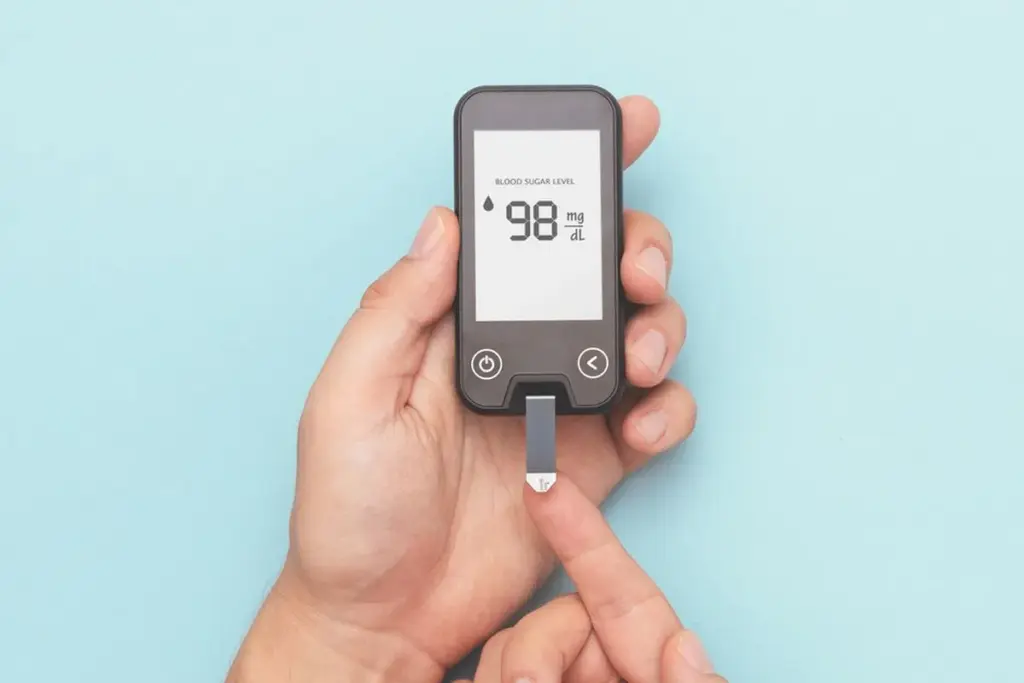
Knowing your fasting blood glucose is key to staying healthy and avoiding diabetes. The American Diabetes Association says a normal fasting plasma glucose is between 70 to 99 mg/dL. This is what keeps most people healthy.
A fasting blood glucose level in this range means your body is handling blood sugar well. This lowers your risk of getting diabetes and its serious side effects. Liv Hospital offers top-notch care to help you understand these important numbers. They help you manage your health with accurate dm diagnosis and proven methods.
Key Takeaways
- Normal fasting plasma glucose ranges from 70 to 99 mg/dL.
- A fasting blood glucose level of 126 mg/dL or higher is used to diagnose diabetes.
- Maintaining a normal fasting blood sugar level is key to overall health.
- Liv Hospital offers trusted expertise and patient-centered care for diabetes management.
- Understanding your fasting blood glucose is vital for metabolic health.
Understanding Fasting Blood Sugar Testing
Fasting blood glucose measurement is key in diabetes screening. It checks blood sugar levels after fasting, usually overnight. This test shows how the body handles blood sugar without food.
What Fasting Means for Blood Glucose Measurement
Fasting means not eating or drinking (except water) for at least 8 hours. It gives a baseline blood glucose reading not affected by recent food. It shows how well the body manages glucose.
Fasting glucose levels are a critical indicator of how well the body manages glucose. Abnormal levels can signal diabetes or prediabetes early.
- Fasting glucose tests measure blood sugar levels after at least 8 hours of fasting.
- This test is essential for diagnosing diabetes and prediabetes.
- Fasting glucose levels help healthcare providers understand an individual’s glucose metabolism.
Why Fasting Glucose Is Essential for Diabetes Screening
Fasting glucose is key for diabetes screening because it gives a reliable fasting blood sugar reading. The American Diabetes Association says fasting glucose levels are the main way to diagnose diabetes. Understanding fasting glucose measurement is vital for both healthcare providers and individuals.
It helps them make informed decisions about lifestyle, treatment, and diabetes management.
By recognizing fasting blood sugar testing’s importance, people can take steps to keep blood glucose levels healthy. Regular screening and monitoring can help find those at risk early and prevent diabetes complications.
What Is the Normal Sugar Level in Fasting

Knowing the normal sugar level in fasting is key to checking your metabolic health. Keeping your fasting blood sugar in check is vital. It shows you’re healthy and lowers the chance of getting diabetes and other metabolic problems.
The American Diabetes Association says the normal range for fasting plasma glucose is 70 to 99 mg/dL. This range means your body is handling glucose well during fasting. The Association notes, “Fasting glucose levels in this range are linked to a lower risk of diabetes and heart disease.”
Normal Fasting Plasma Glucose: 70 to 99 mg/dL
A healthy fasting plasma glucose level is between 70 and 99 mg/dL. This shows your body is managing blood glucose well during fasting.
The table below shows the normal fasting glucose levels and what they mean for your health:
| Fasting Glucose Level (mg/dL) | Category | Health Implication |
| 70-99 | Normal | Low risk of diabetes |
| 100-125 | Prediabetes | Increased risk of developing diabetes |
| 126 or higher | Diabetes | High risk; diagnosis of diabetes |
Normal Postprandial Glucose Levels
Not just fasting glucose, but postprandial glucose levels are also key. Normal postprandial glucose is less than 140 mg/dL. This shows your body can handle glucose after eating.
Keeping postprandial glucose levels normal is key to avoiding diabetes complications. Monitoring and managing postprandial glucose is part of a full plan for glucose control. It helps keep your metabolic health in top shape.
Prediabetes and Diabetes Blood Sugar Thresholds
Knowing the blood sugar levels for prediabetes and diabetes is key. The American Diabetes Association has set clear guidelines. These help doctors diagnose and treat those at risk.
Prediabetes Range: 100 to 125 mg/dL Fasting Glucose
Prediabetes is when fasting glucose is between 100 to 125 mg/dL. It means you’re at a higher risk of getting type 2 diabetes. Spotting it early is vital to stop diabetes from happening. The American Diabetes Association says people with prediabetes can manage it with lifestyle changes.
A study in a medical journal showed how important it is to catch prediabetes early:
Diabetes Diagnosis: 126 mg/dL or Higher
A fasting glucose of 126 mg/dL or more means you have diabetes. Doctors use this level to diagnose diabetes. Diagnosing diabetes early lets people start managing it sooner.
American Diabetes Association Diagnostic Criteria for Type 2 Diabetes
The American Diabetes Association has clear rules for diagnosing type 2 diabetes. These include fasting plasma glucose, oral glucose tolerance tests, and hemoglobin A1C levels. These tests help check how well your body handles glucose.
| Diagnostic Test | Normal Range | Prediabetes Range | Diabetes Range |
| Fasting Plasma Glucose | <100 mg/dL | 100-125 mg/dL | ≥126 mg/dL |
| Oral Glucose Tolerance Test | <140 mg/dL | 140-199 mg/dL | ≥200 mg/dL |
| Hemoglobin A1C | <5.7% | 5.7-6.4% | ≥6.5% |
Knowing these criteria helps people understand their diagnosis. It lets them work with their doctors to manage their diabetes well.
Conclusion
Keeping your fasting blood sugar level normal is key to good health. Knowing about fasting glucose levels and following the American Diabetes Association’s guidelines helps a lot. It lets people take steps to avoid or manage diabetes.
The American Diabetes Association has clear rules for diagnosing type 2 diabetes. These rules help people see their risk and act early. Keeping your fasting blood sugar between 70 to 99 mg/dL is vital to avoid diabetes and its problems.
To be in top metabolic shape, eat well, stay active, and watch your blood sugar. By controlling your glucose, you can lower your diabetes risk a lot. This path to better blood sugar levels is a big step towards being healthier and happier.
FAQ
What is considered a normal fasting blood sugar level?
Normal fasting blood sugar is 70–99 mg/dL (3.9–5.5 mmol/L) for people without diabetes.
What does fasting blood sugar testing measure?
It measures blood glucose after 8 hours of fasting to assess baseline glucose levels.
What is the diagnostic criteria for diabetes based on fasting glucose levels?
Fasting glucose ≥126 mg/dL on two separate tests indicates Diabetes Mellitus.
What is considered a normal postprandial glucose level?
Normal post-meal glucose is under 140 mg/dL for non-diabetics.
What is prediabetes, and how is it diagnosed?
Prediabetes is diagnosed with fasting glucose 100–125 mg/dL, 2-hour OGTT 140–199 mg/dL, or A1C 5.7–6.4%.
What are the diagnostic criteria for type 2 diabetes?
Type 2 Diabetes is diagnosed with fasting glucose ≥126 mg/dL, A1C ≥6.5%, 2-hour OGTT ≥200 mg/dL, or random glucose ≥200 mg/dL with symptoms.
How can I maintain a normal fasting blood sugar level?
Maintain normal fasting glucose through a balanced diet, regular exercise, weight management, and monitoring blood sugar.
What is the significance of maintaining normal glucose levels?
Maintaining normal glucose prevents complications, protects organs, and supports overall health and well-being.
References
National Center for Biotechnology Information. Evidence-Based Medical Insight. Retrieved from https://pmc.ncbi.nlm.nih.gov/articles/PMC8465972/