
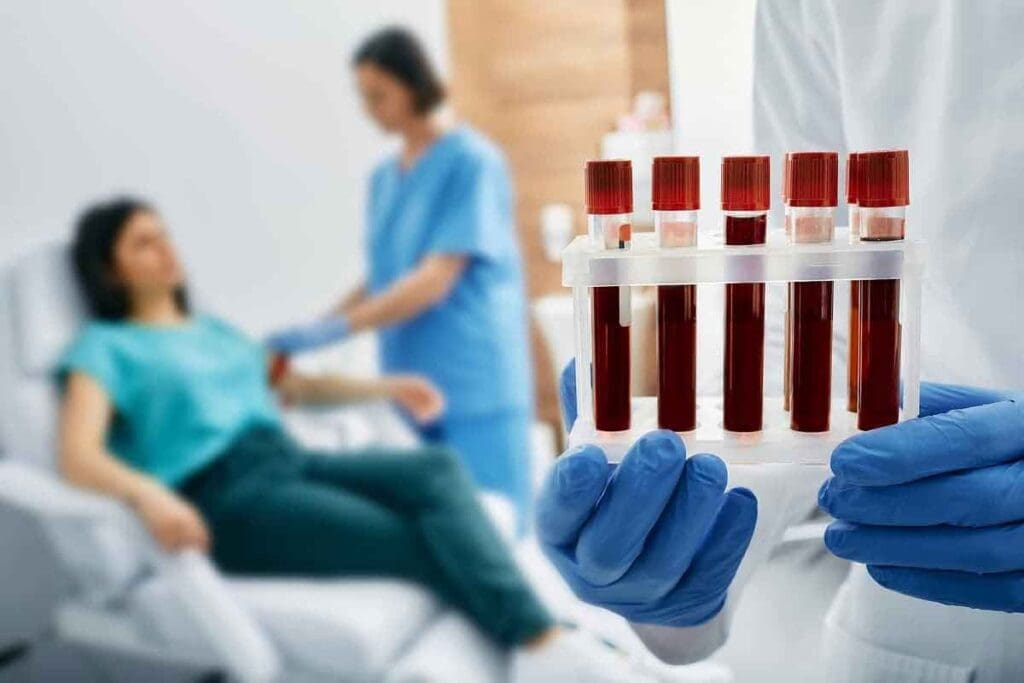
What is a normal hb count? Hemoglobin is a protein in red blood cells that carries oxygen. At Liv Hospital, we stress the need to know your hemoglobin levels for good health. Normal hemoglobin levels change with age, sex, and health. For adults, men usually have 13.8 to 17.2 g/dL, and women have 12.1 to 15.1 g/dL.
Knowing your hemoglobin count is key. It helps spot and track health issues. We aim to give you accurate info and top-notch care for your health.
Key Takeaways
- Hemoglobin levels vary by age, sex, and health status.
- Normal hemoglobin ranges for adults are 13.8-17.2 g/dL for males and 12.1-15.1 g/dL for females.
- Understanding your hemoglobin count is vital for diagnosing and monitoring health conditions.
- Liv Hospital is dedicated to providing evidence-based information and care.
- Optimal hemoglobin levels are key for keeping you healthy and well.
The Essential Role of Hemoglobin in Your Body
Hemoglobin is a key protein in red blood cells that keeps us healthy. It gives blood its red color and carries oxygen to our organs and tissues. Each red blood cell can carry hundreds of millions of hemoglobin molecules.
How Hemoglobin Transports Oxygen
Hemoglobin’s main job is to move oxygen from the lungs to our body’s tissues. It also carries carbon dioxide from our tissues back to the lungs. This is vital for our energy and overall health. The iron in hemoglobin binds to oxygen, making it possible to transport.
The Structure and Function of Hemoglobin
Hemoglobin is made up of four protein chains and four heme groups, each with iron. This design lets it bind to oxygen, making transport possible. Knowing how hemoglobin works helps us understand its importance in keeping our hemoglobin levels healthy.
Hemoglobin levels can vary among people. Factors like age, sex, and health can affect these levels. Hemoglobin levels are measured in grams per deciliter (g/dL). Knowing what’s considered normal is key for diagnosing and treating issues related to hemoglobin.
What Is a Normal Hb Count? Reference Ranges Explained
A normal Hb count is key for healthy red blood cells. These cells carry oxygen to all parts of the body. Knowing the normal hemoglobin ranges helps understand test results.
Understanding Hemoglobin Measurement Units
Hemoglobin levels are measured in grams per deciliter (g/dL). This shows how much hemoglobin is in a certain amount of blood. For adults, the normal range is about 13.8-17.2 g/dL for males and 12.1-15.1 g/dL for females. Knowing these units is key to understanding test results.
Why Normal Ranges Vary Between Demographics
Normal hemoglobin ranges change based on age, sex, and ethnicity. For example, males usually have higher levels than females. Also, different labs might have slightly different ranges because of their testing methods and equipment. It’s important to think about these differences when looking at test results.
Interpreting Your Hemoglobin Test Results
Understanding your hemoglobin test results means knowing the normal ranges and any personal factors. If your results show a level outside the normal range, talk to a doctor. Abnormal hemoglobin levels can mean many things, like not getting enough nutrients or having a chronic disease.
When looking at your test results, also think about any symptoms you have and your overall health. Doctors can help explain what your results mean. They might suggest more tests or treatment if needed.
Normal Hemoglobin Levels for Adult Males
For adult males, knowing the normal range for hemoglobin is key for health checks. Hemoglobin is vital in red blood cells, carrying oxygen to all parts of the body.
Standard Range: 13.8-17.2 g/dL
The standard hemoglobin range for adult males is between 13.8 and 17.2 g/dL. This range might vary slightly between labs but usually stays the same. Keeping your hemoglobin in this range is important for good oxygen delivery to your body’s tissues and organs.
When to Be Concerned About Male Hb Levels
Low and high hemoglobin levels both need attention. Low hemoglobin, or anemia, can cause fatigue, weakness, and shortness of breath. High hemoglobin levels might mean polycythemia, which raises the risk of blood clots and heart problems.
Seeing a healthcare provider is a must if your hemoglobin levels are off. They can find out why and suggest the right treatment. Things like diet, staying hydrated, and health conditions can affect hemoglobin levels. Working on these can help keep your levels in check.
Normal Hemoglobin Levels for Adult Females
Adult females need to keep their hemoglobin levels in check. It’s important to know the normal ranges and what can affect them. Hemoglobin is key for carrying oxygen in red blood cells, and its levels are vital for health.
Standard Range: 12.1-15.1 g/dL
The normal hemoglobin range for adult females is between 12.1 and 15.1 g/dL. This range might vary slightly between labs but is a key reference for doctors. Keeping hemoglobin within this range is essential for delivering enough oxygen to the body’s tissues and organs.
Understanding the standard range is key for spotting when hemoglobin levels are off. Levels below this range might signal iron deficiency or other health issues that need medical care.
Hemoglobin Fluctuations During Menstruation and Pregnancy
Hemoglobin levels can change due to menstruation and pregnancy. Menstruation can lower hemoglobin levels because of blood loss. Women should be mindful of this and might need iron supplements.
Pregnancy increases iron demand for the growing fetus and the mother’s blood volume. If not managed, this can lower hemoglobin levels. It’s vital to monitor hemoglobin during pregnancy to avoid complications.
Adult females, and those pregnant or menstruating, should closely work with their doctors. Regular monitoring and management of hemoglobin levels can prevent health problems.
Hemoglobin Ranges for Children and Infants
Children and infants have different hemoglobin ranges as they grow. Knowing these ranges is key for doctors to spot and treat health issues. It helps them understand if a child’s hemoglobin levels are off.
Age-Specific Normal Values
Hemoglobin levels change as kids get older. Newborns have more hemoglobin, which goes down as they grow up.
Here are the normal hemoglobin ranges for different age groups:
- Newborns (0-7 days): 17-22 g/dL
- Infants (1-2 weeks): 15-20 g/dL
- Infants (2-6 months): 10.5-13.5 g/dL
- Children (6 months-1 year): 10.5-13.5 g/dL
- Children (1-6 years): 11-13.5 g/dL
- Children (7-12 years): 11.5-15.5 g/dL
Developmental Changes in Hemoglobin Levels
Hemoglobin levels change in kids due to growing up and changing from fetal to adult hemoglobin. This is because of how the body adapts to life outside the womb.
Fetal hemoglobin is more common in babies and helps them get oxygen from their mom. As they get older, adult hemoglobin starts to take over, reducing fetal hemoglobin levels.
These changes show why it’s vital to use age-specific ranges for hemoglobin. Doctors need to keep these changes in mind when looking at hemoglobin test results for kids and babies.
By knowing the normal hemoglobin ranges for each age, doctors can spot and help kids and babies with hemoglobin issues early. This ensures they get the right care on time.
The Relationship Between Hemoglobin and Red Blood Cells
Hemoglobin and red blood cells work together to deliver oxygen to tissues and organs. Most red blood cells have hemoglobin, a protein key to oxygen transport from the lungs to the body’s tissues.
Hemoglobin Molecules in Red Blood Cells
Each red blood cell is packed with hundreds of millions of hemoglobin molecules. This high amount of hemoglobin lets red blood cells carry a lot of oxygen. Hemoglobin’s structure helps it bind to oxygen in the lungs and release it in tissues, making it vital for oxygen transport.
On average, a red blood cell has about 270 million hemoglobin molecules. This number can vary but stays pretty consistent in healthy people. The large number of hemoglobin molecules in each red blood cell shows how important these cells are for oxygen transport.
The Connection Between Hemoglobin and Hematocrit
Hematocrit is the part of blood made up of red blood cells. It’s linked to hemoglobin because red blood cells carry hemoglobin. A higher hematocrit means more red blood cells and more oxygen transport capacity because of more hemoglobin.
The link between hemoglobin and hematocrit is key because both are important for oxygen-carrying ability. Hemoglobin measures the oxygen-carrying protein amount, while hematocrit shows the blood’s red blood cell proportion.
Normal Hematocrit Ranges for Men and Women
Men and women have different normal hematocrit ranges due to physiological differences. Adult men usually have a range of 40.7% to 50.3%. Adult women’s range is 36.1% to 48.3%. These ranges can vary slightly by lab.
Knowing these ranges is important for spotting and managing red blood cell problems. Both high and low hematocrit levels can signal health issues that need medical care.
Factors That Affect Your Hemoglobin Levels
Knowing what affects hemoglobin levels is key to staying healthy. Many things can change your hemoglobin levels, like your lifestyle, health conditions, and medicines.
Lifestyle Influences on Hemoglobin
What you do every day can change your hemoglobin levels. For example, smoking can lower the oxygen in your blood, making your body make more hemoglobin. Also, living at high altitudes can change your hemoglobin levels because there’s less oxygen in the air.
- Nutritional deficiencies: Not getting enough iron, vitamin B12, or folate can lower your hemoglobin levels.
- Hydration levels: Being dehydrated can make your hemoglobin levels go up, but drinking too much water can make them go down.
- Exercise and physical activity: Working out regularly is good for you, but doing too much can change your hemoglobin levels.
Medical Conditions That Impact Hb Counts
Many health issues can change your hemoglobin levels. For instance, anemia means you have low hemoglobin, and polycythemia means you have too much. Some cancers, like kidney cancer, can also affect how much hemoglobin your body makes.
- Anemia: This is when you don’t have enough red blood cells or hemoglobin, making it hard for your body to get oxygen.
- Polycythemia: This is when you have too many red blood cells, making your hemoglobin levels too high.
- Kidney disease: The kidneys help make a hormone that tells your body to make more red blood cells. Kidney disease can mess with this process.
Medications and Treatments Affecting Hemoglobin
Some medicines and treatments can also change your hemoglobin levels. For example, erythropoiesis-stimulating agents (ESAs) are used to treat anemia in people with chronic kidney disease or cancer by helping your body make more red blood cells.
- Blood transfusions: Getting a blood transfusion can change your hemoglobin levels. It can go up if you have anemia or go down if the blood is lower in hemoglobin.
- Chemotherapy: Some chemotherapy can slow down your bone marrow, which makes less hemoglobin.
When to See a Doctor About Abnormal Hemoglobin Levels
If you’re feeling tired, weak, or short of breath, you should see a doctor. They can find out why your hemoglobin levels are off and help you get better.
By knowing what affects your hemoglobin levels, you can take steps to keep them healthy and stay well.
Conclusion: Maintaining Optimal Hemoglobin Levels for Health
Keeping your hemoglobin levels in check is key to staying healthy and full of energy. Knowing what’s a normal hemoglobin value and what affects it is vital for good health.
Having the right amount of hemoglobin means your body gets enough oxygen. If your levels are off, it could mean there’s a health issue that needs fixing. Knowing the normal ranges and what can change them helps you stay healthy.
We’ve talked about how hemoglobin carries oxygen, the usual ranges for different people, and what can change these levels. Understanding these helps you manage your health better and make smart choices for your well-being.
To keep your hemoglobin levels where they should be, live a healthy lifestyle. Know about medical conditions that can affect your hemoglobin. And if your levels are not right, get medical help. This way, you can keep your hemoglobin levels in check for your overall health and energy.
FAQ
What is a normal hemoglobin level?
Normal hemoglobin levels differ based on who you are. For adult men, it’s 13.8-17.2 g/dL. Women should have 12.1-15.1 g/dL. Kids and babies have their own ranges based on age.
What is the optimal hemoglobin level for overall health?
The best hemoglobin levels are within the standard range for your group. For adults, this means 13.8-17.2 g/dL for men and 12.1-15.1 g/dL for women.
How is hemoglobin measured?
Hemoglobin is measured in grams per deciliter (g/dL) or grams per liter (g/L).
Why do normal hemoglobin ranges vary between different demographics?
Hemoglobin ranges change because of age, sex, and pregnancy. These differences help us understand what’s healthy for each person.
How many hemoglobin molecules are in each red blood cell?
Each red blood cell has about 270 million hemoglobin molecules. They’re key for carrying oxygen around the body.
What is the connection between hemoglobin and hematocrit?
Hemoglobin and hematocrit are related but different. Hemoglobin shows the amount of hemoglobin protein in blood. Hematocrit shows the red blood cell percentage in blood.
What are normal hematocrit ranges for men and women?
Normal hematocrit ranges are about 40.7-50.3% for men and 36.1-44.3% for women.
How do lifestyle influences affect hemoglobin levels?
Lifestyle choices like diet, exercise, and smoking can change hemoglobin levels. For example, iron deficiency can lower it, while smoking can raise it.
What medical conditions can impact hemoglobin counts?
Many health issues, like anemia, polycythemia, and some cancers, can change hemoglobin levels.
Can medications and treatments affect hemoglobin levels?
Yes, some medicines and treatments, like erythropoietin therapy, can change hemoglobin levels.
When should I see a doctor about abnormal hemoglobin levels?
If your hemoglobin levels are off, see a doctor. They can find out why and help you get better.
Reference
- PMC. (n.d.). Hemoglobin Binding to the Red Blood Cell Membrane (~250–270 million Hb molecules per RBC). https://www.ncbi.nlm.nih.gov/pmc/articles/PMC11172562/
- PMC. (n.d.). Red blood cell storage lesion: causes and potential clinical impact (~260 million Hb molecules per RBC). https://www.ncbi.nlm.nih.gov/pmc/articles/PMC6343598/