

Knowing your normal hemoglobin levels is key to keeping your blood healthy. At Liv Hospital, we stress the need to understand your hemoglobin count. Many people ask what is a normal hemoglobin count, which varies based on age and gender. Normal ranges typically fall between 13.5 to 18 g/dL for men and 12 to 16 g/dL for women, but these values can differ slightly depending on the lab and individual health.
For adults, normal hemoglobin counts vary. Men usually have levels between 14–18 g/dL. Women’s levels are between 12–16 g/dL. More precisely, adult males range from 13.8 to 17.2 g/dL, and adult females from 12.1 to 15.1 g/dL. Knowing these ranges helps you check your health.
Key Takeaways
- Normal hemoglobin levels are age and gender-specific.
- Adult men typically have higher hemoglobin counts than women.
- Understanding your hemoglobin level is key to your health.
- Hemoglobin counts outside the normal range may indicate health issues.
- Liv Hospital offers full support for international patients.
Understanding Hemoglobin: The Oxygen Carrier in Your Blood
Hemoglobin is key to getting oxygen to our body’s tissues and organs. It’s a protein in red blood cells that carries oxygen. It’s made of heme and globin proteins, making it very important.
The Role of Hemoglobin in the Human Body
Hemoglobin is vital for transporting oxygen from the lungs to our body’s tissues. This is essential for making energy, as oxygen is needed for cells to work. Without enough hemoglobin, our cells wouldn’t get the oxygen they need, causing health problems.
“Hemoglobin is the key to delivering oxygen to our cells,” highlighting its importance for our health. It does more than just carry oxygen; it also helps carry carbon dioxide back to the lungs.
Composition and Structure of Hemoglobin
Hemoglobin is made of four protein subunits: two alpha-globin and two beta-globin chains. Each subunit has a heme group, which binds oxygen. This structure lets hemoglobin change shape to release oxygen to tissues.
The structure of hemoglobin is closely tied to its function. The heme group, with its iron, binds and releases oxygen. This complex design helps hemoglobin carry oxygen efficiently around the body.
How Hemoglobin Functions in Oxygen Transport
Hemoglobin binds oxygen in the lungs and releases it in tissues. This process is affected by pH, temperature, and 2,3-bisphosphoglycerate (2,3-BPG) levels. Hemoglobin’s ability to adjust ensures oxygen is delivered where it’s most needed.
In summary, hemoglobin’s role in oxygen transport is complex. It involves binding and releasing oxygen and adapting to the body’s needs. Understanding hemoglobin’s importance shows why keeping its levels healthy is vital for our well-being.
What Is a Normal Hemoglobin Count?
Knowing what a normal hemoglobin count is key to understanding health. Hemoglobin is a protein in red blood cells that carries oxygen. Its levels change based on age, sex, and health.
We will look at the normal ranges for adult men and women. We will also cover average hemoglobin levels in different groups. This info helps spot health problems linked to abnormal hemoglobin counts.
Normal Ranges for Adult Men
Adult men usually have a hemoglobin count between 14 to 18 g/dL. This can vary a bit by lab, but it’s the usual range.
Men’s hemoglobin levels are higher than women’s. This is because of muscle mass and testosterone, which help make more red blood cells.
Normal Ranges for Adult Women
Adult women’s normal hemoglobin range is 12 to 16 g/dL. Like men, this can vary a bit by lab, but it’s the standard.
Women generally have lower hemoglobin levels. This is because of menstrual blood loss and body composition differences.
Average Haemoglobin Levels Across Populations
Average hemoglobin levels vary in different groups. This is due to altitude, diet, and genetics. For example, people at high altitudes might have more hemoglobin to handle lower oxygen levels.
Here are some key factors that influence average hemoglobin levels across populations:
- Altitude: Higher altitudes are associated with higher hemoglobin levels.
- Diet: Nutritional factors, like iron intake, can affect hemoglobin levels.
- Genetics: Genetic variations can influence hemoglobin production and levels.
It’s important to understand these variations. This helps accurately interpret hemoglobin counts and make better health choices.
The Significance of Normal Hemoglobin Value
Keeping hemoglobin levels in check is key to health. It affects how oxygen gets to our tissues and organs. Hemoglobin, found in red blood cells, is essential for oxygen transport from the lungs to our body’s tissues and carbon dioxide back to the lungs. We’ll look into why normal hemoglobin levels are important, focusing on oxygen transport and supporting our body’s functions.
Defining Optimal Hemoglobin Levels
For adults, normal hemoglobin levels differ by gender. Men usually have levels between 14 and 18 g/dL, while women’s levels range from 12 to 16 g/dL. These ranges are vital for ensuring enough oxygen reaches our tissues and organs. They help our body meet its needs, whether we’re resting or active.
Oxygen-Carrying Capacity and Its Importance
The blood’s ability to carry oxygen is tied to hemoglobin levels. Hemoglobin picks up oxygen in the lungs and releases it to our tissues. This process is critical for energy production and organ function. Adequate oxygen delivery is necessary for metabolic processes, including energy production, nerve function, and tissue health.
How Normal Levels Support Tissue and Organ Function
Normal hemoglobin levels ensure our tissues and organs get the oxygen they need. This is vital for organs like the heart, brain, and muscles, which need a lot of oxygen. When hemoglobin levels are normal, these organs work best, supporting our health and physical abilities. Normal levels also help remove carbon dioxide, a waste product of metabolism, from our body.
In summary, keeping hemoglobin levels in the normal range is essential for our body’s oxygen delivery system. It helps our tissues and organs function well, highlighting the importance of normal hemoglobin levels for our overall health.
Hemoglobin Measurement and Units
Getting the right hemoglobin measurement is key to diagnosing and treating health issues. Hemoglobin is often checked as part of a Complete Blood Count (CBC) test. This test is a common blood test that gives insights into the different parts.
Complete Blood Count (CBC) Test Procedure
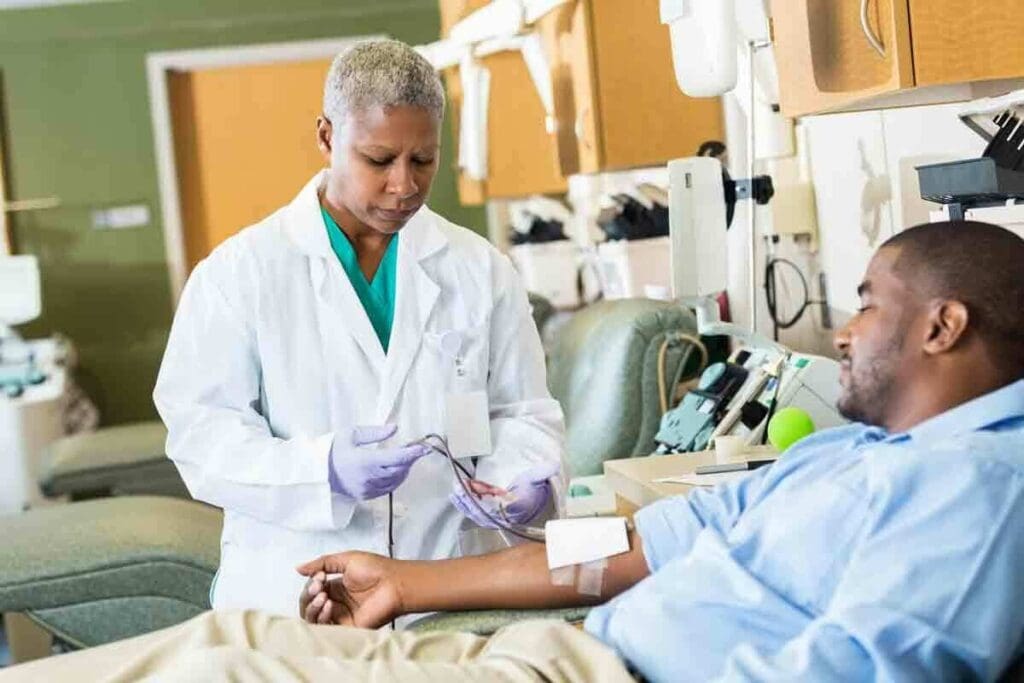
A CBC test is easy and involves taking blood from a vein in your arm. The blood goes to a lab for testing. The test looks at hemoglobin levels, red and white blood cells, and platelets.
Here’s how hemoglobin is measured in a CBC test:
- A healthcare professional draws a blood sample.
- The blood sample is sent to a laboratory.
- The sample is analyzed using automated equipment.
- The results, including hemoglobin levels, are reported in grams per deciliter (g/dL).
Understanding Hemoglobin Units (g/dL)
Hemoglobin is measured in grams per deciliter (g/dL). This unit shows how much hemoglobin is in a certain amount of blood. Knowing these units is important for understanding test results.
Men and women have different normal hemoglobin levels. For adult men, it’s 14 to 18 g/dL. For women, it’s 12 to 16 g/dL.
What Is a Normal Hemoglobin Rate in Test Results
A normal hemoglobin rate means your levels are where they should be for your age and sex. This shows your red blood cells are healthy and your body is getting enough oxygen.
Here’s a table showing normal hemoglobin ranges and what they mean:
| Demographic | Normal Hemoglobin Range (g/dL) |
| Adult Men | 14 – 18 |
| Adult Women | 12 – 16 |
Knowing these ranges is important for both doctors and patients. It helps in making smart health choices and deciding on further tests or treatments.
Low Hemoglobin Levels: Causes and Implications
It’s important to know why low hemoglobin levels happen and what they mean for our health. Hemoglobin helps carry oxygen to our body’s tissues and organs. If hemoglobin levels fall, it can cause health problems. So, finding out what causes low hemoglobin is key.
Defining Anemia and Its Types
Low hemoglobin often means you have anemia. Anemia is when you have fewer red blood cells or less hemoglobin. It can be caused by not getting enough nutrients, chronic diseases, or genetic issues. There are different types of anemia, like iron-deficiency anemia and vitamin deficiency anemia.
Iron-deficiency anemia happens when you don’t have enough iron. Vitamin deficiency anemia is when you lack vitamins like B12 or folate. Anemia of chronic disease is linked to long-term illnesses like cancer or HIV/AIDS.
When Hemoglobin 12 g/dL Is a Concern
A hemoglobin level of 12 g/dL is normal for women but low for men. Men should have levels between 14-18 g/dL. If a man’s level is 12 g/dL, it might mean he has a health issue. Always talk to a doctor if your hemoglobin is below what’s normal for you.
Common Causes of Low Hemoglobin
Low hemoglobin can come from many things, including:
- Nutritional deficiencies, such as a lack of iron, vitamin B12, or folate
- Chronic diseases, such as cancer or HIV/AIDS
- Blood loss due to injury, surgery, or menstrual bleeding
- Genetic disorders, such as sickle cell anemia or thalassemia
| Causes of Low Hemoglobin | Description |
| Nutritional Deficiencies | Lack of essential nutrients like iron, vitamin B12, or folate |
| Chronic Diseases | Conditions like cancer, HIV/AIDS, or rheumatoid arthritis |
| Blood Loss | Due to injury, surgery, or menstrual bleeding |
| Genetic Disorders | Sickle cell anemia or thalassemia |
High Hemoglobin Levels: When to Be Concerned
It’s important to know what high hemoglobin levels mean for your health. Hemoglobin carries oxygen in the blood. But high levels might show there’s a health problem.
Understanding Elevated Hemoglobin
Many things can cause high hemoglobin levels. Dehydration, high altitudes, or health issues are some examples. People living at high altitudes might have more hemoglobin because their bodies adapt to less oxygen.
For men, a hemoglobin level of 16 g/dL is normal. But for women, it’s considered high. This shows why it’s key to look at normal ranges based on gender when checking test results.
Interpreting Hemoglobin 16 g/dL Results
A hemoglobin level of 16 g/dL might be normal or a bit high, depending on who you are. It’s important to think about your age, sex, and health when understanding these results..
Conditions Associated with High Hemoglobin
High hemoglobin levels can point to health issues like polycythemia vera, a rare blood disorder. COPD or heart failure can also cause high hemoglobin as the body tries to get more oxygen.
| Condition | Description | Effect on Hemoglobin |
| Polycythemia Vera | A rare blood disorder causing overproduction of red blood cells | Increases hemoglobin levels |
| COPD | Chronic obstructive pulmonary disease affects lung function | Can lead to elevated hemoglobin as a compensatory mechanism |
| Heart Failure | A condition where the heart is unable to pump enough blood | May result in higher hemoglobin levels due to decreased oxygenation |
A medical expert says, “High hemoglobin levels can mean there’s a health issue that needs attention. It’s important to talk to a doctor for the right diagnosis and treatment.”
“The body’s ability to adapt to different conditions is remarkable, but it’s equally important to understand when these adaptations might signal a health issue.”
In summary, high hemoglobin levels can be a sign of a health problem. Knowing what causes them helps manage health better. If you have high hemoglobin, it’s wise to see a doctor for advice and treatment.
The Relationship Between Hemoglobin & Hematocrit
It’s key to know how hemoglobin and hematocrit relate to each other. They are two important measures that show how well our blood carries oxygen and our red blood cell health.
Normal Hct for Males
The normal hematocrit (Hct) for men is between 40-54%. This shows the amount of red blood cells in the blood. It’s vital because it helps spot problems with red blood cells.
Normal Haemoglobin Level Female and Hematocrit
Women’s normal hematocrit range is 36-48%. When checking hemoglobin in women, it’s important to look at both values. The normal hemoglobin level for women is 12-16 g/dL. These numbers together give a full view of a woman’s red blood cell health.
How These Values Complement Each Other
Hemoglobin shows the amount of hemoglobin in the blood. Hematocrit shows the red blood cell proportion. By looking at both, doctors can spot issues like anemia or polycythemia. For example, low hemoglobin and hematocrit might mean anemia, while high levels could mean polycythemia.
We use both hemoglobin and hematocrit to make accurate diagnoses and track treatment success. These measures help us understand health problems related to red blood cells.
Red Blood Cells and Their Hemoglobin Content
It’s important to know how red blood cells carry oxygen around the body. These cells, or erythrocytes, are key in moving oxygen from the lungs to our tissues.
How Many Hb in RBC
Each red blood cell has about 250 million hemoglobin molecules. Hemoglobin is a protein that carries oxygen. It’s made of four parts, each with a heme group that holds oxygen.
Factors Affecting Hemoglobin Concentration in RBCs
Many things can change how much hemoglobin is in red blood cells. These include:
- Nutritional deficiencies, such as a lack of iron, vitamin B12, or folate
- Chronic diseases that affect how red blood cells are made
- Genetic disorders that change how hemoglobin is made or works
These factors can change how well the body can carry oxygen.
The Relationship Between RBC Count and Hemoglobin Levels
The number of red blood cells and their hemoglobin matter a lot. They help decide how much oxygen gets to our tissues and organs.
| Parameter | Normal Value | Significance | |
| RBC Count | Male: 4.32-5.72 million cells/μL | Female: 3.90-5.03 million cells/μL | Shows how many red blood cells there are |
| Hemoglobin (Hb) | Male: 13.5-17.5 g/dL | Female: 12-16 g/dL | Tells us how much hemoglobin is in the blood |
| Hematocrit (Hct) | Male: 40-54% | Female: 36-48% | Shows what part of the blood is red blood cells |
Knowing these values and how they relate to each other is key. It helps doctors diagnose and treat problems with red blood cells and hemoglobin.
Normal Hemoglobin Levels in Blood: Context Matters
Hemoglobin levels vary a lot. They depend on age, where you live, and how high you are above sea level. We’ll look at how these factors affect what’s considered normal.
Variations by Age
Hemoglobin levels change as we grow. Babies have more hemoglobin at birth, but it goes down as they get older. Adults have different ranges than kids and the elderly.
For example, men usually have 14-18 g/dL of hemoglobin, while women have 12-16 g/dL. Knowing these changes is key to the right diagnosis and treatment.
Variations by Geographic Location and Altitude
Where you live and how high you are also matter. People at high altitudes often have more hemoglobin. This helps their bodies get enough oxygen.
At sea level, people usually have less hemoglobin. It’s important to know these differences to diagnose and treat hemoglobin-related issues.
What Is a Good Level of Hemoglobin in Different Scenarios
A good hemoglobin level depends on the situation. Athletes or those at high altitudes might need more hemoglobin. But for someone with a condition affecting oxygen, less might be okay.
Other health issues also play a part. For example, someone with lung disease might need lower hemoglobin levels. This is because their body have adapted to less oxygen.
In summary, understanding hemoglobin levels is complex. It involves considering age, location, altitude, and health status. This way, doctors can give better care tailored to each person.
Maintaining Healthy Hemoglobin Levels
Keeping hemoglobin levels in check is key to staying healthy. Hemoglobin is a protein in red blood cells that carries oxygen. It’s vital for preventing anemia and ensuring tissues get enough oxygen.
Dietary Considerations for Optimal Hemoglobin
Diet is important for healthy hemoglobin levels. Iron-rich foods are a must because iron is in hemoglobin. Foods like red meat, spinach, beans, and fortified cereals are good sources.
Vitamin C also helps by making iron absorption better. Eating foods high in vitamin C, like citrus fruits and tomatoes, with iron-rich foods boosts hemoglobin.
Other nutrients like folate and vitamin B12 are also important. Folate is in leafy greens and legumes, while vitamin B12 is in animal products. Getting enough of these through diet or supplements helps keep hemoglobin levels right.
| Nutrient | Food Sources | Role in Hemoglobin Production |
| Iron | Red meat, spinach, beans, fortified cereals | Essential component of hemoglobin |
| Vitamin C | Citrus fruits, bell peppers, and tomatoes | Enhances iron absorption |
| Folate | Leafy greens, legumes, citrus fruits | Supports red blood cell production |
| Vitamin B12 | Meat, fish, dairy products | Crucial for red blood cell formation |
Lifestyle Factors Affecting Hemoglobin
Our lifestyle choices can affect hemoglobin levels. Smoking can make it harder for hemoglobin to carry oxygen. On the other hand, regular exercise can improve circulation and oxygen delivery. Also, not drinking too much alcohol is important for hemoglobin production.
Supplements and Medications
Sometimes, just diet isn’t enough to keep hemoglobin levels healthy. Iron supplements are often given for iron deficiency anemia. Vitamin supplements like folate and vitamin B12 may also be suggested. Always talk to a doctor before starting any supplements.
For those with health issues affecting hemoglobin, certain medications might be needed. For example, erythropoietin-stimulating agents can help increase red blood cells in chronic kidney disease patients.
Conclusion: The Importance of Monitoring Hemoglobin for Overall Health
Checking hemoglobin levels is key to good health. Hemoglobin carries oxygen around the body. If levels are off, it can mean health problems.
Regular checks can spot issues like anemia early. This helps avoid serious problems later on.
Knowing what’s normal for hemoglobin and what affects it helps keep you healthy. You can change your diet, lifestyle, or use supplements if needed. Always talk to a doctor about your hemoglobin levels and what they mean for you.
Keeping an eye on hemoglobin is a simple but powerful way to stay healthy. Working with doctors can help keep your levels right. This supports your body and improves your life quality.
FAQ:
What is the normal range of hemoglobin?
Hemoglobin levels vary by age and gender. Adult men usually have 14-18 g/dL. Women have 12-16 g/dL.
What is a good level of hemoglobin?
A good hemoglobin level is within the normal range for your age and gender. For adults, men should have 14-18 g/dL. Women should have 12-16 g/dL.
What does it mean if my hemoglobin level is 12 g/dL?
A hemoglobin level of 12 g/dL is low for men but normal for women. It might show mild anemia or other health issues.
How is hemoglobin measured?
Hemoglobin is measured through a Complete Blood Count (CBC) test. This is a routine blood test that shows your blood’s different components, including hemoglobin levels.
What are the units used to measure hemoglobin?
Hemoglobin is measured in grams per deciliter (g/dL).
What is the relationship between hemoglobin and hematocrit?
Hemoglobin and hematocrit are related but different. Hemoglobin shows the amount of hemoglobin in your blood. Hematocrit shows the red blood cell proportion in your blood. Both are key for checking red blood cell health.
How many hemoglobin molecules are in a red blood cell?
Each red blood cell has about 250 million hemoglobin molecules.
Can lifestyle factors affect my hemoglobin levels?
Yes, lifestyle factors like diet, smoking, and altitude can change your hemoglobin levels. Eating foods rich in iron, vitamin B12, and folate can help keep your hemoglobin healthy.
What is considered a normal hematocrit for males and females?
For males, a normal hematocrit is 40-54%. For females, it’s 36-48%.
How do I maintain healthy hemoglobin levels?
To keep your hemoglobin healthy, eat a balanced diet and live a healthy lifestyle. You might also need supplements or medications. Regular check-ups with your healthcare provider are important for monitoring your hemoglobin levels.
References:
- El Brihi, J., & Al-Hameed, F. (2024). Normal and Abnormal Complete Blood Count With Differential. StatPearls. https://www.ncbi.nlm.nih.gov/books/NBK604207/
- Billett, H. H. (1990). Hemoglobin and Hematocrit. Clinical Methods: The History, Physical, and Laboratory Examinations. https://www.ncbi.nlm.nih.gov/books/NBK259/