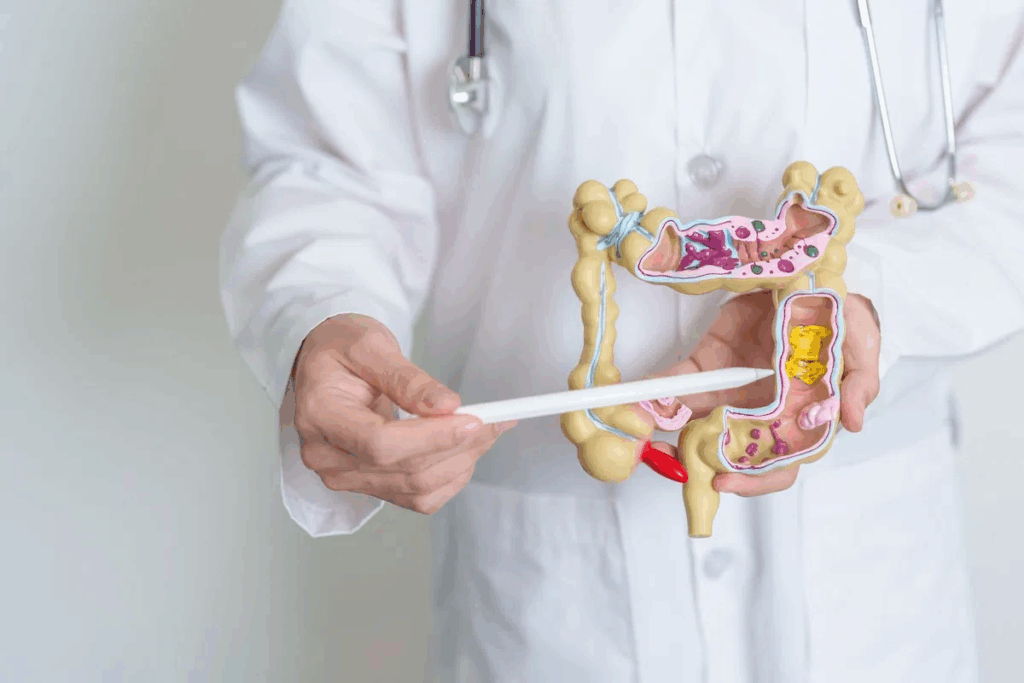
The rectum is the last part of the large intestine. It’s where waste is stored before it leaves the body. It’s key for getting rid of waste efficiently.what is a rectumDefinition of a Laparotomy Explained
Knowing what the rectum definition is helps us understand its role in digestion. The rectum is the part of the digestive system right before the anus. It holds stool until it’s time to leave the body.
It’s important to know about the rectum to keep it healthy. Its proper work is vital for our overall health.
Key Takeaways
- The rectum is the final portion of the large intestine.
- It serves as a storage chamber for stool before elimination.
- Understanding the rectum’s function is vital for maintaining rectal health.
- The rectum plays a critical role in the digestive system.
- Proper functioning of the rectum is essential for overall well-being.
The Definition and Etymology of the Rectum
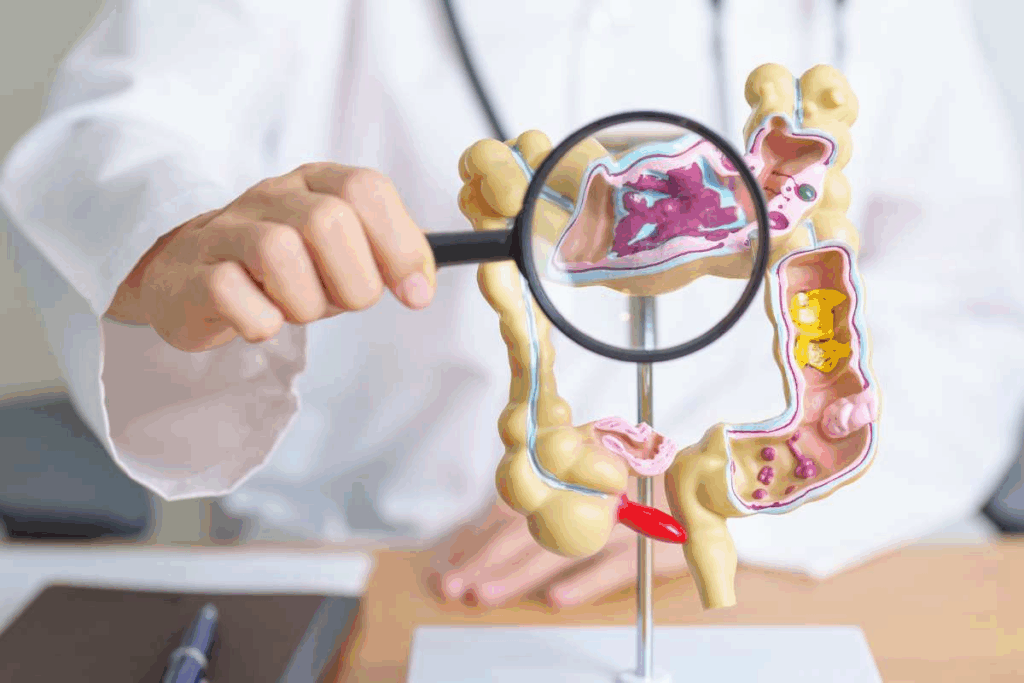
The rectum is a key part of our digestive system. It has a long history and a clear medical meaning. It’s the last part of the large intestine, important for storing and getting rid of waste. To grasp the rectum, we need to look at its origins and medical role.
Origin of the Term “Rectum” in Latin
The word “rectum” comes from the Latin for “straight intestine.” This name comes from ancient descriptions of the rectum as a straight part of the large intestine. The Latin origin shows how old anatomical terms were based on what they looked like.
Medical Definition in Modern Anatomy
Today, the rectum is seen as the last part of the large intestine. It goes from the sigmoid colon to the anus. It holds waste until it’s time to leave the body. The medical definition talks about its place and how it works in digestion. Knowing this helps us understand health issues and treatments related to the rectum.
By learning about the rectum’s history and medical role, we see its importance in our bodies and health.
What Is a Rectum: Detailed Anatomical Overview

Knowing about the rectum’s anatomy helps us understand its role and health issues. It’s the last part of the large intestine. Here, feces wait to be pushed out.
Precise Location in the Digestive Tract
The rectum starts at the S3 vertebrae, right after the sigmoid colon. It sits in the pelvis, near other important parts. The rectum’s spot is key for its job, holding feces temporarily.
Dimensions and Physical Characteristics
The rectum is about 12 to 15 centimeters long. Its size changes with the amount of feces inside. The rectal wall stretches to fit different amounts of waste.
Relationship to Adjacent Structures
The rectum is close to the bladder, prostate (in men), and vagina (in women).
“The rectum’s position in the pelvis makes it susceptible to various pathologies related to adjacent organs.”
Knowing these connections is key for diagnosing and treating rectal problems.
Structural Components of the Rectum
The rectum is a key part of our digestive system. It has a complex structure that helps it do its job. We’ll look at the layers of the rectal wall, the role of Houston’s valves, and how blood and lymph keep it alive.
Layers of the Rectal Wall
The rectal wall has five layers. The mucosa is the innermost, touching feces directly. It’s key for absorbing and protecting. Below it, the submucosa has lots of blood vessels and lymph, supporting the mucosa.
The muscularis propria makes the rectal wall move and push out feces. The outermost layer, either the adventitia or serosa, covers it and connects with other parts.
Houston’s Valves: Form and Function
The rectum has three bends called the valves of Houston. They’re made by submucosal folds. These valves are important for storing feces until they’re ready to go. They’re also felt during a digital rectal exam.
Blood and Lymphatic Supply
The rectum gets its blood from the superior, middle, and inferior rectal arteries. The superior rectal artery comes from the inferior mesenteric artery and supplies the top. The middle and inferior come from the internal iliac artery and cover the bottom.
The lymphatic system is vital for the rectum’s health. It drains into lymph nodes and then into the blood. Knowing about blood and lymph is key for treating rectal problems.
Primary Functions of the Rectum
The rectum is a key part of our body, playing many roles in our health. It holds feces temporarily, absorbs water and salts, and helps us control when we go to the bathroom.
Temporary Storage of Fecal Matter
The rectum holds waste until we’re ready to go. It stretches to fit different amounts of feces. This helps us go to the bathroom normally and avoid accidents.
Water and Electrolyte Absorption
The rectum also absorbs water and salts. It helps make the waste more concentrated. This is important for keeping our body hydrated and balanced.
Role in Continence and Defecation Control
The rectum helps us stay in control of our bowel movements. It has sensors that tell us when it’s time to go. The muscles around it help us hold it in or let it out.
In short, the rectum is vital for our digestive health. It helps us store waste, absorb fluids, and control our bowel movements. These roles are key to our overall well-being.
Neurological Control of Rectal Function
The rectum’s function is controlled by a complex system of neural pathways. These pathways help regulate its activities. The rectum gets signals from both sensory and autonomic nerves, which are key to its control.
Innervation Patterns of the Rectum
The rectum is connected to both the autonomic and somatic nervous systems. The autonomic system, with its sympathetic and parasympathetic parts, handles involuntary actions like muscle contraction and relaxation. The somatic system, on the other hand, gives us voluntary control over the external anal sphincter.
Sympathetic innervation comes from the lumbar spinal cord. Parasympathetic innervation comes from the sacral spinal cord. Together, they manage the rectum’s function, including storing and expelling feces.
Sensory Receptors and Pressure Detection
The rectum has sensory receptors that detect changes in pressure and distension. These receptors are vital for starting the defecation reflex. When the rectum gets full, these receptors send signals to the spinal cord and brain, signaling the need to defecate.
The feeling of rectal fullness comes from stretch receptors and tension receptors. These receptors are sensitive to how full the rectum is. Their activation starts the defecation reflex.
The Defecation Reflex Pathway
The defecation reflex starts when the rectum gets full. This reflex involves the rectal wall, spinal cord, and brain. When the rectum is full enough, the reflex is triggered. This leads to the relaxation of the internal anal sphincter and the contraction of the rectal muscles, helping to expel feces.
Brain
Component | Function |
Rectal Wall | Distension and contraction |
Spinal Cord | Reflex coordination |
Voluntary control |
The defecation reflex pathway is essential for the rectum’s proper function. Any issues with this pathway can cause various rectal problems.
Common Rectal Health Conditions and Disorders
It’s important to know about common rectal health issues. This helps catch problems early and treat them well. We’ll look at these issues, why they happen, their signs, and how to fix them.
Inflammatory Conditions
Inflammatory conditions like proctitis can affect the rectum. They might be caused by infections or radiation. Symptoms include pain, bleeding, and diarrhea. Treatment aims to fix the cause and ease symptoms.
Structural Abnormalities
Structural problems can really hurt rectal health. Issues like hemorrhoids, rectal prolapse, and anal fissures are common. Hemorrhoids are swollen veins, while rectal prolapse makes the rectum bulge out. Anal fissures are small tears. Treatment depends on the problem and how bad it is.
Neoplastic Conditions
Neoplastic conditions are abnormal tissue growths. These can be benign or cancerous. Rectal polyps are usually not cancer but can become so. Rectal cancer is a serious issue where cancer cells grow in the rectum. Catching it early is key to treating it well.
Condition | Description | Symptoms | Treatment |
Proctitis | Inflammation of the rectum | Rectal pain, bleeding, diarrhea | Addressing underlying cause |
Hemorrhoids | Swollen veins in the rectum or anus | Pain, bleeding during bowel movements | Lifestyle changes, surgery |
Rectal Prolapse | Rectum protrudes through the anus | Visible prolapse, fecal incontinence | Surgery |
Anal Fissures | Tears in the skin around the anus | Pain during bowel movements | Topical treatments, surgery |
Rectal Polyps | Growths on the inner lining of the rectum | Often asymptomatic, possible bleeding | Removal during colonoscopy |
Rectal Cancer | Malignant cells in the rectal tissues | Bleeding, changes in bowel habits | Surgery, chemotherapy, radiation |
Knowing about these common rectal health issues helps people get help when they need it. This can make a big difference in how well they do.
Diagnostic Approaches to Rectal Health
Understanding rectal health requires different diagnostic methods. Healthcare providers use both traditional and modern techniques. This helps us accurately assess the rectum medical term and related issues.
Physical Examination Techniques
Physical exams are key in diagnosing rectal health problems. The digital rectal examination (DRE) is a main technique. It involves a healthcare provider manually checking the rectum for abnormalities.
This method gives important information about the rectal mucosa and any issues. It helps find masses or lesions.
Endoscopic Procedures
Endoscopic procedures give a closer look at the rectal interior. Anoscopy and colonoscopy are used to see the rectum and colon. A flexible or rigid scope is inserted into the rectum.
This allows for a detailed examination of the mucosal surface. It helps detect inflammation and collect biopsy samples if needed.
Advanced Imaging Techniques
Advanced imaging techniques are used for a detailed assessment. Magnetic Resonance Imaging (MRI) and Computed Tomography (CT) scans are key. They help evaluate the rectum and surrounding areas.
These imaging methods are great for staging rectal cancers. They help plan treatment by assessing the disease extent.
By using these diagnostic methods, we can accurately understand the rectum means in a patient’s health. This detailed assessment is vital for creating a treatment plan that meets the patient’s needs.
Maintaining Optimal Rectal Health
Knowing how to keep your rectum healthy is key to avoiding problems. We’ll look at important factors like diet, staying hydrated, exercising, and good bathroom habits.
Dietary Considerations and Fiber Intake
Eating foods high in fiber is vital for healthy bowel movements and avoiding constipation. Include fruits, veggies, whole grains, and legumes in your diet. Start by adding more fiber slowly to let your gut adjust.
Boosting fiber helps make stool softer and lowers the chance of hemorrhoids and other issues. Try to eat at least 25-30 grams of fiber each day.
Hydration and Exercise Benefits
Drinking enough water is key to avoiding constipation by making stool softer. Exercise also helps by making bowel movements easier and improving gut movement.
Regular exercise can cut down on rectal health problems. Try to do at least 30 minutes of moderate exercise every day.
Proper Bathroom Habits
Good bathroom habits are essential for rectal health. Don’t hold back bowel movements, avoid straining, and don’t spend too long on the toilet.
Creating a regular bowel routine helps keep bowel movements steady.
When to Consult Healthcare Providers
If you have ongoing rectal pain, bleeding, or bowel habit changes, see a doctor. Early treatment can greatly improve rectal health outcomes.
Conclusion
Knowing about the rectum and its role is key to good health. The rectum is a vital part of our digestive system. It helps us stay healthy by working right.
The rectum stores waste and helps absorb water and salts. It also helps us control when we go to the bathroom. This shows how important it is for our health.
Learning about the rectum helps us take care of it better. We can eat right and use the bathroom correctly. This way, we can keep our rectum healthy and avoid problems.
FAQ
What is the rectum and its function in the digestive system?
The rectum is the last part of the large intestine. It holds feces temporarily before they are passed out. It helps keep us continent and makes it easier to go to the bathroom.
What does the term “rectum” mean?
“Rectum” comes from Latin, meaning “straight.” Today, it means the end part of the large intestine.
Where is the rectum located in the human body?
The rectum is in the pelvis, between the sigmoid colon and the anal canal. It’s near the bladder, prostate, and vagina.
What are the primary functions of the rectum?
The main jobs of the rectum are to hold feces, absorb water and salts, and control going to the bathroom.
How is rectal function controlled neurologically?
The rectum’s work is managed by nerves, sensors, and a special reflex. This involves both the autonomic and somatic nervous systems.
What are some common rectal health conditions and disorders?
Common issues include inflammation, like proctitis, and problems like rectal prolapse. There’s also cancer.
How is rectal health assessed and diagnosed?
Doctors check rectal health with physical exams, endoscopy, and scans like MRI and CT.
What are some tips for maintaining optimal rectal health?
For good rectal health, eat enough fiber, drink water, exercise, and use the bathroom right.
What is the definition of rectum in medical terms?
In medical terms, the rectum is the last part of the large intestine. It goes from the sigmoid colon to the anal canal.
How does the rectum contribute to continence?
The rectum helps us stay continent by storing feces. It lets us feel when it’s full, making us want to go.
What is the role of the rectum in defecation control?
The rectum is key in controlling bowel movements. It works with the anal sphincters and pelvic muscles to let stool pass.
References:
National Center for Biotechnology Information. Rectum: Anatomy, Definition, and Function. Retrieved from https://www.ncbi.nlm.nih.gov/books/NBK537245/