
We often hear the term “active addiction,” but understanding its true meaning is key for those seeking help. Active addiction means someone is currently using substances compulsively or engaging in harmful behaviors. They can’t control their cravings and aren’t in recovery.
Recent research shows over 20 million people in the US have substance use disorders each year. This number shows how common living addiction is. It affects not just the person but also their loved ones and society.
At Liv Hospital, we know how important it is to understand what is active addiction to help our patients. Our approach is based on evidence and focuses on the patient. We aim to help individuals overcome addiction’s challenges.
Key Takeaways
- Active addiction involves compulsive substance use or harmful behaviors despite negative consequences.
- It affects millions of people worldwide, with over 20 million in the US alone meeting criteria for substance use disorders annually.
- Understanding active addiction is key for early intervention and effective care.
- Liv Hospital’s approach to treating addiction is evidence-based and patient-centered.
- Recovery is possible with the right support and treatment.
The Concept of Active Addiction
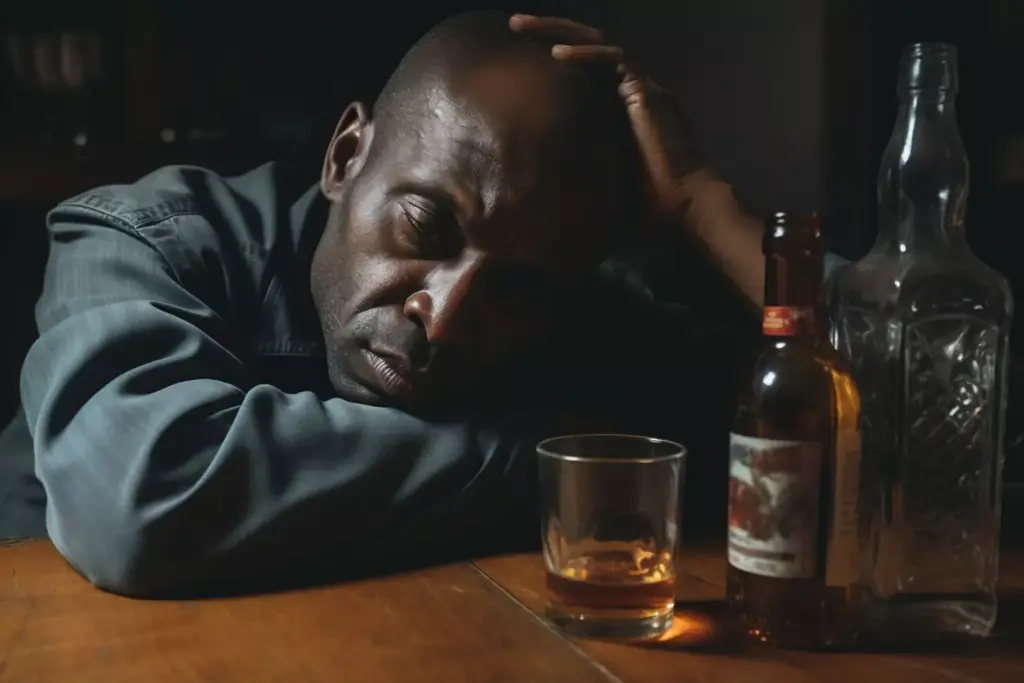
Understanding active addiction is complex. It’s about knowing the difference between using substances, abusing them, and being addicted. Active addiction means using substances even when it harms your health, social life, or leads to legal trouble.
The Distinction Between Use, Abuse, and Addiction
“Substance use,” “abuse,” and “addiction” are often mixed up. But they mean different things. Substance use is using substances sometimes or in small amounts without big problems. Substance abuse is using substances in a way that causes trouble, like not being able to function well or getting into legal issues. Addiction, or substance dependence, is needing to use substances a lot, even when it causes a lot of harm.
The move from using substances to abusing them and then to addiction is not the same for everyone. Things like your genes, your environment, and the substance you use can affect how you move through these stages.
The Compulsive Nature of Addictive Behaviors
Addictive behaviors are hard to stop. People feel a strong need to keep using substances, even when they want to stop or control their use. This need to keep using is often because they can’t control how much they use or keep using substances even when it’s bad for them.
The need to keep using substances is linked to changes in the brain. The brain’s reward system and stress response change as you use substances more. This change leads to dependence, a key sign of active addiction. Dependence makes people choose using substances over other important things in their lives.
Active Addiction Meaning: A State of Ongoing Substance Dependence
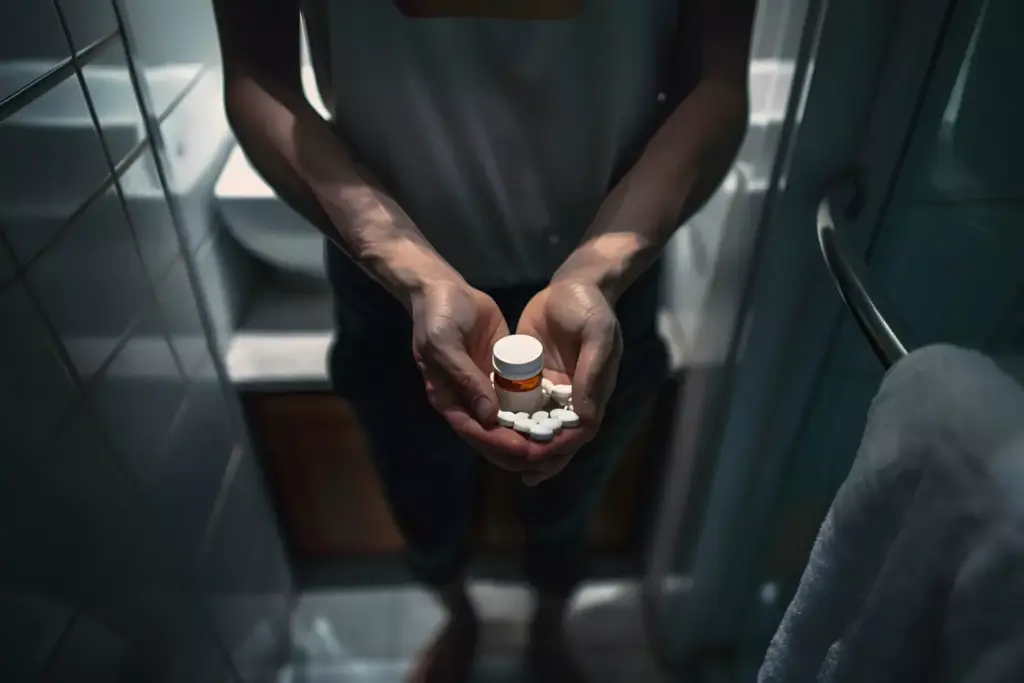
Active addiction means needing to use substances a lot, even when it hurts. It’s not just about not wanting to stop. It’s because of many factors like biology, mind, and environment.
When we talk about active addiction, it’s key to know that substance use disorder is a long-term issue. It needs a full treatment plan. The American Medical Association says, “Addiction is a treatable, chronic medical disease that involves complex interactions among brain circuits, genetics, the environment, and an individual’s life experiences.”
The Progression from Experimentation to Dependence
People often start with trying substances or using them socially. But for some, this can lead to needing them all the time.
Many things can push someone towards needing substances more. These include genes, mental health issues, and where they live. As they use more, their brain changes a lot. This leads to needing substances to feel normal.
The Loss of Control in Active Addiction
One big sign of active addiction is losing control over using substances. Even if someone wants to stop or use less, they can’t. This loss of control leads to doing things over and over, even when it’s bad.
Active addiction also makes people need more of the substance to feel good. When they stop or use less, they get withdrawal symptoms. This makes it hard to stop using.
It’s important to understand active addiction to help people get better. By seeing it as a long-term problem and knowing what causes it, we can help more people recover.
Clinical Definition and Diagnostic Criteria
Doctors use specific criteria to define and assess substance use disorders. This process involves understanding the clinical definition and applying standardized diagnostic criteria.
How Medical Professionals Define Substance Use Disorders
The Diagnostic and Statistical Manual of Mental Disorders (DSM-5) sets the criteria for diagnosing substance use disorders. It says a substance use disorder is a pattern of use that causes significant impairment or distress. The DSM-5 lists 11 diagnostic criteria in four categories: impaired control, social impairment, risky use, and pharmacological criteria.
To diagnose a substance use disorder, doctors check if these criteria are met. The number of criteria met shows the disorder’s severity: mild (2-3 criteria), moderate (4-5 criteria), or severe (6 or more criteria).
| Category | Diagnostic Criteria |
|---|---|
| Impaired Control | Using more substance than intended, unable to cut down or stop use |
| Social Impairment | Neglecting responsibilities, continued use despite social problems |
| Risky Use | Using substance in hazardous situations, continued use despite physical or psychological problems |
| Pharmacological Criteria | Tolerance, withdrawal symptoms |
The Spectrum of Addiction Severity
The DSM-5 sees substance use disorders as a spectrum of severity. This spectrum shows the range of symptoms and impairment levels. It’s key for tailoring treatment to each person’s needs.
Accurate diagnosis and understanding of substance use disorder severity help doctors create effective treatment plans. These plans are made to meet each person’s unique needs, helping them recover.
The Prevalence of Active Addiction in the United States
Recent studies show a worrying trend of active addiction in the US. It affects not just people but also communities and the economy. Knowing how widespread and impactful active addiction is is key to solving this problem.
Current Statistics and Demographic Patterns
Active addiction is a big issue in the US, with over 20 million people struggling with it each year. It hits different groups in different ways, based on age, gender, and where they live.
Demographic Patterns: Substance use disorders touch many people. But, some groups face higher risks. This includes young adults, both men and women, and people from all walks of life.
- Age: Young adults are hit hard by substance use disorders.
- Gender: Both men and women struggle, with different rates.
- Socioeconomic Status: People from all backgrounds are affected.
| Demographic | Prevalence of Substance Use Disorders |
|---|---|
| Young Adults (18-25) | Higher prevalence due to factors like peer influence and risk-taking behaviors. |
| Adults (26-49) | Significant prevalence, often related to chronic use and dependency. |
| Older Adults (50+) | Lower prevalence, but often complicated by co-occurring health issues. |
Economic and Social Cost to Society
Active addiction costs a lot in terms of healthcare, lost productivity, and more. These costs add up and affect society as a whole.
Economic Costs: The financial toll includes healthcare costs and lost productivity. It also includes criminal justice expenses.
The annual cost of substance use disorders in the US is estimated to be in the hundreds of billions of dollars. This includes healthcare, lost productivity, and other societal impacts.
To tackle active addiction, we need a broad approach. This includes prevention, treatment, and support for those affected. By understanding its scope and impact, we can create better solutions for individuals and society.
Behavioral Indicators of Active Addiction
Active addiction shows itself in many ways, like changes in daily life and secrets in relationships. We’ll look at these signs to see how addiction impacts someone’s life and how they interact with others.
Changes in Priorities and Daily Routines
One big sign of active addiction is when someone’s priorities and daily life change. As addiction grows, getting and using the substance becomes the main goal. This often means ignoring other important things and activities.
This shift can cause someone to have irregular schedules, ignore personal care, and do worse at work or school. For example, they might miss work or school to get or use substances. This can hurt their job or school performance.
- Neglecting responsibilities and hobbies
- Erratic schedules and lack of routine
- Prioritizing substance use over personal and professional obligations
At first, these changes might seem small. But as addiction gets worse, they become more obvious. Spotting these signs early is key to tackling the problem before it gets worse.
Secretive Behaviors and Relationship Deception
People with active addiction often hide things and lie to those close to them. They might not tell the truth about where they are, hide their substance use, or downplay how bad their addiction is.
Studies show that those with active addiction often hide things and lie in their relationships. This can hurt their relationships with family and friends. Trust is broken, and talking becomes hard.
| Behavioral Indicator | Description | Impact on Relationships |
|---|---|---|
| Secretive Behavior | Hiding substance use or related activities | Erodes trust and creates suspicion |
| Deception | Lying about substance use or activities | Damages credibility and intimacy |
| Isolation | Withdrawing from social interactions | Reduces support networks and increases feelings of loneliness |
Knowing these signs is important for spotting active addiction and starting recovery. By recognizing these signs and acting on them, we can help those fighting addiction.
Physical Signs and Health Consequences
Substance use disorders show clear physical signs and can harm health long-term. Active addiction affects many parts of the body and overall health.
Substance-Specific Physical Symptoms
Different drugs cause different physical symptoms. For example, opioids can make constricted pupils and drowsiness happen. Cocaine, on the other hand, can raise heart rate and blood pressure.
Alcohol can damage the liver and cause heart problems. Methamphetamine use often leads to bad teeth, known as “meth mouth,” and skin sores. Spotting these signs early can help treat addiction sooner.
Long-term Health Impacts
Long-term addiction can cause serious health problems. It can lead to heart disease, breathing issues, and brain damage. For example, long-term opioid use can cause low hormone levels.
Substance use disorders also raise the risk of getting HIV and hepatitis, mainly in those who inject drugs. It can also cause poor nutrition and weak immune systems, making people more likely to get sick.
Knowing the physical signs and health effects of addiction is key to helping people. Healthcare workers can create better treatment plans by understanding these issues.
How Active Addiction Disrupts Daily Functioning
Active addiction makes it hard for people to live their daily lives normally. It affects many parts of their routine and duties.
Impact on Work and Educational Performance
Work or school performance often suffers first. People with addiction might work less, miss more days, and do worse in their jobs or studies. This can even lead to losing a job or failing school.
Studies show addiction can cause big problems at work or school. For example, someone might miss deadlines, make bad choices, or act out. This can hurt their career or grades.
Deterioration of Self-Care and Basic Responsibilities
Addiction also hurts self-care and basic duties. Personal hygiene, eating well, and health get worse as the person focuses on the substance.
Ignoring important tasks, like paying bills or keeping a clean home, adds more stress. This can make life even harder.
Financial Instability and Resource Depletion
Money problems are another big issue with addiction. Spending a lot on the substance can drain savings and lead to financial trouble.
| Financial Impact | Short-term Effects | Long-term Effects |
|---|---|---|
| Cost of Substance | Reduced savings | Bankruptcy |
| Loss of Income | Reduced work hours | Job loss |
| Legal Issues | Fines and legal fees | Criminal record |
The table shows how addiction can hurt finances. It affects not just money but also overall health.
In summary, addiction messes up daily life in many ways. It affects work, school, self-care, and money. Knowing these effects helps us find better ways to help and treat addiction.
The Psychological Dimension of Living with Addiction
Addiction’s psychological side is complex, with many mental health challenges and ways to cope. It can deeply affect a person’s mental health, causing various issues.
Co-occurring Mental Health Conditions
People with addiction often face mental health problems too. Studies show that addiction often goes hand in hand with depression, anxiety, and bipolar disorder. This makes treatment harder because both issues need to be tackled at once.
We know treating both conditions together is key. This approach includes both mental health support and substance abuse treatment. It helps improve outcomes for those fighting addiction.
Cognitive Distortions and Defense Mechanisms
People with addiction often use denial, downplaying, and making excuses for their substance use. They might also blame others or shift the blame to avoid facing their addiction. These tactics make recovery harder.
It’s important to understand these thinking patterns and defense mechanisms. This way, we can help individuals see their distorted thinking. It makes recovery more likely.
The Cycle of Shame and Continued Use
The cycle of shame and addiction is hard to break. Shame comes from addiction stigma and negative use effects. This shame can lead to more substance use, keeping the cycle going.
To break this cycle, we need a mix of education, support, and therapy. By tackling the root issues and providing support, we can help people overcome addiction shame. This paves the way for recovery.
Understanding addiction’s psychological side helps us create better treatments. These strategies address the complex needs of those struggling with addiction.
Active Addiction’s Impact on Family Systems
When a family member struggles with active addiction, it brings many challenges. It affects their daily life and long-term health. Addiction doesn’t just harm the person using substances; it impacts the whole family.
It changes how they relate to each other, their financial situation, and their emotional health.
The Development of Enabling Behaviors
Family members might unintentionally help the addiction by giving money, making excuses, or hiding the substance use. Enabling behaviors come from wanting to help but end up making the addiction worse.
Codependency and Relationship Dysfunction
Codependency is common in families with addiction. It means family members rely too much on the person with addiction, hurting their own health. This can damage relationship dysfunction, making it hard to communicate and set boundaries.
Trauma and Stress for Family Members
Family members of those with addiction often face trauma and stress. The unpredictable nature of addiction makes home life stressful. This stress can harm their mental and physical health.
Studies show that living with someone who uses substances can lead to anxiety, depression, and other mental health problems.
Recognizing Active Addiction in Loved Ones
It’s hard to spot active addiction in those we care about, but catching it early is key. Spotting the signs is vital for support and treatment. It helps them get the help they need.
Early Warning Signs Across Different Substances
The signs of addiction vary by substance. For example, opioid users might seem drowsy or confused. Those hooked on stimulants like cocaine might act jittery or paranoid.
Look out for changes in behavior, mood swings, and avoiding friends. Also, watch for physical signs like appetite or sleep changes. These can signal addiction.
Approaching Conversations About Substance Use
Talking about substance use can be tough, but it’s essential. Pick a private, quiet spot for the chat. Be sure to express concern without blaming.
Use “I” statements to share feelings. For instance, say “I’ve noticed changes in your behavior that worry me.” This approach is more open to listening. It helps avoid defensiveness.
By spotting addiction signs and talking with care, we can help our loved ones recover. It’s a big step towards their healing.
The Journey from Active Addiction to Recovery
Starting the journey from active addiction to recovery is a big step. It needs a plan that covers both the body and mind. This approach helps tackle addiction’s physical and mental sides.
Acknowledging the Problem
The first step is to admit we have a problem. We must see the signs of addiction and how it affects our lives. It’s time to face the truth and know we need to change.
Admitting our addiction is hard. It means facing our denial and the walls we’ve built around our habits. This step is tough but necessary.
Treatment Options and Approaches
After admitting our addiction, we can look for treatment. There are many ways to recover, like using medicine or talking therapies. The right choice depends on our needs and how bad our addiction is.
Studies show there are many ways to get help. Medicine can help with withdrawal and cravings. Therapies can tackle the reasons behind our addiction.
| Treatment Approach | Description | Benefits |
|---|---|---|
| Medication-Assisted Treatment | Uses medications to manage withdrawal symptoms and cravings. | Reduces withdrawal symptoms, decreases cravings. |
| Behavioral Therapies | Addresses the psychological aspects of addiction through counseling. | Helps individuals understand and change their addictive behaviors. |
| Support Groups | Provides a community of peers who are going through similar experiences. | Offers emotional support, accountability, and a sense of community. |
Building a Foundation for Sustained Recovery
To keep recovering, we need to build good habits. This means exercising, practicing mindfulness, and doing things that make us happy. It’s also key to have a support group of family, friends, and peers.
By facing our addiction, finding the right treatment, and building a strong recovery base, we can overcome addiction. This path is unique for each person. It’s important to be kind and patient with ourselves as we strive for a life free from addiction.
Conclusion: Understanding the Path Through Addiction
Understanding active addiction is key to helping and treating it. This article has covered its complexities, from what it is to how it affects people and families.
Studies show that knowing about addiction is vital for good treatment. By spotting its signs, we can help those struggling and lead them to recovery.
Understanding addiction’s path needs a complete approach. We must see its many sides, tackle both physical and mental issues, and support those affected.
By supporting those with addiction, we help them find recovery. Our aim is to create a healing space. This way, people can regain their lives and find happiness.
What is active addiction?
Active addiction is when someone can’t stop using substances, even when it hurts them. They keep using, even when it’s bad for their health and life.
What is the difference between substance use, abuse, and addiction?
Using substances sometimes is okay. But abusing them means using too much or in harmful ways. Addiction is when you can’t stop using, even if it’s bad for you.
How does active addiction impact daily life?
Addiction can mess up your daily life. It can hurt your job, school, and personal care. It also leads to money problems and losing important things.
What are the physical signs and health consequences of active addiction?
Addiction can cause physical problems like changes in appetite or sleep. It can also lead to serious health issues and mental problems over time.
How can I recognize active addiction in loved ones?
Look for signs like changes in their priorities and secrets. They might also lie about their actions. Talking to them with care and concern can help.
What is the journey from active addiction to recovery like?
Getting better from addiction starts with admitting the problem. Then, you seek help and make changes. This includes therapy, support groups, and changing your lifestyle.
What treatment options are available for substance use disorders?
There are many ways to treat addiction. This includes medicines, therapy, and support groups. Each plan is made just for the person.
How does active addiction affect family systems?
Addiction can hurt family relationships. It can lead to enabling and codependency. Family members also face trauma and stress, showing the need for support and education.
What is the prevalence of active addiction in the United States?
Addiction is a big problem in the U.S. Millions of people struggle with it. It costs a lot to society in terms of money and health.
What are the psychological dimensions of living with addiction?
Addiction can bring mental health issues and distortions in thinking. It also leads to shame and more use. This shows why treating it fully is important.
References
- National Institute on Drug Abuse (NIDA). (n.d.). Treatment and Recovery. Retrieved from https://nida.nih.gov/publications/drugs-brains-behavior-science-addiction/treatment-recovery
- Duke University School of Medicine. (n.d.). The sure signs of addiction: It’s more than just a feeling. Retrieved from https://medschool.duke.edu/stories/sure-signs-addiction-its-more-just-feeling
- The Arts Group. (n.d.). What Is Active Addiction?. Retrieved from https://thearts.group/what-is-active-addiction/