We focus on aesthetic dermatology, which aims to improve beauty and health. An aesthetic dermatologist is key in making patients look better while keeping their skin healthy.
What is aesthetics in dermatology? Unlock brilliant skin secrets and learn how professional aesthetic treatments can transform your look today.
Recent data shows a 5% increase in cosmetic procedures from 2022 to 2023. There’s a big jump in demand for simple treatments like neuromodulator injections and dermal fillers. This is based on a study on cosmetic surgery trends.
As more people want cosmetic procedures, knowing what an aesthetic dermatologist does is vital. We’ll look into their duties, education, and the latest in dermatology aesthetics.
Key Takeaways
- Aesthetic dermatologists specialize in cosmetic procedures and skin care.
- There was a 5% increase in cosmetic procedures from 2022 to 2023.
- Minimally invasive procedures are increasingly popular.
- Aesthetic dermatologists focus on improving appearance while keeping skin healthy.
- The demand for dermatology aesthetics is on the rise.
Understanding What is Aesthetics in Dermatology
Aesthetic dermatology is a field that blends medical skills with cosmetic treatments. It aims to improve skin health and look. It’s a part of dermatology that deals with skin issues, facial renewal, and beauty concerns.
To grasp aesthetic dermatology, knowing its scope and differences with medical dermatology is key. Aesthetic dermatology includes treatments like neuromodulators, fillers, lasers, and peels. These are all about making skin look better.
The Definition and Scope of Aesthetic Dermatology
Aesthetic dermatology treats skin, hair, and nail issues for beauty. It uses many treatments to make skin look and feel better. It covers everything from simple procedures to more complex ones like laser treatments.
Some main areas in aesthetic dermatology are:
- Facial rejuvenation
- Improving skin texture
- Scar treatment
- Pigmentation correction
- Body contouring
Research shows the value of understanding patient and doctor views on aesthetic treatments. This ensures care is both effective and focused on the patient.
How Aesthetic Dermatology Differs from Medical Dermatology
Medical dermatology deals with skin diseases and conditions. Aesthetic dermatology focuses on cosmetic improvements. Medical dermatologists treat issues like acne and skin cancers with medications. Aesthetic dermatologists aim to enhance appearance, like reducing aging signs.
The main differences are in goals and methods. Aesthetic dermatology is about looks, while medical dermatology is about health. This is important for patients choosing aesthetic treatments.
Knowing these differences helps patients make better choices. Dermatologists can offer care that improves both health and looks by combining medical and aesthetic knowledge.
The Role of an Aesthetic Dermatologist
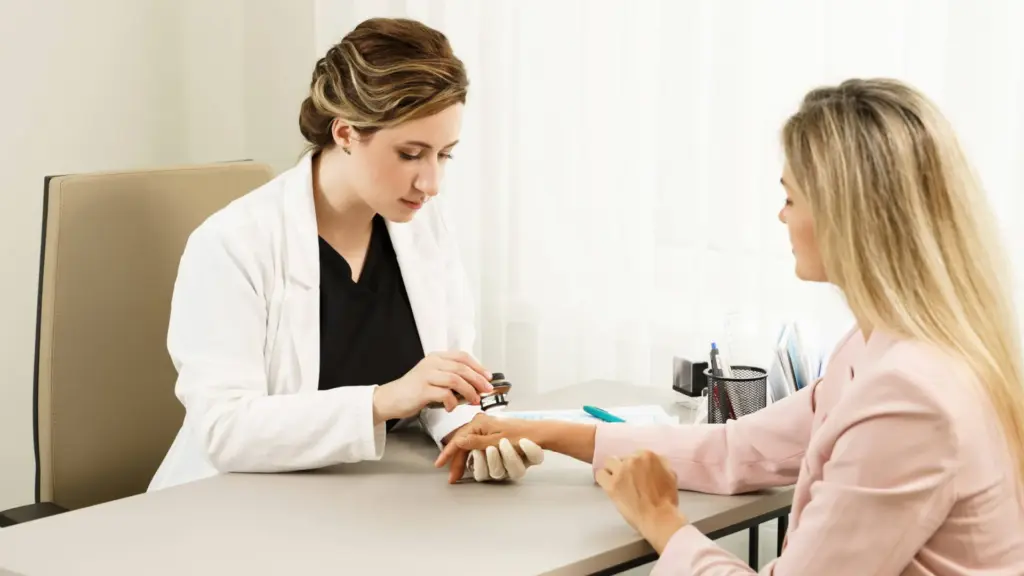
An aesthetic dermatologist is key in making patients look and feel better. They are experts in both skin health and beauty. They offer care that covers both medical and cosmetic needs.
Primary Responsibilities and Areas of Focus
Aesthetic dermatologists do many important things. They diagnose and treat skin issues, do cosmetic procedures, and give advice on skin care. They focus on:
- Administering neuromodulator injections (e.g., Botox, Dysport) to reduce facial wrinkles
- Using dermal fillers to enhance facial features and restore lost volume
- Performing laser and light-based treatments for skin rejuvenation and hair removal
- Conducting chemical peels and microdermabrasion to improve skin texture and appearance
They help patients look their best while keeping their skin healthy.
The Balance Between Cosmetic Enhancement and Skin Health
Aesthetic dermatologists face a big challenge. They must balance making patients look good with keeping their skin healthy. They do this by:
- Doing detailed skin analyses to spot problems
- Choosing treatments that fix looks and health
- Watching how treatments work to keep skin safe
They see patients as a whole, not just their skin. An aesthetic doctor is a mix of a dermatologist and a beauty expert. They give care that boosts both health and beauty.
Educational Background and Training Requirements
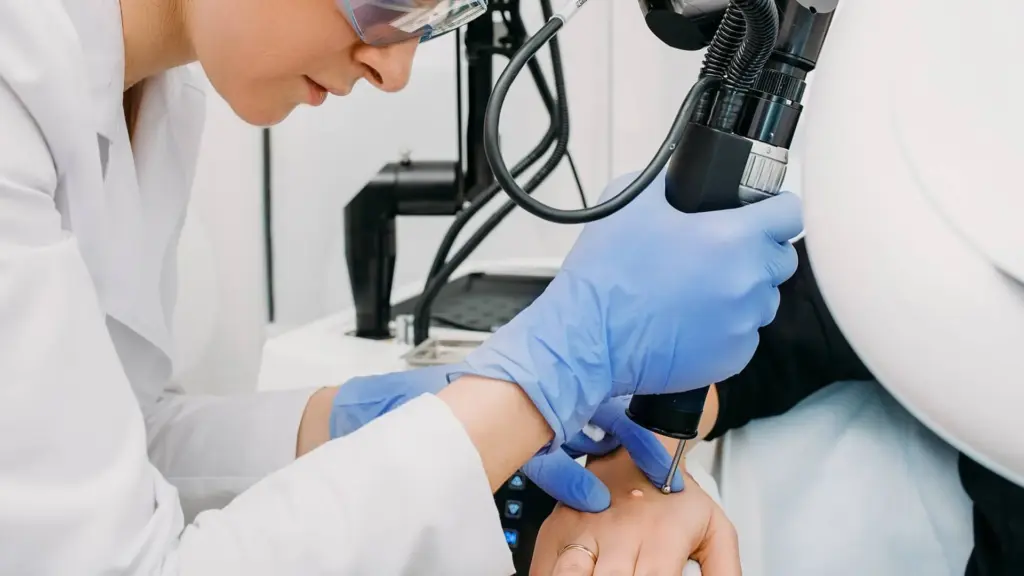
Aesthetic dermatology needs a solid base in medical education and special training. To be an aesthetic dermatologist, one must go through a detailed educational path. This path prepares them with the right knowledge and skills.
Medical Education and Dermatology Specialization
The path to becoming an aesthetic dermatologist starts with a strong medical education. This usually means getting a bachelor’s degree and then four years of medical school. After that, they need to do a dermatology residency, lasting from three to four years.
This residency gives them real-world experience in treating skin issues, including aesthetic ones. A study in the Journal of Clinical and Aesthetic Dermatology highlights the need for quality standards in dermatology. This shows how important thorough training is.
“The field of dermatology is constantly evolving, with new technologies and techniques emerging regularly. As such, it is critical for aesthetic dermatologists to keep up with the latest advancements.”
– American Academy of Dermatology
Additional Certifications and Continuing Education
Many aesthetic dermatologists also get extra certifications and keep learning. Getting certified by the American Board of Dermatology can really help. Also, going to conferences, workshops, and online courses keeps them updated with new techniques and technologies.
|
Certification/ Education |
Description |
Issuing Organization |
|---|---|---|
|
Board Certification in Dermatology |
Certifies expertise in dermatology |
American Board of Dermatology |
|
Continuing Medical Education (CME) |
Updates knowledge and skills in dermatology and aesthetics |
Various accredited providers |
|
Laser and Cosmetic Dermatology Training |
Specialized training in laser and cosmetic procedures |
Institutes like the American Society for Laser Medicine and Surgery |
For example, laser technology is always getting better. Aesthetic dermatologists need to know about the newest lasers and methods to give the best care.
In conclusion, becoming an aesthetic dermatologist takes a lot of education and training. Knowing what education and training are needed helps people plan their way to a successful career in this field.
Common Procedures Performed by Aesthetic Dermatologists
Aesthetic dermatologists offer treatments for different skin issues. They aim to improve skin health and boost confidence. These treatments help patients look and feel better.
Neuromodulator Injections
Botox and Dysport are used to relax facial muscles. They reduce fine lines and wrinkles. These injections are great for frown lines, crow’s feet, and forehead lines.
There’s been a 5% rise in cosmetic procedures. Neuromodulator injections are a top choice. They last several months and don’t require downtime.
Dermal Fillers and Volume Enhancement
Dermal fillers restore volume and smooth wrinkles. Hyaluronic acid fillers and calcium hydroxylapatite fillers are favorites. They enhance lips, cheeks, and nasolabial folds for a younger look.
The right filler depends on the patient’s needs. Results are immediate, and recovery is minimal.
Laser and Light-Based Treatments
Laser and light treatments tackle unwanted hair, pigmentation, and vascular lesions. They target specific skin areas for better texture and look.
There are many lasers and light devices. Aesthetic dermatologists choose the best for each patient’s skin concerns.
Chemical Peels and Microdermabrasion
Chemical peels and microdermabrasion exfoliate the skin. Chemical peels remove top skin layers. Microdermabrasion gently exfoliates.
|
Treatment |
Description |
Benefits |
|---|---|---|
|
Neuromodulator Injections |
Temporarily relax facial muscles |
Reduces fine lines and wrinkles |
|
Dermal Fillers |
Restore lost volume and smooth out wrinkles |
Enhances facial features and provides a youthful appearance |
|
Laser and Light-Based Treatments |
Target specific skin concerns |
Improves skin texture and appearance |
|
Chemical Peels and Microdermabrasion |
Exfoliate the skin |
Improves skin texture and appearance |
Knowing about these procedures helps patients choose wisely. Aesthetic dermatologists guide patients to reach their beauty goals safely.
Non-Surgical Treatments for Facial Rejuvenation
More people are looking for non-surgical ways to look younger. This is because of new advances in skin care and the desire for less invasive options. Aesthetic dermatologists are seeing a big move towards treatments that don’t need surgery.
Minimally Invasive Procedures and Their Benefits
Procedures like neuromodulator injections and dermal fillers are key in skin care. They have many benefits. These include quick recovery times, low risk of problems, and great results without surgery.
Neuromodulators like Botox and Dysport have changed how we treat wrinkles. They safely reduce lines and wrinkles. Dermal fillers are also vital for adding back lost volume and shaping the face for a younger look.
Recovery Time and Expected Results
One big plus of non-surgical treatments is how little downtime they need. Most people can go back to their daily life right away or soon after. The results can vary, but most people see a big change in how they look.
The effects of neuromodulator injections show up in a few days to a week and last months. Dermal fillers work right away, and how long they last depends on the type and where it’s used.
As we keep improving in skin care, non-surgical treatments will keep being popular. Knowing what to expect from these treatments helps patients make better choices for their beauty care.
Current Trends in Aesthetic Dermatology (2023-2025)
Aesthetic dermatology is changing fast, with new trends from 2023 to 2025. New tech and methods keep coming out, pushing the field forward.
Non-Surgical Treatments for the Lower Face and Neck
Non-surgical treatments for the lower face and neck are on the rise. Neuromodulator injections and dermal fillers are popular. They help make the face look younger without surgery.
Impact of GLP-1 Medications on Aesthetic Procedures
GLP-1 medications are also making waves in aesthetic dermatology. These drugs, used for diabetes and obesity, can affect the skin. Dermatologists are adjusting their methods to handle these changes.
Fat Grafting for Post-Weight Loss Volume Restoration
Fat grafting is becoming a go-to for adding volume after weight loss. It moves fat from one body area to another. This helps people regain a natural look after losing weight.
These trends show how fast and changing aesthetic dermatology is. New treatments and techniques keep coming. It’s important for everyone to stay up-to-date with these changes.
Technological Advancements in Aesthetic Dermatology
Technology is changing aesthetic dermatology in big ways. It’s bringing new options for doctors and patients. These changes are making treatments better and patient experiences more enjoyable.
Innovative Devices and Treatment Modalities
Aesthetic dermatology is getting a lot of new tools and methods. There are advanced lasers, radiofrequency devices, and high-intensity focused ultrasound technology, among others.
These new devices can target problems more precisely and work better. For example, advanced lasers can fix many skin issues like dark spots, fine lines, and wrinkles. They do it with less downtime.
|
Device/Treatment |
Primary Use |
Benefits |
|---|---|---|
|
Advanced Laser Systems |
Pigmentation, fine lines, wrinkles |
Precision, minimal downtime |
|
Radiofrequency Devices |
Skin tightening, contouring |
Non-invasive, stimulates collagen production |
|
High-Intensity Focused Ultrasound |
Lifting, skin tightening |
Long-lasting results, non-invasive |
AI and Digital Imaging in Treatment Planning
Artificial intelligence (AI) and digital imaging are key in planning treatments. AI looks at patient data and skin to suggest the best plans.
Digital imaging lets doctors see exactly where they’ll work. This helps them plan better and show patients what to expect. It makes everyone happier with the results.
As tech gets better, so will our treatments. By using these new tools, we can give our patients the best care out there.
The Consultation Process: What to Expect
Meeting with an aesthetic dermatologist is key to finding the right treatment for your skin. We talk about what you want to achieve and create a plan just for you.
Initial Assessment and Skin Analysis
The first step is an assessment and skin analysis. We look at your skin to find out what’s going on and what can be improved. This helps us figure out the best treatments for you.
We might use special tools to get a closer look at your skin. This way, we can give you a precise diagnosis and suggest the best treatments.
Developing a Personalized Treatment Plan
After the assessment, we create a treatment plan just for you. It’s based on your specific skin issues and what you want to achieve. This ensures you get the most effective treatments.
To show you the options, let’s look at a table:
|
Treatment |
Description |
Benefits |
|---|---|---|
|
Neuromodulator Injections |
Injectable treatments to relax facial muscles |
Reduces fine lines and wrinkles, provides a smoother appearance |
|
Dermal Fillers |
Injectable fillers to restore lost volume |
Enhances facial contours, reduces deep folds and lines |
|
Laser and Light-Based Treatments |
Non-invasive treatments to improve skin texture and appearance |
Stimulates collagen production, improves skin tone and texture |
We use your unique skin and goals to guide your treatment. A dermatologist’s role is to provide personalized care. This ensures you get the best results.
Choosing the Right Aesthetic Dermatologist
Aesthetic dermatology has grown a lot. Choosing a skilled aesthetic doctor is key for good results. Your dermatologist’s skill can greatly impact your appearance or skin health.
Credentials and Experience to Look For
When looking for an aesthetic dermatologist, check their credentials and experience. Here are important things to look for:
- Board certification in dermatology
- Specialized training in aesthetic dermatology
- Experience with the specific procedures you’re interested in
- Positive patient reviews and testimonials
- Continuing education in the latest techniques and technologies
Hospitals like Liv Hospital offer top-notch aesthetic care. They ensure patients get the best treatment.
Questions to Ask During Your Consultation
At your first meeting, ask the right questions. This helps you make a smart choice. Consider these questions:
- What experience do you have with this procedure?
- Can you show before-and-after photos of previous patients?
- What are the possible risks and complications?
- How will you ensure my safety during the procedure?
- What is the expected recovery time, and what aftercare is needed?
By asking these, you’ll understand the dermatology aesthetics process better. You’ll feel more confident in your choice of aesthetic doctor.
Choosing the right aesthetic dermatologist takes careful thought. Look at their credentials, experience, and how you feel about them. Research and ask the right questions to get the best results for your aesthetic treatments.
Risks and Considerations in Aesthetic Procedures
The world of aesthetic dermatology comes with its own set of risks and complications. It’s important to know the possible side effects and what to expect from treatments. This helps manage hopes for the best results.
Potential Side Effects and Complications
Procedures like neuromodulator injections and laser treatments can have side effects. These might include temporary redness, swelling, or bruising. Though rare, serious issues like infection, scarring, or reactions to fillers can happen.
To lower these risks, following your dermatologist’s pre- and post-care advice is key. Talking about any worries during your consultation can also help avoid problems.
Managing Expectations and Realistic Outcomes
It’s vital to manage what patients expect from aesthetic treatments. They need to know what a procedure can do. This means discussing both the good and the possible downsides.
Knowing what to expect helps patients choose wisely. Your dermatologist will look at your skin and suggest a plan just for you.
|
Procedure |
Common Side Effects |
Rare Complications |
|---|---|---|
|
Neuromodulator Injections |
Temporary bruising, swelling |
Headache, eyelid drooping |
|
Dermal Fillers |
Redness, swelling, bruising |
Infection, filler migration |
|
Laser Treatments |
Redness, swelling |
Scarring, pigmentation changes |
Knowing the risks of aesthetic procedures helps patients make smart choices. As healthcare providers, we must ensure patients are well-informed and comfortable with their decisions.
Conclusion: The Future of Aesthetic Dermatology
Aesthetic dermatology is changing fast, shaping what we think of beauty today. It’s moving towards non-surgical options and new tech. This means more ways for people to look and feel their best.
There’s been a 5% jump in cosmetic procedures, thanks to better tech and methods. Now, we see more fat grafting, breast lifts, and non-surgical skin tightening. GLP-1 meds are also making a mark, as people want to tackle volume loss and sagging skin.
To keep up, dermatologists need to keep learning. They must stay current with new treatments and tech. This way, they can offer the best options for their patients, helping them look and feel great while keeping their skin healthy.
To stay ahead of the curve, aesthetic dermatologists must remain committed to ongoing education and training, ensuring they are equipped to offer the latest treatments and technologies. By doing so, we can continue to provide our patients with the most effective and innovative solutions, helping them achieve their aesthetic goals while maintaining optimal skin health.
FAQ
What is aesthetic dermatology?
Aesthetic dermatology is a part of dermatology. It deals with cosmetic treatments and skin care. The goal is to make patients look better while keeping their skin healthy.
What does an aesthetic dermatologist do?
An aesthetic dermatologist works to make patients look their best. They do this while keeping their skin healthy. It’s a balance between looking good and staying healthy.
How does aesthetic dermatology differ from medical dermatology?
Aesthetic dermatology is about beauty treatments and skin care. Medical dermatology is about treating skin diseases and conditions.
What kind of education and training is required to become an aesthetic dermatologist?
To be an aesthetic dermatologist, you need a lot of education. This includes medical school and dermatology training. You also need extra certifications and ongoing learning to keep up with new things.
What are some common procedures performed by aesthetic dermatologists?
Aesthetic dermatologists do many things. They give injections, use lasers, and do chemical peels. These help patients look better.
What are the benefits of non-surgical treatments for facial rejuvenation?
Non-surgical treatments are great for the face. They are less invasive and have quick recovery times. They also give good results.
How do I choose the right aesthetic dermatologist?
Choose an aesthetic dermatologist based on their credentials and experience. Ask questions during your visit. This ensures you get the best care and results.
What are the possible risks and considerations in aesthetic procedures?
Aesthetic procedures can have risks and side effects. It’s important to know what to expect. This helps manage your hopes and get the best results.
What is the role of AI and digital imaging in aesthetic dermatology?
AI and digital imaging are key in aesthetic dermatology. They help plan treatments and lead to better results. They offer new ways to help patients.
What can I expect during the consultation process?
At your consultation, you’ll get a skin check and analysis. Then, a treatment plan will be made just for you. It will address your specific needs and concerns.
What are some current trends in aesthetic dermatology?
Now, there’s a big focus on non-surgical treatments for the lower face and neck. GLP-1 medications are also making an impact. Fat grafting is becoming more popular for adding volume after weight loss.
What is the definition of dermatology?
Dermatology is the study of the skin and its diseases. It’s about treating skin problems.
What is the difference between a dermatologist and an aesthetic dermatologist?
A dermatologist treats skin diseases and conditions. An aesthetic dermatologist focuses on beauty treatments and skin care to improve appearance.
References
- Dermatology Times (via Walsworth): https://digitaleditions.walsworth.com/article/Facts+at+your+fingertips/5028642/851209/article.html
- American Society for Dermatologic Surgery (ASDS): https://www.asds.net/medical-professionals/practice-resources/consumer-survey-on-cosmetic-dermatologic-procedures
- Dermatology Times: https://www.dermatologytimes.com/view/top-aesthetic-medicine-trends-for-2025-insights-from-darin-messina-phd-of-allergan-aesthetics
- Marie Claire: https://www.marieclaire.com/beauty/aesthetics-trends-2025/
- Liv Hospital: https://livhospital.com



 Departments
 Related Videos
 Our Doctors
 News
News