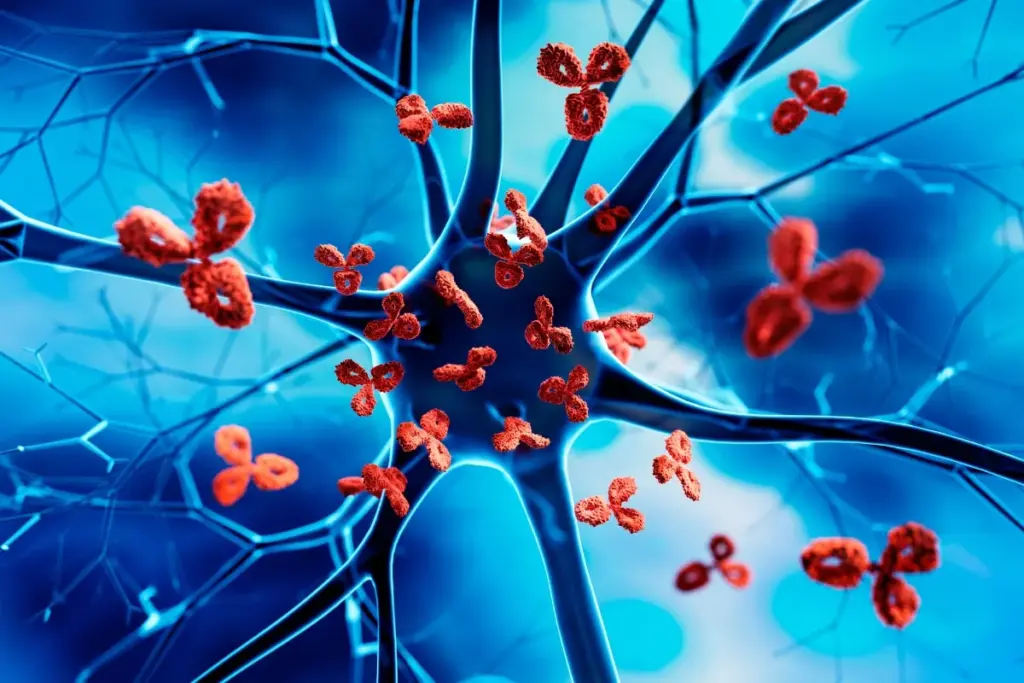
At Liv Hospital, we understand the challenges of Autoimmune Autonomic Ganglionopathy. It’s a rare condition that affects the autonomic nervous system. This leads to severe symptoms like low blood pressure when standing and trouble moving food through the digestive system. These issues greatly reduce the quality of life for those affected.
It’s important to know about Autoimmune Autonomic Ganglionopathy (AAG) to help those who have it. We aim to provide top-notch healthcare and support to patients from around the world. We follow international standards of medical excellence.
Key Takeaways
- Autoimmune Autonomic Ganglionopathy is a rare disorder affecting the autonomic nervous system.
- AAG is characterized by autonomic failure, leading to various debilitating symptoms.
- Symptoms include severe orthostatic hypotension and gastrointestinal dysmotility.
- Understanding AAG is key to giving the right care and support.
- Liv Hospital is dedicated to delivering world-class healthcare for international patients.
Understanding AAG Autoimmune Disease

To understand AAG, we need to look at its definition, how it’s classified, and who it affects. Autoimmune Autonomic Ganglionopathy (AAG) is a complex condition. It impacts the autonomic nervous system, causing various symptoms that can greatly affect a person’s life.
Definition and Classification
AAG is an autoimmune disorder. In this condition, the immune system mistakenly attacks the autonomic ganglia. These ganglia are key for controlling involuntary body functions like heart rate, digestion, and blood pressure. It’s also known as autoimmune autonomic neuropathy.
The diagnosis of AAG involves finding antibodies against the ganglionic acetylcholine receptor. Early diagnosis is key for managing symptoms and improving outcomes.
Prevalence and Demographics
AAG is a rare disease, with about 100 new cases each year in the United States. It affects more women, and most cases start between 50 and 70 years old. Knowing this helps doctors identify at-risk patients for early screening and treatment.
Because AAG is rare and its symptoms are not specific, diagnosing it can be tough. Clinicians must be careful
Pathophysiology of AAG Autoimmune Disorder

The pathophysiology of AAG involves a critical interplay between autoantibodies and the autonomic nervous system. At the heart of this disorder are ganglionic acetylcholine receptor antibodies. These antibodies play a significant role in disrupting synaptic transmission in autonomic ganglia.
Role of Ganglionic Acetylcholine Receptor Antibodies
Ganglionic acetylcholine receptor (g-AChR) antibodies are a hallmark of AAG. They correlate with symptom severity and autonomic dysfunction. These autoantibodies target the ganglionic acetylcholine receptor, which is key for transmitting signals within the autonomic nervous system.
The presence and level of g-AChR antibodies are directly associated with the severity of autonomic dysfunction. This provides valuable insights into the disease’s underlying mechanisms.
Research has shown that patients with high levels of g-AChR antibodies often exhibit more pronounced autonomic dysfunction. For more information on AAG and its clinical implications, visit the Dysautonomia International website.
Impact on the Autonomic Nervous System
The autonomic nervous system, responsible for regulating involuntary actions of the body, is significantly impacted by the presence of g-AChR antibodies in AAG. The disruption of synaptic transmission in autonomic ganglia leads to a wide range of symptoms.
These symptoms include orthostatic hypotension, gastrointestinal disturbances, and urinary retention. The severity and variety of symptoms can vary among patients. But the underlying cause is the autoimmune attack on the autonomic nervous system.
Table: Effects of g-AChR Antibodies on Autonomic Function
| System Affected | Symptoms | Impact of g-AChR Antibodies |
| Cardiovascular | Orthostatic Hypotension | Reduced blood pressure regulation |
| Gastrointestinal | Constipation, Gastroparesis | Impaired gut motility |
| Urinary | Urinary Retention | Disrupted bladder function |
By understanding the role of g-AChR antibodies and their impact on the autonomic nervous system, we can better appreciate the complexities of AAG. This understanding highlights the need for targeted therapeutic approaches.
Common Symptoms and Clinical Presentation
AAG affects many parts of the body, causing various symptoms. These symptoms can greatly reduce a person’s quality of life.
Cardiovascular Manifestations
Orthostatic hypotension is a key symptom of AAG. It causes blood pressure to drop when standing, leading to dizziness and even fainting. This happens because the autonomic nervous system can’t control blood pressure well.
This symptom can make everyday tasks hard for patients. It’s important to manage it to improve their health.
Gastrointestinal and Urinary Dysfunction
Gastrointestinal symptoms include dysmotility, causing nausea, vomiting, and constipation. These issues come from the autonomic system’s problems with the gut.
Urinary retention is also common, due to poor autonomic control of the bladder. It can cause a lot of discomfort and needs proper management to avoid serious problems.
Other Autonomic Symptoms
Patients with AAG may also have other symptoms. Sicca symptoms, like dry eyes and mouth, are common due to gland problems. Anhidrosis, or not being able to sweat, is another symptom showing AAG’s wide impact on the autonomic system.
The symptoms of AAG can be seen in the table below:
| Symptom Category | Specific Symptoms | Impact on Patients |
| Cardiovascular | Orthostatic Hypotension | Dizziness, Lightheadedness, Syncope |
| Gastrointestinal | Dysmotility | Nausea, Vomiting, Abdominal Pain, Constipation |
| Urinary | Urinary Retention | Discomfort, Possible Complications |
| Other Autonomic | Sicca Symptoms, Anhidrosis | Dry Eyes, Dry Mouth, Can’t Sweat |
It’s important for doctors to know about AAG’s symptoms to diagnose and treat it well. Recognizing these symptoms helps us support patients better and improve their lives.
Diagnosis, Management, and Prognosis
Diagnosing AAG means finding ganglionic acetylcholine receptor (g-AChR) antibodies and checking autonomic function. We use tests to see how well the autonomic nervous system works. This helps us find any problems.
Managing AAG often includes treatments to lower antibody levels and ease symptoms. We might use plasma exchange, intravenous immunoglobulin, or immunosuppressive drugs. These methods help fight the autoimmune response and improve life quality.
The outlook for AAG varies. Some patients get better with treatment, while others face ongoing or coming back symptoms. Knowing the prognosis and treatment options is key to managing AAG well. This helps improve life expectancy for those with autoimmune autonomic dysfunction, including ganglionopathy.
By learning more about AAG diagnosis, management, and prognosis, we can better support those with this rare autoimmune disorder.
FAQ
What is Autoimmune Autonomic Ganglionopathy (AAG)?
Autoimmune Autonomic Ganglionopathy (AAG) is a rare disease. It affects the autonomic nervous system. This causes widespread problems due to autoantibodies against ganglionic acetylcholine receptors.
What are the common symptoms of AAG?
Symptoms of AAG include severe drops in blood pressure when standing. It also causes stomach and bowel problems, dry skin, trouble with urination, and dry eyes. These symptoms greatly affect daily life.
How is AAG diagnosed?
Doctors diagnose AAG by finding specific antibodies and checking autonomic function. This confirms the disorder.
What is the prevalence of AAG?
AAG is rare, with about 100 new cases in the U.S. each year. It mostly affects people between 50 and 70 years old. Women are more likely to get it than men.
How does AAG affect the autonomic nervous system?
AAG disrupts how the autonomic nervous system works. This is because of autoantibodies against ganglionic acetylcholine receptors. This leads to the disorder’s symptoms.
What are the management strategies for AAG?
Managing AAG includes using immunotherapies to lower antibody levels. This helps reduce symptoms and improves life quality for many patients.
What is the prognosis for patients with AAG?
AAG is serious, but many patients get better with treatment. This improves their life quality. The outcome depends on how severe the disorder is and how well it responds to treatment.
Is AAG a terminal illness?
AAG is serious, but not always fatal. With the right treatment, many patients see big improvements in their symptoms and life quality.
Can AAG be treated with medication?
Yes, AAG can be treated with immunotherapies. These medications aim to lower antibody levels and reduce symptoms. This helps improve autonomic function.
References
https://medlineplus.gov/lab-tests/adrenocorticotropic-hormone-acth