
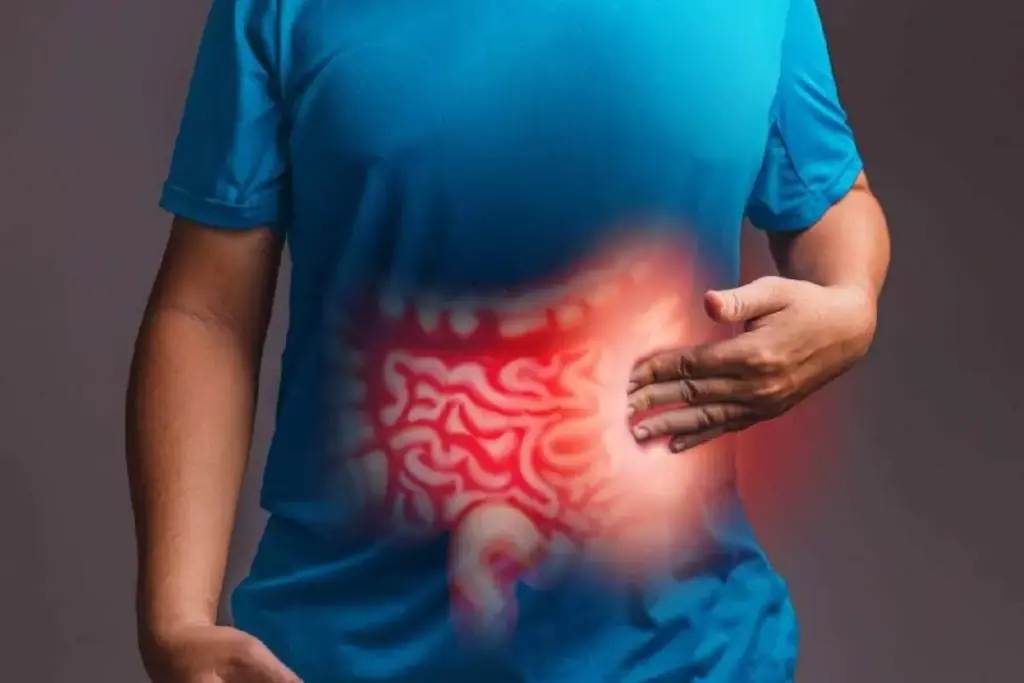
Bacterial gastroenteritis is a big health problem worldwide. It affects millions of people every year. The United States Centers for Disease Control (CDC) says 179 million cases happen in the US each year.
Bacterial infection that causes diarrhea is a common illness. It makes the stomach and intestines inflamed and messes with digestion. In the US, 48 million cases of acute gastroenteritis from foodborne bacteria happen every year.
The problem starts when bacteria invade the stomach and intestinal lining. This invasion causes inflammation and damages cells that absorb water. The damage stops normal water absorption, leading to diarrhea. For more details, check out MedlinePlus.
Key Takeaways
- Bacterial gastroenteritis is a significant global health concern.
- It causes inflammation and disrupts normal digestive processes.
- The condition leads to diarrhea due to damaged epithelial cells.
- There are 48 million cases of acute gastroenteritis caused by foodborne bacteria in the US annually.
- Proper diagnosis and treatment are key to managing it.
Understanding Bacterial Gastroenteritis and Its Global Impact

Bacterial gastroenteritis is a big health problem worldwide. It makes the stomach and intestines inflamed because of bacteria. This leads to symptoms like diarrhea, vomiting, and stomach pain.
Definition and Epidemiological Statistics
Bacterial gastroenteritis is when bacteria make the stomach and intestines inflamed. The World Health Organization says diarrhea is when you have loose or watery stools three times a day. It’s the second biggest killer of kids under five, causing 9% of deaths in this age group.
In the United States, 48 million cases of gastroenteritis from foodborne bacteria happen every year. This shows how big of a problem it is for public health.
| Cause | Estimated Annual Cases | Estimated Annual Deaths |
| Foodborne bacterial gastroenteritis | 48 million | 3,000 |
| Salmonella infections | 1.35 million | 450 |
| Campylobacter infections | 1.5 million | 76 |
Common Risk Factors and Transmission Routes
Things that increase your risk of getting bacterial gastroenteritis include eating contaminated food or water. Not washing your hands well and being around sick animals are also risks. The main way it spreads is through fecal-oral contamination, where you eat something with bacteria from someone else’s feces.
Key risk factors include:
- Eating raw or undercooked meat, poultry, or eggs
- Drinking untreated water from wells, springs, or city supplies
- Poor hygiene, like not washing hands after using the bathroom or before cooking
Major Bacterial Pathogens That Infect the Digestive Tract
The digestive tract can get infected by many bacteria, leading to stomach problems. We’ll look at the main culprits and how they affect our health.
Salmonella and Campylobacter Infections
Salmonella and Campylobacter are big troublemakers in the stomach. Salmonella comes from bad meat, eggs, and poultry. Campylobacter is often found in raw poultry and unpasteurized milk. Both can make you very sick with diarrhea, fever, and belly pain.
The CDC says Salmonella makes about 1.35 million people sick each year in the U.S. It leads to 26,500 hospital stays. Campylobacter is just as common, with the CDC reporting 1.5 million cases yearly.
Shigella and Pathogenic E. coli Strains
Shigella and some E. coli types are also big problems. Shigella causes shigellosis, a bad case of diarrhea with blood and mucus. It’s very contagious. Some E. coli types can make you very sick, even leading to kidney failure.
These bugs spread through bad food and water or touching someone who’s sick. Washing your hands a lot can help stop these infections.
Less Common Bacterial Causes
While Salmonella, Campylobacter, Shigella, and some E. coli are common, others like Yersinia enterocolitica and Clostridioides difficile are also big worries. Yersinia can make you sick from bad food, causing everything from mild diarrhea to severe pain. Clostridioides difficile (C. diff) is a big problem in hospitals, causing diarrhea and colitis from antibiotics.
Knowing about these less common bugs is key to treating stomach problems right. We need to understand all the different bacteria that can make us sick.
The Pathophysiology of Bacterial Gastroenteritis and Diarrhea
Bacterial gastroenteritis is a complex issue. It involves how bacteria interact with the intestinal lining. Normally, the lining absorbs water and electrolytes well. The active transport of Na+ in parallel with the absorption of Cl- or HCO3- drives intestinal fluid absorption, keeping us hydrated and balanced.
Normal Intestinal Function and Water Absorption
The intestinal epithelium absorbs nutrients, water, and electrolytes. It absorbs sodium, chloride, and bicarbonate ions efficiently. This helps prevent dehydration and keeps electrolytes balanced.
How Bacteria Damage the Intestinal Lining
Bacterial pathogens can invade the intestinal lining, causing inflammation and damage. This disrupts the absorption process, leading to fluid buildup in the bowel. Bacteria such as Salmonella, Campylobacter, and certain strains of E. coli are known to cause significant damage, leading to symptoms like diarrhea.
For more detailed information on bacterial pathogens, we can refer to studies available on reputable medical databases.
Mechanisms of Diarrhea Production
Bacterial gastroenteritis leads to diarrhea through several mechanisms. Bacteria can produce toxins that stimulate secretion or destroy intestinal cells. For example, some toxins can increase Cl- ion secretion, leading to more water in the lumen. The inflammatory response also worsens the damage, increasing fluid loss.
| Mechanism | Description | Effect |
| Toxin Production | Bacteria produce toxins that stimulate secretion or cause epithelial cell destruction. | Increased water secretion into the lumen, leading to diarrhea. |
| Inflammatory Response | The host’s immune response to bacterial invasion causes inflammation. | Increased permeability and fluid loss, exacerbating diarrhea. |
Understanding these mechanisms is key to treating bacterial gastroenteritis. By focusing on the specific pathways involved, healthcare providers can offer better treatments. This helps manage symptoms and prevent complications.
Conclusion: Recognizing and Managing Bacterial Gastroenteritis
Bacterial gastroenteritis is a big health problem worldwide. We’ve looked into what causes it, its symptoms, and how to treat it. It’s key to know about the bacteria in our guts and how they can make us sick.
Managing bacterial gastroenteritis well means using oral rehydration therapy first. For very serious cases, intravenous fluids are used. Knowing how diarrhea works and how bacteria affect our bodies helps doctors give better care to patients from around the world.
We stress the importance of quick and effective treatment to avoid serious problems. By spotting the signs of bacterial gastroenteritis early and treating it right, we can lessen its impact. This helps improve the lives of those dealing with diarrhea caused by bacterial infections.
FAQ
What is bacterial gastroenteritis?
Bacterial gastroenteritis is a common illness. It causes inflammation in the digestive system. Symptoms include diarrhea, stomach cramps, and vomiting.
What are the common causes of bacterial gastroenteritis?
Common causes include Salmonella, Campylobacter, Shigella, and E. coli. These are often found in contaminated food or water. Poor hand hygiene and contact with sick animals also play a role.
How does bacterial gastroenteritis cause diarrhea?
It damages the intestinal lining. This disrupts normal digestion, leading to fluid buildup. This results in diarrhea.
What are the risk factors for developing bacterial gastroenteritis?
Risk factors include eating contaminated food or water. Poor hand hygiene and contact with sick animals are also factors.
How is bacterial gastroenteritis diagnosed?
Diagnosis is based on symptoms, medical history, and lab tests. Tests like stool cultures help identify the bacteria.
What is the treatment for bacterial gastroenteritis?
Treatment involves oral rehydration to replace lost fluids and electrolytes. Antibiotics may be used to treat the infection.
Can bacterial gastroenteritis be prevented?
Yes, prevention is possible. Good hygiene, like washing hands, is key. Avoiding contaminated food and water and staying away from sick people also helps.
What are the complications of bacterial gastroenteritis?
Complications include dehydration and electrolyte imbalances. In severe cases, it can lead to life-threatening conditions. This is more common in vulnerable groups like children and the elderly.
How can I manage symptoms of bacterial gastroenteritis?
To manage symptoms, stay hydrated by drinking plenty of fluids. Rest and avoid solid foods until symptoms improve.
When should I seek medical attention for bacterial gastroenteritis?
Seek medical help for severe symptoms like bloody stools or severe pain. Also, if you show signs of dehydration or symptoms worsen, get help.
References
World Health Organization. Evidence-Based Medical Guidance. Retrieved from https://www.who.int/news-room/fact-sheets/detail/diarrhoeal-disease



 Departments
 Related Videos
 Our Doctors
 News
News