

Knowing about low grade fever in adults is key to knowing when to see a doctor. A low-grade fever means your body temperature is a bit higher. It often shows you have a mild infection or another issue.
Doctors have different views on what a low-grade fever is. But, it’s usually seen as a temperature between 99.1°F and 100.4°F. Some say it starts at 99.1°F, while others think it’s 99.6°F.
We’ll look at what doctors say about fever to help adults make smart health choices.
Key Takeaways
- A low-grade fever is generally considered to be a body temperature between 99.1°F and 100.4°F.
- Different medical experts may define low-grade fever slightly differently.
- Understanding the definition of low-grade fever is essential for determining when to seek medical care.
- Low-grade fever can be a sign of a mild infection or other underlying cause.
- It’s essential to consider individual factors when evaluating body temperature.
What Is a Low Grade Fever in Adults: Temperature Ranges and Definitions
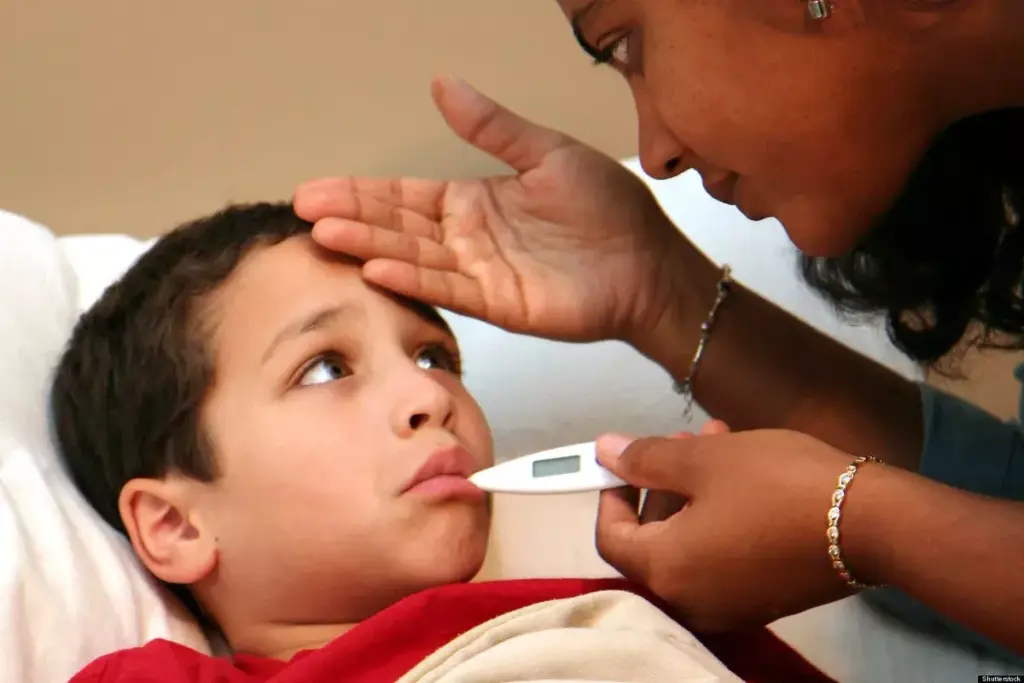
Knowing when a fever is normal or not is important for adults. It helps decide when to see a doctor. Body temperature is a key sign of health.
Normal Adult Body Temperature vs. Fever
Adults usually have a body temperature around 98.6°F (37°C). But, it can change slightly from person to person and during the day. A fever is when the body temperature goes over 100.4°F (38°C).
Body temperature can change for many reasons. For example, it might be lower in the morning and higher in the evening. This is because of different activities and the environment.
Low Grade Fever Temperature Ranges
A low-grade fever is when the body temperature is a bit higher than normal but not too high. It’s usually between 99.1°F and 100.4°F (37.3°C to 38°C). This shows the body is fighting off an infection or inflammation, but it’s not too serious.
To understand temperature ranges better, let’s look at a table:
| Temperature Range (°F) | Classification | Typical Response |
| Below 98.6 | Normal or Low | Monitor for other symptoms |
| 98.6 – 99.0 | Normal | None needed unless other symptoms present |
| 99.1 – 100.4 | Low-grade Fever | Monitor symptoms, consider over-the-counter fever reducers if necessary |
| 100.4 – 102.2 | Moderate Fever | Consider consulting a healthcare provider if persists or is accompanied by other concerning symptoms |
| Above 102.2 | High Fever | Seek medical attention, specially if accompanied by other severe symptoms |
Knowing these temperature ranges helps adults understand their health better. If you’re unsure or have concerns, always talk to a healthcare provider.
Moderate to High Fever Classifications and Their Significance

Knowing about fever classifications is key to figuring out how serious an illness is. Fevers are a common sign of many health issues. Their classification helps us understand how severe the illness is and what steps to take next.
Moderate Grade Fevers (100.4°F to 102.2°F)
A moderate fever is when your body temperature is between 100.4°F and 102.2°F. This is often seen in common infections like the flu or a cold. For example, an adult with a 101 fever might have a moderate fever. This can usually be treated with over-the-counter medicines and rest.
Some signs of moderate fevers include:
- Mild to moderate discomfort
- Possible presence of other symptoms like cough or sore throat
- Generally, the condition is manageable with home care
High Grade Fevers (Above 102.2°F)
High-grade fevers are above 102.2°F. These can be a sign of a serious infection or condition that might need medical help. For instance, a fever of 103°F or higher could mean severe infections like pneumonia or bacterial infections that might need antibiotics.
High-grade fevers often come with:
- Severe discomfort or pain
- Other alarming symptoms such as difficulty breathing or severe headache
- Increased risk of complications if not properly managed
Common Causes of Low to Moderate Fevers
Low to moderate fevers can be caused by many things, including viral and bacterial infections. Common causes include:
- Viral infections such as the common cold or flu
- Bacterial infections like urinary tract infections or sinusitis
- Other underlying medical conditions
It’s important to watch how long and how high the fever is. If you’re wondering how long a fever before going to doctor, seek medical help if the fever lasts more than 3-4 days or is very severe.
In conclusion, knowing about fever classifications and their importance is key to knowing when to see a doctor. By understanding the difference between moderate and high-grade fevers, people can take the right steps to manage their illness.
Conclusion: When to Monitor vs. When to Seek Medical Help
Knowing when to watch a fever and when to get medical help is key for good health care. If you’re wondering if your temperature is a worry, think about this: a temperature of 99 or 99.2 might be normal or a mild fever in adults. But, it’s important to watch your symptoms closely.
If your temperature goes up to 99.4 or more, it’s smart to keep an eye on your symptoms. Medical experts say to get help if your fever is with other bad symptoms. So, if you’re wondering “is 99.2 a fever in adults,” it really depends on your health situation.
We suggest getting medical help if you’re not sure about your symptoms or if your fever doesn’t go away. By knowing your body temperature and when to get medical help, you can take charge of your health. This way, you can make smart choices about your medical care.
FAQ
What does a 102 fever mean?
A fever of 102°F (39°C) is a moderate-grade fever. It suggests a possible infection or condition that needs medical attention.
Is 99.2 a fever in adults?
A temperature of 99.2°F (37.3°C) is usually normal or a very low-grade fever. Normal body temperature is between 97.7°F and 99.5°F (36.5°C to 37.7°C).
What is considered a normal fever temperature?
Normal body temperature is between 97.7°F and 99.5°F (36.5°C to 37.7°C). Temperatures above this range might indicate a fever.
Is a temperature of 99.6 considered a fever in adults?
A temperature of 99.6°F (37.6°C) is usually within the normal range. It can be a very low-grade fever, depending on individual factors and the time of day.
How long should a fever last before seeking medical help?
The time to seek medical help for a fever varies. It depends on the individual’s condition, fever severity, and other symptoms. If a fever persists or is severe, seek medical attention.
Is 101 degrees Fahrenheit considered a fever?
Yes, a temperature of 101°F (38.3°C) is a low-grade fever. It suggests a mild infection or other cause.
Is 100 degrees Fahrenheit a fever?
A temperature of 100°F (37.8°C) can be a very low-grade fever or normal. It depends on the individual’s baseline temperature and other factors.
What is the significance of a 101 F temperature?
A temperature of 101°F (38.3°C) is a sign of a possible infection or condition. It may need medical evaluation to find the cause and treatment.
References
https://www.osfhealthcare.org/blog/whats-considered-a-fever-and-when-to-see-a-doctor