
Many patients are surprised to find out that some medicines can cause autoimmune reactions. These reactions can make them feel like they have lupus. Drug-induced lupus happens when the body’s immune system reacts to certain drugs, leading to symptoms similar to lupus.
This condition is different from systemic lupus erythematosus (SLE), even though they have some similar signs. About 10% to 30% of new lupus cases are caused by drugs. This shows how important it is to know about drug-induced lupus.
At Liv Hospital, we understand how complex drug-induced lupus is. We have a team ready to help patients deal with these reactions. Our goal is to help manage these issues effectively.
Key Takeaways
- Drug-induced lupus is an autoimmune condition triggered by certain medications.
- It shares similar symptoms with systemic lupus erythematosus (SLE) but is distinct.
- A significant percentage of new lupus cases may be drug-induced.
- Understanding and recognizing drug-induced lupus is key for timely diagnosis and treatment.
- Liv Hospital’s patient-centered approach helps identify and manage medication-induced autoimmune reactions.
Understanding Drug-Induced Lupus
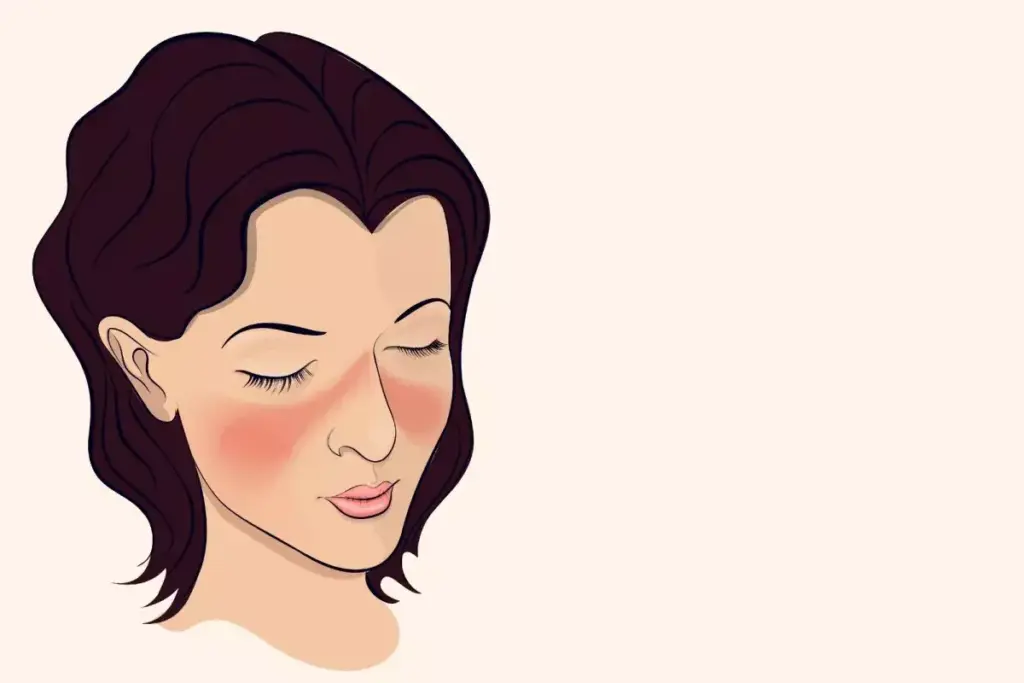
Drug-induced lupus happens when the body reacts to certain medicines. It makes the immune system attack healthy tissues. This can make symptoms similar to systemic lupus erythematosus (SLE).
Definition and Autoimmune Mechanism
Drug-induced lupus is caused by an autoimmune reaction from taking certain drugs. The exact reason is not fully known. But, it’s thought that these drugs change how the immune system works. This leads to the body making antibodies against its own tissues.
A study in Arthritis & Rheumatism found drug-induced lupus is a rare but significant condition. It should be considered when patients show lupus-like symptoms, and they are taking drugs known to cause lupus.
This condition shows how complex the relationship between medicines and the immune system is. It highlights the need to think about drug-induced lupus in medical practice.
Prevalence and Statistics
Drug-induced lupus is a big part of lupus cases, mostly in older adults. It’s more common in this age group than SLE. The number of cases varies based on who is studied and how lupus is diagnosed.
| Condition | Prevalence | Commonly Affected Demographic |
| Drug-Induced Lupus | Accounts for approximately 10% of lupus cases | Older adults, those on certain medicines |
| Systemic Lupus Erythematosus (SLE) | Estimated prevalence of 20-150 per 100,000 people | Young women mostly |
Differences from Systemic Lupus Erythematosus
Drug-induced lupus and SLE share symptoms but have key differences. Drug-induced lupus is usually milder and doesn’t affect organs like kidneys or the nervous system as much. Also, symptoms of drug-induced lupus often go away when the drug is stopped.
It’s important to know the differences and similarities between drug-induced lupus and SLE. This helps doctors give better care to patients. By understanding these differences, healthcare providers can offer more focused and effective treatment.
Medications Commonly Associated with Drug-Induced Lupus

Many medications can cause drug-induced lupus. We’ll look at the most common ones, sorted by risk level.
High-Risk Medications: Hydralazine and Procainamide
Hydralazine and procainamide are high-risk for lupus-like symptoms. Hydralazine treats high blood pressure, and procainamide helps with irregular heartbeats. They are often linked to drug-induced lupus.
A study compared the risks of different medications. Here’s a table summarizing the findings:
| Medication | Primary Use | Risk Level |
| Hydralazine | High Blood Pressure | High |
| Procainamide | Irregular Heartbeats | High |
| Isoniazid | Tuberculosis Treatment | Moderate |
| TNF-Inhibitors | Autoimmune Diseases | Moderate |
Moderate-Risk Medications: Isoniazid and TNF-Inhibitors
There are also moderate-risk medications. Isoniazid treats tuberculosis, and TNF-inhibitors like etanercept and infliximab are for autoimmune diseases.
Patients on these should know the risks and watch their health closely.
Timeframe for Symptom Development
Symptoms of drug-induced lupus usually start after 3 to 6 months of taking the drug. The exact time can vary based on the drug and the person.
Recognizing Drug-Induced Lupus Symptoms
It’s important for doctors to know the signs of drug-induced lupus. This condition can be tricky to spot because its symptoms are similar to other illnesses. We’ll cover the main symptoms of drug-induced lupus to help you understand it better.
Joint Pain and Arthralgia (90% of Cases)
Joint pain and arthralgia are common in drug-induced lupus, affecting up to 90% of people. Arthralgia is pain in the joints, while arthritis is joint inflammation. People often feel pain and stiffness in their hands, wrists, and knees.
- Pain can range from mild to severe
- Morning stiffness is common
- Symptoms can be symmetric, affecting both sides of the body
Constitutional Symptoms: Fever, Fatigue, and Weight Loss
About 50% of drug-induced lupus patients have constitutional symptoms. These include:
- Fever, which can be intermittent or persistent
- Fatigue, often severe and debilitating
- Weight loss, which may occur due to decreased appetite or metabolic changes
These symptoms can really affect a person’s life, so it’s important to treat them quickly.
Skin Manifestations and Photosensitivity
Skin issues are also a big part of drug-induced lupus. While not as common as joint symptoms, they can be upsetting for patients. Common skin problems include:
- Photosensitivity, or sensitivity to sunlight
- Rashes, which can be butterfly-shaped on the face or appear elsewhere on the body
- Other dermatological issues, such as alopecia or vasculitis
Photosensitivity is very important because it can cause skin reactions from sunlight. Patients are usually told to use sunscreen and wear protective clothes.
Conclusion: Diagnosis and Recovery from Drug-Induced Lupus
Diagnosing drug-induced lupus means finding the drug that causes it and understanding its effects. Symptoms usually go away within days to weeks after stopping the drug. Most people get better once they stop taking the drug that caused drug-induced lupus.
Treatment might include NSAIDs, corticosteroid creams, and antimalarial medicines to help manage symptoms. Knowing what causes drug-induced lupus is key to preventing it. Drugs like hydralazine and procainamide can cause lupus-like symptoms in some people.
Recovery from drug-induced lupus is usually good, with symptoms going away soon after stopping the drug. It’s important to watch patients closely and manage their symptoms well during recovery.
By spotting the signs of medicine-induced lupus early and acting fast, doctors can help patients get better. Our talk about lupus drug-induced shows the importance of careful drug use and watching patients closely.
FAQ
What is drug-induced lupus?
Drug-induced lupus is an autoimmune condition caused by certain medications. It makes the immune system attack healthy tissues. This leads to symptoms similar to systemic lupus erythematosus (SLE).
What medications are commonly associated with drug-induced lupus?
High-risk medications include hydralazine and procainamide. Moderate-risk medications include isoniazid and TNF-inhibitors. These are used to treat autoimmune diseases.
How long does it take for symptoms to develop after taking the offending medication?
Symptoms of drug-induced lupus usually appear after several months. The exact timeframe can vary based on the individual and the medication.
What are the most common symptoms of drug-induced lupus?
Common symptoms include joint pain and arthralgia, affecting most patients. Other symptoms include fever, fatigue, weight loss, and skin issues.
How is drug-induced lupus diagnosed?
Diagnosing drug-induced lupus involves identifying the causative medication. It also involves assessing symptoms. Symptoms usually resolve after stopping the offending drug.
What is the treatment for drug-induced lupus?
Treatment involves stopping the offending medication. In some cases, medications are used to manage symptoms. This helps alleviate joint pain, fever, and other symptoms during recovery.
Can drug-induced lupus be distinguished from systemic lupus erythematosus (SLE)?
Yes, drug-induced lupus is generally milder. It is less likely to affect critical organs compared to SLE. Symptoms usually resolve after stopping the causative medication.
What percentage of lupus cases are attributed to drug-induced lupus?
A significant percentage of new lupus cases may be attributed to drug-induced lupus. This highlights the importance of understanding this condition.
References
https://www.ncbi.nlm.nih.gov/books/NBK441889