

Dumping syndrome is a big problem for many people after bariatric surgery. It’s important to know about it to handle its symptoms well.Symptoms and mechanism of what is dumping after bariatric surgery (Hyperinsulinemia).
At Liv Hospital, we give our patients all the care and knowledge they need. Dumping syndrome happens when food moves too fast from the stomach to the small intestine. This causes a lot of discomfort. It’s most common in those who had gastric bypass or gastric sleeve surgery.
It’s key to know what causes and symptoms of dumping syndrome are. This is true for those who have had or are thinking about bariatric surgery. By teaching patients about possible problems after surgery, we help them take charge of their healing.
Key Takeaways
- Dumping syndrome is a common complication after bariatric surgery.
- It occurs when food moves too quickly into the small intestine.
- Gastric bypass and gastric sleeve surgery patients are more likely to experience dumping syndrome.
- Understanding the condition helps in managing its symptoms.
- Liv Hospital provides complete care and education for patients undergoing bariatric surgery.
Understanding What Is Dumping After Bariatric Surgery
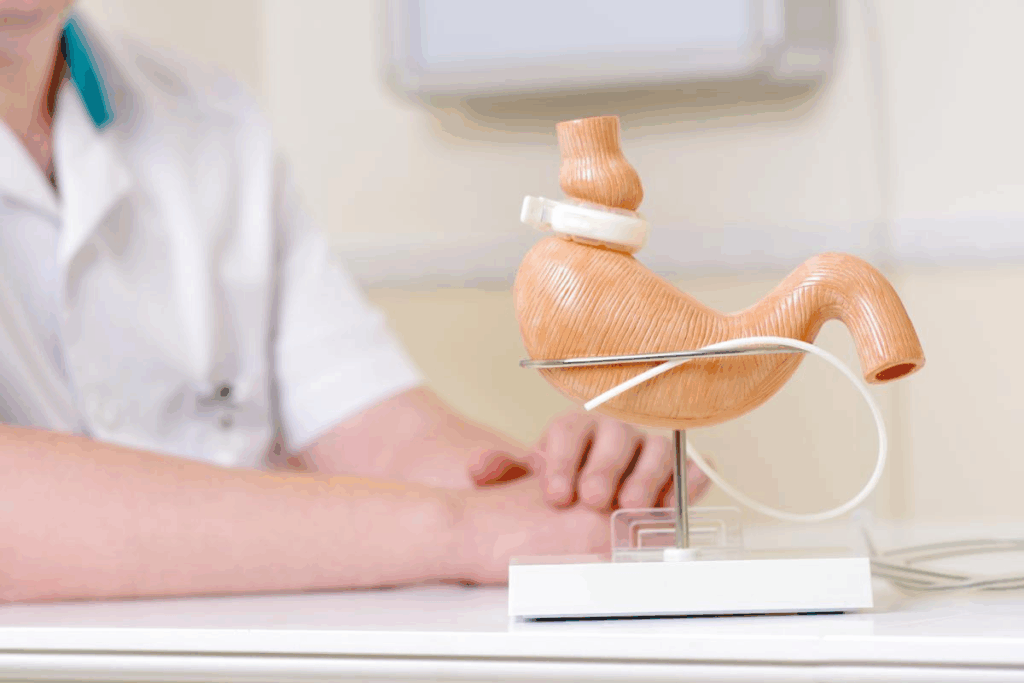
It’s important to know about dumping syndrome after bariatric surgery. This condition happens when food, like sugar, moves too fast from the stomach to the small intestine. It’s a common issue after surgeries like Roux-en-Y gastric bypass and gastric sleeve.
Definition and Physiological Mechanism
Dumping syndrome causes symptoms because of fast stomach emptying into the small intestine. The stomach usually holds food for digestion. But after surgery, it doesn’t work the same way. This leads to rapid gastric emptying and various symptoms.
The fast food movement into the small intestine causes a rapid shift of fluids. This lowers blood volume and triggers symptoms.
Why It Occurs After Weight Loss Surgery
Dumping syndrome happens after weight loss surgery because of stomach changes. Surgeries like Roux-en-Y gastric bypass and gastric sleeve alter stomach function. This results in fast stomach emptying.
The Roux-en-Y gastric bypass creates a small pouch and connects it to the small intestine. This bypasses a lot of the stomach and upper small intestine. This can cause dumping syndrome symptoms.
Impact on Post-Surgical Quality of Life
Dumping syndrome can greatly affect a patient’s life. Symptoms can be mild or severe, making it hard to enjoy meals and get enough nutrition. It’s key to manage dumping syndrome to improve life after surgery.
Types of Dumping Syndrome
[Add image here]
Dumping syndrome comes in two main types, each with its own set of symptoms and timing. Knowing the differences is key to managing and treating it effectively.
Early Dumping Syndrome (10-30 Minutes Post-Meal)
Early dumping syndrome hits fast, usually within 10 to 30 minutes after eating. It’s marked by bloating, nausea, vomiting, stomach cramps, and diarrhea. These symptoms pop up quickly because food moves too fast into the small intestine.
Common symptoms of early dumping syndrome include:
- Bloating and discomfort
- Nausea and vomiting
- Abdominal cramps
- Diarrhea
Late Dumping Syndrome (1-3 Hours Post-Meal)
Late dumping syndrome kicks in 1 to 3 hours after eating, often after meals high in carbs. It’s linked to low blood sugar because of too much insulin from quick glucose absorption.
Symptoms of late dumping syndrome may include:
- Hypoglycemia (low blood sugar)
- Dizziness and confusion
- Sweating and tremors
- Weakness and fatigue
Key Differences in Pathophysiology and Presentation
Early and late dumping syndrome have different causes and symptoms. Early dumping is about fast stomach emptying and fluid moving into the intestine, causing stomach and blood vessel issues. Late dumping is about low blood sugar from too much insulin.
Characteristics | Early Dumping Syndrome | Late Dumping Syndrome |
Timing | 10-30 minutes post-meal | 1-3 hours post-meal |
Primary Symptoms | Gastrointestinal (bloating, nausea, diarrhea) | Hypoglycemic (dizziness, sweating, confusion) |
Pathophysiology | Rapid gastric emptying, fluid shift | Excessive insulin release, hypoglycemia |
It’s vital to understand the differences between early and late dumping syndrome for effective treatment. By knowing the unique characteristics and timing of each, healthcare providers can tailor treatments to better manage symptoms and improve patient care.
Prevalence and Risk Factors
It’s important to know about dumping syndrome in bariatric patients. This condition affects many after surgery. The type of surgery can change how common it is.
Statistical Prevalence
Between 20-50% of bariatric surgery patients get dumping syndrome. The exact number depends on the surgery type. For example, Roux-en-Y gastric bypass is more common than others.
Bariatric Procedure | Prevalence of Dumping Syndrome |
Roux-en-Y Gastric Bypass | 30-50% |
Gastric Sleeve Surgery | 10-20% |
Other Bariatric Procedures | 5-15% |
Pre-Surgical Risk Factors
Some things before surgery can raise the risk of dumping syndrome. These include:
- Previous gastrointestinal surgery: Past surgeries in the stomach area can increase the risk.
- Pre-existing gastrointestinal conditions: Conditions like gastroparesis can make it more likely.
- Patient’s overall health and nutritional status: Being undernourished or having health problems can also raise the risk.
Post-Surgical Contributing Factors
Things after surgery also play a big role. These include:
- Type of bariatric surgery performed: Some surgeries, like Roux-en-Y gastric bypass, are more likely to cause it.
- Dietary habits post-surgery: Eating too much sugar or fat right after surgery can trigger it.
- Rate of gastric emptying: If the stomach empties too fast, it can lead to dumping syndrome.
Knowing about these risk factors helps doctors take better care of patients. They can use this knowledge to prevent dumping syndrome.
Symptoms of Early Dumping Syndrome
When food moves too fast into the small intestine, it can cause uncomfortable symptoms. These symptoms fall into two main groups: gastrointestinal and vasomotor.
Gastrointestinal Manifestations
The symptoms related to the small intestine are mainly about food moving too quickly. Common symptoms include:
- Bloating: Feeling uncomfortably full or swollen in the stomach.
- Nausea: Feeling queasy or uncomfortable, which might lead to vomiting.
- Vomiting: Throwing up food, which can help but also cause dehydration.
- Diarrhea: Having frequent, loose bowel movements, leading to dehydration and electrolyte imbalances.
These symptoms happen because the small intestine can’t handle food moving too fast. This leads to digestive process imbalances.
Vasomotor Symptoms
Early dumping syndrome also causes vasomotor symptoms. These are due to sudden fluid shifts and hormone releases. Common symptoms include:
- Dizziness: Feeling lightheaded or unsteady, which can increase fall risks.
- Rapid Heart Rate: A fast heart rate, which can be uncomfortable and risky for those with heart conditions.
These symptoms come from the body’s reaction to quick changes in blood sugar and fluid levels.
Symptom Category | Common Symptoms |
Gastrointestinal | Bloating, Nausea, Vomiting, Diarrhea |
Vasomotor | Dizziness, Rapid Heart Rate |
Knowing these symptoms is key to diagnosing and managing early dumping syndrome. Recognizing the signs and taking action can help reduce discomfort.
Symptoms of Late Dumping Syndrome
It’s important to know the symptoms of late dumping syndrome, which happens after weight loss surgery. This condition strikes 1-3 hours after eating, caused by too much insulin leading to low blood sugar.
Hypoglycemic Manifestations
The main signs of late dumping syndrome are linked to low blood sugar. This happens when the body makes too much insulin after eating, often after simple carbs. Symptoms include:
- Weakness and fatigue
- Sweating and tremors
- Shakiness or feeling jittery
- Hunger and nausea
- Confusion and difficulty concentrating
These symptoms can be very upsetting and, in bad cases, might even cause loss of consciousness. A patient once said, “The worst part is not knowing when it’s going to happen; it’s like a ticking time bomb in your body.” This shows how critical it is to manage and prevent these episodes.
Neurological and Cardiovascular Symptoms
Late dumping syndrome also shows up in other ways, like neurological and cardiovascular symptoms. These can include:
- Dizziness and lightheadedness
- Rapid heartbeat or palpitations
- Headaches
- Anxiety and panic
These signs come from the body’s reaction to low blood sugar and can be different in strength. Sometimes, they can be so bad they need quick medical help. A doctor said, “Prompt recognition and treatment of these symptoms are key to avoid serious problems.“
Late dumping syndrome can really affect a person’s life, so it’s key for both patients and doctors to know its signs and how to handle them. By understanding these symptoms, we can help those affected more and improve their health.
Dumping Syndrome by Bariatric Procedure Type
Dumping syndrome risk changes with different bariatric surgeries. Each surgery type affects the risk differently. This shows how the surgery method impacts dumping syndrome.
Roux-en-Y Gastric Bypass and Dumping Risk
Roux-en-Y gastric bypass surgery often leads to dumping syndrome. This is because the surgery changes the stomach’s shape, causing food to empty too quickly. Studies say up to 50% of patients might get dumping syndrome after this surgery.
Gastric Sleeve Surgery and Dumping Incidence
Gastric sleeve surgery has a lower dumping syndrome risk. The pyloric valve, which controls food flow, stays intact. Yet, some patients might get dumping syndrome, but the risk is lower than with Roux-en-Y.
Comparative Analysis Between Procedures
Comparing dumping syndrome risks, Roux-en-Y gastric bypass stands out. A study showed it has the highest dumping syndrome rate. Gastric sleeve surgery has a lower risk.
“The choice of bariatric procedure should be tailored to the individual patient’s needs and risk factors, including the risk of dumping syndrome.” – Medical Expert, Bariatric Surgeon
Why Some Procedures Carry Higher Risk
Some surgeries have a higher dumping syndrome risk because of how they change the digestive tract. Surgeries that bypass or remove stomach and intestine parts can cause fast emptying and bad nutrient absorption. Knowing these differences helps surgeons and patients choose the best surgery.
How Long Does Dumping Syndrome Last?
Knowing how long dumping syndrome lasts is key for those who’ve had bariatric surgery. This condition makes food move too fast from the stomach to the small intestine. It can really affect a person’s life after surgery.
Typical Duration of Acute Episodes
Dumping syndrome episodes can last from a few minutes to hours after eating. Early dumping syndrome happens within 10-30 minutes and causes stomach and blood flow issues. These episodes are usually short but can be very uncomfortable.
Studies show that dumping syndrome episodes get less frequent and less severe over time. Many patients see a drop in symptoms within the first year after surgery.
Long-Term Prognosis and Timeline
The outlook for dumping syndrome is mostly good, with many seeing big improvements or no symptoms at all within 1-2 years. But, how long it takes can really vary from person to person.
Time Post-Surgery | Expected Change in Dumping Symptoms |
0-6 months | Symptoms may be most pronounced |
6-12 months | Gradual improvement as the body adapts |
1-2 years | Significant reduction or resolution of symptoms |
Factors Affecting Recovery and Adaptation
Many things can change how long and how bad dumping syndrome lasts. These include what you eat, the type of surgery, and how your body reacts.
“Dietary modifications play a critical role in managing dumping syndrome. Patients are often advised to eat smaller, more frequent meals and avoid high-sugar foods.”
When to Expect Improvement
As you get used to your new body and learn to manage your diet, symptoms should start to get better. It’s important to keep up with doctor visits to track your progress and make any needed changes.
Treatment and Management Strategies
Managing dumping syndrome needs a mix of diet changes, meds, and lifestyle tweaks. We’ll dive into these methods to see how they help patients.
Dietary Modifications
Diet changes are key in fighting dumping syndrome. Eating smaller, more frequent meals can help avoid symptoms. Foods high in sugar and fat should be avoided as they worsen symptoms.
It’s best to eat a balanced diet with lots of protein, fiber, and complex carbs. Drinking liquids between meals, not with them, helps prevent fast stomach emptying.
Medication Options
For some, diet changes aren’t enough. Medicines like octreotide can slow stomach emptying and lessen symptoms. Other meds tackle specific issues, like low blood sugar.
- Octreotide: Slows stomach emptying
- Diazoxide: Manages low blood sugar
- Acarbose: Slows carb absorption
Lifestyle Adjustments
Lifestyle changes are vital in managing dumping syndrome. Lying down after meals can ease symptoms. Staying active after eating should be avoided.
Slow eating and thorough chewing can help too. Keeping a food diary helps spot foods that trigger symptoms.
Conclusion
Understanding dumping syndrome is key for those who have had bariatric surgery. We’ve looked into what it is, how common it is, and its effects. Knowing the signs helps patients find the right treatment.
Dumping syndrome can be a big challenge after surgery, but it can be managed. We’ve talked about how to change your diet, use medicine, and make lifestyle changes. These steps can help patients live better lives despite dumping syndrome.
To manage dumping syndrome, you need to know about it, recognize its signs, and use the right treatments. Being informed and taking action can lessen its effects. This way, patients can enjoy the benefits of bariatric surgery. We’re here to help patients manage dumping syndrome and succeed in their journey.
FAQ
What is dumping syndrome after bariatric surgery?
Dumping syndrome happens when food moves too fast from the stomach to the small intestine. This leads to symptoms. It’s a common issue after bariatric surgery.
What are the types of dumping syndrome?
There are two types. Early dumping happens soon after eating. Late dumping occurs later, linked to low blood sugar.
How common is dumping syndrome after bariatric surgery?
Dumping syndrome affects 20-50% of bariatric surgery patients. This depends on the surgery type.
What are the symptoms of early dumping syndrome?
Early dumping symptoms include stomach issues like nausea and diarrhea. It also causes flushing, sweating, and a fast heartbeat.
What are the symptoms of late dumping syndrome?
Late dumping symptoms include feeling dizzy and shaky. It can also cause headaches and palpitations.
Is dumping syndrome more common after Roux-en-Y gastric bypass or gastric sleeve surgery?
Dumping syndrome is more common after Roux-en-Y gastric bypass. This is compared to gastric sleeve surgery.
How long does dumping syndrome last?
Dumping syndrome’s length varies. Acute episodes usually last a few hours. Long-term outcomes depend on diet and lifestyle changes.
Can dumping syndrome be managed?
Yes, it can be managed. This includes diet changes, medication, and lifestyle adjustments. These steps improve life quality for those affected.
What dietary changes can help manage dumping syndrome?
Changes include eating smaller meals often. Avoid high-sugar and high-fat foods. Choose complex carbs and protein-rich foods.
How long can dumping syndrome symptoms last after a meal?
Early dumping symptoms start 10-30 minutes after eating. Late dumping symptoms start 1-3 hours after.
What is the impact of dumping syndrome on quality of life after bariatric surgery?
Dumping syndrome can greatly affect life quality. It makes eating and enjoying food hard. It can also lead to nutritional issues and other problems if not managed well.
References
- Poljo, A., et al. (2021). Incidence of Dumping Syndrome after Sleeve Gastrectomy and Roux-en-Y Gastric Bypass. PMC, 12(6). https://pmc.ncbi.nlm.nih.gov/articles/PMC9847648/