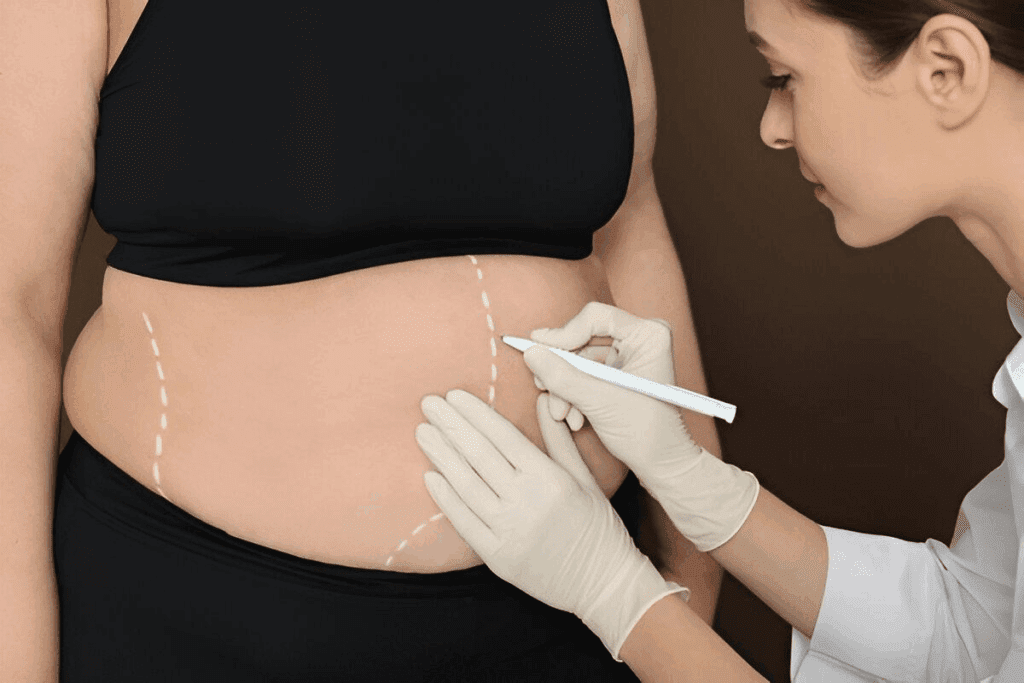
Dumping syndrome is a big problem for people after bariatric surgery. It happens a lot after gastric bypass and sleeve gastrectomy.Symptoms, causes, and management of what is dumping syndrome after bariatric surgery.
This condition happens when food, like sweets or fats, moves too fast from the stomach to the small intestine. It can cause bad symptoms and really hurt a person’s life quality.
Top hospitals focus on helping patients with dumping syndrome. They use the latest medical knowledge and care to help. Knowing about dumping syndrome helps patients take charge of their healing.
Key Takeaways
- Dumping syndrome is a common complication after bariatric surgery.
- It occurs when food moves too quickly from the stomach to the small intestine.
- High-sugar or high-fat foods can trigger dumping syndrome.
- Managing symptoms is key to better life quality.
- Patient-centered care is vital for those with dumping syndrome.
What Is Dumping Syndrome After Bariatric Surgery?

After bariatric surgery, some patients face a complication called dumping syndrome. It happens when food, mainly sugar, moves too fast from the stomach to the small intestine. We will look into what dumping syndrome is, its medical details, and how common it is among those who have had bariatric surgery.
Definition and Medical Overview
Dumping syndrome is when food, not fully digested, quickly moves from the stomach to the small intestine. This skips the usual digestion steps. It can cause symptoms ranging from mild to severe. Doctors see dumping syndrome as a possible side effect of stomach or esophagus surgery, including bariatric procedures.
Dumping syndrome often occurs after stomach or esophagus surgery. It’s also known as rapid gastric emptying. It can be upsetting for patients. But knowing what causes it and its symptoms is key to managing it well.
Prevalence Among Bariatric Surgery Patients
Studies show dumping syndrome affects about 20% to 50% of those who have gastric surgery. The rate varies with different bariatric surgeries. For example, gastric bypass surgery has a higher rate of dumping syndrome, with up to 85% in some studies. Knowing these numbers helps both patients and doctors understand the risks and manage the condition better.
The high rate of dumping syndrome shows the need for detailed care and diet advice after bariatric surgery. By knowing the risks and taking steps to prevent it, patients can lower their chances of getting dumping syndrome.
The Physiological Mechanism of Dumping Syndrome
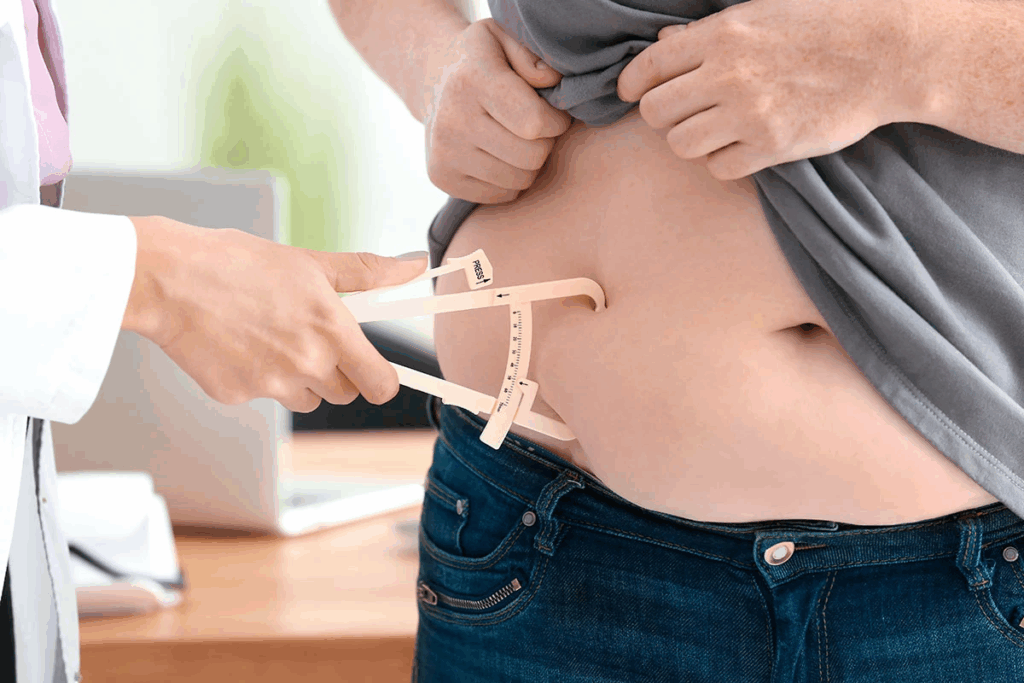
Dumping syndrome happens when food, like high-sugar or high-fat foods, moves too fast from the stomach to the small intestine after bariatric surgery. This is because of the changes made to the digestive system by surgery.
How Normal Digestion Works
Normally, the stomach breaks down food into a semi-liquid called chyme. The stomach controls how much chyme goes to the small intestine, where most nutrients are absorbed. This slow process helps digest and absorb nutrients well.
The stomach is key as it mixes food with enzymes and acids. This prepares it for the small intestine. The pyloric sphincter controls how much chyme goes to the small intestine.
How Bariatric Surgery Alters Digestive Anatomy
Bariatric surgery, like gastric bypass and gastric sleeve, changes the digestive system’s shape. Gastric bypass surgery makes a small stomach pouch and changes the small intestine’s route. Gastric sleeve surgery removes a big part of the stomach, leaving a narrow stomach.
These changes affect digestion and absorption. For example, the smaller stomach means food isn’t held as long. The changed anatomy can make food move too fast into the small intestine.
Why Food “Dumps” Too Quickly
After bariatric surgery, the usual ways to control food release into the small intestine are messed up. So, food can move too fast, causing dumping syndrome. This quick movement can lead to various symptoms, like stomach discomfort and heart problems.
- Food moves too quickly into the small intestine.
- The small intestine isn’t ready for the fast food.
- This can cause a sudden move of fluids into the intestine, leading to symptoms.
Knowing how bariatric surgery changes digestion is important for managing dumping syndrome. By understanding these changes, patients and doctors can work together to lessen symptoms and improve life quality.
Types of Dumping Syndrome
Dumping syndrome is a condition linked to bariatric surgery. It comes in two main types. Knowing about these types helps manage symptoms and improve life for those who’ve had surgery like gastric sleeve or bypass.
Early Dumping Syndrome
Early dumping syndrome starts 10 to 30 minutes after eating. Symptoms include nausea, vomiting, diarrhea, and stomach cramps. These happen because food moves too fast into the small intestine.
- Nausea and vomiting
- Diarrhea
- Abdominal cramps
Late Dumping Syndrome
Late dumping syndrome occurs 1 to 3 hours after eating. It’s marked by symptoms like sweating, dizziness, and confusion. These happen because of too much insulin from a quick rise in blood sugar.
- Sweating
- Dizziness
- Confusion
Key Differences Between Types
The main difference between early and late dumping syndrome is when they happen and their symptoms. Early dumping is about stomach issues from fast food transit. Late dumping is about blood sugar drops.
Knowing these differences helps find the right treatment. This includes changing what you eat and, if needed, getting medical help.
Common Symptoms of Dumping Syndrome
Dumping syndrome can cause a range of symptoms that affect different parts of the body. It happens when food, like sugar, moves too fast from the stomach to the small intestine. This quick move can lead to uncomfortable and sometimes severe symptoms.
Gastrointestinal Symptoms
Gastrointestinal symptoms are common in dumping syndrome. These include:
- Nausea and vomiting
- Stomach cramps
- Diarrhea
- Bloating and feeling too full after eating
These symptoms happen because bariatric surgery changes the stomach’s size and function. This leads to food moving out of the stomach too fast.
Vasomotor and Cardiovascular Symptoms
Dumping syndrome can also cause symptoms related to blood flow and heart health. These symptoms include:
- Flushing
- Dizziness or lightheadedness
- Rapid heart rate
These symptoms come from the body’s reaction to the fast movement of fluids and hormones. This happens when food quickly reaches the intestine.
Hypoglycemic Symptoms in Late Dumping
Late dumping syndrome happens 1-3 hours after eating. It can cause symptoms like:
- Sweating
- Weakness
- Confusion
- Shakiness
These symptoms are due to too much insulin being released. This happens because of the quick rise in blood sugar after eating high-sugar foods.
Knowing these symptoms is key to managing dumping syndrome. By recognizing them and making dietary changes, patients can lessen their discomfort.
Dumping Syndrome After Gastric Bypass Surgery
Gastric bypass surgery changes the stomach and intestine. This can lead to dumping syndrome, where food moves too fast. The surgery makes a small stomach pouch and changes the intestine’s path.
Higher Incidence Rates
People who have gastric bypass surgery often get dumping syndrome. Studies show rates can be as high as 85%. This is because the surgery changes how food moves through the body.
Several factors make dumping syndrome more common after gastric bypass. These include:
- The small stomach pouch limits how much food can be stored.
- The surgery bypasses parts of the stomach and small intestine, changing digestion.
- Food moves too fast into the small intestine, overwhelming the body.
Anatomical Factors Contributing to Symptoms
The changes after gastric bypass surgery are key to dumping syndrome. Knowing these changes helps manage the condition.
The main factors include:
- The small stomach pouch leads to quick filling and emptying.
- The food’s path through the digestive system is altered, bypassing normal controls.
- Food enters the small intestine too fast, upsetting digestion.
Patient Experiences and Case Studies
People’s experiences with dumping syndrome vary. Some have severe symptoms, while others have mild ones. It’s important to understand these experiences to find effective ways to manage the condition.
Studies show that changing diet and lifestyle can help. Eating smaller, more frequent meals and avoiding certain foods can lessen symptoms.
Key Takeaways:
- Gastric bypass surgery often leads to dumping syndrome.
- The surgery’s changes in the body contribute to dumping syndrome.
- Changing diet and lifestyle is key to managing symptoms.
Dumping Syndrome After Gastric Sleeve Surgery
Dumping syndrome after gastric sleeve surgery shows the importance of good care after surgery. Gastric sleeve surgery helps with weight loss, but it can affect digestion. It’s key to know this.
Incidence Rates Compared to Other Procedures
Dumping syndrome is less common after gastric sleeve surgery than after gastric bypass. But, the exact rates vary. Studies show the risk is lower, but it’s not zero. We must think about these numbers when looking at the risks of gastric sleeve surgery.
Unique Aspects of Dumping in Sleeve Patients
Dumping syndrome in gastric sleeve patients is different from those who had gastric bypass. The big change in stomach size can cause dumping syndrome. Knowing this helps us manage symptoms better.
Why Some Sleeve Patients Experience Symptoms
There are many reasons for dumping syndrome in gastric sleeve patients. Changes in stomach size and how it empties can cause it. We need to look at these factors when figuring out who might get dumping syndrome.
Understanding dumping syndrome after gastric sleeve surgery helps us care for patients better. We can use this knowledge to help manage symptoms effectively.
Diagnosing Dumping Syndrome
To diagnose dumping syndrome, doctors use a detailed clinical evaluation and various tests. This method is key to correctly identifying the condition and creating a good treatment plan.
Clinical Evaluation and Symptom Assessment
The first step is a detailed clinical evaluation. Doctors look at the patient’s medical history, focusing on bariatric surgery. They also check the symptoms. Symptoms can include stomach issues, blood pressure changes, and low blood sugar.
Symptom assessment is very important. It helps doctors understand when and how symptoms happen after eating. They use symptom questionnaires to make sure they get all the information.
Diagnostic Tests and Procedures
Several tests can confirm dumping syndrome. The oral glucose tolerance test (OGTT) is often used. It checks blood sugar levels after a glucose solution is consumed. This test can spot both early and late dumping syndrome.
The mixed meal tolerance test is also helpful. It involves eating a meal with carbs, proteins, and fats, then checking the body’s response. It’s a more realistic way to see how the body handles food.
Diagnostic Test | Description | Key Findings in Dumping Syndrome |
Oral Glucose Tolerance Test (OGTT) | Measures blood glucose levels after glucose consumption | Early dumping: Symptoms within 1 hour; Late dumping: Hypoglycemia 1-3 hours post-test |
Mixed Meal Tolerance Test | Assesses response to a mixed meal | Replicates real meal-related symptoms; Helps in assessing both early and late dumping |
Ruling Out Other Post-Bariatric Complications
It’s important to tell dumping syndrome apart from other bariatric surgery complications. Conditions like GERD, small bowel obstruction, or malnutrition can have similar symptoms. A detailed diagnostic process helps rule out these conditions.
By using clinical evaluation, symptom assessment, and diagnostic tests, doctors can accurately diagnose dumping syndrome. This approach helps create a treatment plan that fits each patient’s needs. It ensures patients get the right care and support.
How Long Does Dumping Syndrome Last?
Knowing how long dumping syndrome lasts is key for those who’ve had bariatric surgery. It’s a tough condition to deal with. Knowing what to expect can really improve a patient’s life.
Typical Duration After Different Procedures
The time dumping syndrome lasts can change based on the surgery type. People who had gastric bypass surgery might face symptoms longer than those with gastric sleeve surgery.
- Gastric Bypass Surgery: Symptoms can last from several months to a few years.
- Gastric Sleeve Surgery: Symptoms are usually milder and may go away in a year.
Remember, everyone recovers at their own pace.
Factors That Influence Recovery Time
Several things can affect how long dumping syndrome lasts, including:
- Dietary Changes: Eating the right foods can help manage symptoms.
- Overall Health: Those with health issues might take longer to recover.
- Type of Surgery: The surgery type is a big factor.
Understanding these can help patients manage their condition better.
When to Expect Improvement
Most people see their symptoms get better with time and the right care. This includes:
- Following a strict diet.
- Making lifestyle changes.
- Seeing their healthcare team regularly.
With time and the right care, symptoms can get much better. We suggest patients work with their healthcare team to create a plan for managing dumping syndrome.
Dietary Management of Dumping Syndrome
Managing your diet is key for those with dumping syndrome after bariatric surgery. Making smart food choices and following certain eating habits can help a lot. This can make your symptoms better and improve your life quality.
Recommended Eating Patterns
To handle dumping syndrome well, eating smaller, more frequent meals is a good idea. This method eases the stomach’s work and lowers the chance of symptoms.
- Eat 4-6 small meals all day.
- Go for meals rich in protein and fiber.
- Don’t eat and drink at the same time.
Drinking water between meals, not with them, can also help. It’s best to wait 30 minutes after eating before drinking liquids.
Foods to Avoid
Some foods can make dumping syndrome symptoms worse. Knowing and avoiding these foods is important for managing the condition.
Food Category | Examples | Reason to Avoid |
High-Sugar Foods | Candy, cakes, sugary drinks | Can cause a rapid spike in blood sugar, triggering late dumping syndrome. |
High-Fat Foods | Fried foods, fatty meats | Can slow digestion but may also trigger symptoms in some individuals. |
Carbonated Drinks | Soda, sparkling water | Can cause discomfort and exacerbate symptoms. |
Meal Planning Strategies
Good meal planning is essential for managing dumping syndrome. By planning meals wisely, you can avoid foods that trigger symptoms and keep your diet balanced.
Key Strategies:
- Plan your meals ahead to ensure a balanced diet.
- Keep a food diary to track which foods trigger symptoms.
- Consult with a dietitian or healthcare provider to create a personalized meal plan.
By using these dietary management tips, people with dumping syndrome can lessen their symptoms and feel better overall.
Medical and Surgical Treatment Options
Dietary changes are often the first step against dumping syndrome. But, some people might need medical or surgical treatments. There are many ways to manage symptoms well.
Medications That Can Help
Some medicines can help with dumping syndrome. Acarbose slows down how fast food leaves the stomach. This can make symptoms less severe. Octreotide also helps by slowing down food in the digestive system. It reduces hormones that cause dumping syndrome symptoms.
When Surgical Revision Is Considered
For some, symptoms are too severe despite diet changes and medicines. In these cases, surgical revision might be considered. This surgery changes the original bariatric surgery to fix the problems causing dumping syndrome. Doctors decide this after careful evaluation and talking with the patient.
Emerging Treatments and Research
Research into dumping syndrome is ongoing. As we learn more, new treatments are being developed. These new options could offer better symptom control and a better life for those with dumping syndrome.
Conclusion: Living Successfully with Dumping Syndrome
Living with dumping syndrome can be tough, but it’s not impossible. With the right strategies, people can live active and happy lives. These strategies include changing diets, making lifestyle changes, and sometimes, medical or surgical help.
Managing dumping syndrome well means being careful about what you eat and avoiding things that trigger it. It also means making smart choices in your daily life. Working with healthcare experts to create a plan that fits you is key.
Success in managing dumping syndrome comes from ongoing support and advice. Knowing how to handle it can greatly improve your health and happiness. We’re dedicated to providing top-notch care and support for those dealing with dumping syndrome.
FAQ
What is dumping syndrome after bariatric surgery?
Dumping syndrome happens when food, like sweets or fats, moves too fast from the stomach to the small intestine. This causes symptoms.
How common is dumping syndrome after gastric bypass surgery?
Dumping syndrome is quite common after gastric bypass surgery. Studies show rates up to 85%.
What are the symptoms of dumping syndrome?
Symptoms include nausea, vomiting, diarrhea, and flushing. You might also feel dizzy, have a fast heart rate, sweat, feel weak, or confused.
What is the difference between early and late dumping syndrome?
Early dumping happens soon after eating, in 10 to 30 minutes. Late dumping occurs 1 to 3 hours after eating.
How is dumping syndrome diagnosed?
Doctors diagnose it by checking symptoms and doing tests like the oral glucose tolerance test and mixed meal tolerance test.
How long does dumping syndrome last after bariatric surgery?
How long it lasts varies. It depends on the surgery type and can improve with diet changes.
What dietary changes can help manage dumping syndrome?
Eat smaller, more frequent meals. Avoid sugary and fatty foods. Drink fluids between meals, not with them.
Are there any medications that can help manage dumping syndrome?
Yes, acarbose and octreotide can help. They slow down how fast food leaves the stomach.
Can dumping syndrome occur after gastric sleeve surgery?
Yes, it can happen after gastric sleeve surgery too. It’s less common than with gastric bypass but can occur.
When is surgical revision considered for dumping syndrome?
Surgical revision might be an option for severe cases. This is when other treatments don’t work.
References
- Masclee, G. M. C., et al. (2023). Dumping Syndrome: Pragmatic Treatment Options and Management. Nutrients, 15(21), 4603.https://pmc.ncbi.nlm.nih.gov/articles/PMC10637186/