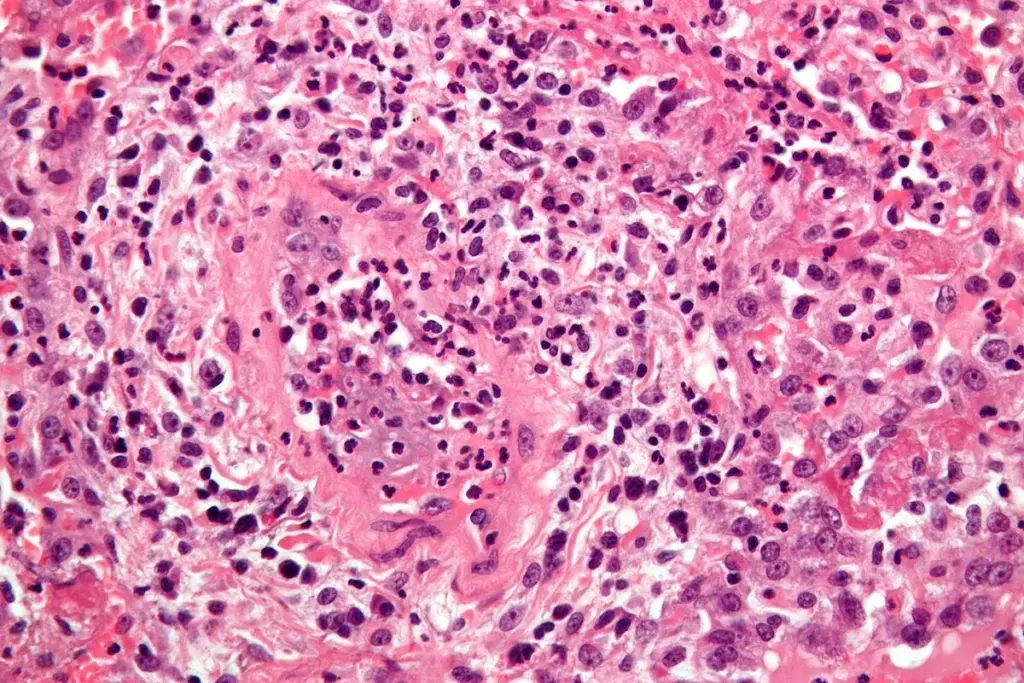
Granulomatosis with Polyangiitis (GPA), also known as Wegener’s granulomatosis, is a rare autoimmune disease. It attacks small and medium-sized blood vessels all over the body.
GPA mainly affects blood vessels in the nose, sinuses, throat, lungs, and kidneys. This condition causes inflammation and damage to organs like the kidneys, lungs, and upper respiratory tract.
At Liv Hospital, we know how critical early diagnosis and treatment are for GPA. We follow the latest academic protocols to ensure our patients get the best care.
Key Takeaways
- GPA is a rare autoimmune disease that affects small and medium-sized blood vessels.
- The condition mainly impacts the respiratory tract and kidneys.
- Early diagnosis is critical for effective treatment and preventing organ damage.
- GPA is characterized by granulomatous inflammation and necrotizing vasculitis.
- Understanding GPA is essential for patients to receive appropriate medical care.
Understanding What Is Granulomatosis With Polyangiitis
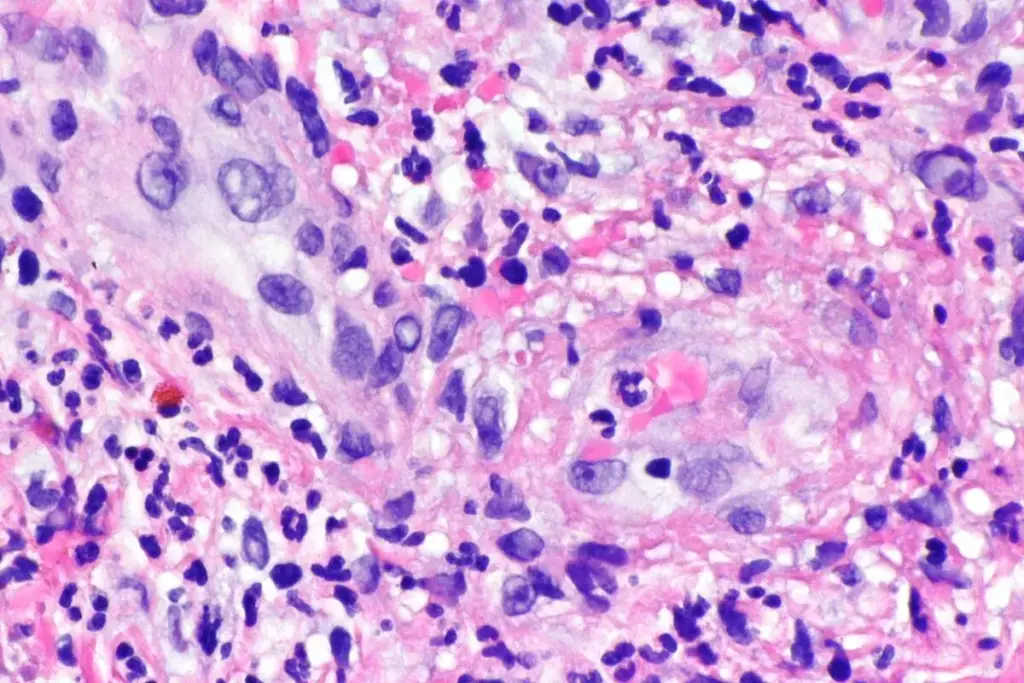
Granulomatosis with polyangiitis (GPA) is a complex autoimmune disorder. It needs a deep understanding for effective management. We will look into its definition, autoimmune aspects, and the history of its naming.
Definition and Autoimmune Nature
GPA is marked by granulomas and vasculitis in small- and medium-sized blood vessels. This autoimmune disease causes inflammation in organs like the respiratory tract and kidneys. It’s complex and requires a detailed understanding of its autoimmune nature.
The autoimmune part of GPA means the body attacks its own tissues. This leads to granulomas and blood vessel inflammation. Symptoms vary greatly among patients. Knowing this is key to finding good treatments.
Renaming from Wegener’s Granulomatosis
GPA was once called Wegener’s granulomatosis, named by a doctor who first described it. But in 2012, it was renamed to granulomatosis with polyangiitis. This change better reflects our modern understanding of the disease.
The name change from Wegener’s to GPA is important. It shows our growing knowledge of the disease’s nature. For more info on GPA, check out Mayo Clinic’s page on Granulomatosis with.
The main features of GPA are:
- Inflammation of blood vessels (vasculitis)
- Granulomas in affected organs
- Multi-organ involvement, mainly the respiratory tract and kidneys
Knowing these points is essential for diagnosing and managing GPA. It shows the need for ongoing research and patient education.
Symptoms and Affected Body Systems
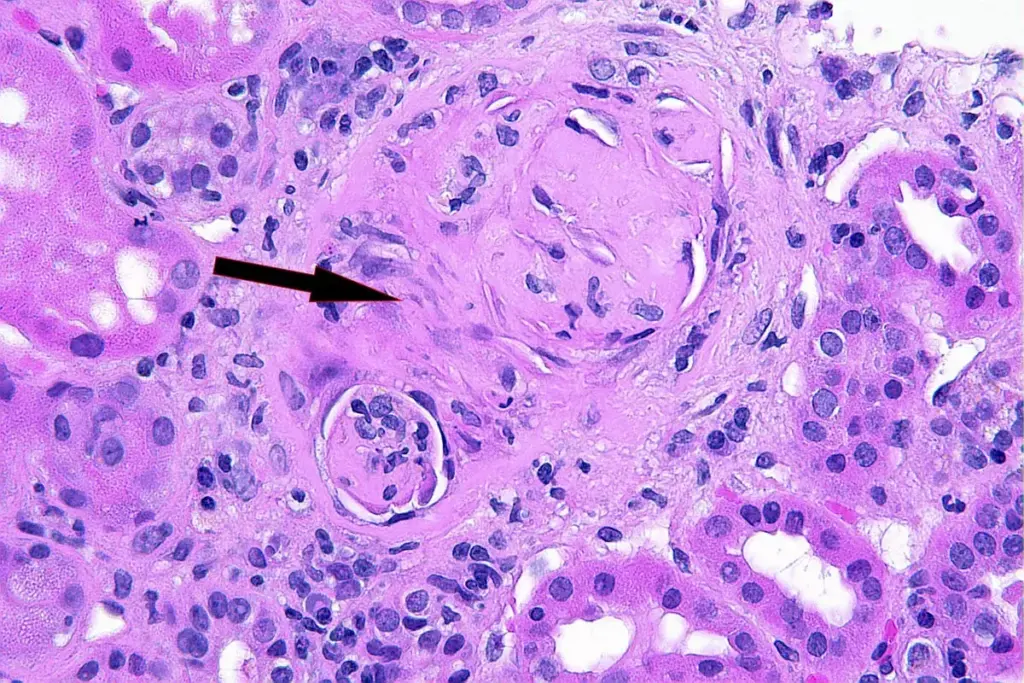
Understanding GPA symptoms is key. It can hit the upper respiratory tract, lungs, kidneys, and more. Each person’s symptoms can be different, making it hard to diagnose and treat.
Upper Respiratory Tract Manifestations
GPA often hits the upper respiratory tract. This can cause chronic sinusitis, nosebleeds, and nasal crusting. These signs can last a long time and don’t always get better with usual treatments. This means we need to look deeper for the cause.
Lung Involvement
Lungs are often affected by GPA. Symptoms include coughing up blood, shortness of breath, and chest pain. The inflammation can cause lung nodules or cavities. These can be seen on imaging studies.
Kidney Damage
Kidney damage is a big problem with GPA. If not treated, it can lead to kidney failure. Signs of kidney trouble include hematuria (blood in the urine) and proteinuria (too much protein in the urine).
Other Organ Systems
GPA can also hit other systems like the eyes, skin, and nervous system. The variety of symptoms shows why we need a thorough diagnostic approach.
| Organ System | Common Symptoms |
| Upper Respiratory Tract | Chronic sinusitis, nosebleeds, nasal crusting |
| Lungs | Coughing up blood, shortness of breath, chest pain |
| Kidneys | Hematuria, proteinuria, kidney failure |
| Other Organs | Eye inflammation, skin lesions, neuropathy |
It’s vital to know about all the symptoms of GPA. This helps us catch it early and manage it better.
Diagnosis and Causes
Diagnosing Granulomatosis with Polyangiitis (GPA) is complex. It involves understanding specific antibodies and using various tests. GPA, once known as Wegener’s Granulomatosis, is a rare autoimmune disorder. It affects many organs, making diagnosis tough.
Role of ANCA Antibodies
ANCA antibodies are key in diagnosing GPA. These antibodies are linked to the disease and are important in its development. There are two main types of ANCA: cytoplasmic (c-ANCA) and perinuclear (p-ANCA). c-ANCA is more often found in GPA.
Diagnostic Tests and Procedures
Healthcare professionals use several tests to confirm GPA. These include:
- Blood tests to find ANCA antibodies and check for inflammation
- Biopsies to look for granulomas and vasculitis in tissues
- Imaging studies like X-rays, CT scans, and MRI to see organ damage
The tests chosen depend on the organs affected and the symptoms’ severity.
| Diagnostic Test | Purpose | Relevance to GPA |
| Blood Tests | Detect ANCA antibodies and assess inflammation | High |
| Biopsy | Examine tissue for granulomas and vasculitis | High |
| Imaging Studies | Evaluate organ damage and disease extent | Moderate to High |
Risk Factors and Triggers
The exact causes of GPA are not known. But, some risk factors and triggers have been found. These include genetics, environment, and infections. Knowing these can help in early diagnosis and treatment.
By understanding ANCA antibodies and using the right tests, doctors can accurately diagnose GPA. They can then create effective treatment plans.
Conclusion
Granulomatosis with polyangiitis (GPA), also known as Wegener’s granulomatosis, is a complex autoimmune condition. It needs thorough care and understanding. With the right treatment, many people with GPA can live active lives.
We’ve looked into what GPA is, its symptoms, how it’s diagnosed, and treatment options. This includes the role of ANCA antibodies and diagnostic tests. Our goal is to help patients and healthcare providers deal with GPA’s challenges.
At our institution, we’re dedicated to top-notch healthcare for international patients. We aim to meet the unique needs of those with GPA. This ensures they get the care and support they need to manage their condition well.
FAQ
What is Granulomatosis with Polyangiitis (GPA)?
Granulomatosis with Polyangiitis (GPA) is a rare disease. It causes inflammation in blood vessels. This can harm organs like the kidneys, lungs, and upper respiratory tract.
What was GPA previously known as?
Before, it was called Wegener’s granulomatosis. Now, it’s known as GPA to better understand the condition.
What are the common symptoms of GPA?
Symptoms vary. They can include nasal crusting, lung nodules, and kidney failure. This depends on which organs are affected.
How is GPA diagnosed?
Doctors use tests to find ANCA antibodies. This helps confirm GPA. They also use other tests and procedures.
What is the role of ANCA antibodies in GPA?
ANCA antibodies are key in GPA. They are often found in people with the disease. This helps doctors diagnose it.
What are the risk factors and possible triggers for GPA?
The exact causes of GPA are not known. But, some risk factors and triggers might play a part. These include genetics and the environment.
How does GPA affect the upper respiratory tract?
GPA can harm the nasal passages and sinuses. This leads to symptoms like nasal crusting and sinusitis. It can also cause breathing problems.
Can GPA cause kidney damage?
Yes, GPA can damage the kidneys. If not treated, it can lead to kidney failure.
What is granulomatosis?
Granulomatosis is when granulomas form. These are inflamed areas in the body. They can happen in the lungs and upper respiratory tract.
Is GPA an autoimmune disease?
Yes, GPA is an autoimmune disease. The immune system attacks the body’s own tissues. This causes inflammation and damage.
What is polyangiitis?
Polyangiitis means inflammation in many blood vessels. It’s a key part of GPA. This inflammation can damage various organs and systems.
References
https://my.clevelandclinic.org/health/diseases/granulomatosis-with-polyangiitis-formerly-wegeners-granulomatosis