

The bird flu outbreak is a big health worry. It’s caused by a very dangerous strain of avian influenza A virus.
This virus was first found in southern China in 1996. It has spread all over the world. It affects not just birds but also dairy cattle and wild birds. By March 2025, the U.S. saw a big outbreak. Over 90.9 million birds were affected in both commercial and backyard flocks.
It’s important to know about the avian flu to fight it well. In the U.S., 70 people got sick from it. Most were workers in dairy and poultry. We need to know the risks and take steps to stay safe.
Key Takeaways
- The bird flu outbreak is a big global health worry.
- The virus has hit millions of birds and many animal types worldwide.
- Most human cases were in workers who had direct contact with animals.
- Knowing how the avian flu spreads is key to fighting it.
- We must take steps to lower the risks of this outbreak.
Understanding H5N1 Bird Flu
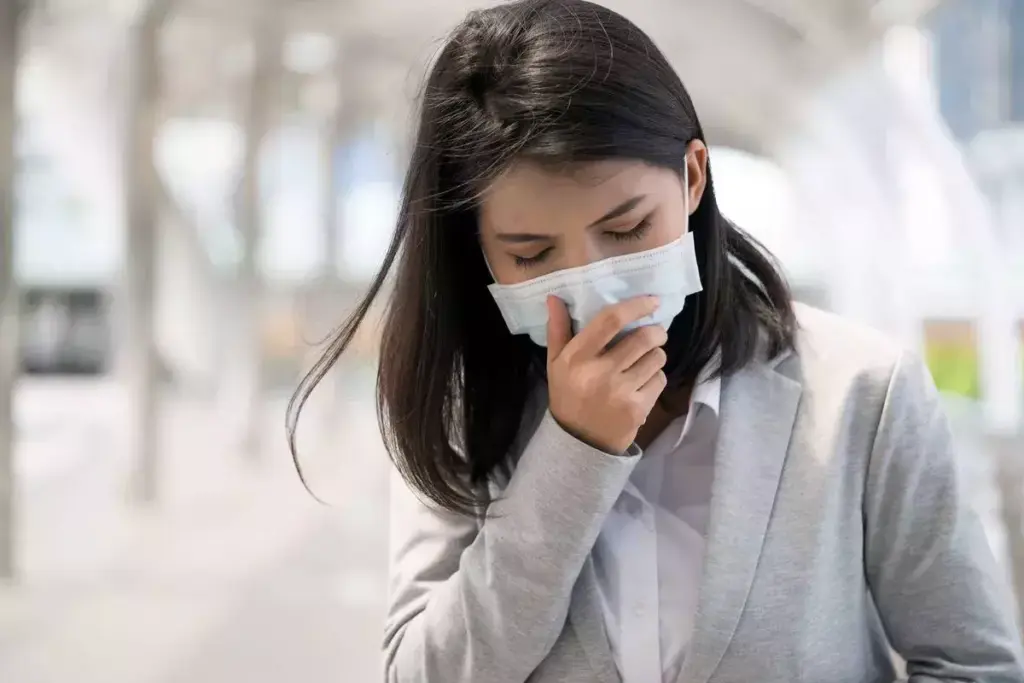
Starting in 1996, the H5N1 bird flu virus has grown, causing big worries worldwide. It was first found in southern China and has spread to many places. It affects birds and sometimes people too.
Origin and Evolution of H5N1
The H5N1 virus is a type of influenza A virus. It has proteins called hemagglutinin (HA) and neuraminidase (NA). It has changed a lot over time, leading to different strains with varying dangers.
Health experts say, “The ongoing change of H5N1 is a big risk for animals and people.” For more info on stopping H5N1 and its dangers, check the Canadian health website.
How H5N1 Spreads Between Species
H5N1 mainly spreads by touching infected birds or places they’ve been. Birds spread the virus through their saliva, mucosa, and feces. Humans can catch it if the virus gets into their eyes, nose, or mouth, or if they breathe it in.
It’s key to know how H5N1 spreads to fight its effects on birds and people. The virus affects not just birds but also dairy cattle and wild birds. This means people who work with these animals are at risk.
The Current H5N1 Pandemic Situation

In the United States, a big H5N1 outbreak has hit over 90 million birds. It has also spread to dairy cattle and wild birds. By January 16th, 2025, 928 dairy cattle herds in 16 states tested positive for H5N1 AI A virus. This shows how far the virus has spread.
2024-2025 Outbreak in the United States
The 2024-2025 outbreak has seen a huge spread of the H5N1 virus across the US. High infectious viral loads have been detected in unpasteurized (“raw”) milk from infected cows. This raises worries about human transmission through contaminated dairy products.
The virus’s behavior is changing, affecting not just poultry but also dairy cattle and wild birds. This makes controlling the virus harder and increases the risk of more mutations.
Impact on Poultry and Dairy Industries
The poultry industry has been hit hard, with over 90 million birds affected. The dairy industry is also facing big challenges due to infected dairy cattle herds.
- The economic impact is huge, with losses in both industries likely to be in the billions.
- Farmers are making tough choices about culling infected herds to stop the virus from spreading further.
- The long-term effects on the supply chain and prices for consumers are uncertain.
Spread to Wild Birds and Mammals
This cross-species transmission makes controlling the virus harder. It also raises fears about the virus becoming more easily spread among humans.
We need to keep a close eye on the situation. We must take steps to reduce risks to both animal and human health.
Human Health Risks and Symptoms
H5N1 bird flu cases are on the rise. It’s vital to understand the health risks it poses. People who come into contact with sick animals need to be careful.
Current Human Cases in the US
By March 2025, 70 human cases have been confirmed in the United States. Most of these cases are among dairy and poultry workers. They have been exposed to infected animals. It’s clear that safety measures and monitoring are essential for these workers.
Typical Symptoms and Severity
Symptoms of A(H5N1) in humans vary. They can be mild or severe. Common symptoms include:
- cough
- shortness of breath
- fever
- aching muscles
- headache
Severe cases can cause pneumonia and acute respiratory distress syndrome. In some cases, it can even be fatal. Early detection and treatment are key.
High-Risk Groups and Activities
Some groups face a higher risk due to their jobs. Dairy and poultry workers are at the greatest risk. They often come into close contact with infected birds or contaminated areas. Activities that increase the risk include:
- Handling infected or potentially infected birds
- Working in environments contaminated with the virus
- Not using appropriate personal protective equipment (PPE)
Knowing the symptoms early and taking preventive steps can help avoid severe outcomes.
Conclusion: Government Response and Protective Measures
The government is taking action against the H5N1 bird flu outbreak. The CDC and federal partners are working together. They aim to monitor and stop the bird virus from spreading.
The CDC is using its flu tracking systems to watch for H5 bird flu in people. They report any avian flu cases. Vaccines for avian influenza are being made to protect those at high risk. They also recommend steps to lower bird flu worries.
To keep ourselves safe, we should avoid touching wild birds and animals. We should wear protective gear when handling poultry or dairy cattle. And we must handle food safely. By staying updated and following these guidelines, we can fight against H5N1 bird flu.
FAQ:
What is H5N1 bird flu, and how does it spread?
H5N1 bird flu is a virus that mainly hits birds but can spread to other animals, including humans. It moves through contact with sick birds or places they’ve touched.
What are the symptoms of H5N1 bird flu in humans?
In people, H5N1 bird flu can cause breathing problems, like coughing and hard breathing. It also brings fever and other body-wide symptoms. Spotting these signs early is key for getting help fast.
Who is at high risk of contracting H5N1 bird flu?
People who work with sick animals, like those in dairy and poultry, face a higher risk. Being close to birds or places they’ve been can also increase your chance of getting sick.
What is being done to address the H5N1 outbreak in the US?
The US government is working hard to fight the outbreak. Agencies like the CDC, USDA, and FDA are watching closely, making vaccines, and taking steps to keep everyone safe.
How can I protect myself from H5N1 bird flu?
To stay safe, keep away from wild birds and animals. Wear protective clothes when around poultry or dairy. Also, handle food safely. Keeping up with news and following advice is important too.
Is it safe to buy chicken and other poultry products now?
Yes, buying chicken and other poultry is usually safe if you handle and cook it right. Just make sure to cook it to the right temperature to avoid getting sick.
What is the current situation with the H5N1 outbreak in the US?
By March 2025, the US saw 70 confirmed human cases, mostly in dairy and poultry workers. The virus has also hit many birds and some dairy animals. This has raised big worries about health risks for animals and people.
Why is the H5N1 bird flu outbreak considered a significant health concern?
The H5N1 outbreak is a big worry because it can jump between species, including to humans. It also harms animals, mainly in the poultry and dairy fields.
References:
National Center for Biotechnology Information. Evidence-Based Medical Insight. Retrieved from https://pmc.ncbi.nlm.nih.gov/articles/PMC12477757/



 Departments
 Related Videos
 Our Doctors
 News
News