
Optic nerve cupping is a condition where the center of the optic nerve head gets bigger. It’s often linked to high eye pressure, which can lead to glaucoma. If you’re worried about your vision, finding out about this condition early is key to avoiding serious eye damage.
When the nerve fibers that carry visual info from your eye to your brain start to disappear, the optic nerve head looks cupped. It’s important to tell the difference between normal variations and signs of disease. This helps protect your vision and quality of life for the long term.
Key Takeaways
- Optic nerve cupping is often associated with glaucoma and increased intraocular pressure.
- Prompt identification is key to avoiding permanent vision loss.
- The condition involves the enlargement of the central cup in the optic nerve head.
- Loss of nerve fibers can lead to a cupped appearance.
- Understanding this condition is vital for maintaining long-term vision health.
Understanding Optic Nerve Cupping and the Cup-to-Disc Ratio
It’s key to know about optic nerve cupping and the cup-to-disc ratio for glaucoma diagnosis. Eye doctors use the cup-to-disc ratio to check the optic nerve’s health.
What the Optic Nerve Cup Represents in Your Eye
The optic nerve cup is a depression in the optic disc’s center. A larger cup can signal issues, like glaucoma. The cup’s size compared to the disc is what we call the cup-to-disc ratio.
Measuring the Cup-to-Disc Ratio: Normal vs. Abnormal Values
A normal cup-to-disc ratio is usually 0.3 or less. But, healthy eyes can have ratios up to 0.5 or a bit higher. A ratio over 0.6, a big difference between eyes, or a rise over time may mean glaucoma risk. Watching these changes is key for early detection.
| Cup-to-Disc Ratio | Interpretation | Glaucoma Risk |
| 0.3 or less | Normal | Low |
| 0.4 to 0.5 | Borderline | Moderate |
| 0.6 or more | Abnormal | High |
Physiological Cupping: When Large Cups Are Normal
Sometimes, a bigger cup-to-disc ratio is just normal, called physiological cupping. This isn’t linked to glaucoma or other problems. It’s vital to tell physiological cupping from glaucomatous cupping with detailed eye exams.
Regular eye checks are critical to watch the optic nerve’s health and catch problems early. Knowing about optic nerve cupping and the cup-to-disc ratio helps us manage and stop vision loss from glaucoma.
What Causes Optic Disk Cupping and Its Link to Glaucoma
Understanding optic disk cupping is key because it’s linked to glaucoma. This condition can be worrying, as it often shows problems like high eye pressure linked to glaucoma.
How Elevated Intraocular Pressure Damages Nerve Fibers
Glaucoma damages the optic nerve, often because of high eye fluid pressure. This pressure slowly damages and kills the nerve fibers. It causes cupping and a slow loss of side vision, often unnoticed until damage is severe.
The damage to nerve fibers is permanent. Early detection and treatment are vital. Studies show managing eye pressure is key to slowing glaucoma and optic nerve damage.
Glaucoma’s Global Impact and Optic Nerve Cupping
Glaucoma is a big health problem worldwide, causing blindness in many. Optic nerve cupping is a sign of glaucoma damage. Knowing how it progresses is key for managing it.
Research shows 26.6 percent of eyes with large optic disc cupping developed retinal nerve fiber layer defects within a median of 5.1 years. This highlights the need for regular checks and early action.
Progression Rates and Long-Term Nerve Fiber Layer Defects
The rate of optic disk cupping progression varies. It depends on factors like eye pressure, age, and overall eye health.
Long-term nerve fiber layer defects are common with cupping. They can lead to permanent vision loss if not treated. Regular eye exams are key to catching these changes early.
Metabolic and Age-Related Risk Factors
High eye pressure, age, and metabolic factors like diabetes also play a big role in glaucoma and optic nerve cupping.
As we get older, the risk of glaucoma goes up. Diabetes and other metabolic issues increase the risk of glaucoma damage. Knowing these risks helps in early detection and management of glaucoma.
Protecting your vision is important. Regular eye exams and managing health conditions can lower glaucoma risk and its impact on your optic nerve.
Optic Nerve Cupping Symptoms and How It’s Diagnosed
Optic nerve cupping often starts without clear symptoms until it’s too late. Regular eye checks are key to catching it early. We know worrying about your eyesight is scary, and finding out early is vital to avoid lasting damage.
Recognizing the Symptoms of Cupping in the Eye
The signs of optic nerve cupping can be hard to spot. Many people don’t notice anything wrong until it’s serious. Getting regular eye exams is important to catch it early.
Some people might notice:
- Slow loss of side vision
- Hard time adjusting to light changes
- Blurry vision
Diagnostic Methods for Detecting Cupped Optic Nerves
Figuring out optic nerve cupping needs a detailed check-up and special tests. We use different ways to see how the optic nerve is doing.
The main ways to diagnose include:
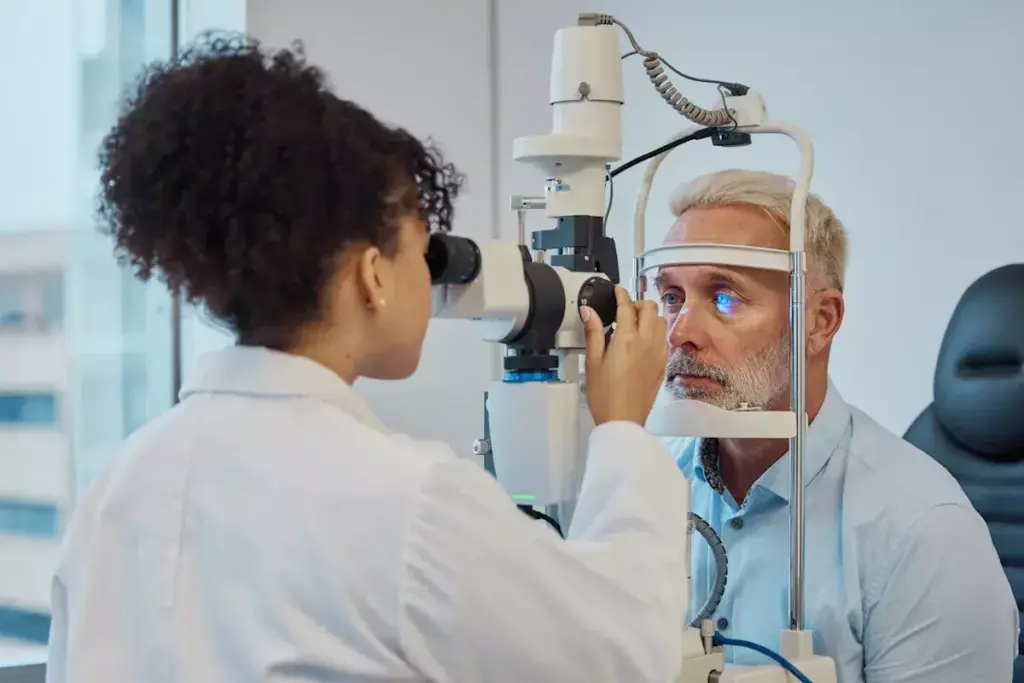
- Looking closely at the optic nerve with a special tool
- Using OCT to check the nerve layer thickness
- Testing the field of vision to find any problems
Avoiding Misdiagnosis: Physiologic vs. Glaucomatous Cupping
Telling physiologic and glaucomatous cupping apart is key. Physiologic cupping is normal, but glaucomatous cupping means you might have glaucoma.
| Characteristics | Physiologic Cupping | Glaucomatous Cupping |
| Optic Nerve Appearance | Normal, with a large cup | Abnormal, with notching or thinning |
| Visual Field | Normal | Defects corresponding to nerve damage |
| Intraocular Pressure | Normal | Often elevated |
Knowing your risk and watching for early signs can help you get help fast. We’re here to give you top-notch care and support.
Conclusion
Understanding optic nerve cupping is key to keeping your eyes healthy. Knowing about this condition helps you get checked early and take care of your eyes. It’s important to have regular eye exams, even more so if you’re at risk.
The cup-to-disc ratio is a big deal for checking the optic nerve’s health. If it’s off, it might mean trouble. We urge everyone to get thorough eye checks to keep their vision sharp for years to come. Knowing the signs of optic cupping can help prevent problems.
Getting checked regularly is the best way to keep your vision safe. We stress the need for active eye care and suggest talking to doctors for the best treatment. This way, you can lower the chance of losing your vision due to optic nerve issues.
FAQ
What is optic nerve cupping?
Optic nerve cupping is the hollowing or excavation of the central part of the optic nerve head, often observed during an eye exam. It can indicate loss of nerve fibers, commonly associated with glaucoma.
What is the significance of the cup-to-disc ratio in assessing optic nerve health?
The cup-to-disc ratio compares the size of the optic cup to the overall optic nerve head. A larger ratio may suggest optic nerve fiber loss and is a key metric for detecting glaucoma or other optic neuropathies.
What is physiological cupping, and when are large cups considered normal?
Physiological cupping refers to a naturally larger optic cup without nerve damage. Large cups can be normal in some individuals, especially if the cup-to-disc ratio is symmetrical and there are no other signs of glaucoma.
How does elevated intraocular pressure damage nerve fibers, and what is its link to glaucoma?
Elevated intraocular pressure can compress and damage optic nerve fibers, leading to progressive vision loss. This is the primary mechanism underlying Glaucoma.
What diagnostic methods are used to detect cupped optic nerves?
Optic nerve cupping is detected through eye exams using ophthalmoscopy, optical coherence tomography (OCT), visual field testing, and sometimes photography to monitor changes over time.
How can physiologic cupping be distinguished from glaucomatous cupping?
Physiologic cupping is usually symmetrical, stable over time, and lacks nerve fiber loss or visual field defects. Glaucomatous cupping is often asymmetrical, progressive, and accompanied by vision changes or thinning of nerve fiber layers.
What are the risk factors associated with optic nerve cupping?
Risk factors include elevated intraocular pressure, family history of glaucoma, age, African or Hispanic ancestry, thin corneas, and certain medical conditions such as diabetes or hypertension.
Can optic nerve cupping be treated, and what are the treatment options?
Cupping itself cannot be reversed, but treatment focuses on preventing further optic nerve damage. Options include lowering intraocular pressure with medications, laser therapy, or surgery for glaucoma management.
References
National Center for Biotechnology Information. Evidence-Based Medical Insight. Retrieved from
https://pubmed.ncbi.nlm.nih.gov/24256877