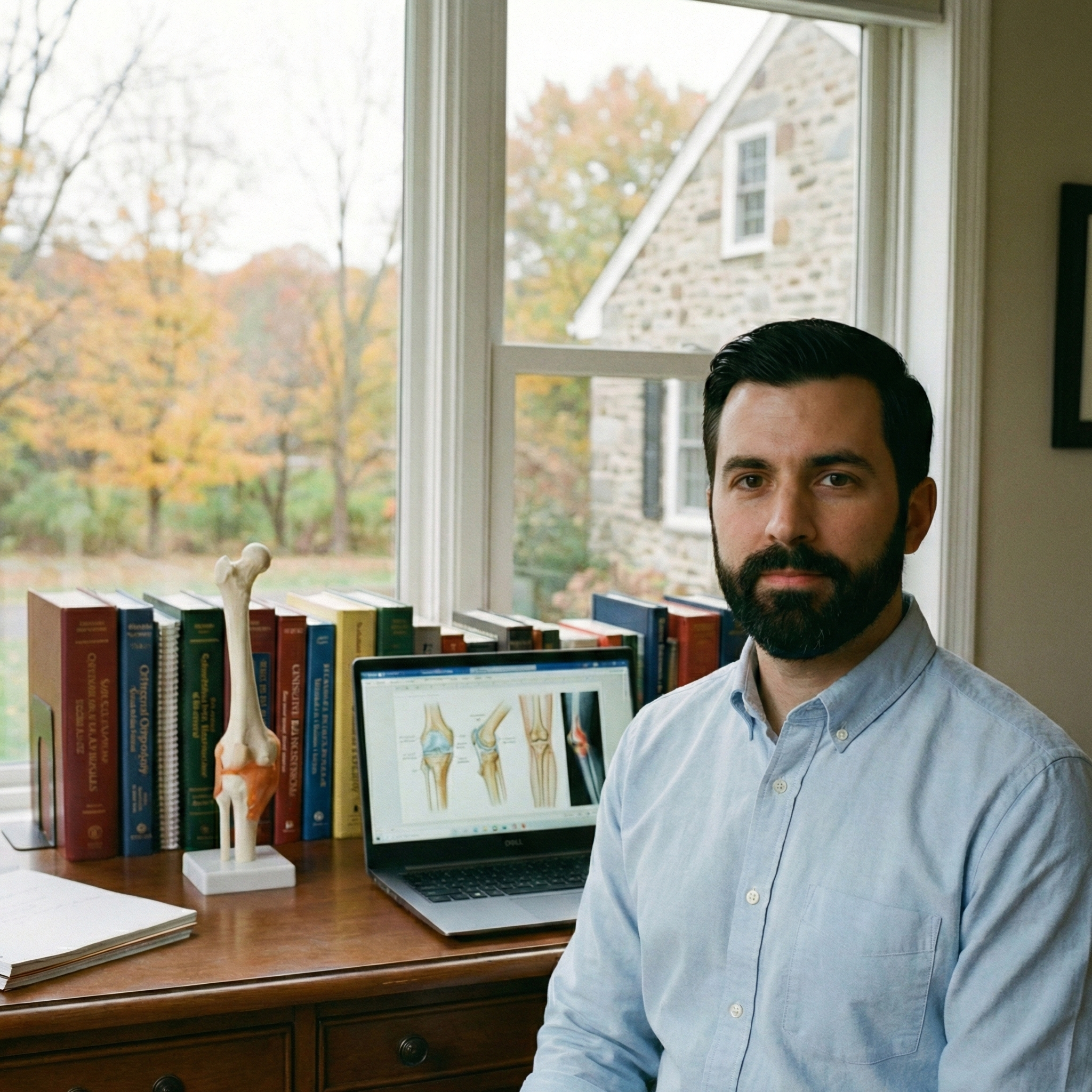
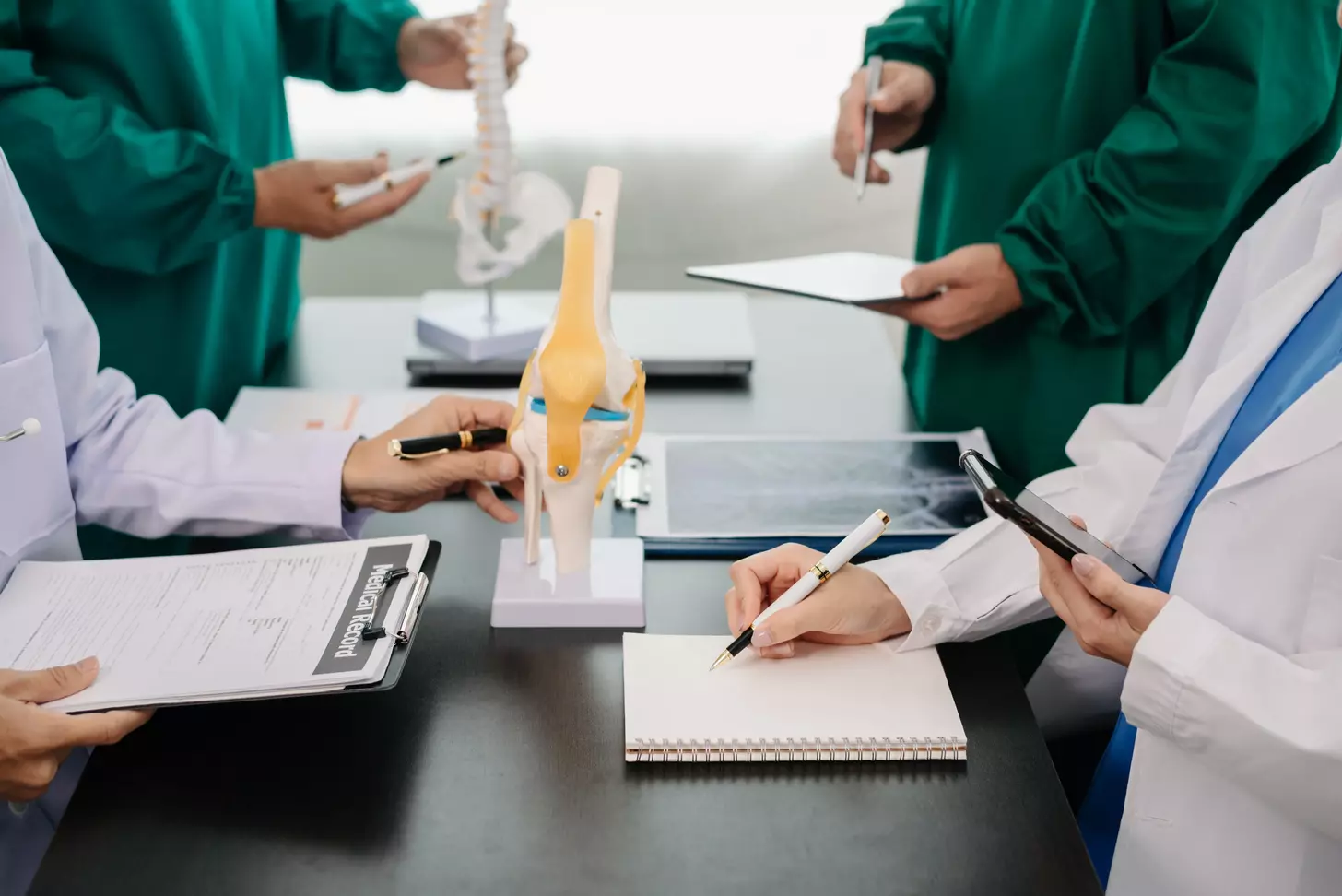
Orthopedics is a key medical field. It deals with diagnosing, treating, and managing injuries and disorders of the musculoskeletal system. This system includes bones, muscles, joints, tendons, ligaments, and nerves. They all work together to help our body move and function.
Orthopedic surgery is all about fixing problems and helping patients feel better. It helps people of all ages, from kids to seniors. It’s important for treating sports injuries, chronic pain, and birth defects, improving life quality.
Understanding orthopedic medical term is key to giving the best care. At Liv Hospital, we use international standards, teamwork, and focus on the patient. This way, we offer caring and top-notch treatment.
Key Takeaways
- Orthopedics is a medical specialty focused on the musculoskeletal system.
- It encompasses diagnosis, treatment, and management of musculoskeletal disorders.
- Orthopedic care is essential for patients across all age groups.
- Advanced orthopedic surgery techniques improve patient outcomes.
- Comprehensive care involves understanding orthopedic medical terminology.
The Definition and Core Focus of Orthopedics
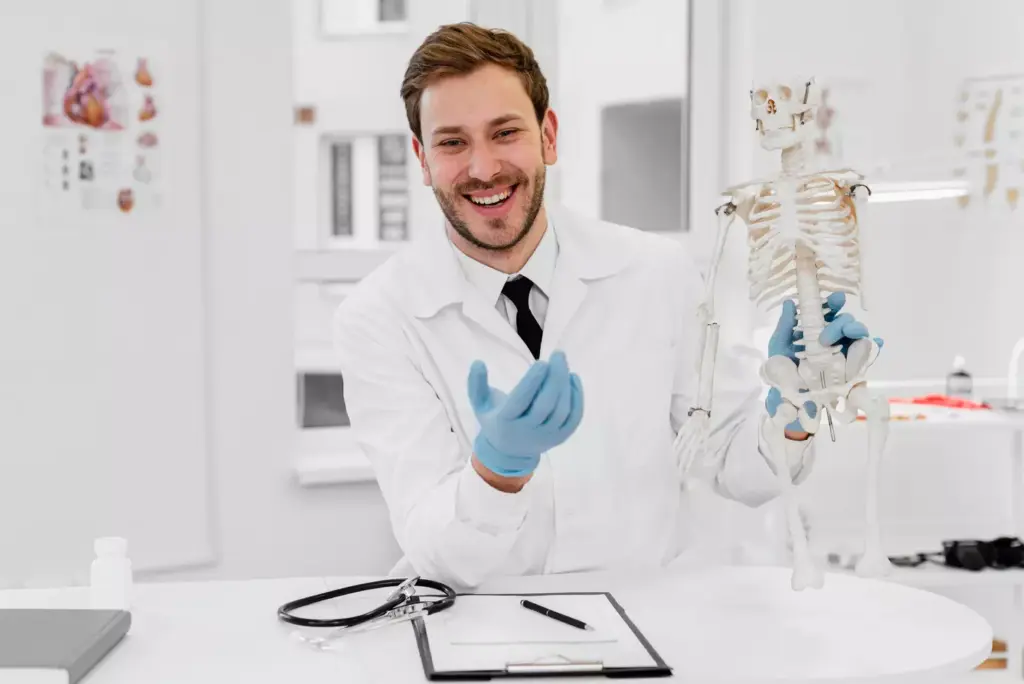
Orthopedics is all about treating musculoskeletal disorders. It uses both surgery and non-surgical methods. This field is a medical specialty that focuses on the musculoskeletal system.
What is the Ortho: Explaining the Medical Specialty
Orthopedists are doctors who treat musculoskeletal conditions. These can be from birth or caused by injury or aging. We use both surgical and nonsurgical methods to restore mobility and improve quality of life for our patients. This way, we can customize treatments for each person, whether it’s physical therapy, medication, or surgery.
Orthopedic care covers a wide range. It includes treating fractures and sprains, and managing chronic conditions like arthritis and osteoporosis. Our goal is to alleviate pain and restore function, helping patients stay independent and active.
The Musculoskeletal System: Bones, System, and Beyond
The musculoskeletal system includes bones, muscles, joints, and soft tissues. It supports, stabilizes, and moves the body. Orthopedists are trained to diagnose and treat conditions affecting any part of this system. By understanding how these components work together, we can better address the complex issues that arise when musculoskeletal disorders occur.
Orthopedists treat a variety of conditions, from congenital deformities to sports or accident injuries. Our approach to care is not just about treating the immediate condition. We also consider the patient’s overall health and well-being.
The Historical Evolution of Orthopedic Medicine
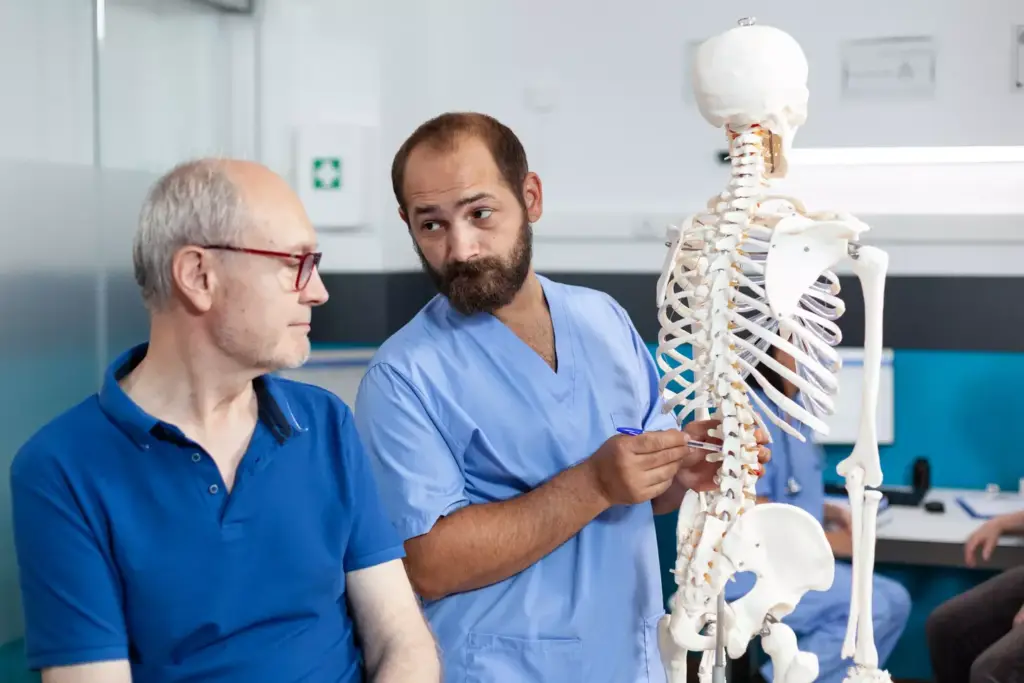
Orthopedic medicine has grown a lot over time. It started by fixing childhood deformities. Now, it helps people of all ages with many health issues.
From Childhood Deformities to Comprehensive Care
Orthopedic medicine began to fix kids’ deformities. The word “orthopedic” comes from Greek words for straight and upbringing. Today, orthopedic doctors treat many health problems, from simple injuries to serious diseases like arthritis.
Orthopedics has changed a lot. New surgery methods, better tools, and treatments have improved care. Now, doctors use surgery, physical therapy, medicine, and lifestyle changes to help patients.
Key Milestones in Orthopedic Development
Orthopedic medicine has seen big changes. X-rays in the late 1800s helped doctors diagnose better. Arthroscopy in the 1900s let for less invasive surgeries, making recovery faster.
Recently, new things like biologics and robotic surgery have come. These help doctors treat patients more precisely and effectively.
| Period | Milestone | Impact on Orthopedics |
|---|---|---|
| Late 19th Century | X-ray Technology | Revolutionized diagnosis of musculoskeletal conditions |
| Mid-20th Century | Arthroscopy | Enabled minimally invasive surgical procedures |
| Early 21st Century | Biologics and Robotic Surgery | Enhanced precision and effectiveness of treatments |
Orthopedic medicine is getting better all the time. We can expect even more progress in treating musculoskeletal disorders in the future.
Common Conditions Treated by Orthopedic Specialists
Orthopedic specialists help treat many musculoskeletal conditions. These issues can cause pain, limit movement, and affect overall health. They are important for people of all ages.
Acute Injuries: Fractures, Sprains, and Dislocations
Many people see orthopedic doctors for acute injuries. Fractures, or broken bones, often happen from accidents. Doctors use casts, braces, or surgery to fix them.
Sprains and dislocations are also treated by these specialists. Sprains hurt ligaments, while dislocations move joints out of place. Quick and right treatment helps avoid lasting damage.
Chronic Conditions: Arthritis, Osteoporosis, and Back Pain
Chronic conditions are a big part of orthopedic care. Arthritis causes a lot of pain and disability. Doctors use medicine, lifestyle changes, and sometimes surgery to help.
Osteoporosis makes bones weak, raising the risk of fractures. Treatment includes medicine, preventing falls, and sometimes surgery to keep bones stable.
Back pain can come from many sources, like degenerative disc disease. Specialists find the cause and plan treatments like physical therapy, injections, or surgery.
Congenital and Developmental Disorders
Certain conditions are present at birth or develop during growth. Orthopedic specialists treat these, like clubfoot and scoliosis. Early treatment is key.
Bracing, physical therapy, or surgery may be used. These treatments help improve function and appearance.
Knowing what orthopedic specialists treat helps patients get the right care. Whether it’s an injury, chronic condition, or congenital disorder, their care is vital. It helps restore function, relieves pain, and improves life quality.
Diagnostic Approaches in Orthopedics
Orthopedists use many methods to check musculoskeletal issues. This ensures they can treat patients well. Finding the right diagnosis is key to creating a good treatment plan.
Physical Examination Techniques
A detailed physical check is the first step in diagnosing orthopedic problems. We look, feel, and check how well joints move. These steps help spot issues like swelling or stiffness.
For example, if someone might have a broken bone, we can feel if it’s moving wrong. We also check muscle strength and nerve function. This helps us see if nerves are being squeezed or damaged.
Imaging Technologies: X-rays, MRI, CT Scans
Imaging is very important in orthopedics. It gives us clear pictures of bones and soft tissues. X-rays show us bone problems like fractures. Magnetic Resonance Imaging (MRI) is great for soft tissues like tendons and cartilage.
Computed Tomography (CT) scans give us detailed views of bones. They’re good for complex fractures or bone lesions. These tools help us confirm what’s wrong and how to fix it.
Laboratory Tests and Other Diagnostic Tools
Laboratory tests are also important. Blood tests can spot things like rheumatoid arthritis. Arthrocentesis (joint aspiration) lets us check joint fluid for infections or other problems.
Tools like electromyography (EMG) and nerve conduction studies check muscles and nerves. They’re useful for finding issues like nerve damage or muscle diseases.
By using all these methods, we can find and treat many musculoskeletal problems. This includes both sudden injuries and long-term diseases.
Treatment Modalities in Orthopedic Care
Effective orthopedic care uses many approaches. This includes non-surgical treatments, surgery, and rehab. Each patient’s needs are different, so we tailor our plans to fit their specific conditions.
Non-Surgical Interventions
Non-surgical treatments are often the first step. They include:
- Medications to manage pain and inflammation
- Physical therapy to improve strength and flexibility
- Lifestyle changes, like losing weight and exercising
- Orthotic devices to support and stabilize joints
We focus on non-surgical options first. A leading orthopedic surgeon says, “Non-surgical treatments can greatly help manage symptoms and improve life quality for patients with musculoskeletal conditions.”
“The goal of non-surgical treatment is to alleviate pain, restore function, and improve the overall quality of life for our patients.”
Surgical Procedures and Techniques
When non-surgical methods don’t work, surgery might be needed. Orthopedic surgeons use various techniques, from traditional open surgery to minimally invasive methods.
Some common surgeries include:
- Joint replacement surgery (e.g., hip, knee, shoulder)
- Arthroscopic surgery for both diagnosis and treatment
- Osteotomy to correct bone deformities
- Spinal surgery for conditions like herniated discs or spinal stenosis
Advances in surgery have greatly improved care. Minimally invasive techniques offer smaller incisions, less damage, and faster recovery.
Rehabilitation and Physical Therapy
Rehabilitation is key in orthopedic care. It helps patients regain strength, mobility, and function after injury or surgery. Physical therapists create personalized exercise plans for each patient.
The goals of rehab include:
- Restoring range of motion and flexibility
- Strengthening muscles to support joints and improve stability
- Improving balance and coordination
- Enhancing overall functional ability
We believe a complete approach to orthopedic care is best. This includes non-surgical and surgical treatments, plus rehab. By working with our patients, we create effective plans that meet their unique needs and promote long-term health.
The Global Impact of Musculoskeletal Conditions
Orthopedic disorders are a major cause of disability worldwide. They put a big burden on both individuals and societies. The World Health Organization (WHO) says musculoskeletal conditions are a top reason for severe pain and disability globally musculoskeletal conditions fact sheet.
Prevalence and Burden of Orthopedic Disorders Worldwide
Musculoskeletal disorders affect millions worldwide, impacting healthcare systems a lot. These conditions are becoming more common due to an aging population and rising obesity. Common issues include osteoarthritis, rheumatoid arthritis, osteoporosis, and back pain.
“The burden of musculoskeletal disorders is huge, affecting healthcare costs and productivity,” global health experts say. We need to tackle this issue with strong healthcare plans.
Access to Orthopedic Care: Challenges and Solutions
Getting orthopedic care varies a lot around the world. In many places, there aren’t enough orthopedic specialists, mainly in low-income and middle-income countries. This problem is made worse by poor healthcare setups and not enough knowledge about orthopedic issues.
To solve these problems, we should:
- Train more orthopedic specialists.
- Upgrade healthcare facilities and equipment.
- Spread the word about orthopedic conditions and treatments.
- Encourage preventive actions like exercise and healthy living.
By doing these things, we can make orthopedic care more accessible. This will help lessen the global impact of musculoskeletal disorders. It’s key to focus on orthopedic surgery definition and education to ensure patients get the right care.
The Orthopedic Department: Structure and Function
Orthopedic departments focus on treating musculoskeletal conditions. They are key in giving patients the care they need for various orthopedic issues.
The Multidisciplinary Orthopedic Care Team
An orthopedic department has a multidisciplinary team of healthcare experts. This team works together to give patients care that fits their needs. The team includes:
- Orthopedic surgeons
- Physical therapists
- Occupational therapists
- Nurses specialized in orthopedic care
- Other support staff, such as radiologists and anesthesiologists
Effective communication among team members is key for quality patient care. Together, they create a treatment plan that covers all aspects of the patient’s condition.
| Team Member | Role |
|---|---|
| Orthopedic Surgeon | Diagnoses and treats musculoskeletal conditions, performs surgery |
| Physical Therapist | Helps patients regain mobility and strength through exercise and therapy |
| Occupational Therapist | Assists patients in adapting to their condition and improving daily functioning |
What to Expect When Visiting an Orthopedic Department
Visiting an orthopedic department means a detailed check-up. It starts with a detailed medical history and physical exam. More tests like X-rays or MRI scans might follow based on the findings.
After the diagnosis, the team will talk about treatment options. These could be non-surgical interventions or surgical procedures for serious cases.
The orthopedic care team works with the patient throughout treatment. They monitor progress and adjust the plan as needed. This teamwork ensures patients get the best care for their orthopedic needs.
Innovations and Future Trends in Orthopedics
Orthopedics is on the verge of big changes thanks to regenerative medicine and biologics. The field is always growing, thanks to new surgical methods and better patient care.
Minimally Invasive Techniques and Robotic Surgery
Minimally invasive surgery has changed orthopedics for the better. It means smaller cuts, less damage, and faster healing. Robotic surgery adds even more precision, making results better.
Benefits of Minimally Invasive and Robotic Surgery:
- Reduced recovery time
- Less post-operative pain
- Improved precision and accuracy
- Smaller scars
| Technique | Advantages | Potential Complications |
|---|---|---|
| Minimally Invasive Surgery | Less tissue damage, quicker recovery | Infection, nerve damage |
| Robotic Surgery | High precision, improved accuracy | Technical malfunctions, increased cost |
Regenerative Medicine and Biologics
Regenerative medicine and biologics are big steps forward in orthopedics. They use the body’s healing powers to fix or replace damaged tissues. We’re looking into stem cells, platelet-rich plasma (PRP), and more to treat orthopedic issues.
The use of biologics is opening new avenues for the treatment of complex orthopedic cases.
Personalized Treatment Approaches
Personalized medicine is changing orthopedic care. It means treatments are made just for each patient. We’re using advanced tools and genetic info to create better plans.
These new ideas are making care better and outcomes better. As orthopedics keeps growing, we’ll see even more exciting changes ahead.
Conclusion: The Vital Role of Orthopedics in Healthcare
Orthopedics is a key part of healthcare, focusing on musculoskeletal conditions. It covers a wide range of treatments for disorders affecting the musculoskeletal system.
Orthopedics is vital in healthcare systems around the world. It provides care that helps patients move better and live better lives. The orthopedic department has a team of specialists who work together to treat musculoskeletal disorders.
As we keep improving in Orthopedics, it’s clear this field will keep being important. It helps deal with musculoskeletal conditions worldwide. Understanding Orthopedics shows us its big impact on patients and healthcare.
What is Orthopedics?
Orthopedics is a medical field that deals with the musculoskeletal system. This includes bones, muscles, and joints. It aims to prevent and treat disorders and injuries in these areas.
What conditions do Orthopedic specialists treat?
Orthopedic specialists treat many conditions. This includes acute injuries like fractures and sprains. They also treat chronic conditions like arthritis and osteoporosis, and congenital disorders.
What diagnostic approaches are used in Orthopedics?
Orthopedists use several diagnostic methods. These include physical exams, X-rays, MRI, and lab tests. These help diagnose and manage musculoskeletal conditions.
What treatment modalities are used in Orthopedic care?
Orthopedic care offers many treatment options. This includes non-surgical treatments, surgery, and physical therapy. These aim to improve mobility and quality of life.
What is the role of an Orthopedic department?
An Orthopedic department provides full care for musculoskeletal conditions. They have a team of specialists, diagnostic services, and treatment options.
What can I expect when visiting an Orthopedic department?
Visiting an Orthopedic department means a thorough evaluation. You’ll get a diagnosis and a treatment plan. This may include non-surgical or surgical options and rehabilitation.
What are some innovations in Orthopedics?
Orthopedics has seen many innovations. These include minimally invasive surgery, robotic surgery, regenerative medicine, and biologics. These advancements improve treatment outcomes and patient care.
Why is Orthopedic care important?
Orthopedic care is vital for improving mobility and quality of life. It addresses the global burden of musculoskeletal disorders.
What is the significance of Orthopedic surgery?
Orthopedic surgery is a key treatment for musculoskeletal conditions. It aims to restore function, alleviate pain, and improve outcomes.
How has Orthopedics evolved over time?
Orthopedics has grown a lot. It started with treating childhood deformities and now offers full care for all ages. Advances in diagnosis and treatment have been key.
What is Orthopedic rehabilitation?
Orthopedic rehabilitation is a key part of care. It focuses on restoring function, mobility, and strength after injury or surgery. It often involves physical therapy and other interventions.
What is the role of Orthopedists in patient care?
Orthopedists are essential in patient care. They provide expert diagnosis, treatment, and guidance. This helps patients manage musculoskeletal conditions and achieve the best outcomes.
- Medical News Today. (2023, April 25). What is orthopedics? Retrieved from https://www.medicalnewstoday.com/articles/what-is-orthopedics Medical News Today
- American Academy of Orthopaedic Surgeons. (n.d.). Orthopaedics (OrthoInfo). Retrieved from https://orthoinfo.aaos.org/en/treatment/orthopaedics/
- Wikipedia contributors. (n.d.). Orthopedic surgery. In Wikipedia. Retrieved from https://en.wikipedia.org/wiki/Orthopedic_surgery Wikipedia
- Association of American Medical Colleges. (n.d.). Orthopaedic surgery specialty profile. In Careers in Medicine. Retrieved from https://careersinmedicine.aamc.org/explore-options/specialty-profiles/orthopaedic-surgery
- The Ortho Group. (n.d.). Frequently asked questions about orthopaedics. Retrieved from https://www.theorthogroup.com/patient-resources/frequently-asked-questions-about-orthopaedics/