
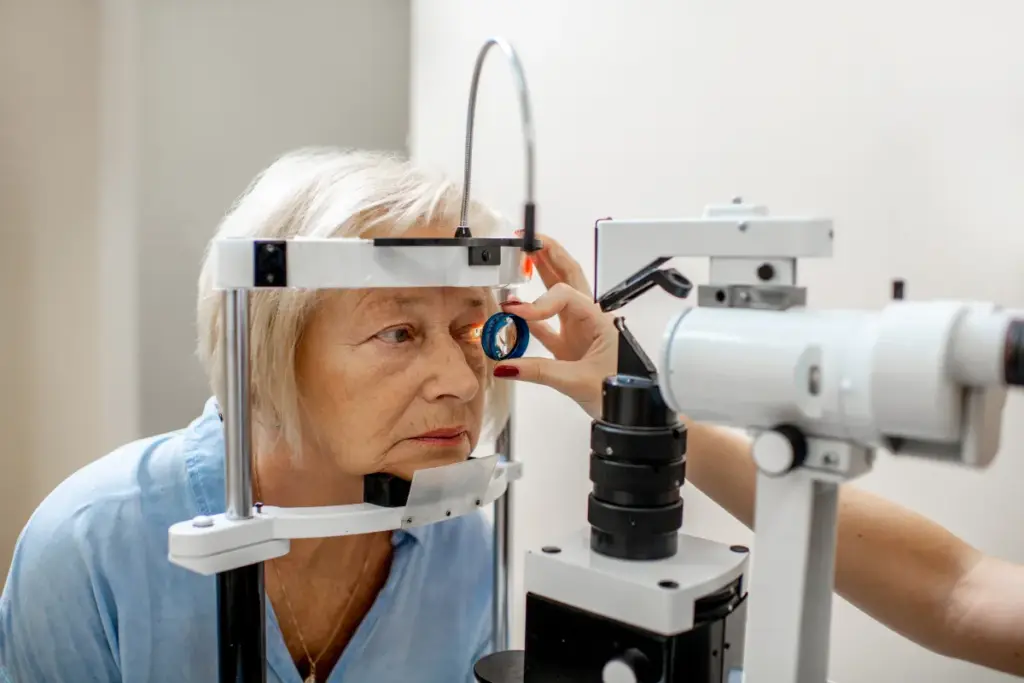
Primary Open Angle Glaucoma (POAG) is a serious eye condition. It damages the optic nerve, leading to permanent vision loss if not treated. POAG is a major cause of blindness worldwide and gets more common with age.
POAG causes the loss of ganglion cells and a decline in visual field. Yet, the eye’s drainage angle stays open. As we get older, the chance of getting POAG grows. Studies show it affects 1.1% of people aged 40-49 and 9.2% of those over 80.
Knowing about POAG is key to catching it early and treating it. This can greatly improve life quality for those affected. We stress the need for thorough screenings and proven treatments to safeguard your vision.
Key Takeaways
- POAG is a progressive optic neuropathy that can lead to irreversible blindness.
- The prevalence of POAG increases significantly with age.
- Early detection and treatment are critical to prevent vision loss.
- Comprehensive screening is vital for spotting POAG.
- Evidence-based treatment plans can protect your eyesight.
Understanding Primary Open Angle Glaucoma: Definition and Global Impact
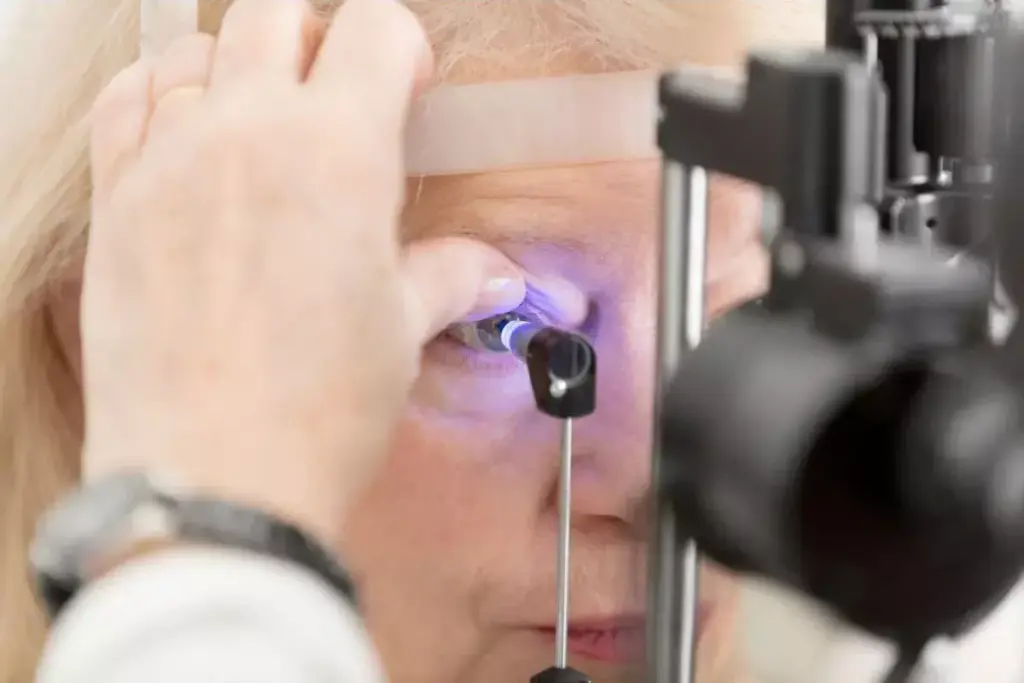
POAG is a chronic condition that affects millions worldwide. It causes progressive optic neuropathy and vision impairment if untreated. Understanding POAG is key for both patients and healthcare providers.
What is POAG in Ophthalmology?
In ophthalmology, POAG is a degeneration of the optic nerve. It leads to progressive and irreversible vision loss. It’s called “open angle” because the eye’s drainage angle stays open.
This condition often progresses without symptoms until vision loss is significant. It’s called the “sneak thief of sight.”
The pathophysiology of POAG involves optic nerve degeneration. It’s often linked to increased intraocular pressure (IOP). But, POAG can also occur with normal IOP, showing its complexity.
Global Prevalence and Future Projections
The global prevalence of POAG varies across populations. Studies show that it increases with age. The prevalence ranges from 1.1% at age 40-49 to 9.2% at age over 80.
Men are generally more susceptible to POAG than women. The reasons for this disparity are not fully understood.
| Age Group | POAG Prevalence (%) |
| 40-49 | 1.1 |
| 50-59 | 2.5 |
| 60-69 | 5.0 |
| 70-79 | 7.5 |
| >80 | 9.2 |
Global projections show that glaucoma cases will increase to 111.8 million by 2040. Asia and Africa will see higher numbers. This highlights the need for better awareness, screening, and treatment programs.
How Open Angle Glaucoma Damages Your Eyes and Who Is at Risk
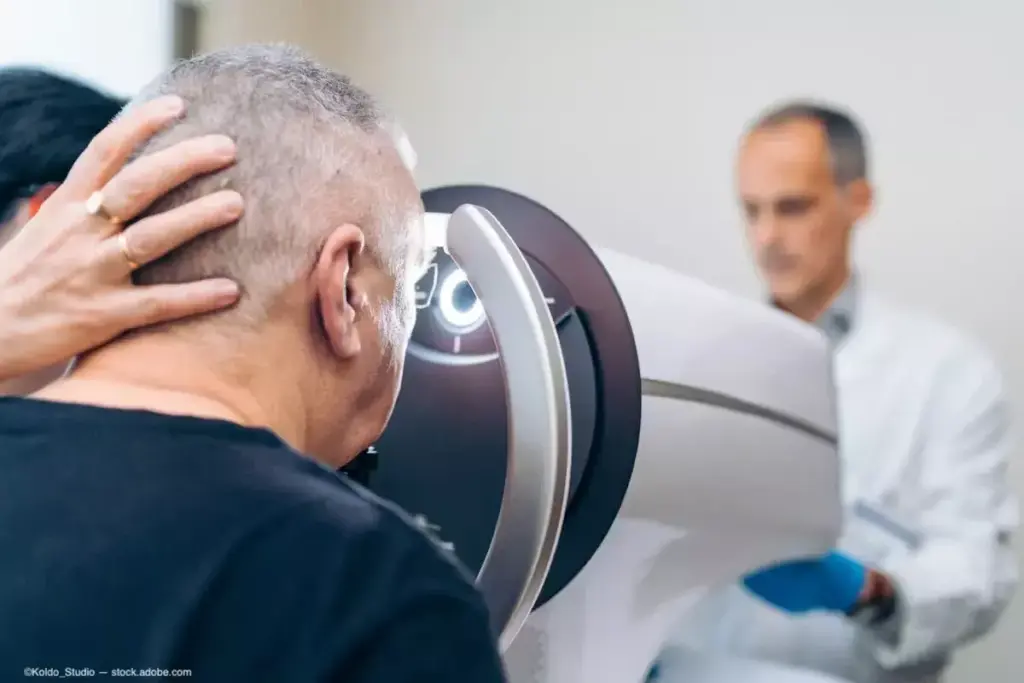
Open Angle Glaucoma is a leading cause of blindness. It damages eyes through a complex process involving intraocular pressure. This condition often goes unnoticed until vision loss is severe.
The Mechanism: Intraocular Pressure and Fluid Blockage
The eye makes and drains a fluid called aqueous humor. In Open Angle Glaucoma, the trabecular meshwork can’t drain this fluid well. This leads to intraocular pressure going up, harming the optic nerve.
The high intraocular pressure comes from poor fluid circulation. It damages the optic nerve, which is key for vision.
Progressive Optic Nerve Damage and Vision Loss
As Open Angle Glaucoma gets worse, the optic nerve keeps getting damaged. This damage is permanent and causes vision loss. First, peripheral vision goes, but without treatment, it can lead to total blindness.
Knowing the risks and how Open Angle Glaucoma works is key for early detection. Regular eye checks can spot increased intraocular pressure and glaucoma signs early.
Key Risk Factors for Chronic Open Angle Glaucoma
Several factors raise the risk of chronic Open Angle Glaucoma. These include:
| Risk Factor | Description |
| Age | The risk goes up after 40. |
| Family History | Having glaucoma in your family increases your risk. |
| Diabetes | Diabetes makes you more likely to get glaucoma. |
| Severe Nearsightedness | Being very nearsighted can raise your glaucoma risk. |
Knowing these risk factors and how Open Angle Glaucoma works can help catch it early. This can save your vision.
Conclusion
Understanding primary open angle glaucoma is key to catching it early and treating it well. We’ve looked at how POAG harms the eyes, the main risk factors, and the treatments available. These include eye drops, laser therapy, and surgery, all aimed at reducing eye pressure and stopping damage.
POAG is a big cause of permanent blindness around the world. It’s important to be aware and take action to protect our sight. By knowing the risks and understanding the condition, we can get the right medical care. This could help prevent losing our vision.
As we keep improving in eye care, it’s more important than ever to catch and treat open angle glaucoma early. We must stay alert and take action to manage oag glaucoma. This helps keep our vision and quality of life intact.
FAQ
What is Primary Open Angle Glaucoma (POAG)?
Primary Open Angle Glaucoma (POAG) is a chronic, progressive optic neuropathy where the drainage angle remains open but gradual fluid outflow resistance damages the optic nerve.
How does POAG damage the eyes?
POAG damages the eyes by slowly increasing intraocular pressure or causing pressure-related stress that leads to irreversible optic nerve fiber loss.
What are the risk factors for developing POAG?
Risk factors include elevated intraocular pressure, older age, family history, African ancestry, thin cornea, diabetes, and long-term steroid use.
How does intraocular pressure contribute to POAG?
Increased intraocular pressure contributes to POAG by compressing and damaging optic nerve fibers over time.
What are the treatment options for managing POAG?
Treatment options include pressure-lowering eye drops, laser trabeculoplasty, and surgical procedures to improve aqueous outflow.
Why is early detection of POAG important?
Early detection is important because vision loss from POAG is permanent but can be slowed with timely treatment.
How does POAG affect vision?
POAG gradually causes peripheral vision loss that may progress to tunnel vision and eventual blindness if untreated.
What is the global impact of POAG?
POAG is one of the leading causes of irreversible blindness worldwide, significantly affecting quality of life and healthcare systems.
References
Acute angle-closure glaucoma is an ocular emergency that results from a rapid increase in intraocular pressure due to outflow obstruction of aqueous humohttps://www.ncbi.nlm.nih.gov/books/NBK430857/



 Departments
 Related Videos
 Our Doctors
 News
News