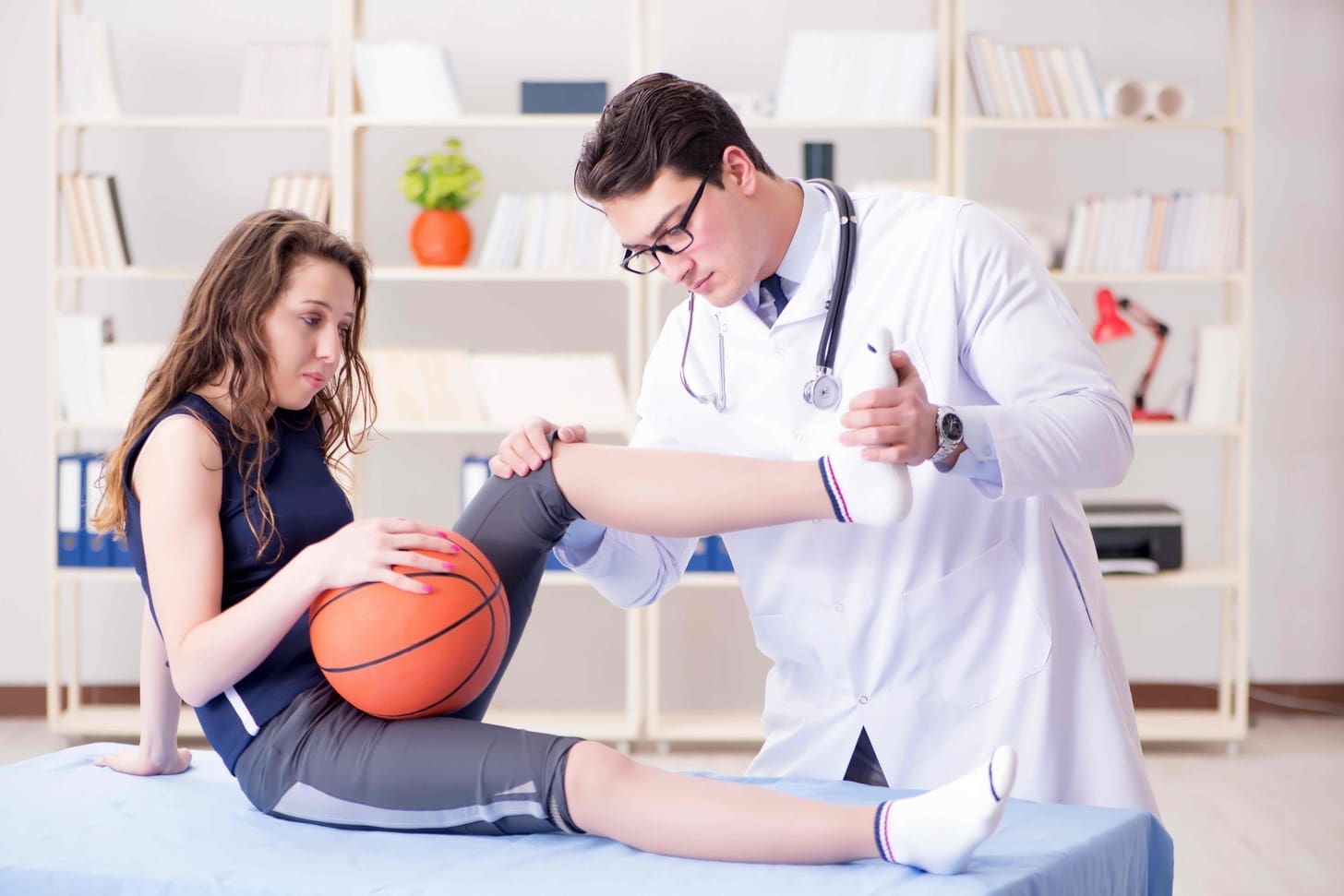
Sports medicine is a field that deals with injuries and health issues from physical activity. It aims to prevent, diagnose, treat, and help people recover.
Preventative care is key to keeping athletes and active people healthy. It combines knowledge from orthopedics, exercise science, nutrition, and rehab. This way, sports medicine boosts overall health and performance.
This field does more than just treat injuries. It also focuses on preventing them and boosting athletic skills. At Liv Hospital, we put patients first and offer ethical care. We’re a reliable source for sports medicine and prevention.
Key Takeaways
- Sports medicine is a multidisciplinary field focused on prevention, diagnosis, treatment, and rehabilitation.
- Preventative care is essential for maintaining athlete health and performance.
- Sports medicine integrates various medical specialties to enhance overall well-being.
- Liv Hospital provides patient-centered and ethical care in sports medicine.
- Preventative strategies are key in sports medicine.
The Evolution and Scope of Sports Medicine

Sports medicine has changed a lot over time. It has grown into a full medical field. It’s now recognized and used worldwide, helping athletes at all levels.
The field now covers many areas like orthopedics, exercise science, nutrition, and rehab. This mix of disciplines helps athletes perform better and stay healthy.
Historical Development of Sports Medicine
Way back, ancient cultures had doctors and trainers for athletes. But, sports medicine really started to form in the 20th century. Groups like the American Orthopaedic Society for Sports Medicine (AOSSM) and the American Medical Society for Sports Medicine (AMSSM) were key in its growth.
Over time, sports medicine got better with new tech and understanding of the body. This has helped athletes get better care, leading to better health and performance.
Modern Applications and Reach
Now, sports medicine is used in over 50 countries. It helps athletes from casual to pro levels. It’s not just for fixing injuries anymore. It also helps prevent them and improve performance.
Today, sports medicine includes many services. These include screenings, training advice, injury prevention, and nutrition and mental support. This all-around care helps athletes in many ways.
How to Define Sports Medicine: A Multidisciplinary Approach

Sports medicine focuses on improving athletic performance and health. It involves a team of healthcare experts like doctors, physiotherapists, and trainers. This teamwork ensures athletes get care that meets their unique needs.
Core Principles and Objectives
The main goals of sports medicine are to prevent, diagnose, and treat sports-related injuries. We aim to provide care that covers physical, nutritional, and physiological aspects. This approach helps improve athletes’ health and performance.
Key components of sports medicine include:
- Injury prevention and education
- Diagnosis and treatment of acute and chronic injuries
- Rehabilitation and return-to-play protocols
- Nutritional guidance and counseling
Integrating Orthopedics, Exercise Physiology, and Nutrition
Orthopedics, exercise physiology, and nutrition are essential in sports medicine. Orthopedics helps with musculoskeletal injuries. Exercise physiology focuses on how the body responds to exercise. Nutrition affects energy, recovery, and performance.
The synergy between these disciplines is key to providing complete care. For example, a sports medicine doctor might team up with an orthopedic surgeon for musculoskeletal injuries. An exercise physiologist and nutritionist create a customized training and nutrition plan for athletes.
| Discipline | Role in Sports Medicine | Example Contributions |
|---|---|---|
| Orthopedics | Diagnosis and treatment of musculoskeletal injuries | Surgical interventions, joint injections |
| Exercise Physiology | Understanding bodily responses to exercise, optimizing performance | Personalized training plans, performance testing |
| Nutrition | Nutritional guidance for optimal performance and recovery | Dietary planning, supplementation advice |
By combining these disciplines, sports medicine offers a complete approach to athlete care. This strategy enhances performance and health. It makes sports medicine a unique and essential field in healthcare.
Key Professionals in the Sports Medicine Field
Effective sports medicine needs a team effort. Each professional brings their own skills to the table. A team approach is key for caring for athletes and those who are active.
Sports Medicine Physicians
Sports medicine doctors are vital for diagnosing and treating sports injuries. They have special training in sports medicine. This lets them give expert care to athletes.
An expert said, “The goal of sports medicine is not just to treat injuries, but to prevent them and optimize performance.” These doctors work with others to create treatment plans for each athlete.
Athletic Trainers and Physical Therapists
Athletic trainers and physical therapists are key team members. Athletic trainers help athletes right after an injury. They figure out how bad the injury is and plan the recovery.
Physical therapists help athletes get back to their sport. They focus on strength, flexibility, and movement. Together, they make sure athletes can safely play again.
The National Athletic Trainers’ Association says, “Athletic trainers are highly qualified healthcare professionals who provide specialized care to athletes.” Their skills are essential for injury prevention and improving athletic performance.
Nutritionists and Exercise Physiologists
Nutritionists and exercise physiologists are also important. Nutritionists help athletes with their diet. They advise on what to eat, drink, and take as supplements.
Exercise physiologists create workout plans for athletes. They focus on heart health, strength, and endurance. This helps athletes perform better.
“Proper nutrition is the foundation of optimal athletic performance,” said
. “By fueling the body correctly, athletes can maximize their performance and reach their goals.”
Together, these professionals give athletes the care they need. Getting a sports medicine degree opens doors to careers in healthcare, research, and coaching. It shows the wide range of opportunities in this field.
Common Injuries and Conditions Treated
Sports medicine experts handle many injuries, from sudden ones to long-term conditions. It’s important to know these to give the right care and prevent future problems.
Acute Sports Injuries
Acute injuries happen suddenly, often from a specific event or trauma. Here are some common ones:
- Sprains: Ligament injuries that can occur in various joints, such as ankles and wrists.
- Fractures: Broken bones that can result from falls or direct impacts.
- Dislocations: Joint injuries where the bones are displaced.
These injuries need quick attention to heal right and avoid long-term harm. Prompt diagnosis and treatment are key to help athletes get back to their sports.
Chronic and Overuse Conditions
Chronic and overuse conditions develop over time, often from repetitive stress or not enough rest. Here are some examples:
- Tendinitis: Inflammation of tendons, commonly affecting areas like the Achilles tendon or rotator cuff.
- Stress Fractures: Small cracks in bones, often occurring in weight-bearing bones like those in the legs and feet.
- Overuse Syndromes: Conditions such as shin splints or runner’s knee, which result from repetitive strain.
Handling these conditions involves rest, rehab, and sometimes preventive steps to lower the risk of them coming back. Early intervention is key to stop these conditions from getting worse and causing lasting harm.
Diagnostic Approaches in Sports Medicine
In sports medicine, finding the right diagnosis is key. It combines physical checks, advanced imaging, and performance tests. This is vital for treating and rehabbing athletes well.
Physical Examination Techniques
Starting with a physical check is the first step. It looks at the injured area closely. This includes visual inspection, palpation, and functional testing. It helps figure out how bad the injury is and what to do first.
For example, if someone thinks they have a muscle injury, a doctor might do tests. The Lachman test checks the ACL, and the Drawer test checks ankle stability. These tests are important for checking ligaments and soft tissues.
Advanced Imaging and Testing
Even with a physical check, sometimes more is needed. Magnetic Resonance Imaging (MRI) and Computed Tomography (CT) scans are used. They show soft tissue injuries and bone breaks in detail.
| Imaging Technique | Primary Use in Sports Medicine | Benefits |
|---|---|---|
| MRI | Soft tissue injuries (ligaments, tendons, muscles) | High-resolution images of soft tissues, excellent for diagnosing tears and strains. |
| CT Scan | Bone fractures and complex injuries | Detailed images of bone structures, useful for assessing fracture severity and displacement. |
| X-ray | Fracture detection | Quick and effective for initial assessment of bone fractures. |
Performance Assessment Tools
Checking how well an athlete performs is key after an injury. Tools like functional movement screens (FMS) and isokinetic testing check strength, flexibility, and movement. They help make sure athletes are ready to play safely again.
Healthcare in sports medicine uses physical checks, advanced imaging, and performance tests together. This way, athletes get the right care and can safely get back to their sports.
Treatment Modalities and Rehabilitation Strategies
The path to recovery for athletes combines immediate care, thorough rehabilitation, and smart return-to-play choices. Effective treatment and rehab are key for athletes to heal and get back to their sports.
Immediate Care Protocols
Immediate care is the first step in treating sports injuries. Proper initial treatment greatly affects recovery. We use RICE (Rest, Ice, Compression, Elevation) to lessen damage and pain. Sometimes, we need to immobilize the area or use crutches to protect it.
Prompt medical evaluation is vital to understand the injury’s severity and plan treatment. This might include imaging to check for fractures or other serious issues.
Comprehensive Rehabilitation Programs
Comprehensive rehab programs aim to restore function, strength, and flexibility. These programs are customized for each athlete and injury. Physical therapy is a key part, focusing on exercises to boost range of motion, strength, and heart health.
Rehab also teaches injury prevention and performance improvement techniques. We help athletes set achievable goals and track their progress in rehab.
Return-to-Play Decision Making
Deciding when an athlete can safely return to play is a key part of sports medicine. Return-to-play decisions are made after a detailed check of the athlete’s recovery. We look at their functional ability and pain levels. We also consider the risk of re-injury and their overall health.
A structured return-to-play plan is vital. It involves gradually increasing activity and watching for any signs of instability or pain. This makes sure athletes are ready to play without risking more injury.
Preventative Sports Medicine: Strategies and Benefits
Preventative sports medicine uses many strategies to keep athletes healthy and performing well. It focuses on preventing injuries and improving athletic performance. This approach involves many medical professionals and uses the latest techniques and technologies.
Pre-participation Screening
Pre-participation screening is key in preventative sports medicine. It checks an athlete’s health before they start competing. This includes looking at their medical history, doing physical exams, and sometimes advanced tests to find injury risks.
Conditioning and Training Guidance
Good conditioning and training are vital for athletes to do well and stay injury-free. We help athletes with their training plans. This ensures they build the right strength, flexibility, and endurance for their sport. It helps prevent injuries and boosts performance.
Injury Prevention Programs
Injury prevention programs teach athletes safe practices and exercises. They focus on strengthening weak areas. These programs include neuromuscular training to improve balance and muscle function. Athletes who follow these programs can lower their injury risk.
Nutritional and Psychological Support
Nutritional and psychological support are also important in preventative sports medicine. Good nutrition helps athletes perform better and recover faster. Psychological support helps them deal with stress and stay mentally healthy. These support areas help athletes perform better and live a better life.
Sports Medicine Education and Career Pathways
Sports medicine education is key for careers in clinical care, research, and coaching. As the field grows, the need for educated professionals increases. These experts help athletes and active individuals with care and guidance.
Degree Programs in Sports Medicine
Sports medicine degree programs offer a deep dive into the field. They cover topics like exercise physiology, biomechanics, nutrition, and injury management. Undergraduate and graduate degree programs are available, with specializations for different career paths.
A Master’s degree in Sports Medicine might focus on advanced topics. These include sports nutrition, exercise physiology, and sports psychology. It prepares students for leadership or advanced clinical roles.
Certifications and Specializations
Certifications and specializations are vital for career growth in sports medicine. The American Board of Physician Specialties (ABPS) and the National Athletic Trainers’ Association (NATA) offer certifications. Certified Athletic Trainers (ATCs) and Certified Strength and Conditioning Specialists (CSCS) are examples of professionals with specialized certifications.
Career Opportunities in Clinical Care and Research
Graduates can explore various career paths, including clinical care, research, and education. Clinical careers involve working with athletes and patients, diagnosing injuries, and creating treatment plans. Research careers focus on advancing the field through scientific studies.
Career opportunities exist in sports teams, hospitals, clinics, and academic institutions. These settings offer diverse environments for sports medicine professionals to apply their knowledge and skills. Whether working with athletes or contributing to research, sports medicine careers are rewarding and diverse.
Sports Medicine in High School Settings
Sports medicine is key in high schools, keeping student-athletes healthy. We focus on a full sports medicine program for teens.
Athletic Trainers: The Frontline Professionals
Athletic trainers are vital in high school sports medicine. They give immediate care and support to athletes. They are often the first point of contact for injured athletes, helping prevent more injuries. We support athletic trainers with the resources they need.
Implementing Effective Injury Prevention Programs
Injury prevention is a big part of sports medicine in high schools. We create programs for each school and sport. These focus on conditioning, flexibility, and strength training. They aim to lower injury risk and boost athlete performance.
Managing Adolescent-Specific Conditions
Adolescents have special health needs. Sports medicine pros in high schools must handle conditions like osgood-schlatter disease, spondylolysis, and concussions. We guide on early recognition and effective management for safe return to play.
Educational Opportunities for Students
High school sports medicine programs also teach students about the field. We support hands-on experience and mentorship. This helps grow the next sports medicine professionals.
By adding sports medicine to high schools, we boost athlete health, safety, and performance. Our approach includes prevention, treatment, and education. It supports the well-being of young athletes.
Sports Medicine Across Different Athletic Levels
Sports medicine helps athletes at all levels, from pros to community players. It offers care and support that fits each athlete’s needs.
Professional and Elite Athletics
In elite sports, sports medicine is key for top performance. Elite athletes get special care for their needs, like injury management and performance boosts. For example, nutrition plans are made to meet their high energy needs.
Collegiate Sports Programs
In college sports, sports medicine balances athletic demands with injury prevention. Athletic trainers and sports medicine pros work with coaches and athletes. They create conditioning plans, treat injuries, and help with recovery.
Community and Recreational Sports
In community sports, sports medicine focuses on injury prevention and basic care. Many programs aim to promote healthy lifestyles. They offer advice on exercise, nutrition, and injury prevention.
At every level, sports medicine supports athletes’ health and performance. It ensures safe sports participation. By understanding each athlete’s needs, sports medicine makes a big difference.
Conclusion: The Expanding Impact of Sports Medicine on Athletic Health and Performance
Sports medicine is making a big difference in how athletes stay healthy and perform better. It has grown a lot, using many different fields like orthopedics and nutrition. This mix of knowledge helps athletes a lot.
The role of sports medicine is getting bigger and bigger. It helps athletes stay healthy by preventing injuries and treating them. This way, athletes at all levels get the support they need.
The future of sports medicine looks very bright. New research and technology will keep improving how athletes stay healthy and perform. Sports medicine will keep growing, helping athletes at all levels, from pros to community sports.
What is sports medicine?
Sports medicine is a field that deals with injuries and conditions from sports and physical activities. It combines orthopedics, exercise physiology, and nutrition for athlete care.
What are the key roles in the sports medicine field?
Key roles include sports medicine doctors, athletic trainers, physical therapists, nutritionists, and exercise physiologists. Each brings their expertise for athlete care.
What is preventative sports medicine?
Preventative sports medicine aims to prevent injuries and improve athletic performance. It includes screenings, training, injury prevention, and nutrition support.
What are common injuries and conditions treated in sports medicine?
Sports medicine treats injuries like sprains, strains, and fractures. It also deals with overuse injuries. Understanding these is key for care and prevention.
How is sports medicine applied across different athletic levels?
Sports medicine helps athletes at all levels, from pros to community sports. It offers tailored care for each athlete’s needs.
What educational pathways are available in sports medicine?
There are degree programs, certifications, and specializations in sports medicine. These lead to careers in clinical care, research, and more.
What is the role of athletic trainers in high school settings?
Athletic trainers in high school provide injury care, prevention programs, and manage adolescent conditions. They also educate students.
How does sports medicine contribute to athletic health and performance?
Sports medicine offers care, prevents injuries, and boosts performance. It’s vital for athletes at all levels, evolving to support them better.
What diagnostic approaches are used in sports medicine?
Diagnostic methods include physical exams, imaging, and performance tools. These help accurately diagnose and treat athletes.
What treatment modalities and rehabilitation strategies are used in sports medicine?
Treatment includes immediate care, rehabilitation programs, and return-to-play decisions. These ensure athletes are safely back in action.
References
- Wikipedia. Sports medicine. Retrieved from https://en.wikipedia.org/wiki/Sports_medicine
- PMC. Article in PMC – PMC2577455. Retrieved from https://pmc.ncbi.nlm.nih.gov/articles/PMC2577455/
- New Jersey Spine Surgeon. What’s the Difference Between Sports Medicine and Physical Therapy? Retrieved from https://www.newjerseyspinesurgeon.com/blog/whats-the-difference-between-sports-medicine-and-physical-therapy