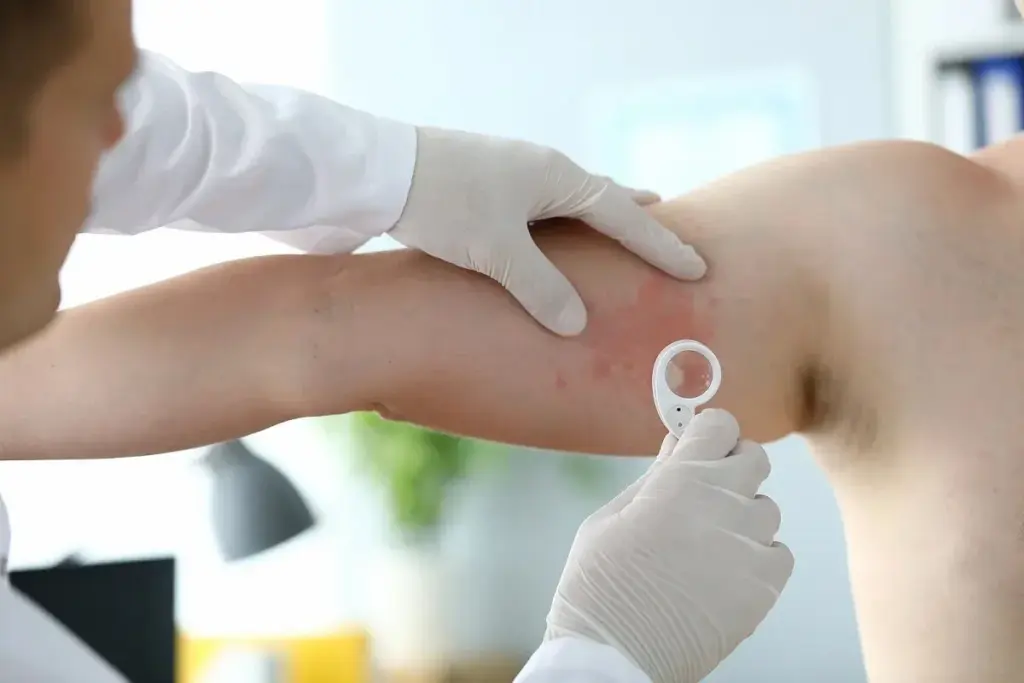
Millions worldwide suffer from painful, recurring boils. Hidradenitis suppurativa affects private areas like underarms and groin. Many patients face years of wrong labels before finding answers.
Skin experts call early signs inflammation of the sweat glands medical term. NHS HS reports show these painful nodules also hurt your mind. We see your struggle and offer new, patient-centered skin care at Liv Hospital.
Without care, deep abscesses can lead to scarring. Our experts combine skill with kind help to improve well-being. We focus on proven steps to manage this complex state well.
New care helps reduce recurring flare-ups. Our clinicians offer kind guidance during recovery. Daily care ensures better results for every person seeking relief.
Our facility welcomes those needing expert skin solutions. We maintain high standards for clinical success and patient safety.
Key Takeaways
- Painful nodules and abscesses mark this chronic skin condition.
- Sensitive areas like axillae and groin experience most flare-ups.
- Frequent misdiagnosis delays effective, professional clinical treatment.
- Follicular blockages drive internal redness and skin scarring.
- Liv Hospital provides advanced, patient-centered skin care protocols.
- Early clinical help remains vital for improving patient well-being.
Understanding Hidradenitis Suppurativa as a Chronic Inflammatory Condition

Hidradenitis Suppurativa is a chronic inflammatory condition that greatly affects people’s lives. It is caused by many factors like genetics, immune system, hormones, microbes, and lifestyle. These elements play a big role in how HS develops.
The start of HS involves blocked and ruptured hair follicles. Then, an abnormal immune response kicks in, leading to inflammation. This shows that HS is an autoinflammatory syndrome.
To understand HS, we must look at hair follicle defects, immune dysregulation, and genetic factors. These are key for treating and managing HS.
| Factor | Description | Impact on HS |
| Genetic | Inherited predisposition to HS | Increases susceptibility |
| Immune | Abnormal immune response | Contributes to inflammation |
| Hormonal | Hormonal influences on HS development | May exacerbate symptoms |
Seeing Hidradenitis Suppurativa as a chronic inflammatory condition helps us understand its complexity. It shows why we need a treatment plan that covers all aspects. This knowledge is vital for doctors to give the best care to their patients.
What Is the Cause of Hidradenitis Suppurativa: Primary Mechanisms
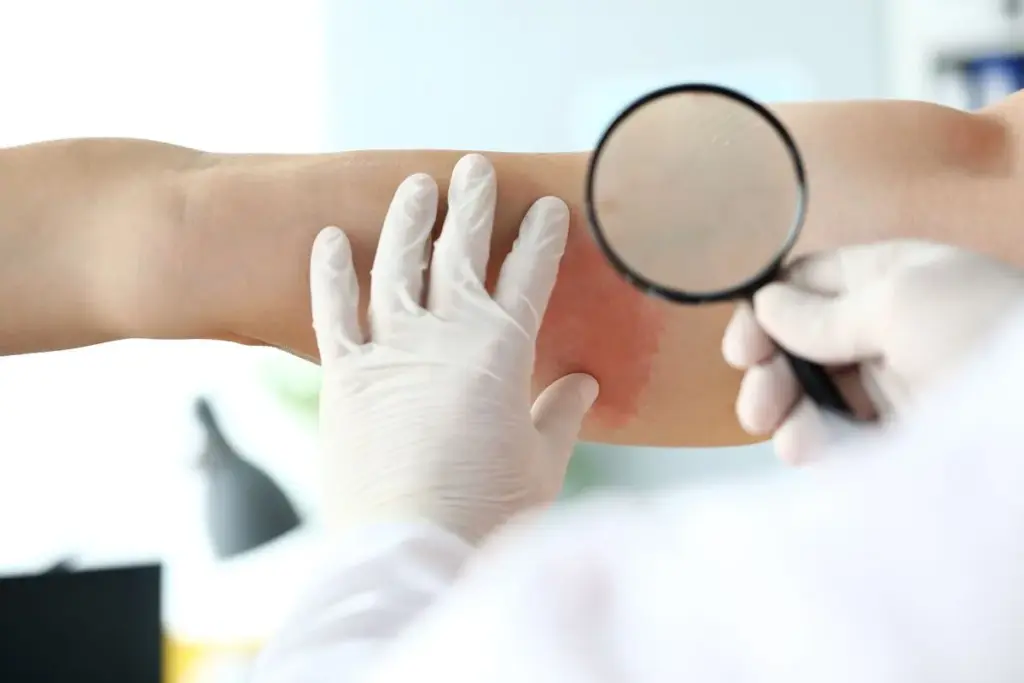
At Liv Hospital, we know hidradenitis suppurativa comes from hair blockage, immune issues, and genes. Knowing these causes helps us find better treatments for this chronic condition.
Hair Follicle Blockage and Rupture
The problem starts with hair follicle blockage, often from skin thickening. This blockage can burst the follicle, causing inflammation. The groin and underarms are often hit hard.
Hair blockage is key because it starts a chain of events. Tight clothes, shaving, and some products can make it worse.
Immune System Dysregulation
The immune system’s wrong response is a big part of hidradenitis suppurativa. When the follicle bursts, the immune system overreacts, making the condition worse. This makes it hard to control without the right treatment.
At Liv Hospital, we focus on fixing the immune system’s issues. We use treatments that fight inflammation.
Genetic Predisposition and Hereditary Factors
Genetics also play a big role in hidradenitis suppurativa. If your family has it, you’re more likely to get it. Scientists are finding genes linked to the disease.
Knowing your genetic risk helps us give you a treatment that fits you. This makes care more effective for those with the condition.
Contributing Factors and Risk Elements
Understanding what causes hidradenitis suppurativa is key to managing it. Many factors can increase your risk of getting this condition.
Hormonal Influences on HS Development
Hormones play a big role in hidradenitis suppurativa. Changes in hormone levels, like androgens, can make symptoms worse.
Changes in hormones can make HS symptoms more severe and frequent. Androgens might play a part in causing HS, but how is not fully known.
Lifestyle and Environmental Triggers
Lifestyle and environment also play a big part in HS risk.
Being obese and smoking can increase your risk of HS. Some environmental factors can also make symptoms worse.
| Lifestyle Factor | Impact on HS |
| Obesity | Increases friction and sweat retention, exacerbating symptoms |
| Smoking | Linked to increased severity and frequency of HS symptoms |
Debunking the Sweat Gland Myth
Many think HS is caused by sweat glands. But that’s not true.
HS happens in sweaty areas like armpits. But it’s not because of sweat gland problems. It’s because of blocked and ruptured hair follicles.
Conclusion
Understanding hidradenitis suppurativa is key to managing it well. We’ve looked at why it happens, like hair blockages and immune issues. We also talked about how genetics, hormones, lifestyle, and the environment play a part.
At Liv Hospital, we offer top-notch care for hidradenitis suppurativa. Early treatment is vital to avoid long-term problems. Our team works together to help patients manage their symptoms better.
By staying away from certain oils and following a treatment plan, patients can see big improvements. We aim to give world-class healthcare to all our patients. This includes those from abroad, making sure they get the best care for their condition.
FAQ
What is the medical definition and primary cause of these recurring boils?
hidradenitis suppurativa is a long-term inflammatory disorder causing painful, recurring boils due to blocked hair follicles and immune dysfunction.
Why do I keep getting boils in my groin and pubic region?
Boils commonly appear in the groin and pubic area in hidradenitis suppurativa because these are sweat gland–dense, friction-prone zones.
Is a “locked armpit gland” the same thing as hidradenitis suppurativa?
Yes, a “locked armpit gland” often describes early or inflamed lesions of hidradenitis suppurativa.
What causes the appearance of a “hole” or “black hole” in the skin after a flare-up?
Skin tunnels or scars form in hidradenitis suppurativa after repeated inflammation and abscess drainage.
What does the “S” in medical term mean when discussing these skin conditions?
The “S” refers to “suppurativa” in hidradenitis suppurativa, indicating pus-forming lesions.
References
National Center for Biotechnology Information. Evidence-Based Medical Insight. Retrieved from https://pmc.ncbi.nlm.nih.gov/articles/PMC4448221/



 Departments
 Related Videos
 Our Doctors
 News
News