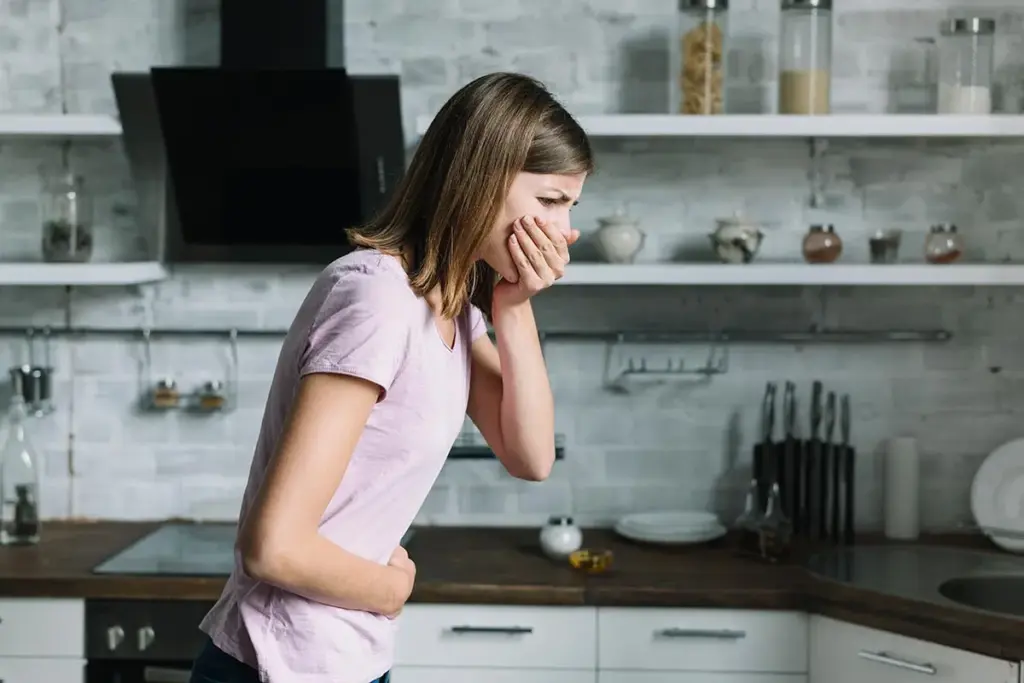
Many people confuse food poisoning and food intoxication. But these two foodborne illnesses are quite different. They have different causes, symptoms, and how fast they start.
At Liv Hospital, we know how important it is to tell these conditions apart. Foodborne illnesses include many intestinal problems. These can cause stomach pain, nausea, and even fever and weakness.
Knowing the difference between an infection and food poisoning from toxins can help you get better faster. It helps you know what to do when you feel sick.
Key Takeaways
- Food poisoning and food intoxication are distinct foodborne illnesses.
- The primary difference lies in their causes: infection vs. toxin ingestion.
- Symptoms and onset times vary between the two conditions.
- Accurate diagnosis is key for effective treatment.
- Liv Hospital is dedicated to giving reliable medical advice.
Understanding Foodborne Illnesses
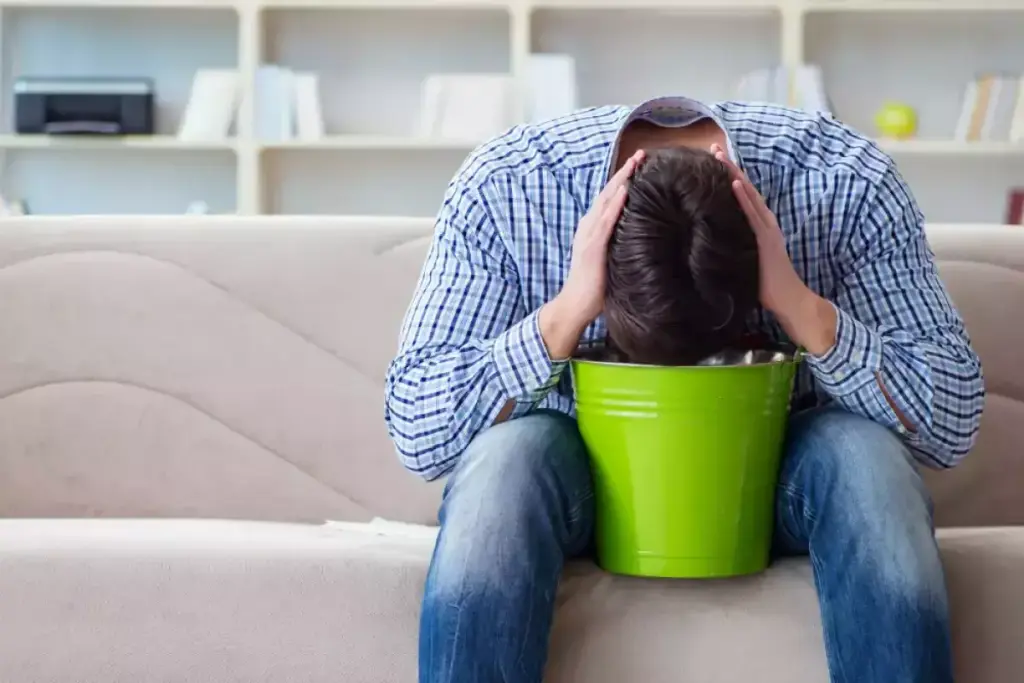
We face the risk of foodborne illnesses every day. These can come from bacteria, viruses, and parasites. These harmful microorganisms can get into food at any stage, from growing to cooking.
Common Types of Foodborne Illnesses
Foodborne illnesses often come from Salmonella, E. coli, Norovirus, and Hepatitis A. These pathogens can cause mild to severe symptoms. Symptoms range from stomach pain to serious health issues.
Impact and Statistics in the United States
In the U.S., foodborne illnesses affect many people. About 48 million cases happen every year. This leads to 128,000 hospitalizations and 3,000 deaths.
These numbers show how critical it is to fight foodborne illnesses. We must work to keep our food safe and healthy.
Food Intoxication vs Food Poisoning: Key Differences
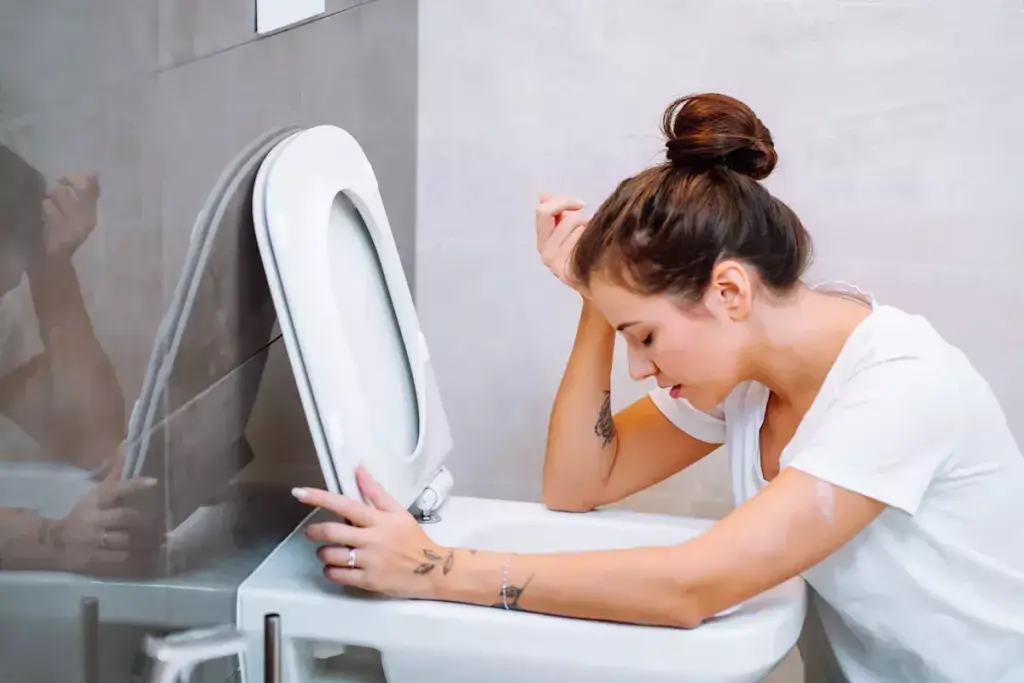
It’s important to know the difference between food poisoning and food intoxication. Both can make you sick, but they have different causes and effects.
Defining Food Poisoning
Food poisoning happens when you eat food with harmful germs like bacteria, viruses, or parasites. These germs can make you sick as your body fights them off.
The usual culprits behind food poisoning are Salmonella, E. coli, and Campylobacter. Symptoms include diarrhea, stomach pain, and fever.
Defining Food Intoxication
Food intoxication occurs when you eat food that already has toxins from bacteria. These toxins are made by bacteria growing in the food. Eating this food can make you sick.
Staphylococcus aureus is a common cause of food intoxication. Symptoms start quickly, usually within 0.5 to six hours. They can include nausea, vomiting, and diarrhea.
| Characteristics | Food Poisoning | Food Intoxication |
| Cause | Infection by harmful microorganisms | Ingestion of toxins produced by bacteria |
| Common Pathogens/Toxins | Salmonella, E. coli, Campylobacter | Staphylococcus aureus toxin |
| Symptom Onset | Varies (often 12-72 hours) | Typically 0.5-6 hours |
| Symptoms | Diarrhea, abdominal cramps, fever | Nausea, vomiting, diarrhea |
Knowing the difference between food poisoning and food intoxication helps you get the right treatment. Accurate diagnosis is key to feeling better and avoiding serious problems.
Symptoms, Onset, and Duration
Foodborne illnesses can be tricky to figure out. The timing and type of symptoms can tell us if it’s food poisoning or food intoxication. Knowing the difference is key to getting the right treatment.
Symptom Comparison Chart
Food poisoning and food intoxication have different symptoms. Here’s a chart to show the differences:
| Symptom | Food Poisoning | Food Intoxication |
| Onset Time | Several hours to days | 0.5 to 6 hours |
| Common Symptoms | Diarrhea, vomiting, abdominal cramps | Nausea, vomiting, diarrhea |
| Duration | Several days | 1-3 days |
Timing of Symptom Onset
The time it takes for symptoms to show up is a big difference. Symptoms of food intoxication can appear in 0.5 to 6 hours. But, symptoms of food poisoning might take several days to show up. This timing is important for figuring out what’s wrong.
Severity and Complications
Both food poisoning and food intoxication can be serious. Severe dehydration is a big risk with food poisoning. It’s important to know how serious these conditions can be to get the right care. For more info on food poisoning, check out page on food poisoning.
When to Seek Medical Attention
It’s important to know when to go to the doctor. If symptoms get worse, don’t go away, or if you have signs of dehydration, bloody stools, or a high fever, you need to see a doctor right away. Quick action can help avoid serious problems and reduce risks.
Diagnosis, Treatment, and Prevention
Managing foodborne illnesses starts with accurate diagnosis, proper treatment, and strong prevention. We’ll dive into these areas to understand how to fight food poisoning and food intoxication.
Diagnostic Approaches
Diagnosing food poisoning and food intoxication requires clinical checks and lab tests. These tests look for the pathogens or toxins causing the illness. Stool, blood, and sometimes food samples are analyzed to find the cause.
Treatment Methods for Both Conditions
Treatment depends on the cause and how severe it is. Often, doctors recommend hydration, rest, and supportive care. In serious cases, specific medicines might be needed. Knowing the treatment options is key to managing the illness well.
Food Safety and Prevention Strategies
Preventing foodborne illnesses involves several steps. These include washing hands properly, storing food safely, and cooking it to the right temperature. By following these steps, you can lower your risk of getting food poisoning and food intoxication.
| Prevention Strategy | Description | Benefit |
| Proper Handwashing | Washing hands with soap and water before handling food | Reduces risk of transferring pathogens to food |
| Safe Food Storage | Storing food at appropriate temperatures to prevent bacterial growth | Prevents multiplication of harmful bacteria |
| Cooking to Recommended Temperatures | Cooking food to temperatures that kill harmful bacteria | Ensures that food is safe to consume |
Conclusion
We’ve looked into the big difference between food poisoning and food intoxication. We’ve covered their causes, symptoms, how to diagnose them, treatments, and how to prevent them. Knowing these details helps us avoid foodborne illnesses better.
Keeping food safe is key to lowering the risk of getting sick from food. Simple steps like handling food right, storing it properly, and cooking it well can help a lot. We stress the need for safe food habits to make our food environment safer.
In the end, it’s vital to know the difference between food poisoning and food intoxication to manage and prevent them well. By using prevention strategies and staying informed, we can all help reduce these health issues. This way, we contribute to a healthier community for everyone.
FAQ
What is the main difference between food poisoning and food intoxication?
Food poisoning happens when you eat something contaminated with harmful germs. Food intoxication is when you eat food that already has toxins in it, made by bacteria before you ate it.
What are the common causes of foodborne illnesses?
Foodborne illnesses come from many sources. Common culprits include bacteria like Salmonella and E. coli, viruses like Norovirus, and parasites.
How do the symptoms of food poisoning and food intoxication differ?
Symptoms of food poisoning and food intoxication can be different. Food intoxication symptoms often show up quickly, while food poisoning symptoms may take longer to appear.
What is the typical timing of symptom onset for food poisoning and food intoxication?
Symptoms of food intoxication usually show up a few hours after eating. Food poisoning symptoms can take 12 to 72 hours to appear.
How are food poisoning and food intoxication diagnosed?
Doctors use tests and clinical exams to figure out if you have food poisoning or intoxication. They look for the germs or toxins causing the illness.
What are the treatment options for food poisoning and food intoxication?
Treatment depends on the illness and how bad it is. It can range from just taking care of yourself to using special medicines.
How can foodborne illnesses be prevented?
To avoid foodborne illnesses, follow safe food handling and cooking practices. This includes storing food right and cooking it to the right temperature.
What is food intoxication definition?
Food intoxication happens when you eat food with toxins in it. These toxins are made by bacteria like Staphylococcus aureus or Clostridium botulinum.
What is the difference between food infection and food poisoning?
Food infection is when you get sick from eating food with live germs in it. Food poisoning is a broader term that includes both infections and intoxications.
What are the possible complications of food poisoning and food intoxication?
Both can lead to serious problems. These include dehydration, organ failure, and even death. This is more likely in people who are very young, old, or have weak immune systems.
References:
Association between phase angle and coronary artery calcium score in patients on peritoneal dialysis. Frontiers in Nutrition, 9, 912642. https://doi.org/10.3389/fnut.2022.912642