
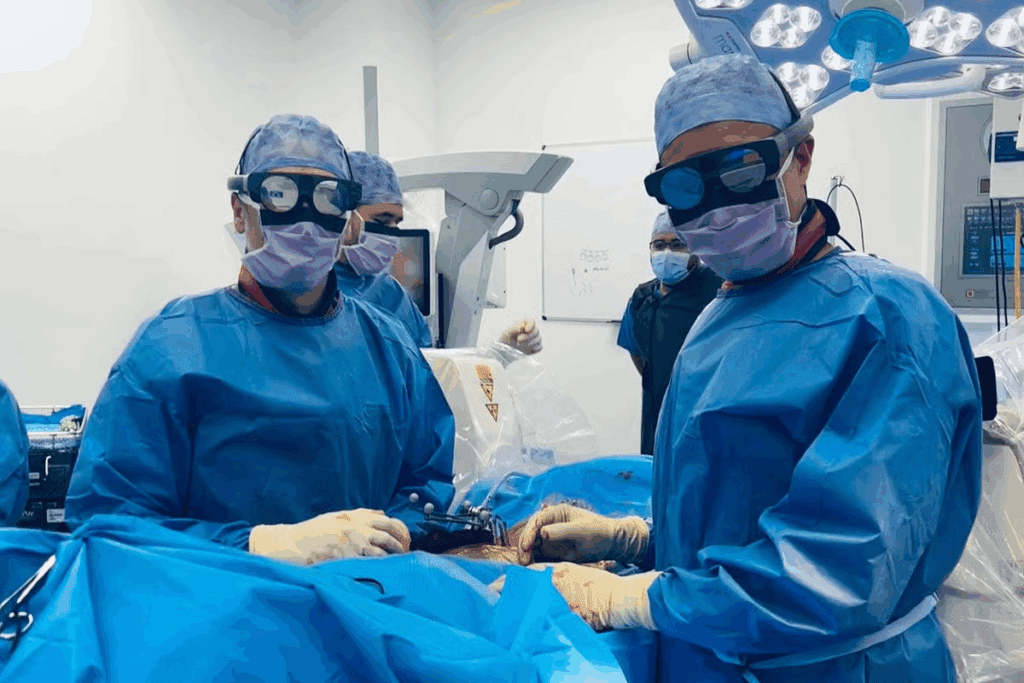
Minimally invasive spine surgery has changed how we treat spinal problems. It’s a less invasive option compared to traditional surgery. But, it also has its own challenges.
Looking into the evolution of spinal treatments, it’s key to know the downsides of this popular method. We will look at the move from open surgeries to less invasive ones. We’ll see the good and bad of minimally invasive spine surgery.
Key Takeaways
- Minimally invasive techniques reduce tissue damage and promote faster recovery.
- Potential complications include infection and nerve damage.
- The suitability of minimally invasive spine surgery depends on the specific spinal condition.
- Advancements in technology have improved the outcomes of spinal surgery.
- Patient selection criteria play a crucial role in the success of the procedure.
The Evolution of Modern Spine Surgery Techniques

Spine surgery has changed a lot, moving towards less invasive methods. This change aims to lessen tissue damage, cut down recovery time, and boost patient results. Let’s look at what’s led to this shift in modern spine surgery.
From Open Procedures to Minimally Invasive Approaches
Older spine surgery used big cuts, moved a lot of muscle, and hurt a lot of tissue. These methods often led to long recovery times and more risks. But, minimally invasive spine surgery techniques have changed this, allowing for complex surgeries through small cuts and less damage.
Studies show that “Minimally invasive surgery uses smaller incisions and usually causes less harm to the body.” This is a big change from the old days of big cuts and more damage. Minimally invasive approaches are now a top choice for many needing spinal surgery.
Key Technological Advancements
New tech has helped make spine surgery less invasive. Better imaging tools and navigation systems make surgeries more precise. Also, new instruments like tubular retractors and endoscopes let surgeons work through small openings, cutting down on damage and speeding up healing.
These technological advancements have made spine surgery safer and more effective. They’ve also opened up more conditions to be treated with less invasive methods. So, patients get less blood loss, shorter hospital stays, and quicker recovery, making minimally invasive spine surgery a popular choice.
Defining Minimally Invasive Spine Surgery

It’s important for patients to know about minimally invasive spine surgery. This method is designed to cause less damage and help you heal faster.
Core Principles and Methodology
Minimally invasive spine surgery uses small cuts and special tools. The goal is to harm less tissue, leading to less pain and quicker healing. We use the latest in imaging and tools for precise work with less invasion.
The steps include:
- Preoperative planning with advanced imaging
- Small incisions to reduce tissue damage
- Use of specialized retractors to access the spine
- Employing endoscopic or microscopic visualization
- Precision instrumentation for delicate procedures
How It Differs from Traditional Open Surgery
Traditional surgery needs big cuts and more tissue harm to reach the spine. Minimally invasive surgery, on the other hand, uses small cuts and tech to harm less tissue. This leads to less blood loss, less pain, and shorter stays in the hospital.
Let’s look at the differences:
| Characteristics | Minimally Invasive Spine Surgery | Traditional Open Surgery |
| Incision Size | Small (typically | Large (often >5 cm) |
| Tissue Disruption | Minimal | Significant |
| Recovery Time | Generally shorter | Often longer |
| Blood Loss | Typically less | Often more |
Knowing these differences helps patients choose better. We’ll look at more of these differences in the next parts.
Common Types of Minimally Invasive Spine Procedures
Spine surgery has grown to include many minimally invasive methods. These methods aim to cause less damage, reduce scarring, and help patients recover faster than traditional surgery.
Minimally Invasive Discectomy
This procedure treats herniated discs that press on nerves, causing pain. It involves a small incision and special tools to remove the disc material. This relieves pressure on the nerves.
Minimally Invasive Laminectomy
This surgery helps with stenosis, or narrowing of the spinal canal. It removes part of the vertebra to give more space for nerves. This reduces pain and improves movement.
Endoscopic Spine Surgery
Endoscopic spine surgery uses a thin, flexible tube with a camera and light. It allows for precise surgery with little tissue damage. It’s good for treating disc herniations and spinal stenosis.
Minimally Invasive Spinal Fusion
This procedure joins vertebrae together to stabilize the spine and reduce pain. It’s done through small incisions, using bone grafts and sometimes hardware like screws or rods.
Each procedure has its own use, benefits, and risks. Knowing these differences helps patients make better choices about their care.
| Procedure | Purpose | Key Benefits |
| Minimally Invasive Discectomy | Relieve pressure on spinal nerves caused by herniated discs | Less tissue damage, faster recovery |
| Minimally Invasive Laminectomy | Alleviate pressure on spinal cord or nerves due to stenosis | Reduced pain, improved mobility |
| Endoscopic Spine Surgery | Diagnose and treat various spinal conditions with minimal disruption | Precision, minimal scarring |
| Minimally Invasive Spinal Fusion | Stabilize the spine by joining vertebrae | Reduced pain, improved stability |
Promoted Benefits of Minimally Invasive Approaches
A brightly lit, high-resolution medical illustration showcasing the key benefits of minimally invasive spine surgery. The foreground depicts a cross-sectional view of the spine, highlighting the minimally invasive surgical approach with small incisions. The middle ground features informative icons and labels outlining the advantages, such as reduced tissue damage, shorter recovery times, and improved patient outcomes. The background provides a clean, sterile medical setting with subtle anatomical references to provide context. The overall mood is one of scientific precision and medical expertise, conveying the professionalism and sophistication of this surgical technique.
Minimally invasive spine surgery offers many benefits. It’s becoming more popular because of these advantages. Both patients and surgeons see its value.
Reduced Tissue Trauma
One big plus is reduced tissue trauma. This method uses smaller cuts and precise techniques. It causes less damage to tissues around the spine.
This leads to less pain and discomfort for patients after surgery. It also means fewer complications and a lower chance of infection. This is great for those at high risk of surgical problems.
Decreased Blood Loss
Another benefit is decreased blood loss. The smaller cuts and precise methods reduce bleeding. This means fewer blood transfusions and lower risks of bleeding-related problems.
This is especially good for those at risk of heavy bleeding or who can’t safely get blood transfusions.
Shorter Hospital Stays
Minimally invasive surgery also means shorter hospital stays. With less tissue damage and pain, patients can go home sooner. This saves money and lets them get back to their lives faster.
Short stays also cut down on the chance of getting infections in the hospital. And it reduces other risks linked to long hospital stays.
Faster Initial Recovery Claims
People say this surgery leads to faster initial recovery. The smaller cuts, less pain, and less tissue damage help patients get back to normal quicker. This is believed to speed up the recovery time.
But, recovery times can vary a lot. Health, the surgery’s complexity, and aftercare all play a part. Not everyone recovers as fast as expected.
Limited Surgical Visualization: A Significant Downside
Minimally invasive spine surgery has big challenges due to limited surgical vision. It offers benefits like less tissue damage and quicker recovery. But, the narrow view makes it hard for surgeons to work with precision.
Restricted Field of View Challenges
One big challenge is the narrow view in minimally invasive spine surgery. Surgeons use special tools and imaging to see the area. But, this view is much smaller than in open surgery.
They must use their experience and the quality of imaging to see the spine’s complex anatomy. This narrow view makes it hard to spot important landmarks. It also makes checking the surgery’s completeness tricky, which can affect the surgery’s success.
Impact on Surgical Precision and Accuracy
The limited view in minimally invasive spine surgery affects precision and accuracy. Surgeons struggle to accurately place and move instruments. This increases the risk of problems.
Spine surgery needs high precision because of the sensitive neural structures around it. To improve, surgeons use advanced methods and top-notch imaging. But, the risk of less precision remains a big worry.
Reliance on Indirect Visualization Tools
Minimally invasive spine surgery often uses tools like fluoroscopy and endoscopy. These tools show the surgical area in real-time. But, the image quality can vary, and understanding them takes a lot of skill.
Using these tools adds complexity to the surgery. Surgeons need to be good at using them and understanding the images. This is crucial for the surgery’s success.
Technical Challenges and Procedural Limitations
Minimally invasive spine surgery faces many technical challenges. These need specialized skills to overcome. It’s key for surgeons and patients to understand these hurdles.
Instrument Constraints in Narrow Working Channels
The main challenge is the narrow channels used in this surgery. These limits make it hard to move instruments. This can affect the surgery’s precision.
Anatomical Accessibility Issues
Getting to the right spot in the spine is tough. The surgery’s small entry points can be blocked by tissue or bone. This makes it hard to reach the target area.
Complex Case Management Difficulties
Handling complex spinal cases is very challenging. Some conditions might not be fully treated by this method. This could leave some issues unresolved.
Steep Learning Curve for Surgeons
Surgeons face a big learning curve with these techniques. They need a lot of training and experience. This can be a hurdle for some doctors.
| Technical Challenge | Description | Impact on Surgery |
| Instrument Constraints | Narrow working channels limit instrument maneuverability | Potential for reduced precision |
| Anatomical Accessibility | Difficulty accessing target areas due to surrounding anatomy | Prolonged surgery time, increased complexity |
| Complex Case Management | Challenges in fully addressing complex spinal conditions | Potential for incomplete resolution of patient issues |
| Learning Curve | Extensive training required for surgeons to master techniques | Barrier to adoption for some surgeons |
Potential Complications Specific to Minimally Invasive Spine Surgery
Minimally invasive spine surgery has changed the game in spinal care. It reduces tissue damage and speeds up recovery. But, it comes with its own set of risks.
Nerve Injury Risks
Nerve injury is a big concern with this surgery. The small incisions and limited view can harm nearby nerves. Surgeons need to be very skilled to avoid this.
- Nerve root injury due to instrumentation or decompression
- Cauda equina syndrome resulting from nerve compression
- Permanent nerve damage leading to chronic pain or neurological deficits
Dural Tears and CSF Leaks
Dural tears and CSF leaks are specific risks. The small space makes it hard to spot and fix these issues.
Quick action and the right treatment are key to avoid serious problems like meningitis or pseudomeningocele.
Hardware Placement Complications
Placing hardware like screws or rods is tricky in minimally invasive surgery. The small view can lead to wrong placement, causing nerve damage or failure.
“The accuracy of pedicle screw placement is critical in spine surgery. Minimally invasive techniques require advanced imaging and navigation tools to ensure precise placement.”
— Spine Surgery Expert
Infection Rates and Wound Healing Issues
Even though the wounds are smaller, infection and healing problems can still happen. Poor wound care or health issues can increase these risks.
Doctors and healthcare teams must focus on good wound care and watch for infection or healing problems closely.
Patient Selection Limitations: Who Should Avoid This Approach
Choosing the right patients for minimally invasive spine surgery is key. It depends on many factors like the patient’s body and how severe their condition is. Not everyone is a good fit for this surgery. It’s important to pick the right patients for the best results.
Anatomical Contraindications
Some body shapes make it hard to do minimally invasive spine surgery. For example, those with severe spinal deformities or significant scoliosis might not be good candidates. A top spine surgery expert says patients need to be chosen carefully based on their condition and medical history.
Condition Severity Limitations
The severity of a patient’s condition is also important. Those with advanced degenerative disc disease or severe spinal stenosis might need more than what minimally invasive surgery can offer.
Previous Surgery Complications
Patients who have had spine surgery before might face extra challenges. Issues like adhesions or hardware failure from past surgeries can make it hard or not possible to use minimally invasive methods.
Osteoporosis and Bone Quality Concerns
Osteoporosis and poor bone quality can affect the success of spine surgery. Patients with severe osteoporosis are at higher risk for problems like vertebral fractures or hardware failure. “In patients with osteoporosis, the risk of complications following spine surgery is increased, necessitating careful preoperative evaluation and planning.”
Healthcare providers need to carefully look at these factors. This helps decide who will benefit most from minimally invasive spine surgery and who might need other options.
The Reality of Recovery After Minimally Invasive Spine Surgery
Recovery after minimally invasive spine surgery is different for everyone. This method aims to reduce damage and speed up healing. But, the actual recovery can be more complex.
Realistic Recovery Timeline Expectations
Patients often ask how long it takes to recover. The answer depends on the surgery type, the patient’s health, and following doctor’s orders. In the first weeks, some discomfort is normal but usually goes away as healing progresses.
A study showed that “Patients may feel some discomfort after minimally invasive spine surgery, but it’s usually less than open surgery.” Recovery times vary. Some get back to normal in weeks, while others take months.
Potential for Prolonged or Unexpected Pain
Minimally invasive spine surgery aims to reduce pain and speed recovery. Yet, some patients face prolonged or unexpected pain. This can be due to the surgery’s complexity, individual pain levels, or pre-existing conditions. It’s crucial to work with your healthcare provider to manage pain.
Common causes of prolonged pain include:
- Incomplete healing
- Underlying conditions such as arthritis
- Nerve damage during surgery
- Inadequate pain management strategies
Physical Therapy Requirements and Limitations
Physical therapy is key in recovery after minimally invasive spine surgery. It helps regain strength and flexibility. However, the type and length of therapy vary for each patient.
Key components of physical therapy include:
- Gentle exercises to improve flexibility and strength
- Posture correction and education
- Pain management techniques
- Gradual progression to more strenuous activities
Activity Restrictions During Healing
Patients must follow specific activity restrictions to heal properly. These include avoiding heavy lifting, bending, or twisting, and limiting strenuous activities.
Understanding these recovery aspects helps patients prepare better. Working closely with their healthcare team is key to achieving the best outcomes.
Comparing Outcomes: Minimally Invasive vs. Traditional Spine Surgery
When thinking about spine surgery, it’s key to know the differences between minimally invasive and traditional methods. We’ll look at how these two approaches affect recovery and long-term results.
Short-Term Recovery Differences
Minimally invasive spine surgery often means shorter hospital stays and less pain after surgery. But, how much of a difference it makes can depend on the surgery and the patient.
A study showed that minimally invasive surgery can lead to less blood loss and tissue damage. Yet, not all patients see a big difference in recovery time. Some still need a lot of rehab.
Long-Term Functional Outcomes
Long-term results are key in spine surgery. Studies say both methods can lead to similar results in pain relief and improved function.
But, some research points to better long-term results with minimally invasive surgery due to less damage. Traditional surgery might be better for complex cases, offering more stability.
Fusion Rates and Stability Comparisons
Fusion rates and stability are important in judging spine surgery success. Both minimally invasive and traditional surgery can have high fusion rates if done right.
| Surgery Type | Fusion Rate | Complication Rate |
| Minimally Invasive | 85-90% | 5-10% |
| Traditional Open | 80-95% | 10-15% |
Patient Satisfaction Metrics
Patient happiness is a big deal in spine surgery. Studies show high satisfaction rates for both types of surgery.
What makes patients happy includes pain relief, better function, and the surgery experience. Minimally invasive surgery might offer less pain and scarring. But, traditional surgery can tackle complex spinal issues better.
In the end, choosing between minimally invasive and traditional surgery depends on the patient’s needs, the surgeon’s skill, and weighing the risks and benefits.
Reoperation Rates and Long-Term Concerns
It’s important to know the long-term effects of minimally invasive spine surgery. This method has benefits like less tissue damage and quicker recovery. But, we must look at the risks of needing more surgery and other long-term issues.
Adjacent Segment Disease Risk
One big worry is adjacent segment disease (ASD). ASD happens when the spinal segments next to the fusion area start to degenerate. This can cause more symptoms and might need more surgery. Both minimally invasive and traditional surgeries have this risk, but it depends on the method and the patient.
Hardware Failure Incidence
Hardware failure is another concern, especially in spinal fusion. The tools used in minimally invasive surgery can sometimes fail, like loosening or breaking. This might mean more surgery to fix the problem.
Incomplete Decompression Issues
Incomplete decompression is a problem with minimally invasive spine surgery. If the surgery doesn’t remove enough pressure, symptoms can stay or get worse. This might lead to needing another surgery to fix it.
Long-Term Stability Concerns
Keeping the spine stable long-term is key for surgery success. Minimally invasive methods try to keep the spine stable while fixing the problem. But, many things can affect how stable it stays, like how much fusion there is and the patient’s overall health.
We need to think about these long-term worries when deciding if minimally invasive spine surgery is right. Knowing the risks and benefits helps us choose the best surgery for each patient.
Financial Downsides and Insurance Challenges
Minimally invasive spine surgery has many benefits but also big financial costs. Patients need to think carefully about these costs. The expenses go beyond just the surgery itself.
Higher Technology and Equipment Costs
The advanced tech and special tools used in this surgery cost more. Specialized instruments and imaging systems are pricier than old methods.
“Minimally invasive spine surgery may require specialized equipment and technology, increasing costs.”
Insurance Coverage Limitations
Insurance for this surgery might not cover everything. Pre-approval requirements and out-of-network provider issues can make things harder.
Out-of-Pocket Expenses for Patients
Even with insurance, patients might still have to pay a lot. Deductibles, co-pays, and expenses for post-operative care can add up.
Cost-Effectiveness Analysis
Looking at the costs of minimally invasive spine surgery is key. The initial costs might be high, but savings in reduced hospital stays and faster recovery times can make up for it over time.
| Cost Component | Minimally Invasive Surgery | Traditional Open Surgery |
| Equipment and Technology | Higher | Lower |
| Hospital Stay | Shorter | Longer |
| Recovery Time | Faster | Slower |
| Post-operative Care | Potentially Lower | Potentially Higher |
Looking at the financial downsides and insurance challenges of minimally invasive spine surgery shows it’s a big decision. Patients need to understand all the costs to make the best choice for their treatment.
Surgeon Experience Factors: The Critical Variable
The success of minimally invasive spine surgery depends a lot on the surgeon experience. This surgical approach is complex. The surgeon’s expertise is key to good outcomes.
Impact of Surgical Volume on Outcomes
Studies show that surgical volume greatly affects the results of minimally invasive spine surgery. Surgeons who do more of these surgeries have better results. They have fewer complications and need to reoperate less often. This highlights the need to choose a surgeon with lots of experience in this area.
Training Requirements for Proficiency
To be good at minimally invasive spine surgery, surgeons need a lot of training. They must learn special techniques and use new technologies. This training helps them handle the challenges of these surgeries and care for patients well.
Finding Appropriately Qualified Surgeons
Finding the right qualified surgeons is hard for patients. It’s important to find surgeons with a good track record in minimally invasive spine surgery. Patients should check the surgeon’s credentials, like their experience, training, and patient results.
Questions to Ask About Surgeon Experience
When talking to a potential surgeon, patients should ask important surgeon experience questions. They should ask about the surgeon’s experience with similar cases, their complication rates, and how they handle problems. Asking these questions helps patients make smart choices about their care.
In summary, the surgeon’s experience is crucial for the success of minimally invasive spine surgery. Understanding the role of surgical volume, training, and finding the right surgeon helps patients make better choices.
Marketing Claims Versus Clinical Reality
Looking at minimally invasive spine surgery, it’s key to know the difference between what’s promised and what really happens. The gap between ads and actual results can be big. This can confuse patients about what these surgeries can really do.
Analyzing Common Advertising Claims
Ads for these surgeries often say things like “less pain,” “faster recovery,” and “little scarring.” While these points might be true sometimes, they don’t tell the whole story. A study in the Journal of Neurosurgery: Spine showed that while these surgeries might mean shorter stays in the hospital, the long-term results aren’t always better than traditional surgery.
It’s important to look closely at these claims. Results can really vary. This depends on the patient’s health, the surgery needed, and the surgeon’s skill.
The “Minimally Invasive” Label Misconceptions
The term “minimally invasive” can be confusing. It suggests safety and simplicity that might not always be true. Minimally invasive spine surgery uses smaller cuts and special tools to reduce damage. But, it doesn’t mean the surgery is completely safe for everyone.
“Marketing claims about minimally invasive spine surgery should be carefully evaluated,” cautions a leading spine surgeon. “Patients should be aware of the potential discrepancies between marketing claims and clinical reality.”
Evidence-Based Outcomes vs. Marketing Promises
When looking at how well minimally invasive spine surgery works, it’s best to focus on real results, not just what’s promised. Research has shown mixed results. Some studies say the long-term effects are similar, even if the recovery is faster at first.
- Short-term benefits may include less pain and faster recovery.
- Long-term outcomes may not differ significantly from traditional surgery.
- Complications can still occur, even with minimally invasive techniques.
By understanding the real differences between what’s promised and what happens, patients can make better choices about their surgery.
When Traditional Open Spine Surgery May Be Superior
Traditional open spine surgery is still a key option for complex spinal issues. It’s needed when a more detailed approach is required. Even with the progress in minimally invasive methods, some cases need the full access and clear view that open surgery offers.
Complex Spinal Deformity Cases
Severe scoliosis or kyphosis often need a big fix. Traditional open surgery lets doctors see better and correct more precisely. They can align the spine, do bone cuts, and make sure it fuses well.
Revision Surgery Scenarios
Revision spine surgery is tricky. It’s when a previous surgery needs to be fixed. Open surgery is better here because it lets doctors explore the area fully. This helps fix problems like failed hardware or fake joints.
Severe Multilevel Disease
Severe spinal disease affecting many vertebrae or discs might need open surgery. This method lets doctors treat many areas at once. It’s great for big problems where many parts of the spine are affected.
Tumor or Trauma Cases
For spinal tumors or injuries, open surgery is often the best choice. It gives quick and full access to the problem area. This is key in emergencies where fast action is needed.
Let’s compare traditional open spine surgery with minimally invasive surgery for these tough cases:
| Condition | Traditional Open Spine Surgery | Minimally Invasive Spine Surgery |
| Complex Spinal Deformity | Better visualization and correction | Limited access, potentially less precise |
| Revision Surgery | Comprehensive exploration and revision | Limited visibility, potentially challenging |
| Severe Multilevel Disease | Ability to address multiple levels | May require multiple small incisions |
| Tumor or Trauma | Immediate, comprehensive access | May not be suitable for emergency situations |
Choosing between open and minimally invasive surgery depends on many things. These include the condition’s severity, the patient’s health, and more. By weighing these factors, patients and doctors can choose the best path for a good outcome.
Making an Informed Decision About Your Spine Surgery Options
Choosing spine surgery needs careful thought. You must look at lots of medical info. Also, weigh the good and bad sides of surgery and think about your health.
Essential Questions for Your Surgical Consultation
When you talk to a surgeon, ask important questions. This helps you understand your options better. Ask about:
- What are the benefits and risks of the surgery I’m considering?
- What other options are there, and how do they compare?
- How long will I need to recover, and what support will I need?
- What if I don’t have surgery right away?
Medical experts say asking the right questions is key. It’s also important to know the surgeon’s experience with your condition and the technology they use.
Getting Second Opinions
Getting a second opinion is a big step in choosing spine surgery. It gives you more info on your condition and treatment options. A medical source suggests, “Talk to a specialist and think about getting a second opinion.” This can confirm your diagnosis or suggest other treatments.
A second opinion is especially helpful if you’re not sure about surgery or if it’s a complex procedure. It lets you compare different surgeries and outcomes, helping you make a better choice.
Weighing Personal Risk Factors
When looking at spine surgery, think about your personal risks. These include your health, age, how bad your spinal problem is, and any past surgeries or treatments.
Your surgeon will look at these to decide the best surgery for you. Knowing how your personal risks affect your options helps you make a better choice. It’s also important to talk about how these risks might affect your recovery and future health.
“The key to making an informed decision about spine surgery is being thoroughly informed about your options, understanding the potential risks and benefits, and considering your personal health circumstances.”
By carefully looking at these points and getting opinions when needed, you can make a choice that’s right for you.
Conclusion: Balancing the Benefits and Downsides of Minimally Invasive Spine Surgery
Minimally invasive spine surgery has its good and bad sides. Knowing these helps patients and doctors make better choices. This way, they can get the best results.
This surgery has come a long way thanks to new tech and methods. It means less damage to tissues, less blood loss, and shorter stays in the hospital. But, it also has its own set of challenges like seeing less during surgery, facing technical issues, and possible complications.
Choosing the right patient for this surgery is key. The skill of the surgeon also matters a lot. By focusing on these, we aim to get the best results for those having this surgery.
Deciding on minimally invasive spine surgery should be a careful thought. It’s about looking at what’s best for each person. By understanding both sides, patients and doctors can make choices that help in recovery and long-term health.
FAQ
What is minimally invasive spine surgery?
Minimally invasive spine surgery uses small incisions and special tools. It aims to cause less damage and help you heal faster.
What are the benefits of minimally invasive spine surgery?
This surgery has many benefits. It causes less damage, leads to less blood loss, and you might stay in the hospital less. You can also start feeling better sooner.
What are the potential complications of minimally invasive spine surgery?
Some risks include nerve damage, dural tears, and problems with the hardware. Infections can also happen.
Who is a good candidate for minimally invasive spine surgery?
If you have conditions like herniated discs or spinal stenosis, you might be a good candidate. But, you can’t have severe osteoporosis or certain other conditions.
How long does recovery take after minimally invasive spine surgery?
Recovery times vary. But, most people can get back to normal in a few weeks to a few months.
What are the limitations of patient selection for minimally invasive spine surgery?
Some limitations include certain conditions, how severe your condition is, and past surgery problems. Osteoporosis or poor bone quality can also be a problem.
How does minimally invasive spine surgery compare to traditional open spine surgery?
Minimally invasive surgery causes less damage and you might recover faster. But, it might not be as good for very complex cases.
What are the financial implications of minimally invasive spine surgery?
This surgery might cost more because of the technology. Insurance might not cover it all, and you could have to pay out of pocket.
Why is surgeon experience important in minimally invasive spine surgery?
A skilled surgeon is key for a good outcome. They need special training and experience.
When is traditional open spine surgery preferred over minimally invasive spine surgery?
Open surgery is often better for complex cases, like severe deformities or tumors. It’s also used for revision surgeries or when there’s a lot of disease.
What questions should I ask during a surgical consultation for spine surgery?
Ask about the surgeon’s experience, the procedure, risks, and what to expect. These questions are crucial.
Is it necessary to get a second opinion for spine surgery?
Yes, getting a second opinion is a good idea. It can give you more information and help you make a better choice.
How do I weigh personal risk factors when considering spine surgery?
Talk to your surgeon about your health, how severe your condition is, and the surgery’s benefits and risks. This will help you decide.
References
National Center for Biotechnology Information. Evidence-Based Medical Insight. Retrieved from https://pmc.ncbi.nlm.nih.gov/articles/PMC10214885/



 Departments
 Related Videos
 Our Doctors
 News
News