HIV and AIDS have seen a big change in how they are managed. What was once a death sentence is now a condition that can be managed. This is thanks to antiretroviral therapy and better medical care.
Recent data shows that people with HIV can live long, healthy lives. The chance of passing the virus to others is also much lower with good treatment.
Worldwide, 77% of those with HIV now have access to effective treatment. This has led to viral suppression and nearly normal lifespans for many.
Key Takeaways
- The prognosis for HIV and AIDS has dramatically improved with modern treatment.
- Antiretroviral therapy enables people with HIV to live long, healthy lives.
- Effective treatment significantly reduces the risk of HIV transmission.
- Understanding HIV pathophysiology is key to managing the condition.
- Global access to antiretroviral therapy has greatly improved.
Understanding HIV and AIDS: The Basics
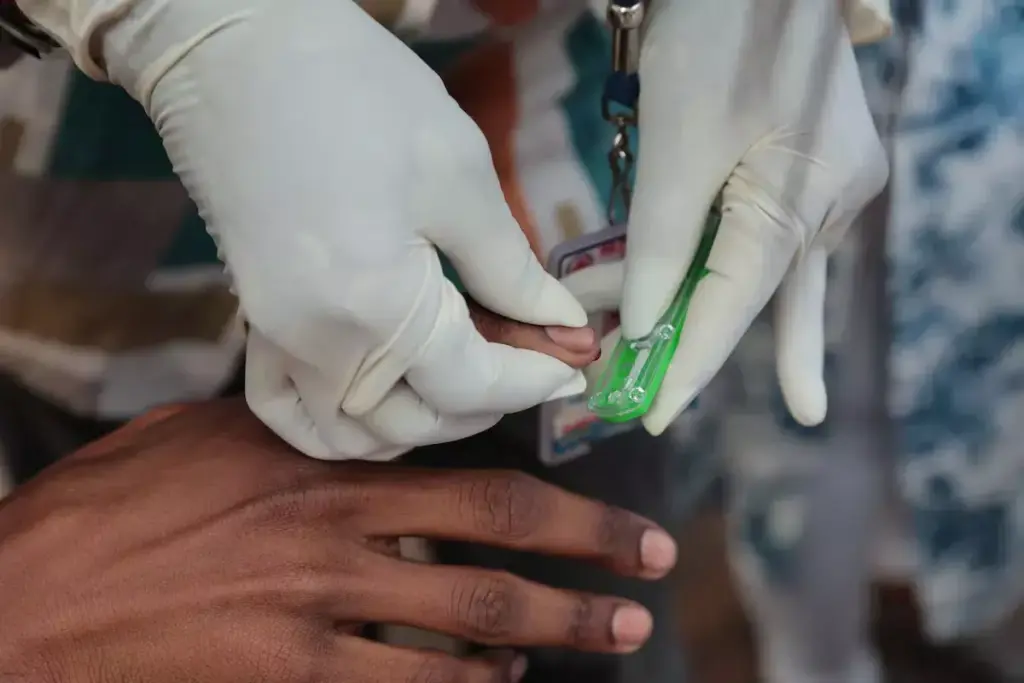
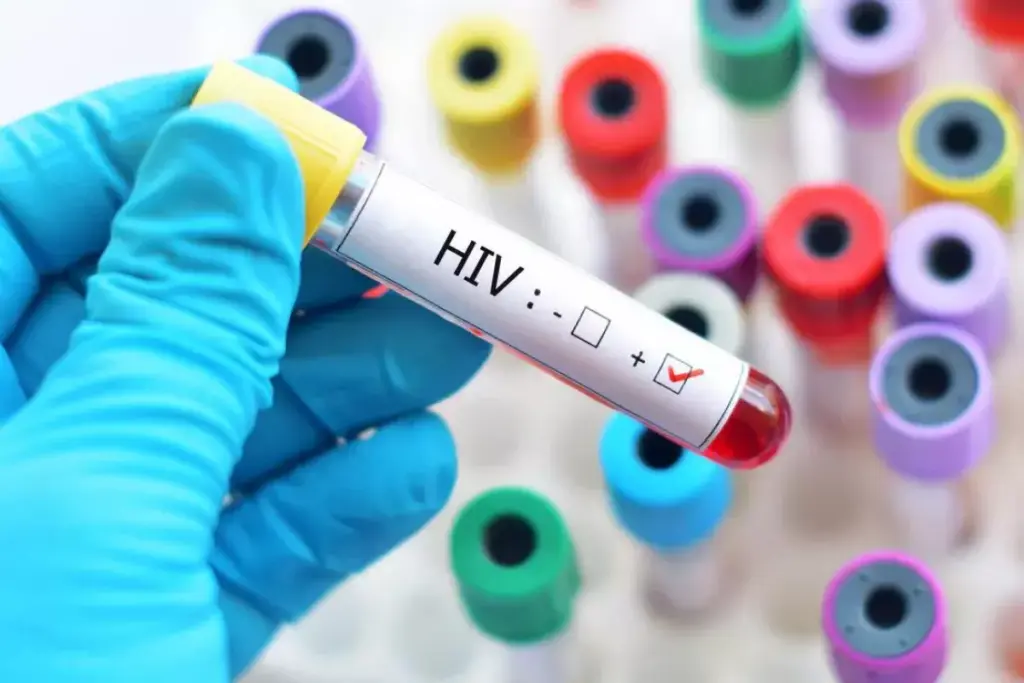
To grasp the impact of HIV/AIDS worldwide, it’s key to know what HIV and AIDS are. HIV is a virus that attacks the immune system. If not treated, it can turn into AIDS.
Difference Between HIV and AIDS
HIV is a viral infection that can turn into AIDS if not treated. AIDS is diagnosed when the immune system is severely damaged. This happens when the CD4 cell count drops below 200 or when certain infections occur.
The main difference between HIV and AIDS is the infection stage. HIV is the virus, while AIDS is when the immune system is badly damaged. This makes the body more open to other diseases.
Global HIV/AIDS Statistics in 2024
In 2024, 40.8 million people were living with HIV globally. This shows the ongoing fight against HIV/AIDS worldwide.
The fight against HIV/AIDS has seen big steps forward. Many people living with HIV are getting antiretroviral therapy (ART). ART is key for managing HIV, stopping it from turning into AIDS, and lowering the chance of passing it on.
- Global HIV prevalence is a big public health problem.
- More people are getting ART, which is improving their health.
- Work to raise awareness, testing, and treatment is going on everywhere.
The Pathophysiology of HIV Infection
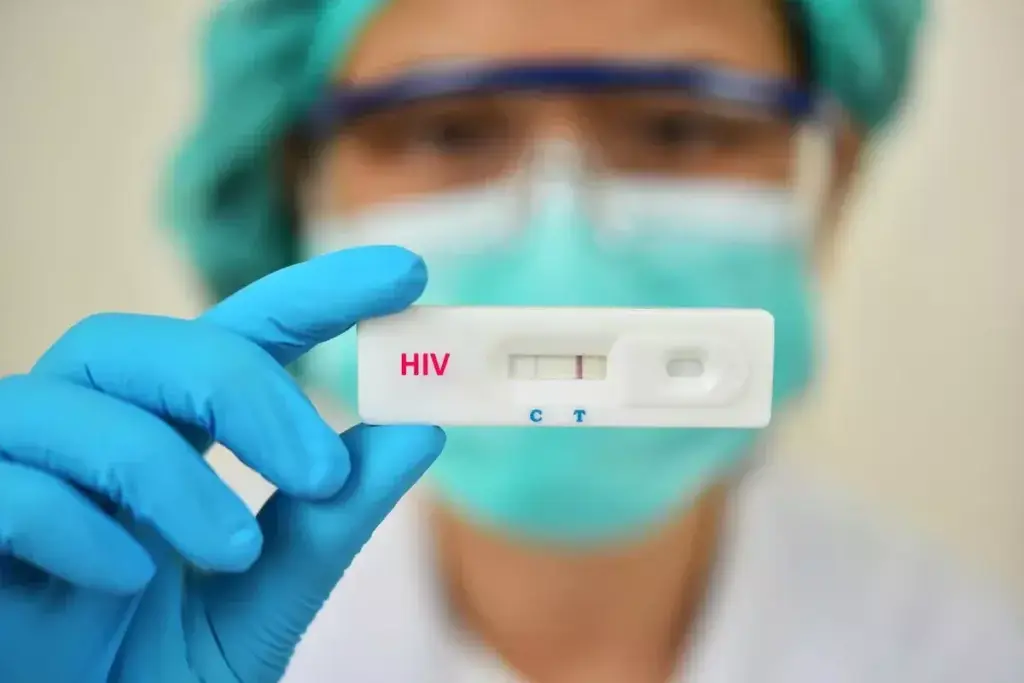
Understanding HIV’s pathophysiology is key to seeing how it weakens the immune system. HIV’s infection process is complex. It involves the virus and the host’s immune cells, leading to a weakened immune system.
How HIV Targets CD4+ T Lymphocytes
HIV attacks CD4+ T lymphocytes, or T helper cells. These cells are vital for the immune response. The virus uses its envelope protein, gp120, to attach and fuse with these cells.
Once inside, HIV uses the cell’s machinery to make more viruses. This process destroys the host cell. The loss of CD4+ T cells weakens the immune system.
The depletion of CD4+ T cells is a hallmark of HIV infection. This makes it hard for the immune system to fight off infections and cancers. As HIV replicates, it destroys more CD4+ T cells, weakening the immune system even more.
Viral Replication Cycle
The viral replication cycle of HIV is key to its pathophysiology. After entering a CD4+ T cell, HIV’s reverse transcriptase changes its RNA into DNA. This DNA is then integrated into the host cell’s genome.
“The replication cycle of HIV is tightly regulated by various viral and host factors, making it a key target for antiretroviral therapy.”
HIV’s continuous replication leads to a high viral load. This is linked to a faster progression to AIDS. Understanding this cycle is vital for creating treatments that can slow disease progression.
Immune System Deterioration
As HIV infection advances, the immune system weakens. The loss of CD4+ T cells makes it hard to fight off infections and cancers. This weakening is also due to the chronic activation of immune cells, causing inflammation and more damage.
| Stage | CD4+ T Cell Count | Clinical Manifestations |
| Acute HIV Infection | Often >500 cells/mm³ | Fever, rash, sore throat |
| Chronic HIV Infection | 200-500 cells/mm³ | Mild symptoms or asymptomatic |
| AIDS | Opportunistic infections, malignancies |
The move from HIV to AIDS is marked by a drop in CD4+ T cell count. This leads to more opportunistic infections and AIDS-defining illnesses. Knowing how HIV works is key to better management and improved patient outcomes.
Current Prognosis for HIV and AIDS
Today, HIV is seen as a manageable chronic condition thanks to modern treatment. This change is mainly due to the improvement in antiretroviral therapy (ART). We will look into how these advancements have changed the outlook for those with HIV.
Evolution of Antiretroviral Therapy
ART has made huge strides over the years. At first, treatments were complex and had harsh side effects. But now, ART is more effective, easier to follow, and has fewer side effects.
New types of drugs have been added to treatment options. This includes NRTIs, NNRTIs, PIs, and INSTIs. These options help tailor treatments to each person, making them more likely to stick to their treatment plan.
Life Expectancy with Modern Treatment
Thanks to modern ART, people with HIV can now live long, healthy lives. Research shows that those on effective treatment can live almost as long as those without HIV. A recent study found that the “Undetectable = Untransmittable” rule has greatly lowered the risk of HIV spread. This improves life quality for those with HIV.
Good treatment not only keeps the person healthy but also helps stop the virus from spreading. By keeping the virus suppressed, individuals with HIV greatly lower the chance of passing it to others.
Factors Affecting Long-term Outcomes
Several things can affect how well someone with HIV does in the long run. These include sticking to treatment, keeping the virus suppressed, and having other health issues.
| Factor | Description | Impact on Outcomes |
| Adherence to Treatment | Consistency in taking prescribed ART | High adherence is associated with better viral suppression and improved health outcomes. |
| Viral Load Suppression | Achieving and maintaining undetectable viral load | Viral suppression reduces the risk of HIV transmission and improves the individual’s health. |
| Co-infections or Comorbidities | Presence of other health conditions | Managing co-infections and comorbidities is critical for overall health and can affect HIV treatment outcomes. |
Understanding and tackling these factors helps healthcare providers give better support and treatment. This can greatly improve the outlook for those living with HIV.
Conclusion
Understanding HIV AIDS is key to managing the disease. Thanks to new treatments, people living with HIV have a better chance. The NIH says early diagnosis and sticking to treatment are vital.
Research in AIDS scholarly articles shows the need for full care. This care improves life quality for those affected. HIV attacks the immune system, mainly the CD4+ T lymphocytes.
Healthcare providers can now offer better support. This leads to better outcomes for patients. Our understanding of HIV and AIDS has grown, making treatment more effective.