

The term “type 4 diabetes” might not be well-known, and that’s because it’s not a real medical term. Yet, the idea that diabetes can affect our brain is becoming more important. This is seen through Type 3 diabetes mellitus (T3DM), also called “brain diabetes.”
Recent studies show a strong link between high blood sugar and brain decline. Insulin resistance in the brain plays a big role in Alzheimer’s disease. Even though “diabetes type 4” isn’t used in medical books, knowing how diabetes and dementia are connected is key for millions worldwide.
Key Takeaways
- The term “type 4 diabetes” is not a formal clinical classification.
- Type 3 diabetes mellitus (T3DM) or “brain diabetes” is linked to cognitive decline.
- Insulin resistance in the brain contributes to Alzheimer’s disease.
- Uncontrolled blood sugar levels are associated with cognitive decline.
- Understanding the diabetes-dementia connection is vital for global health.
What Is Type 4 Diabetes? Clarifying the Confusion

Type 4 Diabetes is a term that’s gaining interest, even though it’s not officially recognized. This might be because of new studies on Type 3 diabetes mellitus (T3DM) and its link to dementia.
Understanding Diabetes Classifications
Official Diabetes Classifications in Medicine
Diabetes mellitus is mainly split into three types: Type 1, Type 2, and gestational diabetes. Type 1 diabetes happens when the body attacks its own insulin-making cells. Type 2 diabetes is about insulin resistance and not making enough insulin. Gestational diabetes occurs in pregnancy due to hormonal changes and insulin resistance.
Knowing these types is key to finding the right treatment. This helps explain why ‘Type 4 Diabetes’ is not a recognized term.
Why People Ask About Type 4 Diabetes
The interest in Type 4 Diabetes comes from research on Type 3 diabetes mellitus (T3DM) and its link to dementia. Some studies suggest Alzheimer’s could be seen as a form of diabetes because of brain insulin resistance.
- The connection between diabetes and dementia is becoming increasingly evident.
- Research on Type 3 diabetes is shedding light on the metabolic aspects of Alzheimer’s disease.
- The concept of Type 4 Diabetes, though not formal, may be an attempt to further categorize the complex relationship between diabetes and cognitive decline.
As research digs deeper into diabetes and its forms, it’s vital to trust reliable sources and proven facts. The talk about Type 4 Diabetes shows how our understanding of diabetes is growing. It also points to its possible links to other health issues.
Type 3 Diabetes: The Real Connection Between Diabetes and Dementia
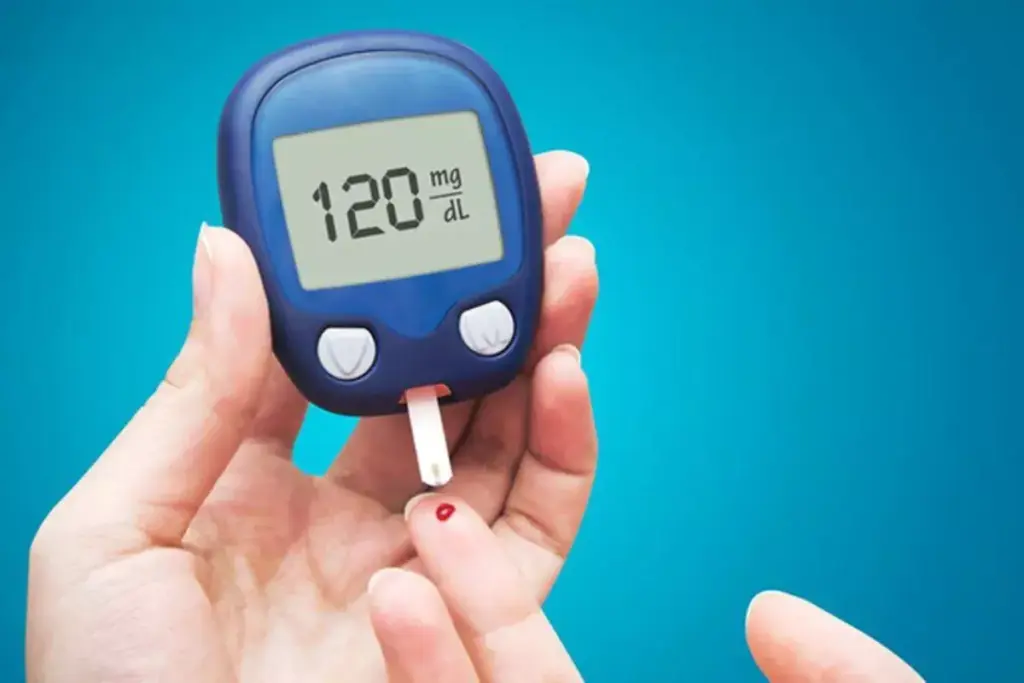
Type 3 diabetes is a key link between diabetes and dementia. It shows how these two conditions are connected. Brain insulin resistance is a big part of why dementia happens.
Understanding Brain Insulin Resistance
Brain insulin resistance means the brain doesn’t respond well to insulin. This hormone is key for controlling blood sugar. When the brain doesn’t use insulin right, it can lead to memory loss and dementia.
Studies show that insulin signaling pathways in the brain are vital for keeping our minds sharp. When these pathways get disrupted, it can lead to brain diseases.
Knowing about brain insulin resistance and dementia is important. It helps us see why managing diabetes is key to keeping our brains healthy. By understanding this, we can find ways to protect our brains from diabetes.
The Link Between Type 2 Diabetes and Dementia Risk
Type 2 diabetes is a big risk factor for dementia. People with Type 2 diabetes are more likely to have memory problems. This is because of insulin resistance, inflammation, and other complications.
It’s important to manage Type 2 diabetes well to lower dementia risk. This means making healthy lifestyle choices and using medicine to control blood sugar and improve insulin use.
The Impact of Diagnosis Timing and Hypoglycemic Events
When diabetes is diagnosed early and managed well, it can prevent dementia. But, having too many low blood sugar episodes can increase dementia risk. This shows why it’s important to keep blood sugar levels stable.
Healthcare providers can create special plans for people with diabetes to protect their brains. This includes managing diabetes and keeping the mind sharp. It’s all about keeping people with diabetes healthy and happy.
Conclusion
Type 4 diabetes is a topic of interest, but it’s not a real medical term. The real focus is on how diabetes and dementia are linked. This connection is often called Type 3 diabetes.
Studies have found a strong link between diabetes and a higher risk of dementia. Knowing this can help people take better care of their health. Even though “diabetes 4” or “type four diabetes” isn’t a real term, it’s important to understand how diabetes affects our brains.
By understanding the link between diabetes type 3 and dementia, we can make better health choices. Living a healthy lifestyle, like eating well and exercising, can improve our health. It’s a way to transform our health for the better.
As we learn more about diabetes and its impact on our brains, a holistic approach to health is key. Choosing a lifestyle that focuses on natural and powerful ingredients can make us feel healthier and more vibrant.
FAQ
What is Type 4 diabetes?
Type 4 diabetes is sometimes used to describe diabetes linked to cognitive decline or dementia.
It highlights the connection between long-term high blood sugar and brain health issues.
Is there a connection between diabetes and dementia?
Yes, people with diabetes have a higher risk of developing dementia over time.
High blood sugar, insulin resistance, and vascular damage may contribute to cognitive decline.
What is Type 3 diabetes mellitus (T3DM)?
Type 3 diabetes refers to Alzheimer’s disease or dementia associated with insulin resistance in the brain.
It links impaired insulin signaling in the brain to cognitive decline and memory problems.
How does Type 2 diabetes increase dementia risk?
Type 2 diabetes increases dementia risk through chronic high blood sugar, vascular damage, and inflammation.
Insulin resistance may also impair brain cell function and accelerate cognitive decline.
What is the impact of diagnosis timing on dementia risk?
Earlier diagnosis and management of diabetes can lower the risk of dementia.
Delaying treatment increases exposure to high blood sugar, which may accelerate brain damage.
How do hypoglycemic events affect dementia risk?
Severe or frequent low blood sugar episodes can damage brain cells and increase cognitive decline.
Managing blood sugar carefully helps reduce the risk of dementia in people with diabetes.
Is dementia a type of diabetes?
No, dementia is not a type of diabetes, but insulin resistance in the brain is sometimes called Type 3 diabetes.
It reflects the link between diabetes and cognitive impairment rather than a separate form of diabetes.
What can I do to reduce my risk of dementia if I have diabetes?
Maintain stable blood sugar, follow a healthy diet, exercise regularly, and control blood pressure and cholesterol.
Regular cognitive stimulation, sleep, and avoiding smoking also help lower dementia risk.
References
National Center for Biotechnology Information. Evidence-Based Medical Insight. Retrieved from https://pmc.ncbi.nlm.nih.gov/articles/PMC8465972/



 Departments
 Related Videos
 Our Doctors
 News
News