

If you’ve just found out you have a blood clot, it can be frightening — but understanding what kind of doctor treats blood clots can make a big difference in your recovery.
At Liv Hospital, patients receive trusted, patient-centered care from top hematologists and vascular specialists. These experts use the latest diagnostic tools and treatments to manage clot-related conditions safely and effectively.
Blood clots such as deep vein thrombosis (DVT) in the legs or pulmonary embolism (PE) in the lungs are serious conditions. Getting quick and expert medical attention from the right doctor who treats blood clots ensures proper diagnosis, treatment, and long-term recovery.
Key Takeaways
- A hematologist is key in managing blood clotting issues.
- Primary care doctors often help manage blood clot patients.
- Liv Hospital offers a patient-centered approach to treating blood clots.
- Specialized care is vital for the right diagnosis and treatment.
- Recovery management uses the latest, best protocols.
Understanding Blood Clots: Types and Severity
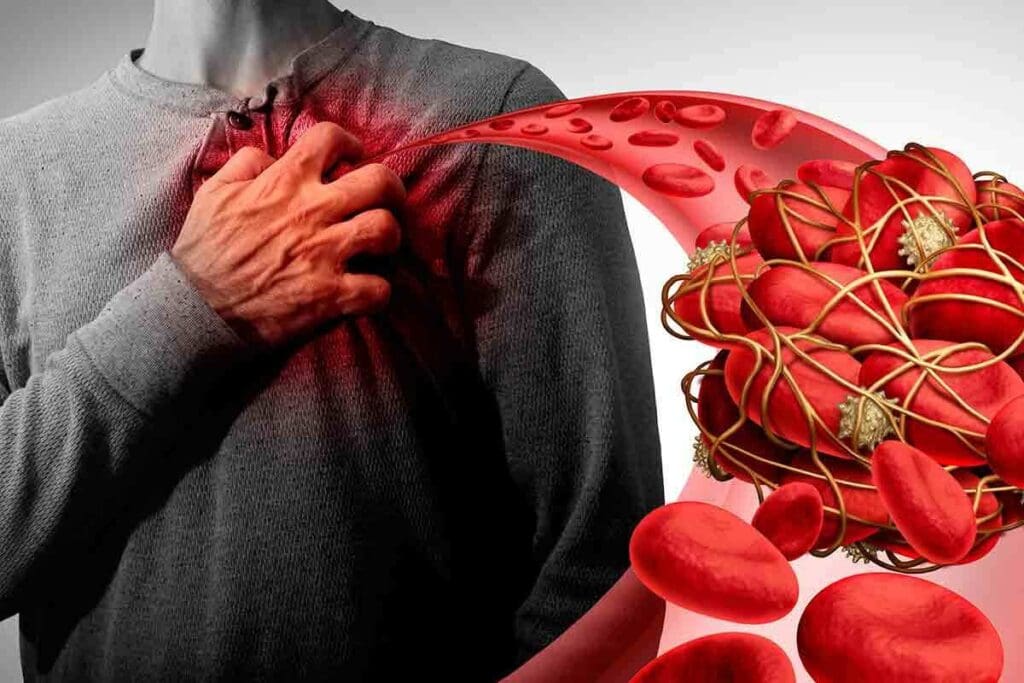
It’s important to know about the different types of blood clots. They can happen in various parts of the body. If not treated quickly, they can be very serious.
Blood clots are divided by where they occur and how serious they are. Deep Vein Thrombosis (DVT) and Pulmonary Embolism (PE) are the most dangerous. They need immediate medical help.
Deep Vein Thrombosis (DVT)
Deep Vein Thrombosis happens when a clot forms in a deep vein, usually in the legs. It can cause a lot of pain and swelling. If not treated, it can get worse.
The recovery time for DVT depends on the clot’s size and the treatment’s success.
- Symptoms: Pain, swelling, and discoloration in the affected limb.
- Risk Factors: Prolonged immobility, genetic predisposition, and certain medical conditions.
- Treatment: Anticoagulant medications, compression stockings, and in some cases, thrombolysis.
Pulmonary Embolism (PE)
Pulmonary Embolism happens when a clot travels to the lungs and blocks blood flow. It’s very dangerous and needs quick medical help. The recovery time for blood clots in the lungs can be long.
- Symptoms: Shortness of breath, chest pain, and coughing up blood.
- Risk Factors: DVT, recent surgery, and certain medical conditions.
- Treatment: Anticoagulant medications, thrombolytics, and in severe cases, surgical intervention.
Other Types of Blood Clots
There are other blood clots like those in the brain (stroke), heart (heart attack), and other organs. Each has its own symptoms and treatment.
- Stroke: Blood clots in the brain can cause a stroke, leading to neurological damage.
- Heart Attack: Clots in the coronary arteries can cause a heart attack, damaging heart muscle.
- Other Clots: Clots can also form in other parts of the body, such as the liver or kidneys, and can have significant health implications.
Knowing the type and severity of a blood clot is key to the right treatment. Quick medical care is vital to avoid long-term damage and improve recovery.
Recognizing the Warning Signs of Blood Clots

Blood clots can be deadly if not treated quickly. It’s key to know their signs. Spotting these symptoms early can help a lot and stop serious problems.
Symptoms of DVT
Deep Vein Thrombosis (DVT) shows certain symptoms that you shouldn’t ignore. Look out for:
- Leg pain or tenderness: This can be a mild ache or severe pain.
- Swelling: Swelling in one leg (rarely both) is common.
- Warmth to the touch: The affected area may feel warmer.
- Redness or discoloration: The skin may turn red or change color.
If you notice these signs, get medical help right away.
Symptoms of Pulmonary Embolism
Pulmonary Embolism (PE) is very serious. It happens when a blood clot goes to the lungs. Look out for:
- Sudden shortness of breath: This can happen without warning.
- Chest pain or discomfort: Pain may get worse with deep breathing.
- Cough or coughing up blood: A cough may develop in some cases.
- Rapid or irregular heartbeat: An increased heart rate is a sign.
These symptoms need immediate medical help.
When to Seek Emergency Care
Knowing when to get emergency care for blood clots is important. If you have trouble breathing, chest pain, or severe leg pain, do this:
- Call emergency services: Don’t wait to call for help.
- Do not drive yourself: If you can, have someone else take you to the hospital.
Quick medical help can save lives and prevent lasting harm.
What Kind of Doctor Treats Blood Clots: The Specialist Landscape
Treating blood clots needs a team of experts. The right doctor depends on the clot’s location and your health. This ensures the best care for you.
Primary Care Physicians as Coordinators
Your care starts with a primary care physician. They check your health first. If needed, they send you to specialists and manage your health.
Hematologists: Blood Disorder Specialists
A hematologist handles blood issues, like clotting problems. They help with blood thinners and find clotting disorders.
Vascular Medicine Specialists
Vascular medicine specialists work on blood vessel problems. They are key in treating blood clots, like deep vein thrombosis.
Dealing with blood clots needs a team of doctors. Knowing who does what helps you get the right care.
Specialized Interventional Doctors for Complex Blood Clots
Managing severe blood clots needs a team effort. This team includes interventional cardiologists, radiologists, and vascular surgeons. They have the skills to handle complex cases with advanced procedures.
Interventional Cardiologists
Interventional cardiologists focus on heart conditions, like blood clots. They use catheter-directed thrombolysis to dissolve clots. This method is less invasive.
They work with others to find the best treatment for severe blood clots. Their knowledge is key for patients at high risk.
Interventional Radiologists
Interventional radiologists use imaging to treat blood clots. They are experts in thrombectomy, removing clots directly. This is great for big or dangerous clots.
Their use of advanced imaging helps them navigate the body’s blood vessels. This makes treatment safer and more precise.
Vascular Surgeons
Vascular surgeons deal with vascular diseases, including blood clots. They might do thrombectomy or fix damaged vessels. Their skills are essential for surgical needs.
They are part of a team for patients with severe blood clots. Their surgery skills are vital when other methods fail.
In summary, treating complex blood clots requires a team of specialized doctors. Interventional cardiologists, radiologists, and vascular surgeons each bring their expertise. Together, they ensure effective care for complex cases.
The Diagnostic Process for Blood Clots
Diagnosing blood clots involves several steps. These include clinical checks, imaging studies, and blood tests. This detailed approach helps doctors find the right treatment for each patient.
Initial Assessment and Physical Examination
The first step is a detailed medical history and physical exam. Doctors look for symptoms and risk factors. They also check for signs like swelling, redness, or warmth in the affected area.
Key components of the initial assessment include:
- Reviewing medical history to identify risk factors for blood clots
- Assessing symptoms such as pain, swelling, or difficulty breathing
- Performing a physical examination to check for signs of clotting
Imaging Tests: Ultrasound, CT Scans, and MRIs
Imaging tests are vital for diagnosing blood clots. They help doctors see the clot and its size and location.
Common imaging tests used include:
- Ultrasound: Often used to diagnose Deep Vein Thrombosis (DVT), it can detect clots in the veins.
- CT Scans: Useful for diagnosing Pulmonary Embolism (PE) by visualizing the lungs’ blood vessels.
- MRI: Can be used to detect clots in various parts of the body, including the brain and abdomen.
Blood Tests for Clotting Disorders
Blood tests are key for finding clotting disorders and assessing clotting risk. They measure blood factors that affect clotting.
Key blood tests include:
- D-dimer test: Helps diagnose or rule out thrombotic disorders
- Complete Blood Count (CBC): Assesses overall blood health
- Clotting factor tests: Measures the levels of various clotting factors in the blood
Understanding these test results is vital for choosing the right treatment. It helps manage the condition effectively.
Medical Treatment Options for Blood Clots
Medical treatments are key in managing blood clots and preventing complications. The right treatment depends on the clot’s type and severity, and the patient’s health.
Traditional Anticoagulants: Warfarin and Heparin
Warfarin and heparin have been used for years to treat blood clots. Warfarin stops vitamin K-dependent clotting factors. Heparin boosts antithrombin activity. Both need regular checks to ensure the right dose.
Patients on warfarin must have blood tests to check their INR. This prevents clotting and bleeding. Learn more about warfarin and INR on medical websites
Direct Oral Anticoagulants (DOACs)
DOACs, like rivaroxaban, apixaban, and dabigatran, are easier to use and need less monitoring. They directly block thrombin or factor Xa. This makes them more predictable.
DOACs are often chosen over traditional anticoagulants because they have fewer food and drug restrictions. But, the choice depends on the patient’s kidney function and other health issues.
Thrombolytics for Severe Cases
Thrombolytics are for severe blood clots, like massive pulmonary embolism. They dissolve clots fast, improving blood flow and preventing damage. They’re given in hospitals because of bleeding risks.
| Treatment Option | Mechanism of Action | Monitoring Requirements | Common Examples |
| Traditional Anticoagulants | Inhibit vitamin K-dependent clotting factors or enhance antithrombin activity | Regular INR monitoring for warfarin | Warfarin, Heparin |
| Direct Oral Anticoagulants (DOACs) | Directly inhibit thrombin or factor Xa | Less frequent monitoring; sometimes not required | Rivaroxaban, Apixaban, Dabigatran |
| Thrombolytics | Dissolve clots by activating plasminogen | Close monitoring for bleeding complications | Alteplase, Tenecteplase |
In conclusion, managing blood clots requires various treatments, each with its own benefits and risks. Knowing these options helps healthcare providers and patients make better choices.
Interventional Procedures for Severe Blood Clot Cases
When blood clots are severe, quick action through special treatments can make a big difference. Blood clots that cause deep vein thrombosis (DVT) or pulmonary embolism (PE) need fast and effective treatment. This is to avoid serious problems.
Catheter-Directed Thrombolysis
Catheter-directed thrombolysis is a small procedure to break down blood clots. A thin tube, called a catheter, is put into the clot. Then, medicine to dissolve the clot is given through the tube. This method works well for big DVTs or when anticoagulation therapy is risky.
Benefits of catheter-directed thrombolysis include less chance of post-thrombotic syndrome. This is a condition with chronic pain and swelling in the affected limb. But, there are risks like bleeding, and it’s mainly for severe cases.
Thrombectomy Procedures
Thrombectomy is a procedure to remove blood clots. There are different ways to do this, like suction or using devices to break up and remove the clot. These are used in emergencies, like acute ischemic stroke or massive pulmonary embolism.
Advancements in thrombectomy technology have made these procedures safer and more effective. Even so, thrombectomy is a high-risk treatment. It’s usually considered when the benefits are greater than the risks.
Inferior Vena Cava (IVC) Filters
IVC filters are devices placed in the inferior vena cava to stop pulmonary embolism in high-risk patients. They are good for those who can’t take anticoagulants or have had PE despite treatment.
Putting in an IVC filter is a small procedure done under imaging. While IVC filters can save lives, they can also cause problems like filter migration or caval thrombosis. So, the decision to use an IVC filter is made carefully, based on the patient’s risk and treatment goals.
Recovery Timeline: What to Expect After a Blood Clot
Knowing the recovery timeline is key for those with blood clots. The journey has different stages, each with its own goals and steps to follow.
Immediate Recovery Phase (First Week)
In the first week, patients are watched closely for any issues. Anticoagulant medication is started right away to stop the clot from getting bigger. It also helps prevent new clots.
Resting and avoiding hard activities are advised. Regular check-ups are set to track the clot’s progress and adjust treatments as needed.
Short-Term Recovery (1-3 Months)
In the next few months, patients keep taking their anticoagulant meds. They also have blood tests to make sure the meds are working. Slowly getting back to normal activities is okay, but don’t push too hard.
It’s also vital to watch for signs of trouble, like swelling, pain, or trouble breathing. Tell a doctor right away if you notice these symptoms.
Long-Term Recovery and Follow-Up
Long-term recovery means managing risks and fixing any lasting problems. This might mean staying on anticoagulants for a while. It depends on your risk factors and why the clot happened.
| Recovery Phase | Key Activities | Follow-Up Requirements |
| Immediate (First Week) | Rest, start anticoagulant medication | Close monitoring, follow-up appointments |
| Short-Term (1-3 Months) | Continue anticoagulants, gradual return to activities | Regular blood tests, watch for complications |
| Long-Term | Ongoing anticoagulation, lifestyle adjustments | Regular check-ups, monitoring for recurrence |
Knowing the recovery timeline helps patients plan better. It helps them stick to their treatment plans and get better faster.
Physical Rehabilitation During Blood Clot Recovery
Recovering from blood clots is not just about medical treatment. It also needs a good physical rehabilitation plan. This plan helps patients get stronger and move better. It also lowers the chance of more problems and makes life better overall.
Compression Therapy for DVT
Compression therapy is key for Deep Vein Thrombosis (DVT) treatment. It uses stockings or bandages to press on the affected limb. This helps blood flow better and cuts down swelling.
Benefits of Compression Therapy:
- Reduces swelling and pain
- Improves blood circulation
- Decreases the risk of post-thrombotic syndrome
Graduated Exercise Programs
Graduated exercise programs help patients slowly get more active. They are made to fit each person’s needs and abilities. This way, patients can avoid hurting themselves or getting more clots.
| Exercise Type | Benefits | Precautions |
| Walking | Improves circulation, strengthens muscles | Avoid overexertion |
| Leg Exercises | Enhances venous return, reduces stiffness | Start with gentle movements |
Physical Therapy Interventions
Physical therapy is very important in recovery. It helps get function and mobility back. It uses manual therapy, exercises, and teaches how to move right.
Key Components of Physical Therapy:
- Assessment of the patient’s condition and capabilities
- Development of a personalized exercise program
- Education on managing symptoms and preventing recurrence
Managing Daily Life During Blood Clot Recovery
Life after a blood clot diagnosis can be tough. But, with the right help, patients can get through it. It’s key to manage daily tasks to avoid problems and make recovery smoother.
Activity Recommendations and Restrictions
It’s important to find a balance between rest and activity during recovery. Gentle exercises like walking or stretching can help blood flow. But, stay away from hard activities that might move the clot.
- Avoid heavy lifting or bending.
- Gradually increase physical activity as advised by your healthcare provider.
- Consider compression stockings to reduce swelling and improve blood flow.
Returning to Work After a Blood Clot
Going back to work after a blood clot depends on several things. These include how serious the clot is, your job, and your health. Always talk to your doctor about when you can go back to work.
Some things to think about include:
- Jobs that involve sitting or standing a lot might need changes to avoid more clots.
- Employers might need to make temporary changes to your job.
- Take breaks to move around to lower the risk of another clot.
Travel Considerations for Patients with History of Clots
Travel, long trips in particular, can raise the risk of another clot. If you’ve had DVT before, be careful when traveling.
- Drink plenty of water and avoid alcohol while traveling.
- Take breaks to walk around during long flights or car rides.
- Wear compression stockings during travel to lower clot risk.
By following these tips and working with your healthcare team, you can manage your daily life well during blood clot recovery.
Preventing Recurrence: Long-Term Management Strategies
To prevent blood clots from coming back, a mix of medical treatment and lifestyle changes is needed. This approach is key to lowering the chance of future clots and improving life quality for those who have had them.
Duration of Anticoagulation Therapy
Anticoagulation therapy is vital in managing blood clots. It stops new clots from forming and existing ones from growing. The length of this therapy varies based on several factors, like the patient’s risk, the clot’s cause, and any underlying health issues. It usually lasts from 3 to 6 months, but can go on longer. Some, like those with a history of clots or certain genetic conditions, might need it for life.
It’s important for patients to work with their doctors to figure out how long they need this therapy. They need regular check-ups to weigh the benefits of preventing clots against the risks of bleeding. Learn more about preventing deep vein thrombosis.
Lifestyle Modifications to Reduce Risk
Medical treatment is not the only way to lower the risk of blood clots coming back. Regular exercise is also helpful, as it improves blood flow and reduces clot risk. But, it’s wise to talk to a doctor before starting any new workout, even more so for those with clot history.
Other good changes include staying at a healthy weight, avoiding long periods of sitting, and drinking plenty of water. For those at high risk or with clot history, wearing compression stockings can help with blood flow and swelling.
Monitoring for Complications
Keeping an eye on things is key for long-term care after blood clots. Regular visits to the doctor are needed to check if the treatment is working and to watch for any complications like bleeding or post-thrombotic syndrome.
It’s also important for patients to know the signs of another clot or bleeding. This way, they can get help quickly if they notice anything odd. By being proactive, patients can lower their risk of future clots and better their health.
Conclusion: Navigating Your Blood Clot Recovery Journey
Recovering from blood clots needs a lot of care and understanding. It’s important to know about the condition, treatment, and how to manage it long-term. Spotting the signs early and getting medical help fast can make a big difference.
A team of experts, like primary care doctors and specialists in blood and vascular health, work together. They offer different treatments, from medicines to procedures like catheter-directed thrombolysis and thrombectomy.
Managing daily life is key during recovery. This means following activity advice, using compression therapy, and making lifestyle changes. These steps help reduce the chance of blood clots coming back.
Knowing about blood clot treatment and recovery helps people make better choices for their care. This leads to a successful recovery.
FAQ
What kind of doctor treats blood clots in legs?
For blood clots in the legs, also known as Deep Vein Thrombosis (DVT), you can see a primary care doctor. You can also go to a hematologist or a vascular medicine specialist. In more complex cases, interventional radiologists or vascular surgeons might be needed.
What doctor treats blood clots?
The doctor for blood clots depends on the clot’s location and complexity. Primary care doctors often start the care. Hematologists and vascular medicine specialists then provide specific treatments. For complex cases, interventional cardiologists, radiologists, and vascular surgeons might be involved.
How long does it take a blood clot to heal?
Healing time for a blood clot varies. It depends on the clot’s size, location, and your health. Usually, it takes weeks to months for a clot to dissolve with treatment.
How long should I be off work with a DVT?
Time off work for DVT recovery varies. It depends on the clot’s severity, your job, and health. You might need a few days to weeks off. Always check with your healthcare provider.
What is the recovery time for DVT?
DVT recovery time is different for everyone. It starts with anticoagulation therapy. Then, there’s a period of adjustment and possibly physical therapy. Long-term care is key to prevent clotting again.
How long does a blood clot stay in your leg?
With the right treatment, a blood clot in the leg can dissolve in weeks. But, you’ll need to keep an eye out for complications and clotting again.
What are the long-term management strategies for preventing blood clot recurrence?
Long-term strategies include ongoing anticoagulation therapy. You should also exercise regularly, stay healthy, and avoid sitting too long. Monitoring for complications is also important.
Can I travel after having a blood clot?
Traveling after a blood clot is possible but needs careful planning. Talk to your doctor, stay hydrated, and move often during trips. Wearing compression stockings can also help.
What lifestyle modifications can reduce the risk of blood clots?
To lower blood clot risk, exercise regularly, stay healthy, and quit smoking. Avoid sitting too long. Drinking water and managing health conditions are also key.
How long does anticoagulation therapy last for blood clots?
Anticoagulation therapy length varies. It depends on your risk factors, the clot’s cause, and health conditions. It can last from months to a lifetime, as decided by your doctor.
References
- Kesieme, E., et al. (2023). Deep vein thrombosis – StatPearls. StatPearls Publishing. https://www.ncbi.nlm.nih.gov/books/NBK507708/



 Departments
 Related Videos
 Our Doctors
 News
News