Anemia affects many organs, but the heart is the most vulnerable. If you’re wondering what organ does anemia affect the most, it’s the heart because it works harder to pump oxygen, leading to fatigue and serious health risks.
Knowing how anemia affects the body is key to managing it well. The heart has to pump more blood, which can lead to heart issues. These can include heart palpitations and even heart failure.
Understanding Anemia: A Brief Overview
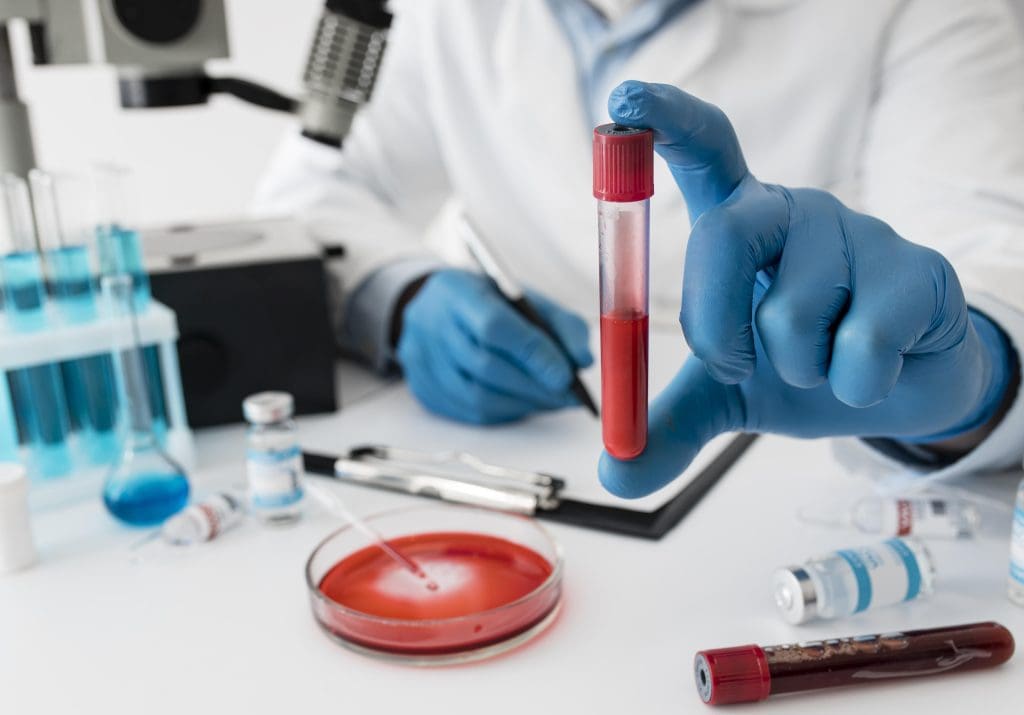
Anemia is a health issue where there are fewer red blood cells or less hemoglobin. This affects how well the body gets oxygen. Let’s dive into what anemia is and its effects.
Definition and Types of Anemia
Anemia means you have low hemoglobin levels or not enough red blood cells. These cells are key for carrying oxygen to your body’s tissues. There are different types, like iron deficiency anemia, vitamin deficiency anemia, and anemia from chronic diseases.
| Type of Anemia | Cause | Characteristics |
| Iron Deficiency Anemia | Lack of sufficient iron | Low hemoglobin, fatigue |
| Vitamin Deficiency Anemia | Insufficient vitamins like B12 | Neurological symptoms, weakness |
| Anemia of Chronic Disease | Chronic illnesses like cancer or HIV/AIDS | Inflammation, reduced red blood cell production |
Common Causes of Anemia
Anemia can be caused by many things, from not getting enough nutrients to chronic diseases. Iron deficiency is a big one, often from not eating enough iron or losing blood too much.
General Symptoms and Diagnosis
Symptoms of anemia include feeling tired, weak, and pale. You might also have shortness of breath. use blood tests to check your hemoglobin and red blood cell count. Knowing this helps find the right treatment.
The Relationship Between Anemia and Organ Function
Anemia affects how well organs work by not delivering enough oxygen. It happens when there’s not enough red blood cells or hemoglobin. This makes it hard for the body to send oxygen to different parts of the body.
How Anemia Disrupts Normal Oxygen Supply
Anemia cuts down on the oxygen-carrying capacity of the blood. With less hemoglobin, organs don’t get the oxygen they need. This leads to tissue hypoxia, where organs can’t work right, affecting health.
Tissue Hypoxia and Its Consequences
Tissue hypoxia happens when organs need more oxygen than they get. This can damage cells and organs. It can cause problems like poor thinking, less energy, and even organ failure. The body tries to fix this by working harder, like beating faster and widening blood vessels.
Acute vs. Chronic Effects on Body Systems
Anemia can affect the body in two ways: acute and chronic. Acute anemia comes on fast, like after a big blood loss. It causes quick and serious symptoms. On the other hand, chronic anemia develops slowly. It lets the body adjust a bit, but can harm organs over time if not treated.
It’s important to know the difference between acute and chronic anemia. Acute anemia needs quick action, while chronic anemia needs ongoing care to avoid organ damage.
Bone Marrow: The Origin of Anemia
Bone marrow is key to making red blood cells. It’s the spongy tissue in bones like hips and thighbones. It produces blood cells.
Production of Red Blood Cells
Bone marrow is vital for making red blood cells. These cells carry oxygen around the body. It’s a team effort in the bone marrow to make these cells.
The making of red blood cells goes through many steps. This includes turning stem cells into erythroblasts, then into reticulocytes. These cells then become red blood cells in the blood.
Impact of Anemia on Bone Marrow Function
Anemia can really hurt bone marrow. When there’s not enough red blood cells, the marrow tries to make more. But it can’t always keep up, because of things like not enough nutrients or chronic diseases.
Some big problems for bone marrow in anemia are:
- Not enough iron for hemoglobin.
- Problems with erythropoietin, which helps make red blood cells.
- Chronic inflammation that messes with bone marrow.
Bone Marrow Response to Different Types of Anemia
The bone marrow reacts differently to different anemias. For example, in iron deficiency anemia, it makes fewer red blood cells because of iron lack. But in hemolytic anemia, it tries to make more red blood cells because they’re being lost.
Knowing how bone marrow reacts to anemia is key for treatment. By fixing the cause of anemia and helping the bone marrow, can improve red blood cell production. This helps reduce symptoms.
The Heart: Primary Victim and Most Affected Organ in Anemia
Anemia greatly affects the heart, causing it to adapt and face complications. It’s important to understand these effects to manage anemia well.
Cardiovascular Adaptations to Low Hemoglobin
The body tries to make up for anemia by beating faster and pumping more blood. This can change how the heart works over time.
Long-term anemia can lead to serious heart problems. These include thickening of the heart’s left side and heart failure.
Heart Complications from Chronic Anemia
People with anemia may feel their heart racing, have trouble breathing, and feel very tired. It’s key to manage anemia to avoid lasting heart damage.
Healthcare providers can create better treatment plans by knowing how anemia affects the heart.
Organs Affected by Anemia: A Comprehensive Review
Anemia is a complex condition that affects not just the blood. It also has far-reaching consequences on various organs in the body. Understanding how anemia impacts different organs is key for effective patient care.
Primary vs. Secondary Organ Involvement
The primary organs affected by anemia need a lot of oxygen to work right. For example, the heart has to work harder because of the lack of red blood cells or hemoglobin. This can lead to fatigue and a decrease in cardiac function.
Severity of Impact Based on Anemia Type
The severity of anemia’s impact on organs varies based on its cause. For instance, iron deficiency anemia can cause different problems than anemia caused by chronic disease or vitamin deficiencies.
Also, the timeline of organ damage can differ a lot. Chronic anemia can cause long-term damage to organs like the heart, kidneys, and brain if not treated properly.
The Brain and Nervous System Under Anemic Conditions
Anemia can affect the brain a lot. It can mess with how well we think and feel. Not getting enough oxygen to the brain can cause many problems.
Cognitive Effects of Reduced Oxygenation
Not enough oxygen to the brain can make it hard to focus. It can also cause memory problems and make solving puzzles harder. Research shows anemia can lower thinking skills in kids and adults.
Neurological Symptoms Associated with Anemia
Anemia can cause headaches and dizziness. In bad cases, it can even lead to seizures or coma.
Long-term Consequences
Long-term, anemia can really hurt the brain. It can cause lasting thinking problems and even increase the risk of dementia. It’s very important to treat anemia early to avoid these serious issues.
Kidneys: Stress and Adaptation in Anemia
Anemia puts stress on the kidneys, showing how closely anemia and kidney function are linked. We’ll look at how anemia impacts the kidneys. This includes changes in kidney function, the role of kidneys in making erythropoietin, and possible kidney damage.
Renal Function Changes During Anemia
Anemia changes how kidneys work. They need enough oxygen to function well, but anemia lowers blood oxygen. To cope, kidneys might increase blood flow and change how they handle waste.
Kidney’s Role in Erythropoietin Production
Kidneys are key in making erythropoietin, a hormone that helps make red blood cells. When anemia strikes, kidneys make more erythropoietin to help. But, if kidneys are damaged, they can’t make enough, making anemia worse.
Anemia-Induced Kidney Damage
Long-term anemia can harm kidneys. The lack of oxygen damages kidney tissue and hampers its function. The kidneys also face extra strain, which can lead to lasting damage. It’s vital to manage anemia to protect the kidneys.
Anemia impacts kidneys in many ways, from altering function to causing damage. Knowing these effects is key to managing anemia and keeping kidneys healthy.
Liver Function and Anemia: A Two-Way Relationship
The liver is key in managing anemia by handling iron. Anemia means not enough red blood cells or hemoglobin. This makes it hard for the body to get oxygen to important organs, like the liver.
Iron Metabolism and the Liver
The liver controls iron in the body. It stores, distributes, and recycles iron. It makes proteins like hepcidin to manage iron levels. If the liver doesn’t work right, iron levels can drop, causing anemia.
Key aspects of the liver’s role in iron metabolism include:
- Regulation of iron storage and release
- Production of hepcidin to control dietary iron absorption
- Management of iron recycling from senescent red blood cells
Impact of Anemia on Liver Function
Anemia can hurt the liver’s work. It makes it hard for the liver to clean toxins, break down drugs, and make proteins. Long-term anemia can damage the liver, making anemia harder to manage.
The effects of anemia on the liver can be summarized as follows:
- Reduced oxygen supply impairing liver function
- Increased risk of liver damage due to chronic hypoxia
- Potential for increased liver enzymes indicating liver stress
Liver Disorders That Can Cause Anemia
Some liver problems can cause anemia. For example, cirrhosis makes it hard for the liver to handle iron. Chronic liver disease can also lead to anemia. Liver issues that cause high blood pressure in the liver can make the spleen big, which worsens anemia.
It’s important to understand how the liver and anemia are connected. By fixing both the liver’s iron work and anemia’s effect on the liver, can help patients better.
The Spleen: Overactivity and Enlargement in Anemia
The spleen is key in filtering and recycling red blood cells. Anemia greatly affects its function.
Splenic Function in Red Blood Cell Lifecycle
The spleen filters out old or damaged red blood cells. It also stores red blood cells and recycles iron. This is vital for healthy blood flow.
Splenomegaly as a Consequence of Anemia
Anemia can cause splenomegaly, where the spleen gets bigger. This happens because the spleen works harder to remove damaged red blood cells. Over time, this can make the spleen overactive and enlarged.
When Spleen Removal Becomes Necessary
In severe cases of anemia and splenomegaly, removing the spleen might be needed. This is usually when the spleen’s size causes other problems. Or if the anemia is linked to the spleen’s role.
Respiratory System Adaptations to Anemia
The respiratory system changes in many ways when someone has anemia. This includes breathing patterns and possible lung problems. Anemia means there are fewer red blood cells or less hemoglobin, making it hard to get enough oxygen to the body’s tissues.
Changes in Breathing Patterns
People with anemia often breathe differently. They breathe faster and shallower to try to get more oxygen. This helps their body get enough oxygen to the tissues.
Because of this, anemic people might breathe more often. This can cause a condition called respiratory alkalosis. It happens when there’s too little carbon dioxide in the blood, leading to dizziness and other symptoms.
Pulmonary Complications of Severe Anemia
Severe anemia can cause serious lung problems. The heart has to work harder to pump blood because there’s less hemoglobin. This can lead to pulmonary hypertension and even heart failure.
The table below shows some lung problems that can happen with severe anemia:
| Pulmonary Complication | Description |
| Pulmonary Hypertension | High blood pressure in the arteries that supply blood to the lungs |
| Pulmonary Edema | Fluid accumulation in the lungs, making it difficult to breathe |
| Acute Respiratory Distress Syndrome (ARDS) | A life-threatening condition preventing adequate oxygen supply to the lungs and other organs |
Respiratory Symptoms and Their Management
People with anemia might have trouble breathing and breathe too fast. It’s important to manage these symptoms to improve their quality of life.
Here are some ways to manage these symptoms:
- Oxygen therapy to increase blood oxygen levels
- Treating the underlying cause of anemia
- Monitoring respiratory rate and overall condition
Understanding how the respiratory system adapts to anemia helps provide better care. This can lead to better outcomes for patients.
Circulatory System and Blood Flow Changes
Anemia affects the circulatory system, changing how blood flows and is distributed. The body tries to make up for the blood’s reduced ability to carry oxygen.
Altered Blood Flow to Vital Organs
When anemia happens, the body focuses on getting blood to important organs like the brain and heart. This is key to keeping them working well, even with less oxygen.
Organs like the kidneys and liver also get adjusted blood flow. This can affect how well they work and our overall health.
Vascular Adaptations to Anemia
The vascular system changes to anemia by adjusting blood flow. It does this by making blood vessels wider, which lowers blood pressure.
These changes help keep blood pressure stable. They also make sure vital organs get enough blood, even with anemia.
Impact on Microcirculation and Tissue Perfusion
Anemia affects how blood flows at the microcirculatory level. With less hemoglobin, tissues get less oxygen, which can harm their function.
To help, the body tries to get more oxygen from the blood. This helps lessen the effects of less oxygen delivery.
| Organ/System | Effect of Anemia | Compensatory Mechanism |
| Brain | Reduced oxygen delivery | Increased blood flow |
| Heart | Increased workload | Cardiac output increase |
| Kidneys | Adjusted blood flow | Erythropoietin production |
Knowing about these changes is key to managing anemia well. It helps lessen its effects on the circulatory system and overall health.
Iron Deficiency Anemia: Specific Organ Impacts
Iron deficiency anemia affects the body in many ways. It impacts different organs in unique ways. Iron is key for making hemoglobin, which carries oxygen. Low iron means less oxygen gets to the body, causing health problems.
Unique Organ Effects of Iron Deficiency
Iron deficiency anemia affects several organs. The heart works harder because of less oxygen. This can cause heart palpitations and other cardiac issues.
The brain is also affected, leading to cognitive impairments and neurological symptoms like pica.
Pica is a craving for non-food items. It’s a sign of iron deficiency anemia. The body tries to make up for nutritional gaps through pica.
Pica and Other Neurological Manifestations
Iron deficiency anemia brings on various neurological symptoms. These can greatly affect daily life. Some common symptoms include:
- Restless leg syndrome
- Fatigue and weakness
- Difficulty concentrating
- Pica
These symptoms can be very distressing. It’s important to find and treat the root cause, which is often iron deficiency.
Restoring Organ Function After Iron Repletion
Fortunately, many issues caused by iron deficiency anemia can be fixed. Iron repletion, through diet and supplements, is the first step to recovery.
When iron levels are back to normal, the body makes more healthy red blood cells. This improves oxygen delivery to organs. Many symptoms, including neurological ones, can improve or go away.
“Early diagnosis and treatment of iron deficiency anemia can prevent long-term organ damage and significantly improve patient outcomes.” – Medical Expert
In conclusion, iron deficiency anemia impacts organs in many ways. But with the right treatment, organ function can be restored, and health can improve.
Preventing Organ Damage from Anemia
Early detection and action are key to avoiding harm from anemia to vital organs. By taking steps early, we can lower the chance of organ damage.
Early Detection and Intervention Strategies
Regular health checks are vital to catch anemia early. This leads to quick action, stopping anemia’s worsening and its problems.
- Regular blood tests to monitor hemoglobin levels
- Screening for underlying causes of anemia
- Prompt treatment of identified causes
Early intervention boosts life quality and cuts down organ damage risks from anemia.
Nutritional Approaches to Organ Protection
A balanced diet is key in fighting and managing anemia. We suggest foods high in iron, vitamin B12, and folate to help make healthy red blood cells.
- Eat more iron-rich foods like red meat, poultry, and fortified cereals
- Choose foods high in vitamin C to better absorb iron
- Stay away from coffee and tea when eating iron-rich foods
Medical Treatments That Reduce Organ Strain
Medical help is also needed to manage anemia well. We look at different treatments based on anemia’s cause.
These may include:
- Iron supplements for iron deficiency anemia
- Vitamin B12 injections for vitamin B12 deficiency
- Blood transfusions in severe cases of anemia
By using early detection, nutrition, and the right medical treatments, we can stop or lessen organ damage from anemia.
Conclusion
Anemia affects many parts of the body, showing how vital it is to know its impact. We’ve seen how it disrupts oxygen flow, causing tissue hypoxia. This affects the heart, brain, kidneys, liver, and spleen.
The heart, in particular, struggles with low hemoglobin levels. This can lead to serious heart problems.
Spotting anemia early and treating it quickly is key to avoiding organ damage. Effective management of anemia can help protect vital organs. This improves patient outcomes.
We stress the need for a detailed care plan. It should cover the complex links between anemia and organ function.
In summary, anemia is a complex issue needing a careful approach to diagnosis and treatment. Healthcare professionals can create better care plans by understanding anemia’s effects on organs. This helps reduce the risk of serious complications.
FAQ
What is anemia and how does it affect the body?
Anemia is when you don’t have enough red blood cells or hemoglobin. This means your body can’t get enough oxygen. It makes you feel tired, weak, and can harm your organs if not treated.
Which organ is most affected by anemia?
The heart is most affected by anemia. It works harder because of the lack of red blood cells. This can lead to heart problems and palpitations.
How does anemia disrupt normal oxygen supply to organs?
Anemia means less hemoglobin to carry oxygen. This causes tissues to not get enough oxygen. It can hurt organ function and cause problems.
What are the cognitive effects of anemia on the brain?
Anemia can make it hard for the brain to get enough oxygen. This can cause trouble concentrating, memory problems, and lower mental performance.
Can anemia cause kidney damage?
Yes, anemia can damage the kidneys. It reduces oxygen to the kidneys, which can hurt their function. This can lead to more problems, like less erythropoietin production.
How does iron deficiency anemia affect organs differently?
Iron deficiency anemia can affect organs in special ways. It can cause neurological problems like pica. It can also hurt organ function, but fixing the iron can help.
What are the symptoms of anemia that affect the respiratory system?
Anemia can change how you breathe. It can lead to lung problems and symptoms like shortness of breath. Treatment can help manage these symptoms.
How can anemia be prevented to avoid organ damage?
To prevent anemia, find it early and get enough iron. Medical treatments can also help reduce strain on organs. This can lower the risk of damage.
What is the role of the spleen in anemia?
The spleen is key in red blood cell life. Anemia can make the spleen bigger. In severe cases, it might need to be removed.
Can anemia cause long-term neurological consequences?
Yes, anemia can lead to long-term brain problems. This includes lasting cognitive issues and other brain symptoms if not treated well.
How does anemia impact the circulatory system?
Anemia changes blood flow to important organs. It triggers changes in blood vessels and affects how well blood reaches tissues. This can cause circulatory problems.
What is the relationship between liver function and anemia?
The liver is important for iron, and anemia can affect it. Liver problems can also cause anemia. This shows a connection between the two.