Getting a diagnosis of a calcified thyroid nodule can be scary. It’s important to know the cancer risk. Liv Hospital offers care that is trustworthy and focused on the patient.what percentage of calcified thyroid nodules are cancerous They use the latest international standards for accurate and detailed evaluations.
Calcified thyroid nodules are linked to a higher cancer risk. Research shows that up to 66 percent of these nodules could be cancerous. This makes getting a proper diagnosis very important. Ultrasound is key in checking thyroid nodules and finding calcification.
Key Takeaways
- Calcified thyroid nodules have a higher risk of being cancerous.
- Up to 66 percent of calcified thyroid nodules may be malignant.
- Ultrasound is a critical tool for diagnosing thyroid nodules.
- Liv Hospital provides accurate and thorough evaluations based on international standards.
- Understanding the cancer risk of calcified thyroid nodules is vital for patient care.
Understanding Thyroid Nodules and Calcification

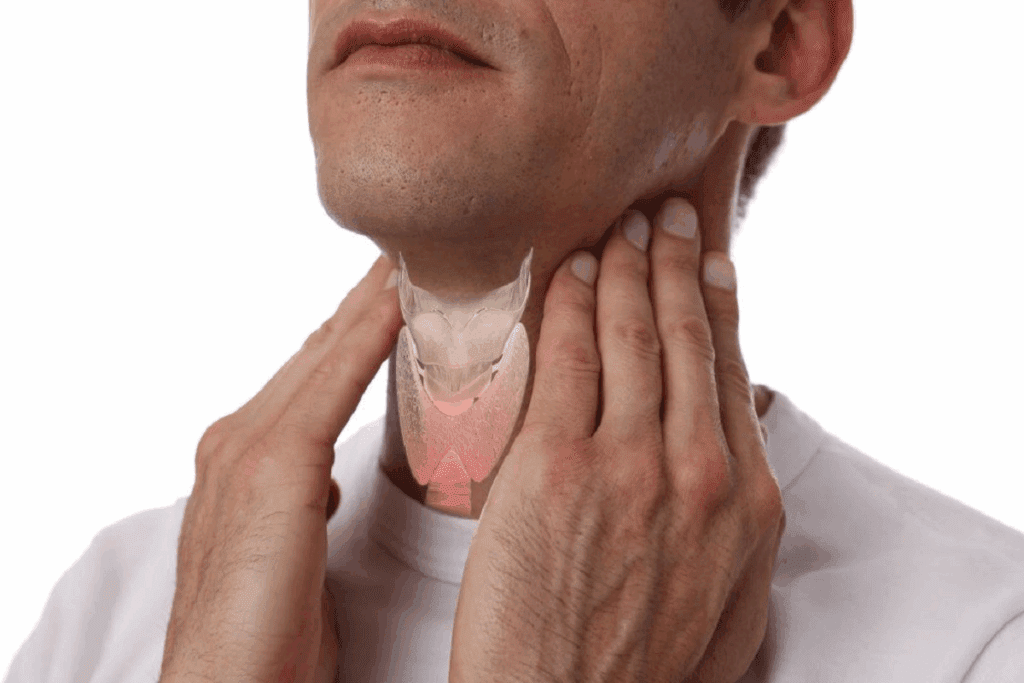
Thyroid nodules are common and can be either benign or malignant. It’s important to understand them for accurate diagnosis. These nodules grow in the thyroid gland, a butterfly-shaped gland in the neck. It helps control metabolism.
What Are Thyroid Nodules?
Thyroid nodules come in different sizes and numbers. Up to 50% of people might have them, but many are too small to see. Most nodules are not cancerous, but a few can be.
The Process of Nodule Calcification
Calcification in thyroid nodules means calcium salts build up in them. This happens in many nodules. The reasons behind it are complex, involving cells and molecules.
Types of Calcification in Thyroid Nodules
There are two main types of calcification in thyroid nodules: microcalcifications and macrocalcifications. Microcalcifications are small and often point to cancer. Macrocalcifications are larger and can be in both benign and malignant nodules.
| Type of Calcification | Description | Cancer Association |
| Microcalcifications | Tiny, punctate calcifications | Highly suggestive of papillary thyroid carcinoma |
| Macrocalcifications | Larger calcifications | Can be seen in both benign and malignant nodules |
What Percentage of Calcified Thyroid Nodules Are Cancerous?

It’s important to know how calcification affects cancer risk in thyroid nodules. Calcification can signal cancer, but the risk depends on the type of calcification.
Overall Malignancy Rates in Calcified Nodules
Research shows calcified thyroid nodules have a higher cancer risk than non-calcified ones. This is a big concern that needs more study.
Studies show calcification makes cancer more likely in thyroid nodules. A study found malignancy rates in calcified nodules were significantly higher than in non-calcified ones.
Comparing Cancer Risk Between Different Calcification Types
The type of calcification in thyroid nodules affects cancer risk. There are three main types: microcalcifications, macrocalcifications, and rim calcifications. Each has its own cancer risk level.
Microcalcifications are linked to a higher risk of papillary thyroid carcinoma. Macrocalcifications and rim calcifications have different risks, with rim calcifications often being lower.
| Calcification Type | Malignancy Rate (%) |
| Microcalcifications | 20-30 |
| Macrocalcifications | 5-15 |
| Rim Calcifications | 2-5 |
Statistical Significance of Calcification in Cancer Diagnosis
Calcification’s role in diagnosing thyroid cancer is very important. Clinicians look for microcalcification to assess cancer risk.
Knowing the type of calcification helps doctors decide if a biopsy or more tests are needed.
Microcalcifications and Cancer Risk
Microcalcifications are tiny calcium deposits in thyroid nodules that raise cancer risk. They are often seen during ultrasound exams. This is a key tool for checking thyroid nodules.
Defining Microcalcifications
Microcalcifications are small, less than 1 mm in size. They show up as bright spots on ultrasound images. Their presence suggests a possible cancer, often papillary thyroid carcinoma.
Association with Papillary Thyroid Carcinoma
Papillary thyroid carcinoma is a common thyroid cancer. Microcalcifications are often found in these cancers. Research shows they increase the chance of this cancer.
A study in theThyroid Journal found microcalcifications are a strong sign of cancer in nodules.
Why Microcalcifications Increase Cancer Risk
The exact reason for the link between microcalcifications and cancer isn’t clear. But, it’s thought that fast-growing cancer cells might cause these calcifications. This could also mean the tumor is more aggressive.
| Feature | Microcalcifications | Macrocalcifications |
| Size | Less than 1 mm | Greater than 1 mm |
| Cancer Risk | Higher risk of malignancy | Lower risk of malignancy |
| Association | Frequently associated with papillary thyroid carcinoma | Less specific association with cancer type |
In summary, microcalcifications in thyroid nodules signal a higher cancer risk, mainly for papillary thyroid carcinoma. Knowing about microcalcifications is key for accurate diagnosis and treatment of thyroid nodules.
Macrocalcifications and Malignancy Potencial
It’s important to know about macrocalcified thyroid nodules to understand their risk of cancer. Macrocalcifications are big calcifications in thyroid nodules. They are usually not as risky as microcalcifications but can be tricky to diagnose.
Characteristics of Macrocalcified Nodules
Macrocalcified nodules have big, coarse calcifications. They can be seen with ultrasound. Even though they are old nodules, they might not be cancer-free.
Key Features:
- Large, coarse calcifications within the nodule
- Often associated with benign conditions
- Can be detected through ultrasound imaging
Cancer Risk in Macrocalcified Nodules
The risk of cancer in macrocalcified nodules is lower than in microcalcified ones. But, having macrocalcifications doesn’t mean there’s no cancer risk. It’s important to look at other nodule features like size, shape, and how it looks on ultrasound.
Diagnostic Considerations:
- Assess nodule size and growth pattern
- Evaluate the nodule’s echogenicity and vascularity
- Consider patient history and clinical presentation
Diagnostic Challenges with Macrocalcifications
Macrocalcified nodules are not easy to diagnose. The big calcifications can hide the nodule’s true nature. To solve this, we need advanced imaging and careful checks.
In summary, macrocalcifications in thyroid nodules are not as risky but need careful checking. A full check-up, including medical history, imaging, and maybe a biopsy, is key to figuring out if they might be cancerous.
Rim or Peripheral Calcifications: Cancer Correlation
Rim calcifications in thyroid nodules are a key finding that needs careful attention. These calcifications are found at the edge of the nodule. They can give clues about the nodule’s nature.
Identifying Rim Calcifications
Rim calcifications are spotted through ultrasound imaging. They look like a ring of calcium around the nodule. Spotting them accurately is key to understand the risk of cancer.
Lower Malignancy Rates in Rim-Calcified Nodules
Research shows that thyroid nodules with rim calcifications have a lower cancer risk. But, rim calcifications don’t mean cancer is impossible.
When Rim Calcifications Should Raise Concern
Even though rim calcifications often mean a nodule is benign, some signs can hint at cancer. These include a hypoechoic nodule in thyroid with irregular edges or a history of radiation.
| Feature | Malignancy Risk |
| Rim Calcification | Lower |
| Hypoechoic Nodule | Higher |
| Irregular Margins | Higher |
It’s vital to understand rim calcifications and their link to cancer risk. This knowledge helps in making the right diagnosis and treatment plan.
How Often Are Thyroid Nodules Cancerous: Baseline Risk
It’s important to know how likely thyroid nodules are to be cancerous. Most nodules are not cancer, but some can be. This knowledge helps both patients and doctors.
General Prevalence of Thyroid Cancer in Nodules
About 5 to 15 percent of thyroid nodules are cancerous. This means most nodules are not cancer, but some are. So, it’s key to check them carefully.
| Category | Cancer Prevalence |
| All Thyroid Nodules | 5-15% |
| Solitary Thyroid Nodules | 10-20% |
| Multiple Thyroid Nodules | 5-10% |
Patient Demographics and Risk Assessment
Who you are can affect your risk of thyroid nodules being cancerous. Women get more nodules, but men’s nodules are more likely to be cancer. Age also matters, with younger and older people at higher risk.
“The risk of thyroid cancer is higher in men and in individuals exposed to radiation, particular in childhood.”
Clinical History Factors That Increase Risk
Some things in your past can raise your risk of cancerous nodules. These include radiation, family history of thyroid cancer, and certain genetic syndromes.
A 2.3 cm nodule on the thyroid is big and needs more checks. Doctors might use ultrasound and a biopsy to see if it’s cancer.
Thyroid Cancer on Ultrasound: Key Malignancy Features
Ultrasound is key in checking thyroid nodules for cancer risk. It gives detailed info about the nodule’s features.
Hypoechoic Solid Nodules and Cancer Risk
Hypoechoic solid nodules are a big worry for thyroid cancer. They look darker than the thyroid tissue on ultrasound. Being both hypoechoic and solid makes them more likely to be cancerous.
Studies show these nodules have a higher cancer rate than others. The dark color and solid nature are key signs.
Lobulated Thyroid Nodules: Significance and Concerns
Lobulated margins in thyroid nodules are a red flag for cancer. These nodules have irregular edges. This suggests they might be invasive, like cancer.
Benign nodules usually have smooth edges. So, lobulation is a sign of possible cancer.
Irregular Margins and Shape Abnormalities
Nodules with irregular shapes or margins are also suspicious. Irregular edges can mean the nodule is growing into nearby tissues, a sign of cancer. Nodules that are taller than wide or have odd shapes are also concerning.
The following table summarizes the key ultrasound features associated with an increased risk of malignancy in thyroid nodules:
| Ultrasound Feature | Description | Malignancy Risk |
| Hypoechoic Solid Nodule | Darker than surrounding tissue, solid composition | High |
| Lobulated Margins | Irregular edge with undulations | High |
| Irregular Margins/Shape | Non-smooth borders, taller than wide, or non-spherical | High |
Knowing these ultrasound features is vital for spotting cancer risk in thyroid nodules. Healthcare providers use this info to decide on further tests, like biopsies.
The ACR TI-RADS Classification System
The American College of Radiology (ACR) created the Thyroid Imaging Reporting and Data System (TI-RADS). It helps standardize thyroid nodule assessment. This system categorizes nodules based on ultrasound features, estimating malignancy risk.
Understanding the TI-RADS Categories
The TI-RADS system scores thyroid nodule ultrasound features. These include composition, echogenicity, shape, margin, and echogenic foci. The score ranges from TR1 (benign) to TR5 (highly suspicious).
The categories are as follows:
- TR1: Benign
- TR2: Not suspicious
- TR3: Mildly suspicious
- TR4: Moderately suspicious
- TR5: Highly suspicious
What Percentage of TR4 Thyroid Nodules Are Cancerous
TR4 nodules are moderately suspicious. Research indicates a 5-10% malignancy risk. This risk is key for deciding on further tests like fine-needle aspiration biopsy.
Management Recommendations Based on TI-RADS
Thyroid nodule management depends on TI-RADS category. For TR4 nodules, a biopsy is often recommended. This is true for large nodules or those with other suspicious signs. The TI-RADS score guides decisions on biopsy, surveillance, or discharge.
In summary, the ACR TI-RADS system is essential for thyroid nodule risk assessment. It helps healthcare providers manage nodules effectively. This leads to better patient care decisions.
Nodule Size and Its Relationship to Cancer Risk
Thyroid nodule size is key in figuring out cancer risk. Bigger nodules often mean a higher chance of cancer. This is true, even more so if other signs point to trouble.
Size Thresholds for Increased Concern
Nodules over 2cm raise more red flags. Research shows bigger nodules carry a higher cancer risk. This is true for those bigger than 2cm.
Cancer Risk in Nodules Larger Than 2cm
Nodules bigger than 2cm are more likely to be cancerous. Studies reveal a higher cancer rate in these larger nodules.
| Nodule Size | Malignancy Risk |
| <1cm | Low |
| 1-2cm | Moderate |
| >2cm | High |
Size in Combination with Other Risk Factors
Size is just one thing to look at when checking for cancer risk. Other signs like microcalcifications or irregular edges also matter. Together, they can up the cancer risk even more.
A study points out, “The size of the nodule is a big deal in checking thyroid nodules. Bigger nodules have a higher chance of being cancerous.”
This shows why it’s important to look at nodule size and other ultrasound signs carefully.
Thyroid Cancer Sonography: Advanced Diagnostic Approaches
Sonography is key in checking thyroid nodules for cancer. It’s the main tool for looking at nodule details. This helps spot possible cancers early.
The Role of Ultrasound in Initial Assessment
Ultrasound is a top choice for first checks on thyroid nodules. It looks at size, type, and how they appear. These details help figure out cancer risk.
- Nodule size and growth pattern
- Echotexture and presence of microcalcifications
- Nodule margins and shape
Fine Needle Aspiration Biopsy Indications
Fine-needle aspiration biopsy (FNAB) is a key step in finding thyroid cancer. It’s used for nodules that look suspicious or are big.
“The decision to perform FNAB should be based on a combination of clinical, ultrasound, and sometimes molecular features.”
The American Thyroid Association has guidelines for when to do FNAB. They focus on ultrasound findings.
Advanced Imaging Techniques
New imaging methods like elastography and contrast-enhanced ultrasound are being tested. They might help make diagnoses more accurate.
These methods can show more about nodule stiffness and blood flow. This could help find cancer nodules better.
Conclusion: Putting Calcification Risk in Perspective
It’s important to know the risk of cancer in thyroid nodules with calcification. Calcification, like microcalcification, raises the cancer risk. A hypoechoic nodule with microcalcifications is at high risk for cancer.
The type of calcification matters a lot. Microcalcifications are linked to papillary thyroid carcinoma. Macrocalcifications and rim calcifications have different risks. Knowing these details helps decide the best treatment.
In summary, understanding calcification risk is key for thyroid nodule evaluation. Healthcare providers use ultrasound features to assess cancer risk. This knowledge helps in providing timely and effective care, improving patient outcomes.
FAQ
What percentage of thyroid nodules are cancerous?
Only a small percentage of thyroid nodules are cancerous. This number is between 5% to 10%. The risk can change based on the patient’s age, gender, and medical history.
What percentage of calcified thyroid nodules are cancerous?
The risk of cancer in calcified thyroid nodules varies. Microcalcifications are more likely to be cancerous, often papillary thyroid carcinoma. Macrocalcifications and rim calcifications have a lower risk.
What is the malignancy risk associated with TR4 thyroid nodules?
TR4 thyroid nodules have a moderate to high risk of cancer. The exact risk can vary. But, TR4 nodules usually need more tests, like fine-needle aspiration biopsy, to check for cancer.
How does the size of a thyroid nodule influence its cancer risk?
Larger thyroid nodules have a higher risk of cancer. Nodules over 2 cm are at higher risk. Size is one factor in deciding if a biopsy is needed.
What are the key ultrasound features that indicate a higher risk of malignancy in thyroid nodules?
Features like hypoechoic solid nodules, lobulated margins, irregular shapes, and microcalcifications suggest a higher risk. These are used in the ACR TI-RADS system to assess cancer risk.
What is the role of ultrasound in the diagnosis of thyroid cancer?
Ultrasound is key in checking thyroid nodules. It helps guide biopsies and monitors nodules. Advanced ultrasound can spot cancer signs and guide treatment.
When should a fine-needle aspiration biopsy be performed on a thyroid nodule?
A biopsy is usually needed for nodules with suspicious ultrasound features, over 1-2 cm, or with cancer risk factors. The decision is based on the TI-RADS score and patient factors.
Are hypoechoic thyroid nodules more likely to be cancerous?
Yes, hypoechoic thyroid nodules, being solid, have a higher cancer risk. But, the risk depends on other ultrasound features and the patient’s situation.
What is the significance of microcalcifications in thyroid nodules?
Microcalcifications in thyroid nodules suggest papillary thyroid carcinoma and a higher cancer risk. They are a key feature in ultrasound assessments.
How do rim or peripheral calcifications affect the cancer risk of a thyroid nodule?
Rim or peripheral calcifications have a lower cancer risk than microcalcifications. But, they don’t mean no risk. Other ultrasound features and the patient’s situation are also important.