Key Takeaways
- Understanding the safety concerns associated with flying and hydrocephalus.
- Pre-flight preparations for individuals with a VP shunt.
- In-flight safety considerations for hydrocephalus patients.
- The importance of medical clearance before air travel.
- Tips for managing hydrocephalus during air travel.
Understanding Hydrocephalus and VP Shunts
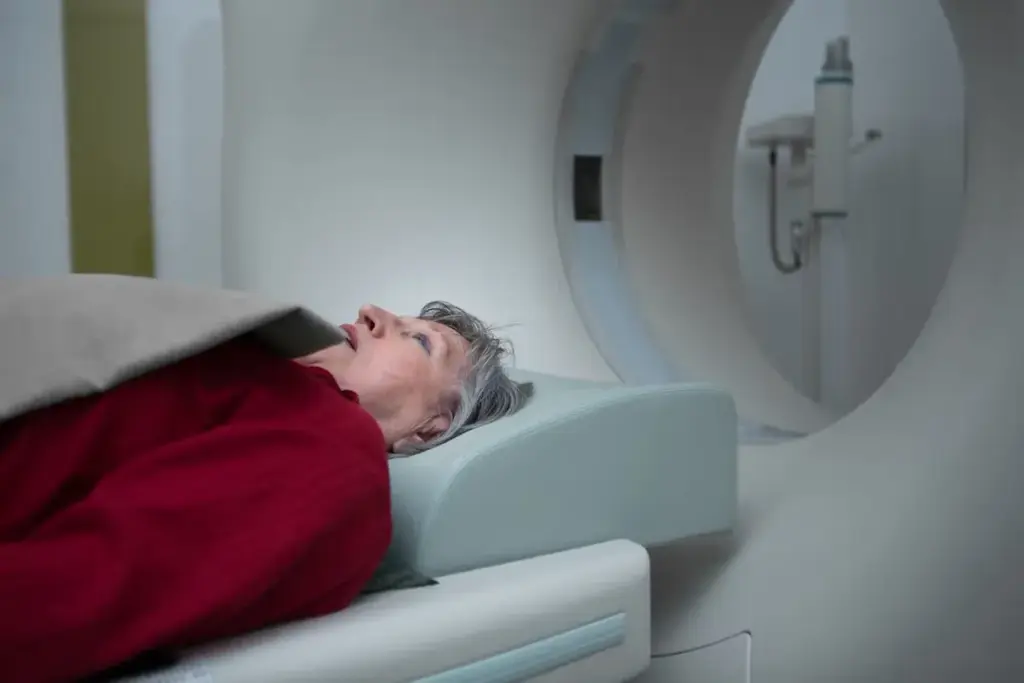
For those with hydrocephalus, VP shunts are a vital lifeline. Knowing how they work is key for safe travel. Hydrocephalus affects millions and managing it well is essential for a good quality of life.
What is Hydrocephalus?
Hydrocephalus is a brain condition where too much cerebrospinal fluid (CSF) builds up. This can cause the brain’s ventricles to swell. It can harm brain tissue and lead to problems with thinking, moving, and behavior.
Hydrocephalus can be caused by many things, like being born with it, head injuries, infections, or tumors. Knowing the cause helps in managing the condition better.
How VP Shunts Work
A VP shunt is a device that helps by draining extra CSF from the brain to the belly. There, it’s absorbed. The shunt has three parts: a brain catheter, a valve, and a belly catheter.
The valve is key because it controls how fast CSF flows out. Modern shunts can be adjusted by doctors to fit each patient’s needs.
Types of VP Shunts and Their Functions
There are different VP shunts, each with its own benefits. Some shunts have valves that can be changed without surgery using a magnetic device.
- Fixed-pressure valves: These valves can’t be changed after surgery.
- Programmable valves: These can be adjusted later using a magnetic device.
- Gravitational valves: These help with drainage when standing up, great for active people.
Knowing about your VP shunt is important for managing hydrocephalus, even when planning to travel.
Medical Considerations Before Flying with Hydrocephalus
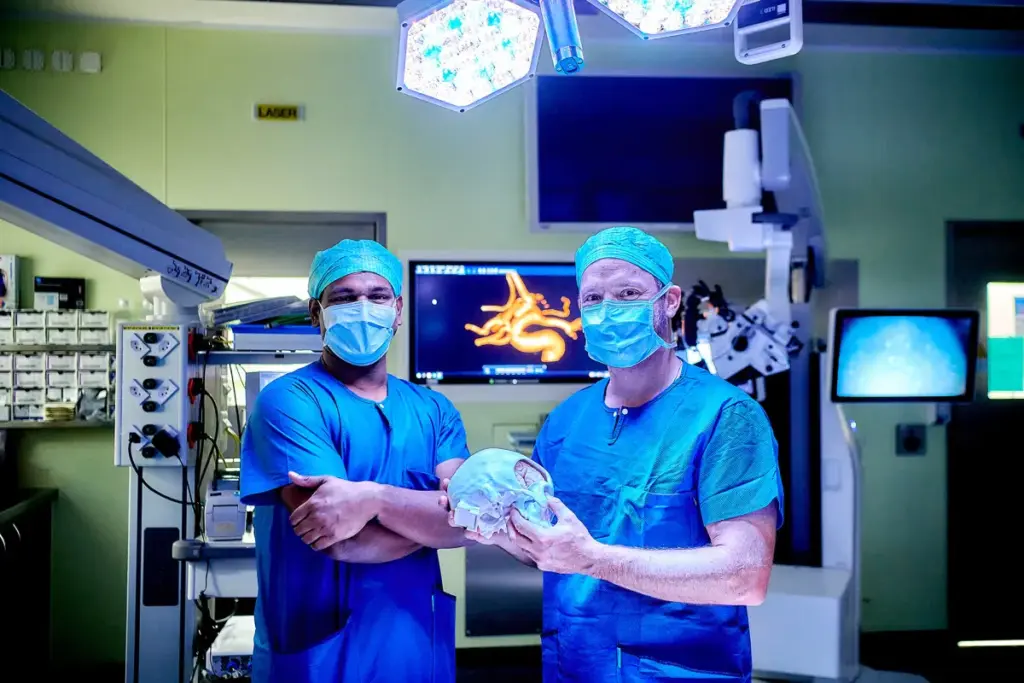
Flying with hydrocephalus is more than just booking a flight. It requires careful medical preparation. People with VP shunts need to think about several things to stay safe in the air.
Consulting with Your Neurosurgeon
Before you travel, talk to your neurosurgeon. They can give you advice based on your health and current situation. This talk is key to knowing any flying risks and how to avoid them.
Timing Considerations After Shunt Surgery
When you plan to fly after surgery is very important. Doctors usually tell patients not to fly for a while after surgery. This time can change based on how you’re recovering and what your doctor says.
Pre-Travel Medical Evaluation
Getting a medical check before you travel is a must. This check can spot any problems that might happen in the air, like pressure changes or shunt issues. Your doctor might do special tests to make sure your shunt is working right.
Documentation You May Need for Travel
Having the right papers is key for easy travel. You might need a medical certificate from your neurosurgeon, info about your shunt, and other medical details. Always carry these papers with you while you’re away.
|
Documentation Type |
Description |
Importance |
|---|---|---|
|
Medical Certificate |
A document from your neurosurgeon confirming your fitness to fly. |
High |
|
Shunt Details |
Information about your VP shunt, including model and settings. |
High |
|
Medical History |
A summary of your medical history, including previous surgeries and conditions. |
Medium |
How Air Travel Affects Intracranial Pressure
It’s important to know how air travel impacts intracranial pressure for those with VP shunts. Air travel changes cabin pressure, which can affect intracranial pressure and shunt function.
Cabin Pressure Changes During Flight
On a flight, cabin pressure changes with altitude. Airplanes keep the cabin pressure like being at 6,000 to 8,000 feet. This pressure change can affect the body, mainly for those with conditions like hydrocephalus.
Does Flying Increase Intracranial Pressure?
It’s key to understand if flying raises intracranial pressure for VP shunt users. Studies show flying doesn’t significantly raise intracranial pressure for most with shunts.
Key Findings: Most people with VP shunts can handle the pressure changes during flight. But, everyone reacts differently.
Potential Effects on Shunt Function
The impact of air travel on shunt function is a big worry. While most pressure changes during flight are okay, there are health considerations.
Research on Flying with Hydrocephalus
Many studies have looked into flying safety with hydrocephalus. Most agree flying is safe for VP shunt users with the right precautions.
People with hydrocephalus should talk to their neurosurgeon before flying. They can discuss any special concerns or precautions.
What Should You Avoid with a VP Shunt
Having a VP shunt means you need to know what could cause problems. Traveling with it requires careful planning. We’ll cover the key things to avoid for a safe trip.
General Restrictions for VP Shunt Patients
Stay away from sports that could hurt your head. Heavy lifting or bending is also a no-go, as it might mess with your shunt.
Here are some tips:
- Avoid sports like football or hockey
- Don’t lift heavy or do hard activities
- Watch out for crowds to avoid bumps
Specific Activities to Avoid While Traveling
When you’re on the move, steer clear of extreme temperatures or hard physical work. Scuba diving and skydiving are off-limits because of the pressure changes.
|
Activity |
Reason to Avoid |
|---|---|
|
Scuba Diving |
Pressure changes can affect shunt function |
|
Skydiving |
Risk of head trauma and pressure changes |
|
Contact Sports |
Risk of head trauma |
Environmental Factors to Consider
Places with high altitudes or extreme weather can mess with your VP shunt. Know these risks when traveling.
High-altitude areas need extra care because of pressure changes.
Dietary Considerations and Restrictions
Eating right is key, and some foods might be better avoided with a VP shunt. Talk to your doctor about what’s best for you.
“A well-balanced diet rich in essential nutrients can help in managing the condition effectively.” – Healthcare Provider
Airport Security and VP Shunts
For those with VP shunts, knowing airport security rules is key for a smooth trip. Travel today comes with security checks that are part of flying. Being ready for these checks is important.
Metal Detectors and Body Scanners
VP shunts and airport security gear like metal detectors and scanners can be a worry. VP shunts are usually made of materials that don’t get caught by these devices. But, it’s good to know about possible effects.
Most VP shunts are made of titanium or other metals that don’t set off metal detectors. Yet, some scanners might find a VP shunt.
Communicating with TSA Agents
Talking clearly with TSA agents about your VP shunt is important. Telling them about your device can make things easier and prevent problems.
It’s a good idea to carry a medical ID card or a doctor’s letter. These can help a lot during security checks.
Medical Cards and Documentation
Right documents are essential for airport security with a VP shunt. A medical ID card or a doctor’s letter should have your VP shunt’s details. This includes what it’s made of and when it was put in.
|
Documentation Type |
Description |
Benefit |
|---|---|---|
|
Medical ID Card |
A card that identifies you as having a medical implant |
Quick identification for TSA agents |
|
Doctor’s Letter |
A detailed letter explaining your condition and treatment |
Provides context for your medical situation |
Navigating International Security Checkpoints
Traveling abroad means dealing with different security rules. It’s smart to check the security rules for your destination countries ahead of time.
Some places have stricter security or special rules for medical devices. Knowing this can make your trip less stressful and more fun.
VP Shunt Complications to Watch For During Travel
Traveling with a VP shunt requires being aware of possible complications. VP shunts are usually reliable but can malfunction or get infected. This can lead to serious health problems.
Knowing the signs of VP shunt complications is key. It helps you get medical help quickly, keeping you safe while traveling.
Common Shunt Malfunctions
A malfunction happens when the shunt doesn’t drain cerebrospinal fluid (CSF) right. This can cause increased pressure in the brain, leading to symptoms.
Common signs of shunt malfunction include:
- Headaches
- Nausea and vomiting
- Dizziness or loss of balance
- Confusion or altered mental state
- Seizures
VP Shunt Infection Symptoms
Infections are a serious issue with VP shunts. It’s important to recognize infection signs for quick treatment.
Symptoms of VP shunt infection may include:
- Fever
- Redness, swelling, or tenderness along the shunt tract
- Headache or confusion
- Nausea or vomiting
- Abdominal pain or tenderness
VP Shunt Blockage Signs
A blockage happens when the shunt gets blocked, stopping CSF drainage. This can cause high pressure in the brain and serious problems.
Signs of VP shunt blockage include:
|
Symptom |
Description |
|---|---|
|
Headache |
Persistent or severe headache |
|
Nausea and Vomiting |
Frequent or projectile vomiting |
|
Altered Mental State |
Confusion, lethargy, or loss of consciousness |
When to Seek Emergency Care
If you have severe symptoms, get medical help right away:
- Severe headache or confusion
- Seizures or loss of consciousness
- Fever or signs of infection
- Abdominal pain or tenderness
- Any sudden or severe symptom
Signs of a VP Shunt Malfunction While Traveling
Knowing the signs of a VP shunt malfunction is key for safe travel. People with VP shunts must watch their condition closely. This ensures they get medical help quickly if needed.
Physical Symptoms to Monitor
Physical signs can show if a VP shunt is malfunctioning. Keep an eye out for:
- Severe or worsening headaches
- Nausea or vomiting
- Dizziness or loss of balance
- Vision changes, including double vision or blurred vision
- Seizures or convulsions
These symptoms mean the shunt might not be working right. You should see a doctor right away.
Headaches and Flying: Normal vs. Concerning
Headaches during or after flying can worry those with VP shunts. Some ear or sinus pressure is normal due to cabin pressure changes. But, severe or ongoing headaches might mean a shunt problem.
|
Symptom |
Normal |
Concerning |
|---|---|---|
|
Headache Severity |
Mild, manageable |
Severe, worsening |
|
Associated Symptoms |
None or mild ear/sinus pressure |
Nausea, vomiting, vision changes |
Behavioral Changes That May Indicate Problems
Behavioral changes can also hint at VP shunt malfunction. Look out for:
- Confusion or disorientation
- Irritability or mood swings
- Changes in personality or behavior
- Difficulty concentrating or memory issues
These changes might be small, so it’s important to keep an eye on them. If they don’t go away or get worse, get medical help.
Emergency Response Plan
Having a plan for emergencies is vital when traveling with a VP shunt. This includes:
- Knowing the location of local hospitals and neurosurgical care
- Carrying a medical alert card or device with relevant medical information
- Having a plan for emergency transportation
- Keeping emergency contact numbers handy
VP Shunt Care Instructions for Travelers
Traveling with a VP shunt needs careful planning. We’ll cover daily monitoring, hygiene, medication, and malfunction prevention. This ensures a safe and enjoyable trip.
Daily Monitoring Routine
Monitoring your VP shunt daily is key. Keep a log of symptoms, shunt function, and any changes. This helps spot issues early.
- Watch for signs of malfunction like headaches or vision changes.
- Check your temperature for infection signs.
- Track your fluid intake and output for hydration.
Hygiene Considerations and Infection Prevention
Good hygiene is critical with a VP shunt. Wash your hands often, before touching your shunt or medical gear.
|
Hygiene Practice |
Importance |
|---|---|
|
Frequent handwashing |
High |
|
Using hand sanitizer |
Medium |
|
Avoiding close contact with sick people |
High |
Medication Management
Managing your medications is key when traveling. Pack them in an easy spot and bring a list of your meds, including dosages.
Medication Management Tips:
- Pack extra medication for delays.
- Keep meds in original packaging.
- Carry a medical alert card or ID.
VP Shunt Malfunction Prevention Strategies
Preventing malfunctions needs good care and awareness. Stay informed about malfunction signs and take steps to avoid risks.
By following these tips, you can reduce risks and enjoy a safe trip.
MRI Safety and Other Medical Procedures While Traveling
For those with VP shunts, knowing about MRI and other medical procedures while traveling is key. Traveling, whether at home or abroad, comes with risks. This is true for people with medical implants like VP shunts.
Ventriculoperitoneal Shunt MRI Safety
MRI safety is a big deal for people with VP shunts. Most VP shunts can handle MRI scans, but it depends on the situation. Always tell your doctor about your VP shunt before an MRI.
MRI Compatibility Considerations:
- Check the manufacturer’s guidelines for your VP shunt model.
- Tell the MRI technician about your VP shunt.
- Talk to your neurosurgeon about any worries or risks.
Other Medical Imaging Considerations
Other imaging methods might be used while traveling. It’s important to know what they mean.
|
Imaging Technique |
Safety Considerations |
|---|---|
|
CT Scan |
Generally safe, but involves radiation exposure. |
|
X-ray |
Safe, but may not show soft tissues well. |
Communicating with Foreign Medical Providers
When abroad, talking clearly with local doctors is key. This means sharing your VP shunt and medical history.
Tips for Effective Communication:
- Wear a medical ID card or alert jewelry.
- Bring your medical records and documents.
- Use translation apps or services if needed.
Medical Translation Resources
For international travel, medical translation resources are vital. They help patients and doctors understand each other.
Knowing about MRI safety, other imaging, and talking to foreign doctors makes travel safer for VP shunt users.
Special Considerations for Children with Hydrocephalus
When flying with children who have hydrocephalus, it’s important to know the special needs. Traveling with kids who have VP shunts needs careful planning. This ensures their safety and comfort during the flight.
Flying with Children Who Have VP Shunts
Flying with kids who have VP shunts requires extra care. Before booking a flight, talk to the child’s neurosurgeon. They can say if it’s okay to fly and what precautions to take.
Pre-flight preparations include checking the airline’s policy on medical devices. Also, tell them about the child’s condition. Carry a medical certificate explaining the child’s situation and the VP shunt.
Communicating with Flight Attendants
Telling the flight attendants about the child’s condition is key. They can help during the flight if needed. Here’s what to do:
- Notify the airline in advance about the child’s medical condition.
- Carry a letter from the neurosurgeon explaining the child’s condition.
- Be ready to explain the VP shunt and its implications.
Managing Ear Pressure and Discomfort
Children with VP shunts might feel ear pressure during flight. To help:
- Encourage swallowing or yawning during takeoff and landing.
- Offer a pacifier or a bottle to help alleviate ear pressure.
- Consider using earplugs designed for children.
Ear pressure is a big concern. The Valsalva maneuver or chewing gum can also help with discomfort.
Packing Essentials for Children with Shunts
When packing for a child with a VP shunt, include:
|
Item |
Purpose |
|---|---|
|
Medical records and neurosurgeon’s contact information |
For emergency situations |
|
Medications and prescriptions |
To manage the child’s condition |
|
Comfort items (e.g., favorite toy or blanket) |
To reduce stress during travel |
Also, pack a small day bag with essentials like diapers, formula, and a change of clothes. This is for unexpected delays.
Post-Surgery Travel Guidelines
After shunt or brain surgery, it’s key to follow travel guidelines for a safe recovery. Traveling, by air or land, poses challenges for those with VP shunts. We’ll cover important travel tips, including when it’s safe to fly or drive and the need for follow-up care.
How Long After Shunt Surgery Can You Fly?
The time to fly after shunt surgery depends on your recovery and the surgeon’s advice. Generally, patients should wait 2-4 weeks before flying. This allows for healing and lowers the risk of flight complications.
Before flying, talk to your neurosurgeon for advice tailored to your situation. Consider how cabin pressure changes might affect your intracranial pressure.
How Long After Brain Surgery Can You Drive?
Driving after brain surgery is a big concern due to its impact on cognitive and motor functions. It’s best to avoid driving for 2-6 weeks after surgery, based on the surgery type and recovery.
Your healthcare provider will guide you on when it’s safe to drive. They’ll consider your neurological function and overall health.
Gradual Return to Normal Activities
Returning to normal activities slowly is important after surgery. This includes travel, driving, and daily tasks. Start with simple tasks and gradually increase them as your healthcare provider advises.
Listen to your body and adjust your activities to avoid complications. This helps ensure a smooth recovery.
Follow-up Care While Traveling
It’s vital to keep up with follow-up care while traveling with a VP shunt. Ensure access to medical facilities and professionals for shunt issues. Research healthcare options at your destination before traveling.
Carry a medical summary and have a plan for emergencies. This can give you peace of mind and ensure you get the right care if needed.
VP Shunt Management Strategies for Different Travel Destinations
Traveling to high-altitude mountains or tropical climates requires careful VP shunt management. Each destination has its own challenges for those with VP shunts. Being ready is essential for a safe and fun trip.
High Altitude Locations
High-altitude travel can be tough for VP shunt users. The air pressure is lower, which might affect brain pressure. It’s vital to watch how your body reacts to altitude changes and notice any symptoms like headaches or nausea.
Before going to high-altitude places, talk to your neurosurgeon about safety steps. Drinking plenty of water and avoiding hard work at first can help avoid problems.
Extreme Climate Considerations
Extreme weather, whether hot or cold, can affect VP shunt users. In hot weather, drinking lots of water is key to avoid dehydration. In cold weather, keep your shunt area warm to avoid pain or complications.
Research your destination’s weather and pack right. Wearing layers in cold weather or staying cool in hot weather can help manage your condition.
Remote Location Planning
Traveling to remote areas means limited medical access. It’s important to plan by finding local healthcare and the nearest neurosurgical care.
Carrying a medical alert card or wearing a medical alert device can be a lifesaver in emergencies. Also, bring your medical records, including VP shunt info, for treatment if needed.
Access to Neurosurgical Care Internationally
For international trips, knowing about neurosurgical care at your destination is key. Look into hospitals and medical facilities that can handle VP shunt issues.
Travel insurance that covers medical evacuations can offer peace of mind. Also, register with your country’s travel advisory department to stay updated on local healthcare and travel advisories.
Travel Insurance and Medical Coverage for VP Shunt Patients
For those with VP shunts, getting travel insurance is a must. Traveling can be risky, and the right insurance can be a lifesaver in emergencies.
Specialized Insurance Options
VP shunt patients need insurance that covers a lot, like emergency evacuations. Some companies specialize in covering people with conditions like hydrocephalus.
It’s key to read the policy carefully. Some might not cover certain conditions or have special rules.
Coverage for Emergency Procedures
Having insurance for emergencies is vital. This includes hospital stays and surgeries. It’s also important for diagnostic tests.
Make sure the policy covers medical evacuations to the right hospitals.
|
Insurance Feature |
Description |
Importance for VP Shunt Patients |
|---|---|---|
|
Emergency Medical Coverage |
Covers costs associated with emergency medical treatments |
High |
|
Medical Evacuation |
Covers the cost of transporting the patient to a suitable medical facility |
High |
|
Repatriation |
Covers the cost of returning the patient to their home country |
Medium |
|
Pre-existing Condition Coverage |
Covers conditions that existed before the policy was purchased |
High |
International Healthcare Considerations
Traveling abroad means knowing the local healthcare. Some places have deals with other countries, while others charge upfront.
VP shunt patients should check the medical care at their destination. Make sure their insurance covers international costs.
Medical Evacuation Coverage
Medical evacuation is key for VP shunt patients. It ensures they get to the right hospital in emergencies.
When picking insurance, check the evacuation coverage. Know what’s included and what’s not.
Conclusion: Living Fully with Hydrocephalus
Traveling with hydrocephalus and a VP shunt needs careful planning. We’ve looked at key steps for safe travel. This includes medical checks before flying and handling VP shunt issues on trips.
With the right planning, people with hydrocephalus can travel safely. It’s important to talk to your neurosurgeon. Also, know how air travel affects your brain pressure and watch for VP shunt problems.
Being proactive about your health is key to living fully with hydrocephalus. Follow the advice given to have a safe and fun trip. Whether you’re flying or seeing new places, being ready is essential for your health.
Travel safety for those with VP shunts combines medical advice, knowing possible issues, and planning. By doing these things, you can travel with confidence and safety.
FAQ
Can I fly with hydrocephalus and a VP shunt?
Yes, you can usually fly with a VP shunt. But, it’s important to talk to your neurosurgeon first. They can check if it’s safe for you to fly, based on your recent surgery.
How long after shunt surgery can I fly?
How long you can wait to fly depends on your surgery and health. Usually, it’s best to wait a few weeks. But, your neurosurgeon will give you specific advice.
Does flying increase intracranial pressure?
Some studies say flying might change intracranial pressure. But, for most people with a VP shunt, the risks are low. Just take some precautions.
What are the signs of a VP shunt malfunction?
Look out for headaches, nausea, vomiting, and feeling very tired. If you notice these signs, get help right away, even if you’re traveling.
How can I prevent VP shunt complications while traveling?
Keep track of your shunt’s health every day. Stay clean to avoid infections. Take your medicine as told. Know the signs of trouble and have a plan for emergencies.
Is it safe to undergo an MRI with a VP shunt?
Most VP shunts are safe for MRI scans. But, tell your doctor about your shunt before an MRI. Make sure your shunt is MRI-safe.
What should I avoid doing with a VP shunt?
Stay away from sports that could hurt your head. Avoid diving because of the pressure changes. Also, watch out for things that could make you sick.
How do I navigate airport security with a VP shunt?
Tell the TSA about your VP shunt before security. You might need extra checks. Carry a medical card or letter to explain your situation.
Can I travel to high-altitude locations with a VP shunt?
Traveling high up might be risky. Talk to your neurosurgeon about it. Some people with VP shunts should avoid high places.
What kind of travel insurance is best for someone with a VP shunt?
Choose insurance that covers medical emergencies, including VP shunt issues. Look for policies that include medical evacuation. This is very important for serious problems while traveling.
How long after brain surgery can I drive?
It depends on your surgery and how you’re healing. Usually, you can’t drive for several weeks. Your neurosurgeon will tell you when it’s okay.
Are there dietary restrictions for individuals with a VP shunt?
There are no special diets for VP shunt patients. But, eating well is good for your health. Some people might need a certain diet because of their condition or other health issues.
Reference
National Center for Biotechnology Information. Evidence-Based Medical Insight. Retrieved from https://pubmed.ncbi.nlm.nih.gov/4071355/



 Departments
 Related Videos
 Our Doctors
 News
News