

During pregnancy, keeping your fasting blood glucose right is key for your health. Gestational diabetes mellitus (GDM) is a big problem, hitting about 2-10% of all pregnancies.
The American Diabetes Association says gestational diabetes means your blood sugar is too high when you’re pregnant. Keeping your blood glucose in a safe range is important for your and your baby’s health.
It’s very important to keep your fasting blood glucose in check during pregnancy. We’ll talk about the dangers of gestational diabetes and what blood glucose levels should be.
Key Takeaways
- Maintaining normal fasting blood glucose is key during pregnancy.
- Gestational diabetes affects about 2-10% of all pregnancies.
- High blood sugar levels can be risky for both mom and baby.
- Knowing the right blood glucose levels is very important.
- Good prenatal care means watching and managing blood glucose levels.
Normal Fasting Blood Sugar Ranges and Why They Matter
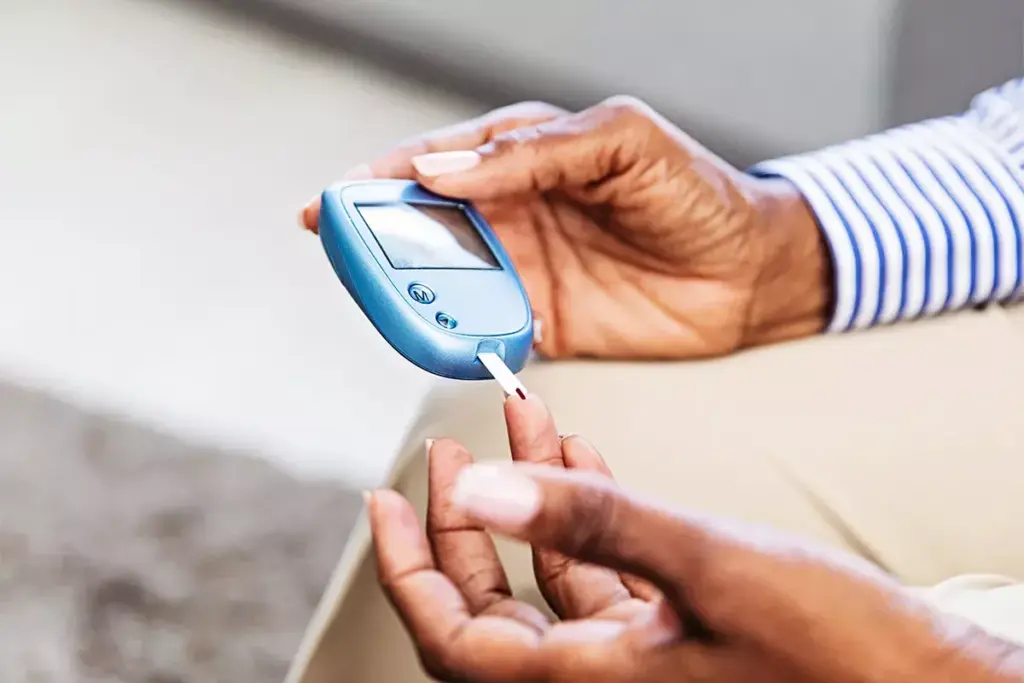
Fasting blood sugar levels are key for a healthy pregnancy. They affect both the mother and the baby. Keeping these levels in check is more than just a number. It’s about the health of both.
The Standard Target: Below 95 mg/dL
The goal for fasting blood sugar level during pregnancy is below 95 mg/dL. This is important because it helps spot women at risk of gestational diabetes early. Keeping levels below this helps lower the risk of problems linked to gestational diabetes.
Doctors watch fasting blood sugar pregnancy levels closely. This is a big part of prenatal care. It helps catch any blood sugar level issues early.
Understanding Gestational Diabetes Prevalence
Gestational diabetes is common in many pregnancies. It’s a serious issue for both mom and baby. Knowing the risks and managing gestational diabetes fasting sugar levels is important for a healthy pregnancy.
How Pregnancy Hormones Affect Blood Glucose
Pregnancy hormones can cause insulin resistance. This affects normal fasting blood sugar level for pregnancy. The placenta makes hormones that help the baby grow but can also raise the mother’s blood sugar.
Knowing how pregnancy hormones affect blood sugar is key. Women and their doctors can work together to keep blood sugar healthy. This teamwork is essential for a healthy pregnancy outcome for both.
Fasting Blood Sugar Levels Gestational Diabetes: Screening, Diagnosis, and Monitoring

Screening for gestational diabetes usually happens between 24-28 weeks of pregnancy. This is a key time for managing blood sugar levels. Healthcare providers watch expectant mothers closely to spot those at risk and help them quickly.
When Screening Occurs: The 24-28 Week Window
The American Diabetes Association says all pregnant women should be screened for gestational diabetes between 24-28 weeks. This is because insulin resistance, a sign of gestational diabetes, often increases during the second and early third trimester. Early detection helps manage the condition, lowering risks for both mom and baby.
IADPSG Diagnostic Criteria: The 5.1 mmol/L Threshold
The International Association of Diabetes and Pregnancy Study Groups (IADPSG) criteria are used to diagnose gestational diabetes. A fasting plasma glucose level of 5.1 mmol/L or higher means a woman has gestational diabetes. This level is important because it shows women at risk of pregnancy problems due to high blood sugar.
Daily Monitoring Requirements for Diagnosed Women
Women with gestational diabetes need to check their blood sugar levels every day. They should check fasting glucose and postprandial glucose four times a day. Keeping blood sugar in target ranges is key to protecting the fetus and ensuring a healthy pregnancy.
Daily monitoring includes:
- Checking fasting blood glucose levels in the morning
- Monitoring postprandial glucose levels after breakfast, lunch, and dinner
- Keeping a log of glucose readings to track patterns and make informed decisions about diet and exercise
Understanding screening, diagnosis, and monitoring for gestational diabetes helps women manage their condition. This way, they can aim for a healthy pregnancy outcome.
Conclusion
It’s very important to understand and manage fasting blood sugar levels during pregnancy. This is even more critical for women with gestational diabetes. Keeping blood glucose levels in the right range helps avoid serious problems.
Women with gestational diabetes should aim for fasting blood sugar levels under 95 mg/dL. This goal is reached by closely watching and controlling blood glucose all day. It’s key to stick to these fasting levels to have a healthy pregnancy.
Keeping fasting blood sugar levels in check can greatly lower the risk of pregnancy issues. We suggest working with healthcare providers to create a plan for managing blood sugar. This ensures levels stay within the safe range.
In short, knowing and managing fasting blood sugar levels is essential for pregnant women, and even more so for those with gestational diabetes. We urge expectant mothers to stay informed and take an active role in their care. This way, they can aim for the best outcomes for their pregnancy.
FAQ
What is considered a normal fasting blood sugar level during pregnancy?
A normal fasting blood sugar during pregnancy is typically less than 95 mg/dL. Levels above this may prompt further testing for Gestational Diabetes Mellitus.
What is gestational diabetes and how does it affect pregnancy?
Gestational Diabetes Mellitus is high blood sugar first recognized during pregnancy. It can increase the risk of complications like macrosomia, preeclampsia, preterm birth, and neonatal hypoglycemia if not properly managed.
When are pregnant women typically screened for gestational diabetes?
Pregnant women are usually screened between 24–28 weeks gestation, with earlier testing for those at high risk due to factors like obesity, previous GDM, or a family history of diabetes.
What are the diagnostic criteria for gestational diabetes?
Using the one-step 75-g OGTT, GDM is diagnosed if any of the following values are met: fasting ≥92 mg/dL, 1-hour ≥180 mg/dL, or 2-hour ≥153 mg/dL. Two-step testing uses a 50-g glucose challenge followed by a 100-g OGTT if abnormal.
How often should women with gestational diabetes monitor their blood glucose levels?
Women with GDM are typically advised to check blood glucose four times daily: fasting in the morning and 1–2 hours after each main meal, or as recommended by their healthcare provider.
What are the target blood glucose levels for women with gestational diabetes?
Target levels usually include fasting <95 mg/dL, 1-hour post-meal <140 mg/dL, and 2-hour post-meal <120 mg/dL, though providers may individualize goals based on pregnancy and health status.
How can pregnant women manage their blood glucose levels?
Management includes medical nutrition therapy, regular physical activity, self-monitoring of blood glucose, and, if necessary, insulin or oral medications. Close monitoring and regular prenatal care help minimize complications for both mother and baby.
References
https://pmc.ncbi.nlm.nih.gov/articles/PMC5664285/