

Nearly 1 in 4 individuals worldwide have low hemoglobin levels, a sign of anemia.
So, what is anemia? Theanemia definition is that it’s a health issue where you have fewer red blood cells or less hemoglobin than normal. Symptoms include feeling tired, weak, and pale, along with shortness of breath.
Understanding anemia and its treatment is crucial, and there are effective ways to restore healthy hemoglobin levels.
Key Takeaways
- Anemia is a widespread condition affecting a significant portion of the global population.
- Low hemoglobin levels are a key indicator of anemia.
- Common symptoms include fatigue, weakness, and shortness of breath.
- Understanding anemia and its treatment options is vital for effective management.
- Various treatments are available to alleviate anemic conditions.
Understanding Anemia Definition and Overview
Anemia is a condition where the body has fewer red blood cells than it should. This makes it hard for the body to carry oxygen. Low red blood cell count can cause many health problems. It’s important to know how it affects us.
What Happens in the Body During Anemia
When you have anemia, your body’s tissues and organs don’t get enough oxygen. This can make you feel tired, weak, and short of breath. Anemia symptoms can change based on how bad it is and what kind it is.
A doctor said, “Anemia is not a diagnosis, but a sign of an underlying condition that needs to be identified and treated.”
“The presence of anemia indicates that there’s an issue with the production or lifespan of red blood cells, which could be due to nutritional deficiencies, chronic diseases, or genetic disorders.”
Normal vs. Abnormal Blood Cell Counts
What’s considered normal can vary from person to person. But, a count below 13.5 g/dL for men and 12 g/dL for women is low. Abnormal blood cell counts can show many health issues, including anemia.
- Normal RBC count: 4.32-5.72 million cells/μL for men
- Normal RBC count: 3.90-5.03 million cells/μL for women
- Low RBC count: Below the normal range, indicating possible anemia
Knowing the difference between normal and abnormal blood cell counts is key. It helps doctors diagnose anemia and figure out the right treatment.
Common Types of Anemia
Anemia comes in several forms, including iron deficiency, vitamin deficiency, and hemolytic anemia. Each type has its own causes and symptoms. They need different ways to find out what’s wrong and how to fix it.
Iron Deficiency Anemia
Iron deficiency anemia is the most common worldwide. It happens when the body doesn’t have enough iron. This is needed to make hemoglobin, a key protein in red blood cells.
Symptoms include fatigue, weakness, and shortness of breath. It can be caused by not eating enough iron or losing blood too much. This can happen due to heavy periods or ulcers in the stomach or intestines.
Vitamin Deficiency Anemia (B12 and Folate)
Vitamin deficiency anemia is caused by not having enough vitamin B12 and folate. These vitamins are key for making red blood cells. Vitamin B12 deficiency can also cause nerve problems.
Folate deficiency leads to fatigue, weakness, and shortness of breath. It can come from not getting enough of these vitamins in your diet. Or, your body might not be able to use them well.
Hemolytic Anemia
Hemolytic anemia happens when red blood cells are destroyed too quickly. This can be due to infections, medicines, or certain health issues. Symptoms include jaundice, dark urine, and an enlarged spleen.
To diagnose it, doctors do blood tests. They check how fast red blood cells are being destroyed. They also try to find out why it’s happening.
Less Common Types of Anemia
There are many types of anemia, not just iron deficiency. Conditions like aplastic anemia and sickle cell anemia are less known. They bring their own set of challenges in finding and treating them.
Aplastic Anemia
Aplastic anemia is a rare and serious issue. It happens when the bone marrow can’t make blood cells. It might be caused by toxins, some medicines, or infections.
Symptoms include fatigue, infections, and bruising. These show how the body struggles to make blood cells.
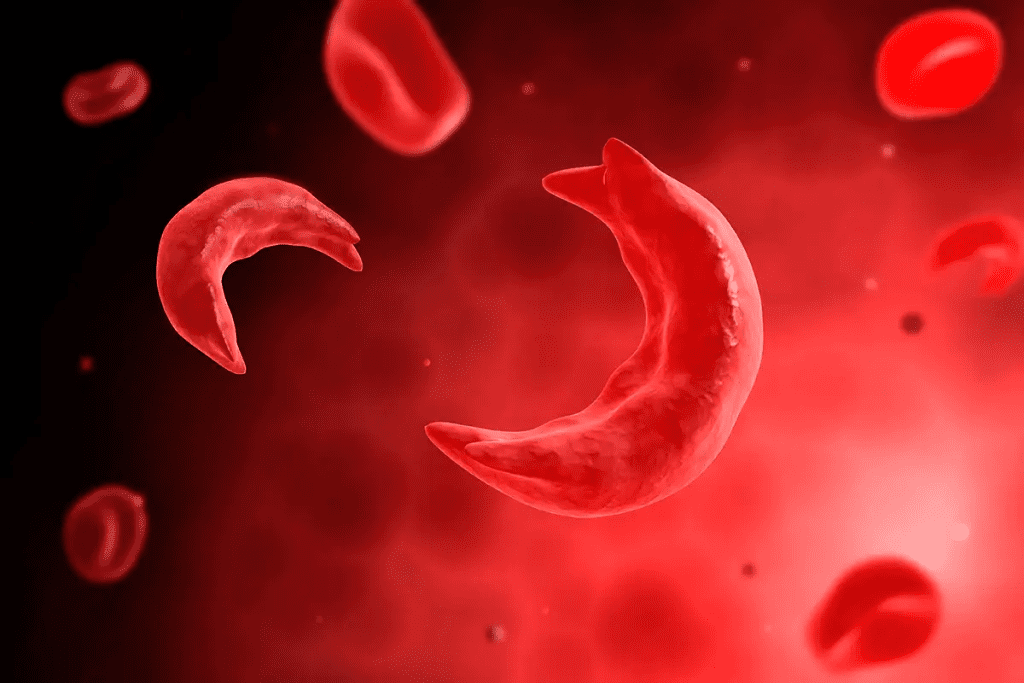
Sickle Cell Anemia
Sickle cell anemia is a genetic disorder. It makes red blood cells misshapen and break down. This leads to anemia, pain crises, and increased risk of infections.
Managing it means avoiding certain things and sometimes getting blood transfusions.
Anemia of Chronic Disease
Anemia of chronic disease happens in people with long-term illnesses like cancer or HIV/AIDS. It’s linked to the body’s inflammation, which messes with iron use and making blood cells.
Treatment aims to manage the underlying disease. It might include iron supplements or medicines that help make blood cells.
Knowing about these rare anemia types is key for the right treatment. Each one has its own signs and treatment plans. This shows how complex anemia can be.
Recognizing Anemia Symptoms
Anemia symptoms can be hard to spot, but knowing them can help early. Anemia means not enough healthy red blood cells to carry oxygen. This affects the body’s tissues.
Mild Anemia Symptoms
Mild anemia might not show clear signs or could be confused with other issues. Common signs include fatigue, weakness, and pale or yellowish skin. Some people might also feel shortness of breath or dizziness.
Emergency Warning Signs
Severe anemia can be very dangerous. If you have chest pain, rapid heartbeat, or severe dizziness, get help right away. These could mean a serious problem that needs quick action.
Knowing the symptoms of anemia, from mild to severe, is key to managing it. If you notice any unusual or ongoing symptoms, see a doctor.
Causes and Risk Factors for Developing Anemia
Anemia can come from many sources, like diet, health issues, and genes. Knowing these causes helps in finding the right treatment.
Dietary Factors
Diet is key in preventing anemia, mainly iron deficiency anemia. Not getting enough iron, vitamin B12, and folate can cause it. Foods high in these nutrients help keep red blood cells healthy.
Nutritional deficiencies can be fixed by eating better and taking supplements. Iron is in red meat, spinach, and cereals. Vitamin B12 is in animal products, and folate is in leafy greens and legumes.
Medical Conditions That Cause Anemia
Many health issues can lead to anemia, like chronic diseases and infections. Conditions like chronic kidney disease, rheumatoid arthritis, and cancer can cause anemia of chronic disease.
- Cancer and its treatment can affect the bone marrow’s ability to produce blood cells.
- Chronic infections like HIV/AIDS and tuberculosis can lead to anemia.
- Bone marrow disorders, such as leukemia and aplastic anemia, directly impact blood cell production.
Genetic Factors
Genetic disorders can cause anemia by affecting red blood cell production. Sickle cell anemia and thalassemia are examples of genetic conditions that lead to anemia.
Medication-Related Causes
Some medicines can cause anemia as a side effect. Chemotherapy drugs, for example, can suppress the bone marrow, leading to anemia. Other medications, such as those used to treat epilepsy and HIV, can also affect red blood cell production.
| Cause | Description | Examples |
| Dietary Factors | Insufficient intake of essential nutrients | Iron, Vitamin B12, Folate deficiency |
| Medical Conditions | Chronic diseases and bone marrow disorders | Chronic kidney disease, Cancer, Leukemia |
| Genetic Factors | Inherited disorders affecting red blood cells | Sickle Cell Anemia, Thalassemia |
| Medication-Related | Side effects of certain medications | Chemotherapy, Certain HIV and epilepsy medications |
Knowing the causes and risk factors for anemia is key to effective treatment. By tackling the root cause, people can get better and live better lives.
Diagnosis Process for Anemia
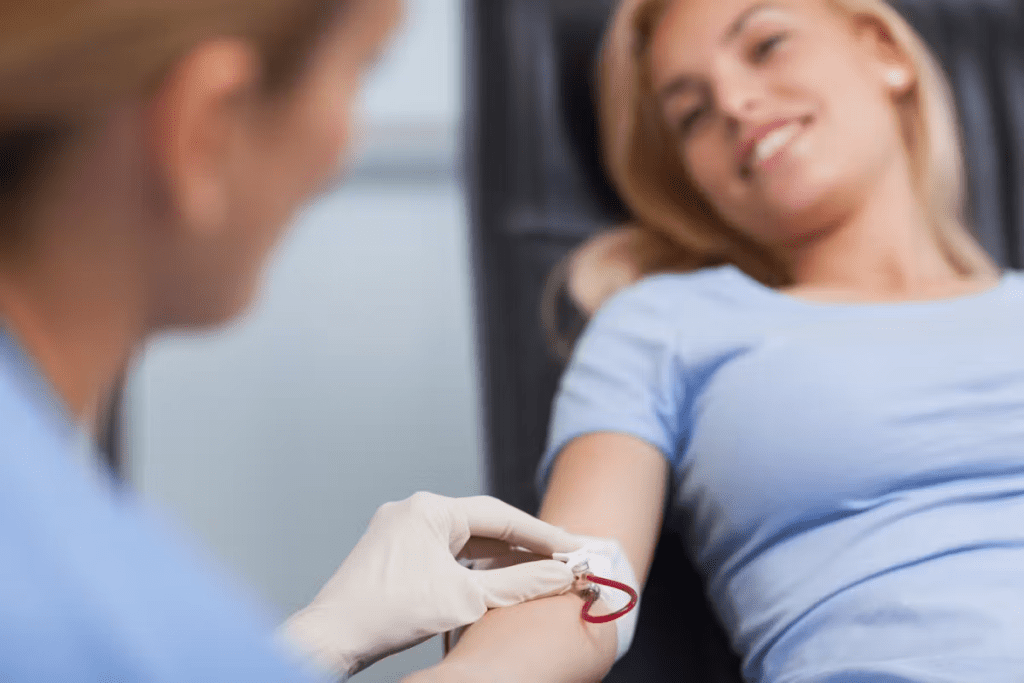
Diagnosing anemia involves several steps. These include blood tests and physical exams. Accurate diagnosis is key to finding the right treatment.
Blood Tests and Lab Values
Blood tests are essential for diagnosing anemia. The main tests are:
- Complete Blood Count (CBC): Checks red and white blood cells, and platelets. Low red blood cell count or hemoglobin means anemia.
- Hemoglobin (Hb) Test: Measures hemoglobin, vital for oxygen transport.
- Hematocrit (Hct) Test: Shows red blood cell proportion. Low levels suggest anemia.
These tests offer insights into anemia types. For example, low MCV points to iron deficiency, while high MCV suggests vitamin deficiency.
Physical Examination Findings
A physical exam is also important. Doctors look for signs like:
- Pale skin and mucous membranes
- Fatigue and weakness
- Shortness of breath
- Rapid or irregular heartbeat
These signs help confirm anemia and guide further tests to find the cause.
Additional Diagnostic Tests
More tests might be needed to find anemia’s cause. These include:
- Iron level tests: For iron deficiency anemia.
- Vitamin B12 and folate level tests: To spot deficiencies causing anemia.
- Bone marrow biopsy: To check blood cell production.
By combining these test results, doctors can accurately diagnose anemia and plan effective treatment.
Can Anemia Be Cured? Treatment Approaches by Type
Whether anemia can be cured depends on finding its cause and using the right treatment. Anemia happens when there aren’t enough red blood cells or they’re not good enough. It can be caused by not enough iron, vitamins, or chronic diseases.
Curable Forms of Anemia
Some anemia types can be cured with the right treatment. For example, iron deficiency anemia can be fixed with iron pills or eating more iron-rich foods. Vitamin deficiency anemia from not enough B12 or folate can be helped by taking supplements or eating foods high in these vitamins.
How curable anemia is also depends on its cause. Anemia from chronic diseases might get better with treatment for the disease. If anemia is from a medicine, stopping or changing it might fix it.
Timeline for Recovery
The time it takes to get better from anemia varies. For iron deficiency anemia, you might see improvements in a few weeks. Full recovery usually takes a few months. Vitamin deficiency anemia can also get better in a similar time frame after starting supplements.
In some cases, anemia needs ongoing care, like if it’s from a chronic disease. Regular check-ups and adjusting treatments can help manage symptoms and avoid problems.
Medical Treatments for Anemia
There are many medical treatments for anemia, depending on the cause and how severe it is. These treatments aim to ease symptoms, improve life quality, and fix the anemia’s root cause.
Oral and IV Iron Supplements
Iron supplements are a common treatment for iron deficiency anemia. Oral iron is usually the first choice, coming in forms like ferrous sulfate and ferrous gluconate. But, some people might face stomach issues or find it hard to absorb iron this way.
In these cases, intravenous (IV) iron therapy is suggested. It puts iron straight into the blood, skipping the digestive system.
Vitamin B12 and Folate Supplementation
For those with vitamin deficiency anemia, like a lack of vitamin B12 or folate, supplements are key. Vitamin B12 can be given as injections or taken orally. Folate supplements are also available orally. It’s vital to keep taking these as your doctor advises to avoid the condition coming back.
Blood Transfusions
When anemia is severe, often due to chronic diseases or sudden blood loss, blood transfusions might be needed. This involves getting blood through an IV, quickly boosting red blood cells and improving oxygen to tissues and organs.
Medications That Stimulate Blood Cell Production
Certain medicines, like erythropoiesis-stimulating agents (ESAs), can make the bone marrow produce more red blood cells. These are used for patients with chronic kidney disease or those getting chemotherapy. ESAs help cut down the need for blood transfusions and lessen anemia symptoms.
Dietary Approaches to Treating Anemia
A well-planned diet can help alleviate anemia symptoms and support overall health. Dietary adjustments play a key role in managing anemia. They focus on foods rich in iron, vitamin B12, and folate.
Iron-Rich Foods
Including iron-rich foods in your diet is essential for treating iron deficiency anemia. Red meat, poultry, and fish are excellent sources of iron. Also, iron can be found in fortified cereals, beans, and dark leafy greens like spinach.
It’s also important to note that vitamin C can enhance iron absorption. So, consuming foods high in vitamin C (like citrus fruits or bell peppers) along with iron-rich foods can be beneficial.
Foods High in B12 and Folate
Vitamin B12 and folate are critical for the production of red blood cells. Animal products, including meat, poultry, fish, and dairy products, are natural sources of vitamin B12. For folate, dark leafy greens, legumes, and fortified cereals are recommended.
Individuals with dietary restrictions, such as vegans, may need to consider supplements or fortified foods to meet their B12 needs.
Foods That Enhance or Inhibit Nutrient Absorption
Certain foods can either enhance or inhibit the absorption of essential nutrients. For instance, vitamin C can enhance iron absorption, while coffee and tea may inhibit it.
Calcium can also interfere with iron absorption. So, it’s advisable to consume these foods at different times. Understanding how different foods interact can help in planning a diet that maximizes nutrient absorption.
By making informed dietary choices, individuals can better manage anemia and improve their overall health. It’s always recommended to consult with a healthcare provider or a dietitian to tailor a diet plan that meets individual needs.
Special Considerations for High-Risk Groups
Groups like pregnant women, children, and older adults need special care for anemia. Their bodies have unique needs and challenges. These can affect how severe anemia is and how it’s treated.
Anemia in Pregnancy
Anemia in pregnancy is a big worry for both mom and baby. Iron deficiency anemia is the most common type. It happens because the mom’s body needs more iron for her and the growing baby.
Managing anemia in pregnancy is important. It includes:
- Regular screening for anemia
- Iron supplements when needed
- Advice on eating foods high in iron
Anemia in Children and Infants
Anemia in young ones can harm their growth and health. Nutritional deficiencies, like iron and vitamin B12, are common reasons.
| Age Group | Common Causes of Anemia | Management Strategies |
| Infants (0-12 months) | Inadequate iron stores, poor dietary iron intake | Iron supplements, iron-rich foods |
| Children (1-12 years) | Dietary deficiencies, chronic diseases | Dietary changes, treating underlying conditions |
Anemia in Older Adults
Older adults face a higher risk of anemia. This is due to chronic diseases, medication side effects, and nutritional deficiencies.
For older adults, treating anemia means tackling these issues. It also means making sure they get enough nutrients.
Complications of Untreated Anemia
Not treating anemia can lead to serious health problems. It affects many parts of a person’s life and health. Untreated anemia can cause big issues that change daily life and health over time.
Short-Term Complications
Untreated anemia can make you feel fatigued, weak, and dizzy. Simple tasks become hard. This can make it hard to work or socialize, leading to feeling alone and less productive.
It also weakens the immune system, making you more likely to get sick. In bad cases, it can cause heart problems. The heart works too hard without enough red blood cells, which can lead to heart failure.
Long-Term Health Effects
Untreated anemia can cause serious long-term health issues. It can lead to chronic fatigue syndrome, a long-lasting and severe tiredness. It can also hurt your brain, making it hard to focus and remember things.
In pregnant women, it raises the risk of preterm labor and low birth weight. In kids, it can cause developmental delays and brain problems. This shows why finding and treating anemia early is so important.
Impact on Quality of Life
Untreated anemia can greatly lower your quality of life. You might not be able to do things you love because of reduced physical performance. The constant tiredness and other symptoms can also lead to depression and anxiety, making you feel even worse.
It can also hurt your relationships because you can’t do things with others. This can make you feel lonely and isolated.
In summary, the dangers of not treating anemia are clear. Knowing the short-term and long-term effects helps people get help early. This can prevent these problems and improve their life quality.
Prevention Strategies for Anemia
To prevent anemia, it’s important to have a plan. This plan should include a good diet, regular health checks, and lifestyle changes. Knowing what anemia is and why it happens is the first step.
Dietary Prevention
Eating a balanced diet is key to avoiding anemia. Foods high in iron, vitamin B12, and folate are very important.
- Iron-rich foods: Red meat, poultry, fish, beans, lentils, and fortified cereals.
- Vitamin B12-rich foods: Meat, fish, poultry, eggs, and dairy products.
- Folate-rich foods: Leafy greens, beans, peas, and citrus fruits.
It’s also good to eat foods that help your body absorb nutrients better. Vitamin C-rich foods like citrus fruits and bell peppers can help with iron absorption.
| Nutrient | Food Sources | Role in Preventing Anemia |
| Iron | Red meat, beans, lentils, fortified cereals | Essential for healthy red blood cells |
| Vitamin B12 | Meat, fish, poultry, eggs, dairy products | Crucial for the production of red blood cells |
| Folate | Leafy greens, beans, peas, citrus fruits | Necessary for red blood cell production |
Screening Recommendations
Getting regular health screenings is important. It helps catch anemia early, which is key for treatment. This is true for pregnant women, children, and people with chronic diseases.
Screenings usually include a complete blood count (CBC) test. This test checks the blood for hemoglobin levels and red blood cell count.
Lifestyle Modifications
Changing your lifestyle can also help prevent anemia. Here are some tips:
- Avoid drinking too much alcohol, as it can affect nutrient absorption.
- Don’t smoke, as it can harm blood flow and overall health.
- Stay active to improve your health.
These lifestyle changes can help keep you healthy and lower your risk of anemia.
Conclusion: Living Well with Anemia
Living with anemia means taking a full approach to manage it well. Knowing the signs, like low hemoglobin, is key to acting fast.
Managing anemia includes medical care, changing your diet, and making lifestyle changes. Eating foods rich in iron, vitamin B12, and folate can help. This can lessen anemia symptoms.
It’s also important to keep track of blood cell counts and adjust treatments as needed. Working with healthcare providers helps create a plan tailored to you. This can greatly improve your life quality.
Being proactive in managing anemia can lower the risk of serious problems. With the right help and support, you can live well with anemia. You can keep a high quality of life.
FAQ
What is anemia?
Anemia is when you don’t have enough red blood cells or hemoglobin. This means your body can’t get enough oxygen.
What are the common symptoms of anemia?
Symptoms include feeling tired, weak, and pale. You might also get short of breath, dizzy, or have headaches. In bad cases, you could feel chest pain or have a fast heartbeat.
What are the different types of anemia?
There are many types. These include iron deficiency, vitamin B12 and folate deficiency, and sickle cell anemia. There’s also anemia of chronic disease.
Can anemia be cured?
Yes, some types like iron deficiency can be cured. But others, like sickle cell anemia, need ongoing care.
How is anemia diagnosed?
Doctors use blood tests to find anemia. They check for hemoglobin and hematocrit levels. They also do other tests to find the cause.
What are the treatment options for anemia?
Treatment depends on the cause. It might include iron or vitamin supplements. Sometimes, blood transfusions or medications are needed.
How can I prevent anemia?
Eat a balanced diet with iron, vitamin B12, and folate. Also, get regular check-ups, which are important for pregnant women and kids.
What are the complications of untreated anemia?
Untreated anemia can cause short-term problems like poor circulation. Long-term, it can lead to heart issues and affect your brain, lowering your quality of life.
Are there any dietary changes that can help manage anemia?
Yes, eating iron-rich foods and foods with vitamin B12 and folate can help. Also, know which foods help or hinder nutrient absorption.
Can certain medications cause anemia?
Yes, some medications can cause anemia. Always talk to your doctor about any risks.
Is anemia more common in certain populations?
Yes, it’s more common in pregnant women, kids, and older adults. This is due to nutritional issues and health problems.
How does anemia affect quality of life?
Anemia can really lower your quality of life. It makes you tired, weak, and limits what you can do every day.
References:
- Warner, M. J. (2023). Iron deficiency anemia. In StatPearls. https://www.ncbi.nlm.nih.gov/books/NBK448065/