
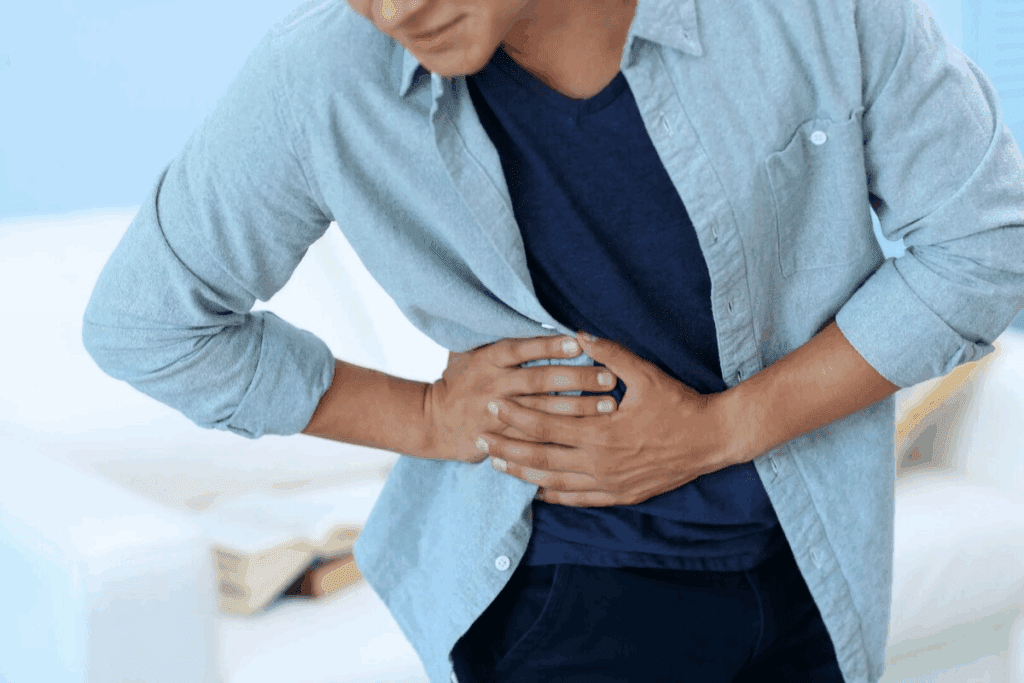
The gallbladder is a small organ under the liver on the right side of the body. It’s key for digestion. Knowing where it is and how it works helps us understand gallbladder pain.What side of your body is your gallbladder on? Get the best facts on its location and the surprising causes of gallbladder pain.
Gallbladder pain is often linked to gallstones, inflammation, or what we eat. Dietary influences and genetic predispositions play big roles in gallbladder problems.
Liv Hospital is dedicated to top-notch, trusted care. They help people learn about gallbladder health and deal with pain and symptoms.
Key Takeaways
- The gallbladder is located on the right side of the body beneath the liver.
- Gallbladder pain is often caused by gallstones, inflammation, or dietary factors.
- Dietary influences and genetic predispositions contribute to gallbladder issues.
- Understanding gallbladder anatomy and function is key for health concerns.
- Liv Hospital offers patient-centered care for gallbladder-related issues.
Understanding the Gallbladder: Anatomy and Function
It’s important to know about the gallbladder’s role in digestion. This small, pear-shaped organ is under the liver. It’s key to the digestive process.
What Is the Gallbladder?
The gallbladder is a muscular sac that stores bile. Bile is a digestive fluid made by the liver. It has three parts: the fundus, body, and neck.
Its main job is to store and concentrate bile. Then, it releases bile into the small intestine. This helps with fat digestion.
The Role of Bile in Digestion
Bile is vital for emulsifying and absorbing fats. It’s made of bile salts, cholesterol, and bilirubin. When fatty foods reach the small intestine, the gallbladder releases bile.
This bile goes into the bile ducts and then into the small intestine. There, it breaks down fats for easier digestion by enzymes.
| Component | Function |
| Bile Salts | Emulsify fats for easier digestion |
| Cholesterol | Precursor to bile acids |
| Bilirubin | Breakdown product of hemoglobin |
How the Gallbladder Works with Other Digestive Organs
The gallbladder works with the liver and pancreas for digestion. The liver makes bile, which the gallbladder stores. When food hits the small intestine, the gallbladder and pancreas kick in.
Together, they make sure nutrients are digested and absorbed well. This shows how important it is for all digestive organs to work together.
In short, the gallbladder is key to digestion by storing and releasing bile. It works closely with other organs, showing the need for a well-coordinated digestive system.
What Side of Your Body Is Your Gallbladder On?
Knowing where your gallbladder is is key to figuring out pain and symptoms. It’s a small, pear-shaped organ that helps with digestion.
Exact Anatomical Location
The gallbladder sits under the liver on the right side of your upper abdomen. It’s in a small spot on the underside of the right liver lobe. This spot is perfect for its job, storing and concentrating bile from the liver.
Relationship to Surrounding Organs
The gallbladder is close to other digestive organs. It links to the liver through the cystic duct. This duct merges with the common hepatic duct to form the common bile duct. The bile then goes to the small intestine for fat digestion.
- The gallbladder stores bile from the liver.
- Bile is released into the small intestine to aid in fat digestion.
- The cystic duct connects the gallbladder to the common hepatic duct.
Visualizing Your Gallbladder’s Position
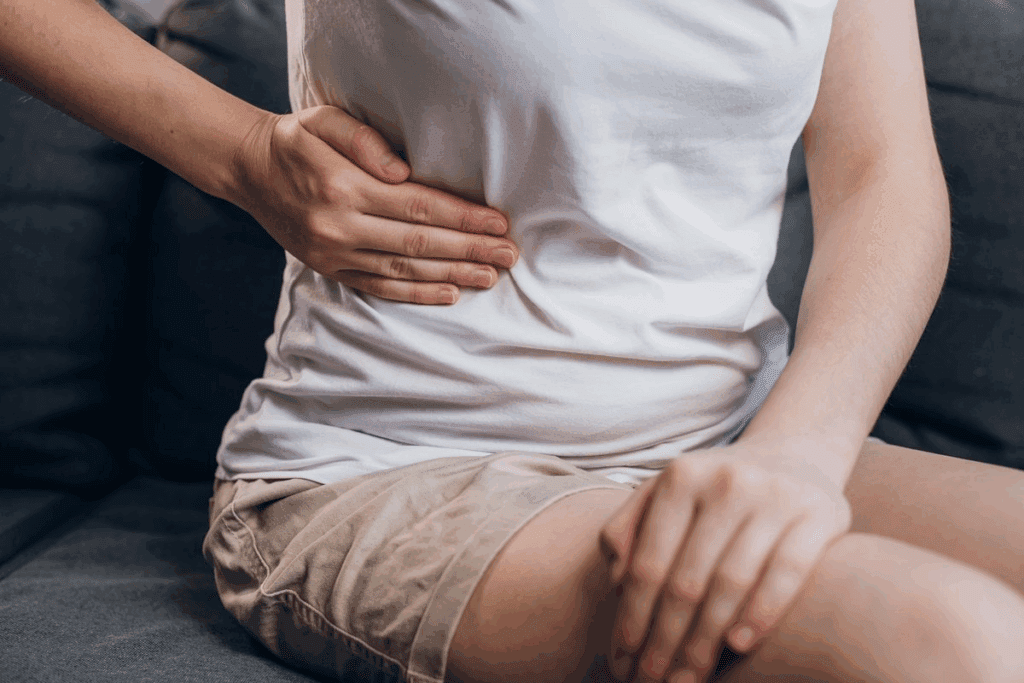
To get a better idea of where your gallbladder is, try this: Place your right hand on your abdomen, just below your ribcage. This is roughly where your gallbladder is. The image shows where the gallbladder is compared to the liver and other organs.
Knowing where your gallbladder is and its connection to other organs can help you spot problems. It also helps you understand symptoms related to gallbladder issues.
Common Gallbladder Conditions and Disorders
The gallbladder can face many issues, from gallstones to serious diseases. These problems can really affect how well the gallbladder works and our digestion.
Gallstones (Cholelithiasis)
Gallstones are small, hard pieces that form in the gallbladder. They are usually made of cholesterol or bilirubin. These stones can block bile ducts, causing pain and serious issues.
Being overweight, eating a lot of fat, and some health conditions can raise your risk of getting gallstones.
Cholecystitis (Gallbladder Inflammation)
Cholecystitis is when the gallbladder gets inflamed, often because of a stone blocking the cystic duct. It can cause a lot of pain, fever, and serious problems if not treated right away. Getting medical help quickly is key to avoiding worse issues.
Biliary Dyskinesia
Biliary dyskinesia means the gallbladder doesn’t work right, making it hard to release bile. This can lead to stomach pain and other digestive problems. Doctors use tests to check how well the gallbladder works.
Gallbladder Polyps and Cancer
Gallbladder polyps are growths on the gallbladder’s lining. Most are not cancer, but some can be. It’s important to watch them for any changes or signs of cancer.
Gallbladder cancer is rare but serious. Finding it early is key to treating it well.
Knowing about these gallbladder issues helps get the right treatment fast. If you have ongoing or bad symptoms, see a doctor right away.
Recognizing Gallbladder Pain and Symptoms
Gallbladder pain can show up in different ways. It’s important to know the signs to figure out when to see a doctor.
Characteristic Pain Patterns
Gallbladder pain usually hurts in the upper right part of your abdomen. It can feel sharp and stabbing. Sometimes, it gets worse after eating fatty foods.
Key characteristics of gallbladder pain include:
- Location: Upper right abdomen
- Intensity: Sharp and stabbing
- Triggers: Often worsens after fatty meals
Referred Pain to Shoulder and Back
Gallbladder pain can also spread to other areas. You might feel it in your right shoulder or between your shoulder blades. It can even feel like back pain, making it hard to tell what’s wrong.
Associated Digestive Symptoms
Gallbladder problems can also cause other symptoms. You might feel nauseous or vomit after eating. Bloating, gas, or indigestion can also happen, making it hard to tell if it’s your gallbladder or something else.
Common associated symptoms include:
- Nausea and vomiting
- Bloating and gas
- Indigestion
When to Seek Medical Attention
If you have severe or ongoing gallbladder pain, you should see a doctor. Look out for signs like intense pain that lasts, fever, chills, or jaundice.
If you experience any of the following, seek medical help:
- Severe abdominal pain
- Fever and chills
- Jaundice
What Causes Gallbladder Attacks?
It’s important to know what causes gallbladder attacks to prevent and treat them. These attacks are sudden and very painful. They can be caused by different things.
Gallstone Blockages
Gallstones are a main reason for gallbladder attacks. If a gallstone blocks the cystic duct, it can cause a gallbladder attack. This blockage stops bile from flowing, making the gallbladder inflamed and painful.
Inflammation Triggers
Inflammation of the gallbladder, called cholecystitis, can also cause attacks. This inflammation can be due to infection, trauma, or other conditions.
Dietary Factors
What you eat affects your gallbladder health. Eating high-fat meals can make the gallbladder contract, raising the risk of an attack. A diet rich in fatty foods can make gallbladder problems worse.
Connection to Rapid Weight Loss
Quick weight loss can also lead to gallbladder attacks. Losing weight fast makes your liver release more cholesterol into your bile, raising the risk of gallstones. Also, fasting or eating very few calories can make the gallbladder slow, leading to gallstones.
| Cause | Description | Risk Factors |
| Gallstone Blockages | Blockage of the cystic duct by gallstones | Obesity, rapid weight loss, certain diets |
| Inflammation Triggers | Infection, trauma, or other conditions causing inflammation | Infection, trauma |
| Dietary Factors | High-fat meals triggering gallbladder contractions | High-fat diet, low-fiber diet |
| Rapid Weight Loss | Release of cholesterol into bile, gallbladder sluggishness | Crash diets, fasting |
Knowing these causes can help prevent gallbladder attacks. By making smart lifestyle choices and knowing the risks, you can lower your chance of getting a gallbladder attack.
Risk Factors for Gallbladder Problems
Knowing the risk factors for gallbladder problems is key to preventing and catching them early. Many factors can up your chances of gallbladder issues. Being aware of these can help manage and lower your risks.
Genetic Predisposition
Genetics are a big deal in gallbladder problems. If your family has a history of gallstones or gallbladder issues, you might face the same. Some genes can make your bile more likely to form stones.
Experts says, “Family history is a big risk factor for gallbladder disease. If your parents or siblings have had problems, you’re more likely to too.”
Dietary Influences
Your diet can really affect your gallbladder health. Eating lots of saturated fats, cholesterol, and refined carbs can up your gallstone risk. But, eating more fiber can help lower it.
- High intake of saturated fats and cholesterol
- Low consumption of fiber
- Rapid weight loss or extreme dietary changes
Age, Gender, and Hormonal Factors
Age, gender, and hormones also matter for gallbladder health. Gallstones risk goes up with age, and women are more at risk than men. This is true during pregnancy or with hormone therapy.
“Hormonal changes, like those with estrogen, can mess with gallbladder function and raise gallstone risk.” –
Medical Conditions That Increase Risk
Some medical conditions can raise your gallbladder problem risk. These include diabetes, high triglycerides, and metabolic syndrome. Also, digestive system issues like Crohn’s disease can affect your gallbladder.
| Medical Condition | Impact on Gallbladder |
| Diabetes | Increased risk of gallstones |
| High Triglycerides | Associated with increased gallstone risk |
| Crohn’s Disease | Potential for gallbladder dysfunction |
Diagnosing Gallbladder Conditions
Diagnosing gallbladder issues involves several steps. These include physical exams, imaging, and lab tests. Getting the right diagnosis is key to choosing the best treatment.
Physical Examination
A physical exam is often the first step. A healthcare provider checks for tenderness in the right upper abdomen. They also look for jaundice signs.
Key components of a physical examination for gallbladder disease include:
- Abdominal palpation to check for tenderness
- Assessment of jaundice (yellowing of the skin and eyes)
- Evaluation of Murphy’s sign, a test specific to gallbladder disease
Imaging Tests
Imaging tests are vital for diagnosing gallbladder issues. They help see the gallbladder and spot any problems.
Common imaging tests used include:
- Ultrasound: The primary imaging modality for gallbladder disease
- CT scan: Useful for detecting complications or associated conditions
- MRI/MRCP: Provides detailed images of the biliary system
- HIDA scan: Assesses gallbladder function and bile duct patency
Laboratory Tests
Laboratory tests are key for diagnosing gallbladder issues. They also check the patient’s overall health.
Common laboratory tests include:
| Test | Purpose |
| Liver function tests (LFTs) | Assess liver damage and bile duct obstruction |
| Complete Blood Count (CBC) | Evaluate for signs of infection or inflammation |
| Bilirubin levels | Check for jaundice and bile duct obstruction |
| Amylase and lipase levels | Assess for pancreatitis, which can be related to gallbladder disease |
Differential Diagnosis
Differential diagnosis is important in diagnosing gallbladder conditions. It helps rule out other possible causes of symptoms.
Conditions that may be considered in the differential diagnosis include:
- Peptic ulcer disease
- Gastroesophageal reflux disease (GERD)
- Pancreatitis
- Hepatitis
- Irritable bowel syndrome (IBS)
By combining physical exams, imaging, lab tests, and differential diagnosis, doctors can accurately diagnose gallbladder conditions. This helps them create an effective treatment plan.
Treatment Options for Gallbladder Pain
For those with gallbladder pain, several treatments can help. The right treatment depends on the cause, how severe it is, and the patient’s health.
Medications for Pain and Inflammation
Medicines are key in managing gallbladder pain. Pain relief medications like NSAIDs can ease pain and reduce swelling. Sometimes, antispasmodic drugs are given to stop gallbladder spasms.
- NSAIDs: Good for pain relief and swelling reduction.
- Antispasmodic drugs: Relieve gallbladder spasms.
- Ursodeoxycholic acid (UDCA): Dissolves certain gallstones.
Surgical Interventions
Surgery is often the best option for gallbladder pain due to gallstones or other issues. The most common surgery is a cholecystectomy, where the gallbladder is removed.
- Laparoscopic cholecystectomy: A less invasive surgery with quicker recovery.
- Open cholecystectomy: Used for complex cases, a more traditional surgery.
Lifestyle and Dietary Modifications
Changing your lifestyle and diet can help manage gallbladder pain. Dietary adjustments include eating less fat, smaller meals, and avoiding foods that cause symptoms.
- Low-fat diet: Eases the gallbladder’s workload.
- High-fiber diet: Improves digestion and prevents gallstones.
- Avoiding trigger foods: Staying away from foods that cause discomfort.
Recent Advances in Gallbladder Treatment
New treatments for gallbladder diseases have emerged, including endoscopic procedures and non-surgical interventions. These advancements offer more choices for patients, potentially reducing the need for traditional surgery.
Treatment for gallbladder pain varies from person to person. It’s vital for patients to work with their healthcare provider to find the best treatment plan.
Conclusion: Living Without a Gallbladder and Prevention Strategies
Many people live healthy lives without a gallbladder. The liver keeps making bile to help digest food. Not having a gallbladder means making some changes in your life, but it’s not a big deal.
Preventing gallbladder issues is key. Keeping a healthy weight helps a lot. Eat lots of fruits, veggies, and whole grains. Avoid foods high in saturated fats and cholesterol.
Without a gallbladder, you might need to eat smaller meals more often. This helps with digestion. Knowing how to live without a gallbladder and taking steps to prevent problems can make you feel better overall.
FAQ
What is the gallbladder and what is its function?
The gallbladder is a small, pear-shaped organ under the liver. It stores and releases bile, a digestive fluid from the liver. This helps break down fats during digestion.
What causes gallbladder pain?
Gallbladder pain can come from many sources. This includes gallstones, inflammation, infection, or blockages in the bile ducts. Diet and rapid weight loss can also play a role.
What are the symptoms of a gallbladder attack?
A gallbladder attack can cause severe pain in the upper right abdomen. You might also feel nausea, vomiting, fever, and abdominal tenderness. Pain can spread to the shoulder or back.
What is the typical location of gallbladder pain?
Pain from the gallbladder usually occurs in the upper right abdomen. It’s just below the rib cage. Pain can also spread to the right shoulder or back.
Can you live without a gallbladder?
Yes, living without a gallbladder is possible. The liver will keep producing bile. This bile can flow directly into the small intestine. You might need to make some dietary changes, though.
What are the risk factors for developing gallbladder problems?
Several factors can increase your risk of gallbladder problems. These include genetic predisposition, diet, age, gender, and hormonal influences. Certain medical conditions, like obesity and diabetes, also raise the risk.
How are gallbladder conditions diagnosed?
Doctors diagnose gallbladder conditions through physical exams and imaging tests. These include ultrasound or CT scans. They also use blood work and bile analysis.
What are the treatment options for gallbladder pain?
Treatment for gallbladder pain includes medications for pain and inflammation. Surgery, like cholecystectomy, might also be needed. Making lifestyle and dietary changes can help manage symptoms and prevent future attacks.
What causes a gallbladder attack?
A gallbladder attack can be caused by gallstones blocking the bile ducts. Inflammation or other factors that block bile flow can also cause pain and symptoms.
How can I prevent gallbladder problems?
To prevent gallbladder problems, eat a healthy diet and manage your weight. Avoid rapid weight loss. Being aware of genetic and hormonal risk factors can also help reduce the chance of gallstones or other issues.
References
Muleta, J., et al. (2024). A rare case of bile leak due to type 2 duct of Luschka injury: Diagnosis and intervention. Journal of Surgical Case Reports. Retrieved from https://academic.oup.com/jscr/article/2024/3/rjae179/7632948