Nearly 20 million people worldwide have hernia surgery every year. It’s one of the most common surgeries. Understanding preoperative evaluation is key to a safe and successful surgery.Listing common preoperative hernia tests (blood work, EKG, anesthesia clearance) required before the procedure.
For hernia patients, preoperative testing is essential. It lets doctors check your health, find risks, and plan your surgery. This way, we can avoid problems and help you heal faster.
Key Takeaways
- Preoperative evaluation is vital for a safe and successful hernia surgery.
- Comprehensive testing helps identify health risks and complications.
- A personalized surgical plan can be developed based on test results.
- Preoperative testing optimizes recovery and minimizes complications.
- Understanding preoperative evaluation is essential for hernia patients.
Understanding Hernias and Why Testing Matters

It’s important to know about the different types of hernias for the right treatment. Hernias happen when an organ or tissue bulges through a weak spot in the muscle or tissue that usually keeps it in place.
Common Types of Hernias
There are many types of hernias, each with its own features. The most common ones are:
- Inguinal Hernias: When tissue, like part of the intestine, pushes through a weak spot in the abdominal muscles in the groin area.
- Umbilical Hernias: When part of the intestine bulges through an opening in the abdominal muscles around the belly button.
- Incisional Hernias: These happen through a scar or incision in the abdominal wall from previous surgery.
- Hiatal Hernias: When the upper part of the stomach bulges through an opening in the diaphragm.
| Hernia Type | Common Location | Typical Cause |
| Inguinal Hernia | Groin Area | Weakness in abdominal wall |
| Umbilical Hernia | Belly Button | Congenital or acquired weakness |
| Incisional Hernia | Previous surgical scar | Post-surgical complication |
| Hiatal Hernia | Diaphragm | Weakening of diaphragm muscles |
Importance of Proper Diagnosis
Getting the right diagnosis is key for treating hernias. Studies show that accurate diagnosis greatly affects the success of hernia repair surgery. Preoperative tests help figure out the type of hernia and plan the best treatment.
Accurate diagnosis comes from a physical exam, looking at medical history, and tests like imaging studies. This detailed approach makes sure the treatment fits the patient’s needs perfectly.
Knowing about hernias and the need for accurate diagnosis helps patients get the best care. This improves the chances of a successful surgery and lowers the risk of problems.
Initial Consultation and Medical History Assessment
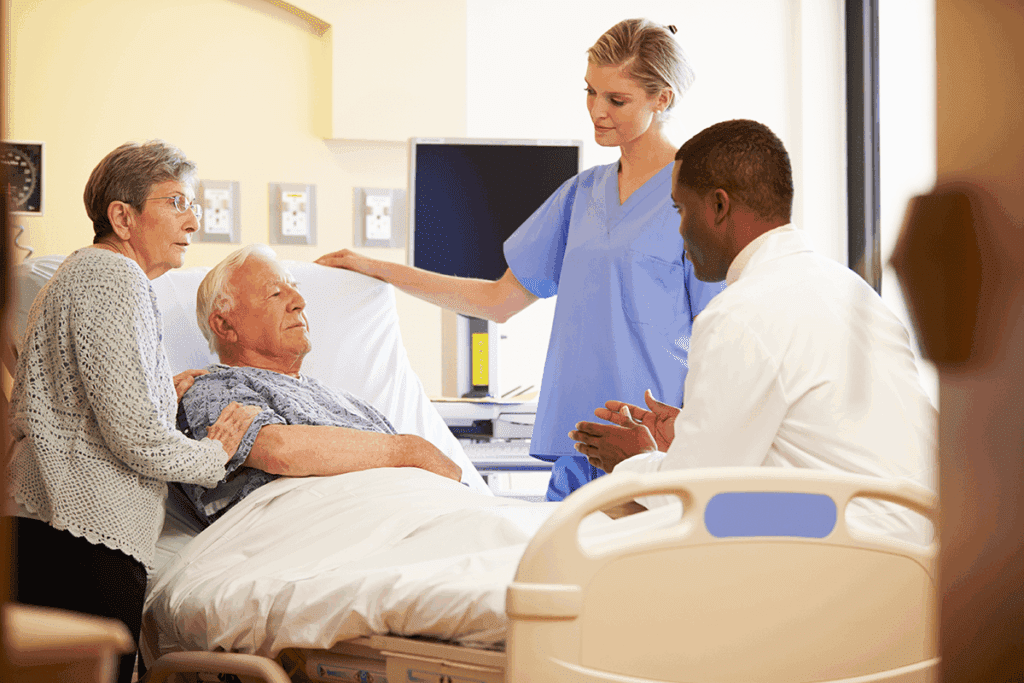
Your doctor will look at your medical history and current health during the first meeting. This is key to understanding your health and spotting any surgery risks.
Key Information Your Doctor Needs
It’s important to share a full medical history with your doctor. This includes details about previous surgeries, allergies, and current medications. Knowing your health helps your doctor make the best decisions for you.
Be ready to talk about your medical history in depth. This includes any past illnesses or conditions. Sharing this info lets your healthcare team assess risks and plan how to avoid them.
Medication Review and Adjustments
A detailed medication review is a big part of the first meeting. Some medicines can impact your surgery or recovery. So, tell your doctor about all the medicines you’re taking.
Your doctor might need to change your medications before surgery. This could mean stopping some medicines or changing their doses. It’s important to follow your doctor’s advice to stay safe during and after surgery.
By sharing your full medical history and medication details, you help your healthcare team get ready for a good surgery and recovery.
Physical Examination Techniques for Hernia Detection
Finding a hernia often begins with a detailed physical check-up. This step helps doctors see if a hernia is there, how big it is, and what kind it is. Knowing this is key to figuring out the right treatment.
Visual Inspection Methods
The first thing doctors do is look for signs of a hernia. We search for bulges or swellings in the area where the hernia might be. Patients are often asked to stand or cough to help show the hernia better.
“A good look can tell us right away if there’s a hernia,” says a top surgeon. This first check helps decide what to do next.
Palpation Techniques
After looking, doctors use their hands to feel the suspected area. We press gently on the belly or groin to see if there’s tenderness, how big the hernia is, and if it can go back inside.
- Checking for tenderness or pain when touched
- Looking at the size and shape of the hernia
- Seeing if the hernia can be pushed back inside
Valsalva Maneuver and Other Special Tests
The Valsalva test is a special part of the exam. It asks the patient to breathe deeply and then try to blow out while their mouth and nose are closed. This raises the pressure in the belly, making the hernia easier to see if it’s there.
“The Valsalva maneuver is a simple yet effective technique for diagnosing hernias, even when they’re not easy to spot.”
Other tests might include asking the patient to cough or strain. These actions can also help find the hernia.
By using these methods together, we can accurately find hernias and plan the best treatment.
Standard Blood Tests Before Hernia Surgery
Standard blood tests are key before hernia surgery. They check the patient’s health and spot risks or complications. This helps ensure a safe surgery and recovery.
Complete Blood Count (CBC)
A Complete Blood Count (CBC) is a common test before surgery. It looks at red and white blood cells, hemoglobin, hematocrit, and platelets. It finds issues like anemia, infection, or bleeding problems.
For example, low red blood cells or hemoglobin mean anemia. This might need treatment before surgery. High white blood cells could mean an infection, possibly delaying the surgery.
Blood Chemistry Panel
A blood chemistry panel checks organ function and health. It tests for electrolytes, blood sugar, kidney, and liver function. These tests are vital for surgery and health.
They spot metabolic or organ issues that could affect surgery or anesthesia. For instance, wrong electrolyte levels can cause heart problems. Kidney issues might change how we manage fluids during surgery.
Coagulation Studies
Coagulation studies check how well the body clots and stops bleeding. They include tests like PT, INR, and aPTT. These tests help see the risk of bleeding during or after surgery.
Patients on blood thinners or with bleeding disorders need extra care. Bad test results might mean changing medications or treatments to reduce bleeding risk.
Cardiovascular Assessment: ECG Before Hernia Repair
A cardiovascular assessment, including an electrocardiogram (ECG), is key before hernia surgery. It helps find heart risks that could affect the surgery and the patient’s health.
When an ECG is Necessary
An ECG is often needed for those with heart disease, older patients, or those with high blood pressure, diabetes, or smoke. It’s also considered for complex or long surgeries.
Deciding on an ECG depends on the patient’s medical history, physical check-up, and surgery type. We aim to check the heart’s electrical activity for any risks during surgery.
Interpreting ECG Results
Reading ECG results needs skill, as it looks at the heart’s rhythm, rate, and electrical activity. Issues like arrhythmias, ischemia, or past heart attacks can show up. We carefully look at these to understand the heart’s condition.
We consider many things when reading ECGs, like the patient’s age, medical history, and symptoms. This detailed approach helps us decide if surgery is safe.
Additional Cardiac Testing for High-Risk Patients
For high-risk patients, more cardiac tests might be needed. These could be stress tests, echocardiograms, or other tests. They give us more information about the heart and help decide if surgery is right.
We make sure each patient gets the right tests before surgery. This way, we can manage any heart risks from hernia repair surgery.
Respiratory Evaluation and Pulmonary Function Tests
To ensure the best results from surgery, we do detailed checks on the lungs. It’s key to know how well the lungs work before hernia surgery. This helps avoid any problems during or after the operation.
Chest X-Ray Requirements
A chest X-ray is a common test to look at the lungs and heart before surgery. We need it to find any lung problems like infections or tumors. This test helps us understand how well the lungs are working.
Spirometry and Other Breathing Tests
Spirometry is a test that checks how much air a person can breathe in and out. It’s very important for those with lung diseases like COPD or asthma. Other tests might include checking lung volume and how well the lungs exchange gases.
| Test | Purpose | Significance |
| Chest X-ray | Assess lung and heart condition | Identifies abnormalities that could affect surgery |
| Spirometry | Measure lung function and airflow | Essential for patients with respiratory diseases |
| Lung Volume Measurements | Assess total lung capacity | Helps in diagnosing restrictive lung diseases |
Checking the lungs and how well they work is a big part of getting ready for hernia surgery. By spotting any lung issues early, we can make sure the surgery goes smoothly and safely.
Preoperative Hernia Tests for Different Hernia Types
Preoperative tests for hernias depend on the type of hernia. This includes special tests for recurrent, complicated, or large hernias. The tests help doctors plan the best care before surgery.
Special Considerations for Recurrent Hernias
Recurrent hernias need extra attention before surgery. We look at the patient’s past surgery, any mesh used, and their health. Additional imaging tests help us understand the hernia and plan the surgery.
For these hernias, we do a detailed check-up. This might include advanced imaging studies like CT scans or MRI. These help us see the hernia’s size, location, and how it affects nearby tissues.
Testing for Complicated or Large Hernias
Complicated or large hernias are harder to fix. We do thorough tests to see how the hernia affects the patient’s body. This includes pulmonary function tests to check lung health.
We also do cardiovascular assessments to make sure the patient is safe for surgery. Our goal is to reduce risks and make the patient as ready as possible for surgery.
Imaging Tests for Hernia Diagnosis and Surgical Planning
Imaging tests are key for getting detailed info on hernias. They help us decide the best surgery. Knowing the size, location, and complexity of hernias is vital for treatment.
Ultrasound Examination Procedures
Ultrasound is often the first test for hernias. It’s safe and doesn’t hurt. It uses sound waves to show what’s inside the body.
The technician will put gel on your skin and use a transducer to get images. Ultrasound is good because it’s cheap and can show how the hernia moves.
CT Scan Protocol for Hernia Evaluation
CT scans give clearer images than ultrasound. They’re best for big or complex hernias. The patient gets a contrast agent to make the hernia stand out.
CT scans are great for seeing how the hernia fits with other parts of the body. They can also spot problems like bowel blockages.
MRI Use in Complex Hernia Cases
MRI is for tough cases where other tests don’t work. It shows soft tissues well. It’s good for finding hernias in hard spots or checking old repairs.
Using MRI costs more and isn’t always available. But, it’s key for some patients. It helps doctors plan better surgery and improves results.
Urinalysis and Other Laboratory Work
Urinalysis and other lab work are key parts of the preoperative check-up. They help find health issues that could affect hernia surgery. These tests make sure our patients are ready for the surgery and reduce surgery risks.
Standard Urine Testing Parameters
Urinalysis checks a patient’s urine for important things like pH levels, specific gravity, protein, glucose, ketones, and blood cells. These tests help find problems like urinary tract infections, kidney disease, or diabetes. These issues can impact how well the surgery goes.
If urine tests show something wrong, we might need to do more tests or change the surgery plan. For example, if a urinary tract infection is found, we might wait until it’s treated before surgery.
Additional Lab Work for Specific Conditions
Some patients might need extra tests based on their health history and current condition. For example, people with kidney disease might need more kidney tests. Those with diabetes might need to keep an eye on their blood sugar.
We make sure each patient gets the right tests. This way, we can spot any risks and plan how to handle them.
Pre-Anesthesia Evaluation Process
Ensuring patient safety during hernia surgery is key. A thorough pre-anesthesia evaluation is essential. It helps identify risks and prepares for a smooth surgery.
Anesthesia Risk Assessment
Anesthesia risk assessment is vital. It looks at the patient’s health, medical history, and medications. We check age, obesity, and medical conditions to classify the patient’s risk level.
Airway Examination
An airway examination assesses the patient’s airway. It checks mouth opening, neck mobility, and more. This helps us prepare for anesthesia challenges.
NPO Guidelines Before Surgery
NPO guidelines tell patients not to eat or drink before surgery. This prevents stomach contents from being aspirated during anesthesia. Here are the guidelines:
| Ingested Material | Minimum Fasting Period |
| Clear liquids | 2 hours |
| Breast milk | 4 hours |
| Formula or non-human milk | 6 hours |
| Light meal or snack | 6 hours |
| Heavy meal or fatty food | 8 hours |
By following these guidelines, we reduce anesthesia risks. This ensures a safe surgery for our patients.
Managing Abnormal Test Results Before Surgery
Before hernia surgery, we must deal with abnormal test results. These results can worry patients but help doctors plan better. They give important info for the surgery.
Common Abnormalities and Their Significance
Test results can show small issues or big problems. Some common ones include:
- Elevated white blood cell count, which might mean infection
- Abnormal liver or kidney tests, needing changes in meds or anesthesia
- ECG showing heart issues
- Chest X-rays showing lung problems
These findings are key because they change how surgery is done. For example, a high white blood cell count might mean waiting to treat an infection first.
When Surgery Might Be Delayed
Surgery might wait if test results show big health risks. For example:
- Uncontrolled high blood pressure or diabetes
- Recent heart attack or stroke
- Active infection or sepsis
- Significant anemia or coagulopathy
Delaying surgery lets these issues get better. This makes the patient safer for surgery.
Emergency vs. Elective Hernia Repair Considerations
Choosing to do surgery depends on if it’s urgent or not. Urgent repairs are needed for:
- Hernia incarceration (trapped intestine)
- Hernia strangulation (cut off blood supply to the intestine)
In emergencies, surgery goes ahead, even with abnormal tests. The risks of waiting are too high.
In short, handling abnormal test results before surgery is complex. It’s about finding the right time for surgery while keeping the patient safe. Doctors use these results to make sure care and surgery go well.
How to Prepare for Your Preoperative Tests
Preoperative tests are key to your surgical journey. Being ready can greatly improve your experience. We’re here to help you get ready for your hernia surgery.
Timing of Tests Before Surgery
The timing of preoperative tests depends on your surgery and health. Usually, they happen a few days to a week before surgery. This lets your healthcare team check the results and adjust your plan if needed.
It’s important to follow your healthcare provider’s instructions on when to take these tests. This ensures all necessary information is ready for your surgery.
Fasting Requirements
Fasting is a big part of getting ready for surgery. Your healthcare provider will tell you when to stop eating and drinking. You’ll likely need to fast for 8 to 12 hours before surgery.
Following these fasting rules is key for your safety during surgery. If you have any questions, ask your healthcare provider.
What to Bring to Testing Appointments
It’s smart to come prepared to your testing appointments. Here are some things to bring:
- A list of your current medications and dosages
- Any relevant medical records or test results
- Your insurance information and identification
- A friend or family member for support, if needed
Having the right information and documents can make the testing process smoother. It ensures your healthcare team has everything they need.
Conclusion: Understanding Your Test Results and Next Steps
After getting preoperative tests for hernia surgery, it’s key to understand your results and what comes next. We’ve covered the tests you’ll go through, from the first visit to imaging and lab work.
Your test results will show your health status and any surgery risks. Your doctor will then talk about what you need to do next. This might include getting ready for surgery or changing your treatment plan.
It’s important to talk clearly about your test results and what’s next. We’re here to support you fully during your pre-op and surgery prep. Knowing what to expect will make you feel more ready for your surgery.
Your healthcare team will help you every step of the way. They’ll make sure you get the best care. If you have questions or worries, always ask your healthcare provider.
FAQ
What is the purpose of preoperative testing before hernia surgery?
Checks patient health, identifies risks, and helps plan safe surgery.
What types of blood tests are typically conducted before hernia surgery?
Complete Blood Count (CBC), blood chemistry panels, and coagulation studies to assess overall health and bleeding risk.
When is an ECG necessary before hernia repair surgery?
For patients with heart disease, older age, or other cardiac risk factors.
What is the significance of imaging tests in hernia diagnosis and surgical planning?
Ultrasound, CT, and MRI show hernia size and location, aiding surgical planning.
How do I prepare for preoperative tests?
Follow fasting rules, arrive on time, and bring necessary documents.
What happens if abnormal test results are detected?
Results are reviewed and may delay surgery if needed to ensure patient safety.
Are there special considerations for recurrent or complicated hernias?
Yes, extra tests and a personalized plan are needed for these cases.
What is the pre-anesthesia evaluation process, and why is it important?
Checks overall health, medical history, and anesthesia risks to ensure safe surgery.
References
National Center for Biotechnology Information. Evidence-Based Medical Insight. Retrieved from https://www.ncbi.nlm.nih.gov/pmc/articles/PMC3488956/