Lockjaw, or trismus, makes it hard to open your mouth. It causes jaw muscle spasms that can really get in the way of daily life. It’s not just from tetanus; it can also happen from TMJ disorders, dental work, or jaw injuries.
At Liv Hospital, we focus on you to figure out and fix lockjaw. We make sure you get the right treatment that fits your needs.
There are quick ways to ease lockjaw. You can try moist heat, gentle jaw stretches, and ways to manage pain. We’ll look into these methods to help you deal with lockjaw.
Don’t panic. Here’s what to do if your jaw locks. This guide gives you 5 quick fixes for immediate relief from a locked jaw.
Key Takeaways
- Lockjaw, or trismus, restricts mouth opening and causes jaw muscle spasms.
- Causes of lockjaw include TMJ disorders, dental procedures, and jaw trauma.
- Immediate relief steps include applying moist heat and gentle jaw stretching exercises.
- Pain management strategies can help alleviate lockjaw discomfort.
- A patient-centered approach is essential for effective lockjaw treatment.
Understanding Lockjaw: Causes and Symptoms
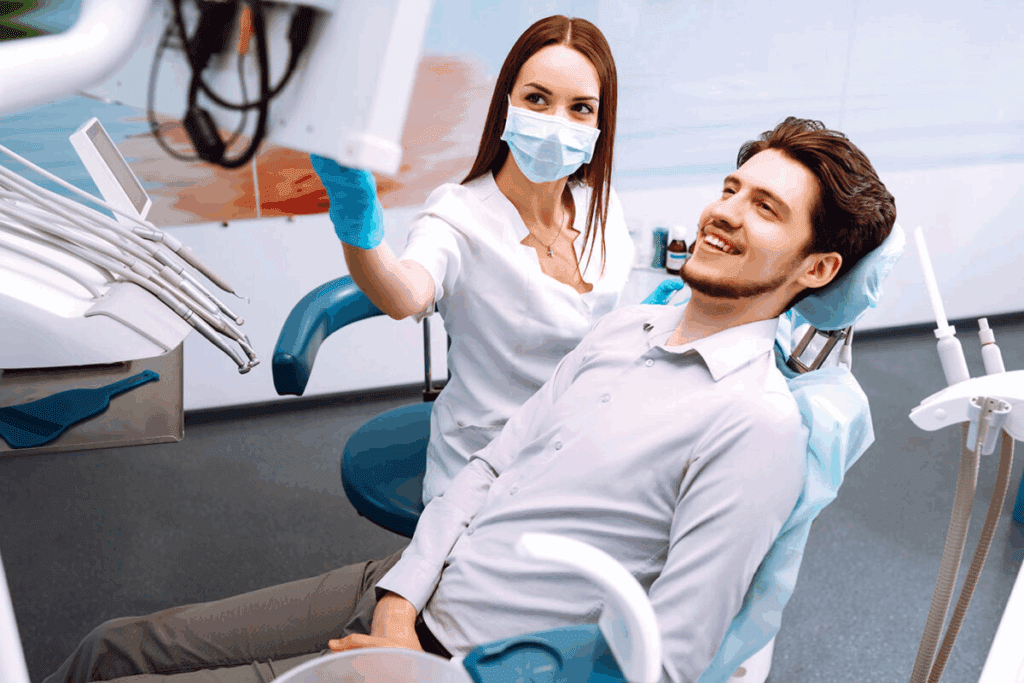
Lockjaw, also known as trismus, is a condition where you can’t open your mouth fully. It can cause jaw pain and severe muscle spasms. Knowing its causes and symptoms is key.
What Is Lockjaw (Trismus)?
Lockjaw, or trismus, makes your jaw muscles stiff. This makes it hard to open your mouth. It can be caused by tetanus, TMJ disorders, dental problems, or jaw injuries. Symptoms range from mild pain to not being able to open your mouth at all.
Common Symptoms to Recognize
It’s important to know the symptoms of lockjaw early. Common signs include:
- Difficulty opening the mouth
- Jaw pain or stiffness
- Muscle spasms in the jaw
- Clicking or popping sounds when moving the jaw
- Headaches or earaches due to tension
These symptoms can make everyday tasks like eating and speaking hard. They can also affect your oral hygiene.
Differentiating Between Tetanus and Other Causes
Tetanus is a serious infection that can cause lockjaw. But not all lockjaw is from tetanus. TMJ disorders, dental infections, and jaw injuries can also cause it. Knowing the cause is key for the right treatment.
| Cause | Common Symptoms | Treatment Approach |
|---|---|---|
| Tetanus | Severe muscle spasms, lockjaw, stiffness | Tetanus vaccination, wound care, antibiotics |
| TMJ Disorders | Jaw pain, clicking sounds, limited jaw movement | Dental treatments, jaw exercises, stress management |
| Dental Infections | Toothache, swelling, fever, difficulty opening mouth | Antibiotics, dental surgery, pain management |
| Jaw Trauma | Pain, swelling, bruising, limited jaw movement | Pain management, physical therapy, possibly surgery |
A medical expert says, “Knowing why you have lockjaw is important for treatment. Tetanus is known, but TMJ disorders and dental issues are more common. They need different treatments.”
“The key to managing lockjaw lies in identifying its cause and addressing it appropriately. Whether it’s through dental care, physical therapy, or medical intervention, the right treatment can provide significant relief.” Medical Expert, Jaw Specialist
Common Causes of Lockjaw Beyond Tetanus

Lockjaw can come from many sources, like TMJ disorders, dental problems, and jaw injuries. Tetanus is known, but knowing other causes helps in treating it right.
TMJ Disorders and Dysfunction
TMJ disorders are a big reason for lockjaw. The TMJ connects the jaw to the skull, allowing us to speak, chew, and yawn. When it’s affected, it can cause pain, clicking sounds, and limited jaw movement.
TMJ disorders can happen for many reasons, including:
- Arthritis
- Jaw injuries
- Disc degeneration
- Bruxism (teeth grinding and clenching)
Medical Expert. Okeson, an expert on TMJ disorders, says, “The temporomandibular joint is complex and can have many disorders.” 1
Dental Procedures and Infections
Dental work and infections can also cause lockjaw. Dental surgeries, like wisdom tooth removals, can lead to inflammation and muscle spasms. Oral infections, like abscesses, can cause jaw pain and stiffness.
| Dental Cause | Description |
|---|---|
| Wisdom Tooth Extraction | Removing wisdom teeth can cause temporary lockjaw due to swelling and muscle spasms. |
| Oral Infections | Bacterial infections in the mouth can lead to jaw pain and stiffness, causing lockjaw. |
| Dental Abscess | A dental abscess can cause severe pain and limited jaw movement. |
Jaw Trauma and Injuries
Jaw trauma, like fractures or dislocations, can affect the TMJ and muscles, causing lockjaw. Even small injuries can cause a lot of discomfort and jaw stiffness.
The American Association of Oral and Maxillofacial Surgeons says, “Jaw fractures and dislocations need immediate medical care to avoid long-term damage and complications like lockjaw.” 2
Stress and Anxiety-Related Jaw Tension
Stress and anxiety can cause jaw clenching and tension, leading to pain. Chronic tension can turn into lockjaw.
“Stress and anxiety can show up physically, like jaw muscle tension, which can lead to lockjaw.”Medical Expert. Friedman, DDS
Relaxation techniques, like meditation and deep breathing, can help reduce jaw tension and prevent lockjaw.
What to Do If Your Jaw Locks: First Response
If your jaw locks, it’s important to act fast to ease the pain and avoid more problems. Lockjaw, or trismus, can happen for many reasons like TMJ issues, dental work, or stress. Knowing what to do first can help manage it well.
Assessing the Severity of Your Condition
First, figure out how bad your lockjaw is. Think about the pain level, how much your jaw is stuck, and any other symptoms. This includes trouble speaking or swallowing.
Immediate Actions to Take
There are quick steps you can take to ease lockjaw. Using moist heat or cold packs on the jaw can help relax the muscles. But, don’t try to force your jaw open as it can hurt more. Try relaxation methods like deep breathing or meditation to lessen jaw tension.
When Emergency Care Is Needed
While many lockjaw cases can be handled at home, some need emergency care. If you have severe pain, trouble breathing, or signs of infection like fever or swelling, get help right away.
| Condition | Immediate Action | When to Seek Emergency Care |
|---|---|---|
| Mild lockjaw with minimal pain | Apply moist heat or cold packs, practice relaxation techniques | If pain worsens or if you experience difficulty breathing |
| Moderate lockjaw with significant pain | Continue with self-care measures, consider over-the-counter pain relief | If symptoms persist or worsen, or if you notice signs of infection |
| Severe lockjaw with difficulty speaking or swallowing | Seek medical attention if self-care measures are ineffective | Immediately if you experience severe pain, difficulty breathing, or signs of infection |
Step 1: Apply Moist Heat for Immediate Relief
Moist heat can quickly ease lockjaw by relaxing jaw muscles. When the jaw is locked, the muscles around it tighten and swell. This makes the condition worse. Moist heat therapy eases this tension, helping to relax and reduce pain.
How Heat Therapy Helps Relax Jaw Muscles
Heat therapy boosts blood flow to the area, easing muscle spasms and swelling. The warmth goes deep into the tissue, making muscles relax and more flexible. This makes it simpler to move the jaw and lessens the pain of lockjaw.
Benefits of Moist Heat Therapy:
- Relaxes jaw muscles
- Reduces muscle spasms
- Increases blood flow
- Decreases inflammation
- Improves jaw mobility
Proper Application Techniques
To use moist heat well, you can employ a warm, damp towel or a heating pad. Here’s how to do it:
- Soak a towel in warm water, wring it out, and place it on the affected area.
- Or, use a heating pad on a low to medium setting, making sure it’s not too hot.
- Put a dry towel over the moist towel or heating pad to keep the heat in.
Duration and Frequency Recommendations
For the best results, use moist heat for 15-20 minutes at a time. Do this 3-4 times a day. Being consistent and patient is key, as relief from lockjaw symptoms takes time. If you feel any discomfort or pain, stop and see a healthcare professional.
By adding moist heat therapy to your daily routine, you can manage lockjaw symptoms better. This helps you regain normal jaw function.
Step 2: Gentle Jaw Stretching Exercises
To help with lockjaw, try gentle jaw stretches every day. These stretches can make your jaw move better, feel less stiff, and hurt less.
Safe Stretching Techniques for Locked Jaw
When stretching your jaw, be gentle to avoid hurting it more. Start by opening your mouth as far as you can, then close it. Do this a few times.
Progressive Jaw Opening Exercises
These exercises make your jaw open wider over time. Put your fingers between your teeth and press down gently until you feel a stretch. Hold for a few seconds, then let go.
Side-to-Side Movement Techniques
Side movements can also help your jaw. Place your fingers on your lower teeth and move your jaw from side to side. Start slow and get more flexible as you go.
Frequency and Precautions
Do these exercises 3-4 times a day. But listen to your body and stop if it hurts. Consistency is key, but being gentle is also important.
| Exercise | Frequency | Precautions |
|---|---|---|
| Progressive Jaw Opening | 3-4 times a day | Stop if pain occurs |
| Side-to-Side Movement | 3-4 times a day | Start with small movements |
Step 3: Pain Management Strategies
Managing pain is key when you have lockjaw. It’s not just about feeling better; it’s about living better too. We’ll look at ways to ease pain, like medicines, creams, and natural methods.
Over-the-Counter Pain Medications
OTC pain meds are a good start for lockjaw pain. Ibuprofen and acetaminophen can help with pain and swelling. Ibuprofen is great for swelling because it fights inflammation.
It’s important to take these meds as directed to avoid side effects. Always talk to a doctor before starting any new medicine, if you have health issues or take other meds.
Topical Pain Relief Options
Topical treatments target pain right where it hurts. Creams, gels, and ointments with lidocaine, capsaicin, or menthol can be applied directly. They numb the skin or reduce pain and swelling.
Choose a topical pain relief product made for pain. Follow the instructions carefully. Some might irritate your skin, so test it first.
Natural Pain Relief Alternatives
Looking for something different? Natural options like arnica and capsaicin can help. Arnica is in creams, and capsaicin is in creams or patches.
Acupuncture and massage therapy can also help. They aim to heal and reduce pain. Many people find them useful for pain management.
In summary, to manage lockjaw pain well, try different approaches. Use OTC meds, topical creams, and natural methods. Find what works best for you.
Step 4: Massage Techniques for Jaw Muscle Relaxation
To help with lockjaw, we look at massage techniques. These can relax jaw muscles and improve movement.
External Massage Methods
External massage works on muscles outside the mouth. Start by gently rubbing the jaw with your fingertips in circles. Use your knuckles for deeper pressure if it’s needed.
- Use a gentle, circular motion with your fingertips.
- Apply deeper pressure with your knuckles if necessary.
- Focus on the areas around the jaw joint and the temples.
Intraoral Massage Techniques
Intraoral massage works on muscles inside the mouth. It’s great for the medial and lateral pterygoid muscles, often involved in lockjaw.
- Insert your gloved index finger into the mouth.
- Gently massage the muscles on the inside of the jaw.
- Focus on areas that feel tense or painful.
Pressure Points for Jaw Relief
Some pressure points can ease jaw tension. The masseter muscle on the jaw’s sides is key. Gently pressing here can relax the muscle and lessen lockjaw symptoms.
Tools and Aids for Self-Massage
Many tools can help with self-massage, including:
- Tennis balls or lacrosse balls to apply pressure.
- Massage sticks or rollers for targeted relief.
- Electric massagers for automated massage.
Using these massage techniques daily can help manage lockjaw and improve jaw movement.
Step 5: Soft Diet and Jaw Rest Protocols
A soft diet can help ease the strain on your jaw, which is key in managing lockjaw. When your jaw is locked or tight, eating soft foods can help. We’ll look at why a soft diet and jaw rest are important for lockjaw management.
Foods to Eat and Avoid
When you have lockjaw, picking the right foods is critical. Soft, easy-to-chew foods should be your main choice. Here are some examples:
- Yogurt
- Mashed potatoes
- Scrambled eggs
- Soups
- Soft-cooked pasta
But, it’s also key to avoid foods that can make things worse. Hard, crunchy, or chewy foods should be avoided. They can strain your jaw more. Here are some examples to avoid:
- Nuts
- Raw vegetables
- Hard candies
- Tough meats
- Crusty bread
| Food Category | Recommended Foods | Foods to Avoid |
|---|---|---|
| Fruits | Applesauce, bananas | Raw apples, dried fruits |
| Proteins | Soft-cooked eggs, yogurt | Tough meats, nuts |
| Grains | Soft-cooked pasta, oatmeal | Crusty bread, hard cereals |
Proper Eating Techniques
Choosing the right foods is just part of the solution. Using proper eating techniques can also help. Take small bites and chew slowly to ease jaw strain. Eating smaller, more frequent meals can also help avoid jaw overexertion.
Duration of Dietary Modifications
How long you need to follow a soft diet varies. It depends on how severe your lockjaw is and how fast you recover. Keep following a soft diet until your jaw feels relaxed and you can chew without pain.
Hydration Importance
Drinking enough water is important for your health and managing lockjaw. Water helps your muscles, including your jaw, work right. Drink plenty of water all day.
By following a soft diet and jaw rest, you can manage lockjaw and its symptoms. But, if your condition doesn’t get better or gets worse, see a doctor.
When to Seek Professional Medical Help
Knowing when to seek medical help for lockjaw is key. Lockjaw, or trismus, can signal serious issues. It’s important to act fast if you notice any warning signs.
Warning Signs That Require Medical Attention
Some symptoms mean you need to see a doctor right away. Look out for:
- Severe pain or discomfort in the jaw, face, or surrounding areas
- Difficulty breathing or swallowing
- Signs of infection, such as fever, swelling, or redness
- Inability to open the mouth fully or difficulty chewing
- Recent trauma or injury to the jaw or face
If you’re experiencing any of these symptoms, it’s essential to seek medical help promptly.
What to Expect at the Doctor’s Office
At the doctor’s office, you’ll get a full check-up. The doctor will:
- Conduct a physical examination of your jaw and surrounding areas
- Ask about your medical history and symptoms
- May order imaging tests, such as X-rays or an MRI, to determine the underlying cause
This detailed approach helps find the cause of lockjaw. It also guides your treatment.
Potential Medical Interventions
Depending on the cause and severity, you might need different treatments. These can include:
| Treatment | Description |
|---|---|
| Muscle Relaxants | Medications to reduce muscle spasms and relieve tension |
| Physical Therapy | Exercises and techniques to improve jaw mobility and strength |
| Dental Treatments | Addressing dental issues, such as infections or misaligned teeth, that may be contributing to lockjaw |
| Surgical Intervention | In some cases, surgery may be necessary to address underlying causes, such as TMJ disorders or jaw injuries |
Knowing about these treatments can help you prepare for your visit. It also helps you make informed decisions about your care.
Long-Term Prevention Strategies
Preventing lockjaw for the long term requires a few key steps. These include managing stress, taking care of your teeth, and doing exercises to prevent it. By following these steps, you can lower your chances of getting lockjaw.
Stress Management Techniques
Stress can make your jaw tense and lead to lockjaw. To avoid this, try stress-reducing activities. Meditation, yoga, and deep breathing exercises can help. They can make you less stressed and less likely to get lockjaw.
Make these activities a part of your daily life. This will help you stay relaxed and prevent jaw tension.
Proper Dental Care and Regular Check-ups
Good oral health is key to avoiding lockjaw. Regular dental visits can catch problems early. This includes:
- Brushing teeth at least twice a day
- Flossing daily to remove food particles
- Using a mouthwash to kill bacteria
Going to the dentist often can spot issues like misaligned teeth or TMJ problems. These can lead to lockjaw.
| Dental Care Practices | Benefits |
|---|---|
| Regular Brushing | Removes plaque and bacteria |
| Daily Flossing | Prevents food accumulation |
| Mouthwash Use | Kills bacteria and freshens breath |
Preventive Exercises and Habits
Doing exercises can make your jaw stronger and more mobile. This lowers the risk of lockjaw. Simple actions like opening and closing your mouth gently and moving your jaw side to side are good.
Avoid habits that strain your jaw, like clenching or grinding teeth. This is even more important when you’re stressed.
Importance of Tetanus Vaccination
Getting tetanus shots is vital to prevent tetanus-related lockjaw. Keeping your tetanus vaccinations up to date can greatly reduce the risk of tetanus. This is important because tetanus can cause lockjaw.
Make sure to talk to your healthcare provider about your tetanus shots. They can help you stay on track.
Conclusion
Understanding and managing lockjaw is key for good jaw health. Knowing the causes and symptoms helps you act fast to ease pain. We’ve talked about ways to find relief, like using moist heat and soft foods.
These steps can help right away and stop future problems. It’s also important to know when to see a doctor. By managing stress and taking care of your teeth, you can lower your risk of lockjaw. We hope this guide helps you handle lockjaw and feel better overall.
Handling lockjaw well means using self-care and getting medical help when it’s needed. By focusing on jaw health, you can lessen the effects of lockjaw and keep your jaw working well.
FAQ
What happens if your jaw locks?
Locking your jaw can make it hard to eat, speak, or brush your teeth. It causes your mouth to open less and your jaw muscles to spasm. To ease the pain, try moist heat, gentle jaw stretches, and pain relief methods.
What to do when your jaw locks up?
Stay calm if your jaw locks up. First, try moist heat or cold packs to relax your jaw. Don’t force your jaw open. If you have severe pain or trouble breathing, get help right away.
How do you fix lock jaw?
To fix lockjaw, start with moist heat and gentle jaw stretches. Use pain meds or creams, and try massage. If it doesn’t get better, see a doctor.
What to do if jaw locks?
If your jaw locks, use moist heat and do gentle jaw stretches. Manage pain with meds or creams. Don’t force your jaw open. Get emergency care for severe pain or breathing issues.
How to fix lock jaw immediately?
For immediate relief, use moist heat and do gentle jaw stretches. Massage can also help. Avoid forcing your jaw open and use pain meds or creams.
What happens when your jaw locks?
Locking your jaw can make it hard to open your mouth. It also causes muscle spasms, leading to pain and trouble with daily tasks like eating and speaking.
What to do for lockjaw?
For lockjaw, try moist heat, gentle jaw stretches, and pain meds or creams. Massage and a soft diet can also help. If it doesn’t improve, see a doctor.
What to do about lockjaw?
Manage lockjaw with moist heat, jaw stretches, and pain management. Massage and a soft diet are also good. If it gets worse, see a doctor.
How to help locked jaw?
Help a locked jaw with moist heat, jaw stretches, and massage. Avoid forcing your jaw open. Use pain meds or creams if needed.
What to do when your jaw locks?
If your jaw locks, stay calm and use moist heat and jaw stretches. Don’t force your jaw open. Seek emergency care for severe pain or breathing trouble.
What to do if your jaw is locked?
If your jaw is locked, use moist heat and jaw stretches. Manage pain with meds or creams. Avoid forcing your jaw open. See a doctor if it doesn’t get better.
Locked open jaw, what to do?
For a locked open jaw, try moist heat, jaw stretches, and massage. Avoid forcing your jaw closed. See a doctor if it doesn’t improve or gets worse.
References
National Center for Biotechnology Information. Evidence-Based Medical Guidance. Retrieved from https://www.ncbi.nlm.nih.gov/books/NBK493203/