Recovering from bowel surgery means paying close attention to what you eat. Knowing what to eat after bowel surgery can make a big difference in how you feel and in maintaining your digestive health. At Liv Hospital, we focus on you and provide the latest dietary advice to help you heal well.
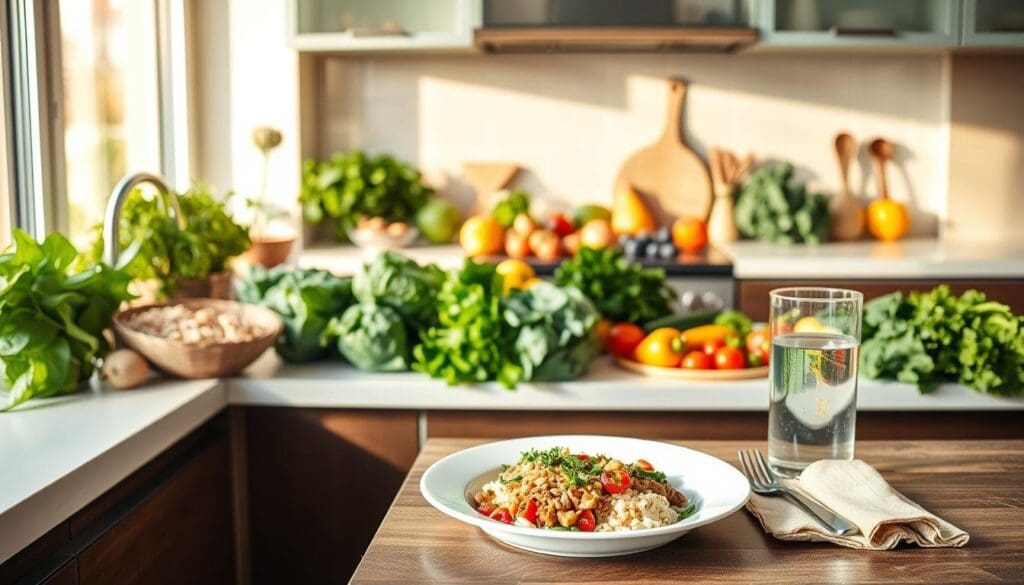
We suggest starting with soft, easy-to-digest foods and avoiding tough ones. This helps you feel better and recover faster.
Key Takeaways
- Start with soft, low-fiber foods after bowel surgery.
- Avoid hard-to-digest items to minimize discomfort.
- Follow a diet that aids in recovery and supports long-term digestive health.
- Patient-centered care is crucial for achieving the best possible outcomes.
- Up-to-date dietary guidance is essential for a smooth recovery.
- Expertise in managing digestive disorders informs post-surgery dietary recommendations.
Understanding Bowel Surgery Recovery and Nutritional Needs
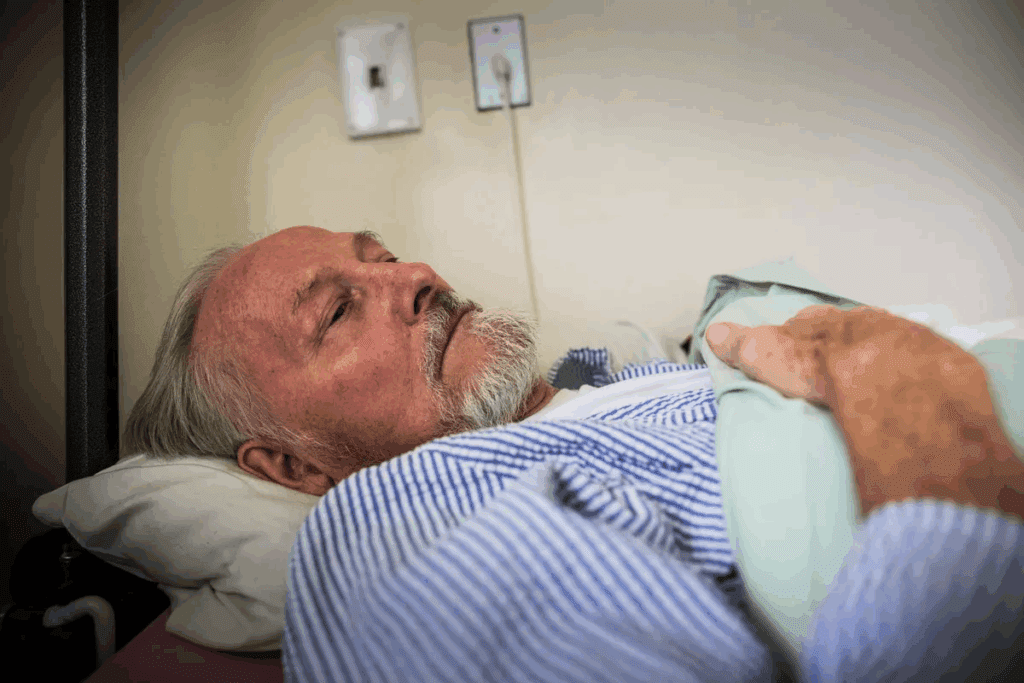
Recovering from bowel surgery is complex. It involves knowing the surgery type and nutritional needs. It’s key to grasp how different surgeries affect digestion and how nutrition aids in recovery.
Types of Bowel Surgeries and Their Digestive Impact
Bowel surgeries differ in complexity and digestive impact. “The surgery type greatly affects digestive health post-op.” Common surgeries include resections and ostomies.
Resections remove part of the intestine, altering bowel habits and nutrient absorption. Ostomies divert fecal flow, affecting waste management and nutrient uptake.
The Role of Nutrition in Healing and Recovery
Nutrition is vital for healing after bowel surgery. It aids in wound healing, reduces complications, and boosts strength. Patients need more proteins, vitamins, and minerals for recovery.
| Nutrient | Role in Recovery | Food Sources |
| Protein | Tissue repair, healing | Lean meats, fish, eggs, dairy |
| Vitamin C | Immune function, wound healing | Citrus fruits, berries, leafy greens |
| Iron | Oxygen transport, energy | Red meat, poultry, fish, fortified cereals |
Understanding your surgery and its digestive effects is crucial. Nutrition plays a big role in recovery. Working with healthcare providers to create a personalized nutrition plan is essential for healing and health.
What to Eat After Bowel Surgery: The Basics of Post-Operative Nutrition
Knowing what to eat after bowel surgery is crucial for healing and getting stronger. The right foods after surgery are key to your recovery. We’ll show you how to start with the best foods for a smooth recovery.
Starting with Clear and Full Liquids
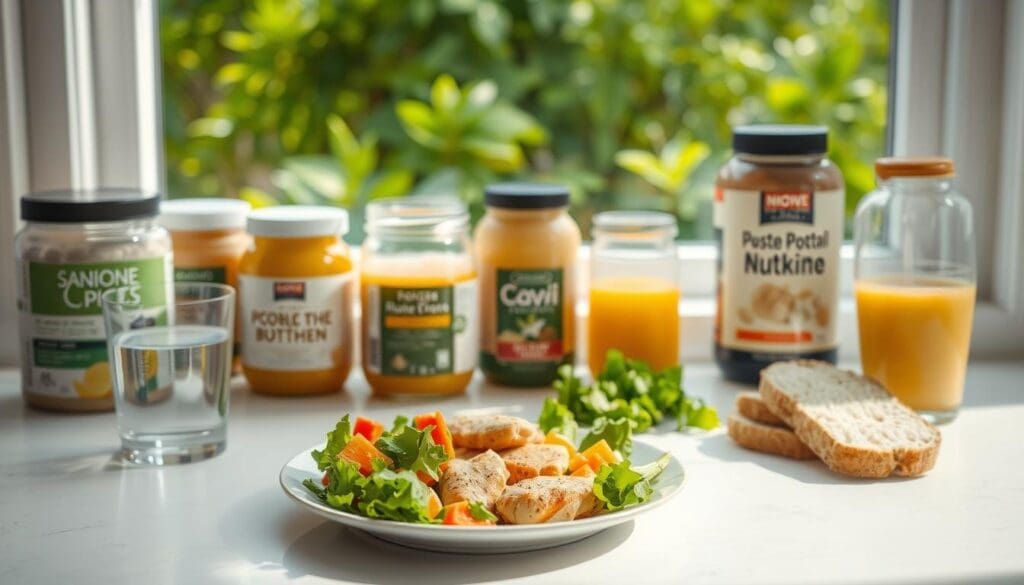
Right after surgery, start with clear liquids to help your digestive system. Clear liquids include broths, sports drinks, and water. They keep you hydrated without stressing your digestive system. Then, you can try full liquids like milk, smooth soups, and clear juices.
Transitioning to Soft, Low-Fiber Foods
When you’re ready, move to soft, low-fiber foods. These foods are gentle and give you the nutrients you need. Think of well-cooked pasta, white rice, and cooked veggies without skins or seeds. Make sure to chew well to help with digestion. Soft, low-fiber foods are easier to digest and help prevent complications.
Gradually Reintroducing Normal Foods
As you heal, you can slowly add normal foods back into your diet. Start with small amounts and watch how your body reacts. It’s best to add new foods one at a time to see if they cause any issues. Listening to your body and adjusting your diet accordingly is key to a successful recovery.
The Low-Residue Diet Following Bowel Resection
After bowel resection surgery, a low-residue diet is often suggested. It aims to lessen digestive stress. This diet reduces undigested food in the colon, helping the bowel to heal.
What is a Low-Residue Diet?
A low-residue diet focuses on foods that are easy to digest and low in fiber. It aims to ease the bowel’s workload, aiding in healing. Foods like lean proteins, refined carbs, and cooked veggies without skins or seeds are good choices.
Key components of a low-residue diet include:
- Lean proteins like chicken, fish, and eggs
- Refined grains such as white bread and pasta
- Cooked vegetables without seeds or skins
- Canned fruits and well-cooked, peeled fruits
How Long to Follow a Low-Residue Diet (4-6 Weeks)
Following a low-residue diet usually lasts 4 to 6 weeks post-surgery. This timeframe helps the bowel heal, reducing the chance of complications.
| Week | Dietary Recommendations |
| 1-2 | Clear liquids, gradually introducing full liquids |
| 2-4 | Soft, low-fiber foods, including pureed vegetables and fruits |
| 4-6 | Gradually introduce more solid foods, avoiding high-fiber and hard-to-digest items |
Monitoring Your Body’s Response to Dietary Changes
It’s important to watch how your body reacts to diet changes. If you feel discomfort or pain, talk to your doctor for advice.
Listening to your body and making necessary adjustments is key to a successful recovery.
12 Essential Post-Surgery Diet Tips for Optimal Recovery
A well-planned diet is key for a smooth recovery after surgery. We’re sharing top tips to help you heal. Recovering from bowel surgery is more than just the surgery. It also means paying close attention to what you eat to help your body heal right.
Tip 1: Eat Small, Frequent Meals
Eating small meals often is a smart move for your digestive health after surgery. It eases the load on your digestive system, helping it heal better. Eating smaller portions can also reduce discomfort and avoid overwhelming your digestive tract.
Tip 2: Chew Food Thoroughly
Chewing your food well is another important tip for a smooth recovery. Good chewing helps with digestion and lowers the risk of problems. Taking your time to chew each bite can greatly improve how your body digests food after surgery.
Tip 3: Stay Well-Hydrated
Drinking enough water is crucial for your recovery. It helps prevent constipation, a common issue after surgery, and keeps your digestive system healthy. Drink lots of water, clear broths, and electrolyte-rich drinks to stay hydrated.
Tip 4: Introduce New Foods One at a Time
Adding new foods slowly is wise to avoid upset stomachs. By introducing one new food at a time, you can see how your body reacts. This careful approach helps tailor your diet to your needs after surgery.
| Tip | Description | Benefit |
| Eat Small, Frequent Meals | Consume smaller portions throughout the day | Reduces strain on the digestive system |
| Chewing Food Thoroughly | Take time to chew each bite properly | Aids digestion and reduces complications |
| Stay Well-Hydrated | Drink plenty of fluids | Prevents constipation and supports digestive health |
| Introduce New Foods Gradually | Add one new food at a time | Helps identify and avoid foods that cause discomfort |
Best Foods to Eat After Bowel Surgery
What you eat after bowel surgery is key to healing and feeling good. Eating the right foods can ease discomfort, lower the chance of problems, and help your body get better. Stick to foods that are easy to digest and gentle on your stomach.
Easily Digestible Proteins
Proteins are important for healing and getting better. Choose foods like eggs, tender chicken, and fish. They’re full of protein and easy on your stomach, making them great for eating after surgery.
Benefits of Easily Digestible Proteins:
- Promote healing and tissue repair
- Support immune function
- Provide essential amino acids
Well-Cooked, Low-Fiber Vegetables
Vegetables are important for a healthy diet, but choose low-fiber, well-cooked ones after surgery. They’re easier to digest and won’t upset your stomach. Good choices include cooked carrots, green beans, and spinach.
Tips for Preparing Low-Fiber Vegetables:
- Cook until tender
- Avoid adding high-fat sauces or seasonings
- Start with small portions
Soft, Peeled Fruits
Fruits are full of vitamins, minerals, and fiber, but pick soft, peeled ones after surgery. Bananas and applesauce are great because they’re easy to digest and gentle on your stomach.
Gentle Carbohydrates
Carbohydrates give you energy, which is important for getting better. Choose gentle carbs like white rice, pasta, and potatoes. They’re easy to digest and help keep your energy up.
Nutritional Benefits of Gentle Carbohydrates:
| Food | Nutritional Benefits |
| White Rice | Easy to digest, rich in carbohydrates |
| Pasta | Provides energy, can be paired with protein sources |
| Potatoes | Rich in potassium, easy to digest when cooked |
Foods to Avoid After Bowel Resection Surgery
After bowel resection surgery, it’s important to stay away from certain foods. It’s key to watch what you eat to recover well. We’ll tell you which foods to skip during this time.
High-Fiber Foods
High-fiber foods like raw veggies and whole grains are hard to digest after surgery. Cook veggies until they’re soft. Stick to refined grains instead of whole grains when you’re first getting better.
Fatty and Fried Foods
Fatty and fried foods can make digestion slow and cause pain. Stay away from foods high in fat, like fried meats and rich sauces. Choose lean proteins and cook with methods like steaming or baking.
Spicy and Acidic Foods
Spicy and acidic foods can upset your stomach. Try to limit or avoid foods that are very seasoned or acidic, like citrus fruits and tomatoes. Go for milder flavors and easier ingredients.
Nuts, Seeds, and Foods with Skins
Nuts, seeds, and foods with skins are hard to digest and might cause problems. Skip these foods when you’re first recovering. Instead, eat smooth foods like applesauce or pureed veggies.
By avoiding these foods, you can make your recovery smoother after bowel resection surgery. Always talk to your healthcare provider for advice on what to eat.
Special Dietary Considerations for Different Bowel Surgeries
Knowing the right diet for bowel surgeries is key for a good recovery. Each surgery affects the digestive system differently. So, a personalized nutrition plan is needed.
Post-Colorectal Surgery Diet Protocols
Patients after colorectal surgery often need a low-residue diet. This diet helps avoid complications by reducing stool amount. It includes foods that are low in fiber and easy to digest.
“A low-residue diet is crucial in the initial stages post-colorectal surgery to give the bowel a chance to heal without excessive strain.”
Recommended foods include:
- Lean proteins like chicken and fish
- Well-cooked vegetables without skins or seeds
- Soft fruits like bananas and applesauce
- Refined grains such as white rice and pasta
| Food Category | Recommended Foods | Foods to Avoid |
| Proteins | Lean chicken, fish | Fatty meats, processed meats |
| Vegetables | Well-cooked, without skins or seeds | Raw, high-fiber, or gas-producing |
| Fruits | Soft fruits like bananas, applesauce | Raw, high-fiber, or acidic fruits |
| Grains | Refined grains like white rice, pasta | Whole grains, high-fiber grains |
Nutrition After Ileostomy or Colostomy
Patients with an ileostomy or colostomy need special diets. They should stay hydrated and eat foods that are easy to digest.
Some important tips include:
- Eating small, frequent meals
- Avoiding high-fiber foods
- Staying well-hydrated
Diet After Rectal Prolapse Surgery
After rectal prolapse surgery, a high-fiber diet is recommended. This helps prevent constipation and promotes regular bowel movements. Foods like fruits, vegetables, and whole grains are encouraged.
A sample meal plan could be:
- Oatmeal with fruits for breakfast
- Salads with lean proteins for lunch
- Steamed vegetables with whole grains for dinner
Following your healthcare provider’s dietary advice is crucial for a successful recovery.
When Can I Drink Alcohol After Bowel Surgery?
Timeline for Safely Reintroducing Alcohol
Experts suggest waiting 4-6 weeks before drinking alcohol again. This helps your digestive system heal and lowers the risk of problems. But, the exact time can depend on your surgery, health, and surgeon’s advice.
Always listen to your surgeon about drinking alcohol. Some surgeries, like ileostomy or colostomy, might mean you can’t drink alcohol for longer. Your doctor will give you advice based on your situation.
Potential Risks and Interactions
Drinking too soon after surgery can cause issues. Alcohol can upset your stomach, leading to pain, nausea, and even bleeding or infection. It can also mess with your recovery meds, making them less effective or causing side effects.
When you start drinking again, begin with small amounts. Stay away from fizzy drinks and sugary ones, as they can upset your stomach. Paying attention to how your body reacts helps avoid problems.
In summary, while it’s tempting to drink after surgery, your health should come first. Waiting the right amount of time and listening to your body helps you recover safely.
How Long After Bowel Surgery Can You Eat Normally?
Knowing when you can eat normally after bowel surgery is key. The time it takes to recover varies, but there’s a general pattern. It’s important to understand this to know when you can start eating like before.
Short-Term Recovery Period (4-6 Weeks)
At first, patients start with clear liquids. This helps the digestive system get back to work.”The first phase is very important. We start with a diet that’s easy on the bowel.”
As healing starts, patients move to full liquids and then soft, low-fiber foods. This step is vital to avoid problems and help the digestive system adjust.
Long-Term Dietary Adjustments
Adjusting your diet long-term depends on your surgery and health. Usually, patients stick to a low-residue diet for weeks after surgery.
Slowly, you can add more foods, watching how your body reacts. It’s important to chew well and eat small, frequent meals to help digestion.
Key considerations for long-term dietary adjustments include:
- Listen to your body and adjust your diet as needed
- Avoid foods that upset your stomach or cause digestive problems
- Drink plenty of water to prevent constipation
By following these tips and talking to your healthcare team, you can smoothly return to a normal diet.
Conclusion: Building Your Personalized Post-Surgery Nutrition Plan
Creating a personalized post-surgery nutrition plan is key for a smooth recovery after bowel surgery. Every person’s nutritional needs are different. A plan made just for you can greatly help your healing.
Dovtor believes in personalized care through a customized diet. This diet meets your specific nutritional needs. By following the advice in this article, you can create a post-surgery nutrition plan that fits you perfectly. This ensures you recover well and avoid complications.
To make your plan, start with small, frequent meals. Then, slowly add back normal foods. Drink plenty of water and watch how your body reacts to different foods. With time and careful planning, you can enjoy a healthy diet that boosts your overall health.
FAQ
What is a low-residue diet, and how long should I follow it after bowel resection surgery?
A low-residue diet means eating foods that are easy to digest. It helps avoid foods high in fiber, seeds, nuts, and raw veggies. We suggest sticking to this diet for 4-6 weeks after surgery. It helps with recovery and reduces discomfort.
What are the best foods to eat after bowel surgery?
After surgery, eat foods that are easy to digest. Good choices include eggs, tender chicken, and fish. Also, opt for soft fruits like bananas and applesauce, and gentle carbs like white rice and potatoes.
What foods should I avoid after bowel resection surgery?
Stay away from high-fiber foods like raw veggies and whole grains. Also, avoid fatty, fried, spicy, and acidic foods. Nuts, seeds, and foods with skins should be avoided too.
How long after bowel surgery can I eat normally?
Recovery time varies, but most can start eating normally in 4-6 weeks. Always follow a diet plan made just for you and watch how your body reacts to new foods.
When can I drink alcohol after bowel surgery?
Be careful when you start drinking alcohol again. The safe time to do so depends on your recovery. Always check with your doctor first.
What are the dietary protocols for post-colorectal surgery?
After colorectal surgery, start with clear liquids. Then move to soft, low-fiber foods. Gradually add normal foods back into your diet. Always choose foods that are easy on your stomach.
How do I build a personalized post-surgery nutrition plan?
To make a nutrition plan just for you, think about your nutritional needs and surgery type. Talk to a healthcare professional or dietitian to create a plan that fits your health.
What are the nutritional needs after ileostomy or colostomy?
After ileostomy or colostomy, drink lots of water and eat foods rich in electrolytes. Avoid foods that can cause blockages or discomfort. A custom nutrition plan can help you recover smoothly.
What is the diet after rectal prolapse surgery?
After rectal prolapse surgery, eat a low-residue diet. Avoid foods that can cause constipation or straining. A personalized nutrition plan is key for a healthy recovery.
How can I stay well-hydrated after bowel surgery?
Drinking plenty of clear liquids is important for recovery. Stick to water, clear broths, and electrolyte-rich drinks. Avoid caffeinated and carbonated beverages.
Why is it essential to introduce new foods gradually after bowel surgery?
Introducing new foods slowly helps your digestive system adjust. It also helps find out if you have any food allergies or sensitivities.
What are the benefits of eating small, frequent meals after bowel surgery?
Eating small meals often can help manage symptoms and reduce discomfort. It also ensures you get the nutrients you need for a smooth recovery.
References:
Muleta, J., et al. (2024). A rare case of bile leak due to type 2 duct of Luschka injury: Diagnosis and intervention. Journal of Surgical Case Reports. Retrieved from https://academic.oup.com/jscr/article/2024/3/rjae179/7632948



 Departments
 Related Videos
 Our Doctors
 News
News