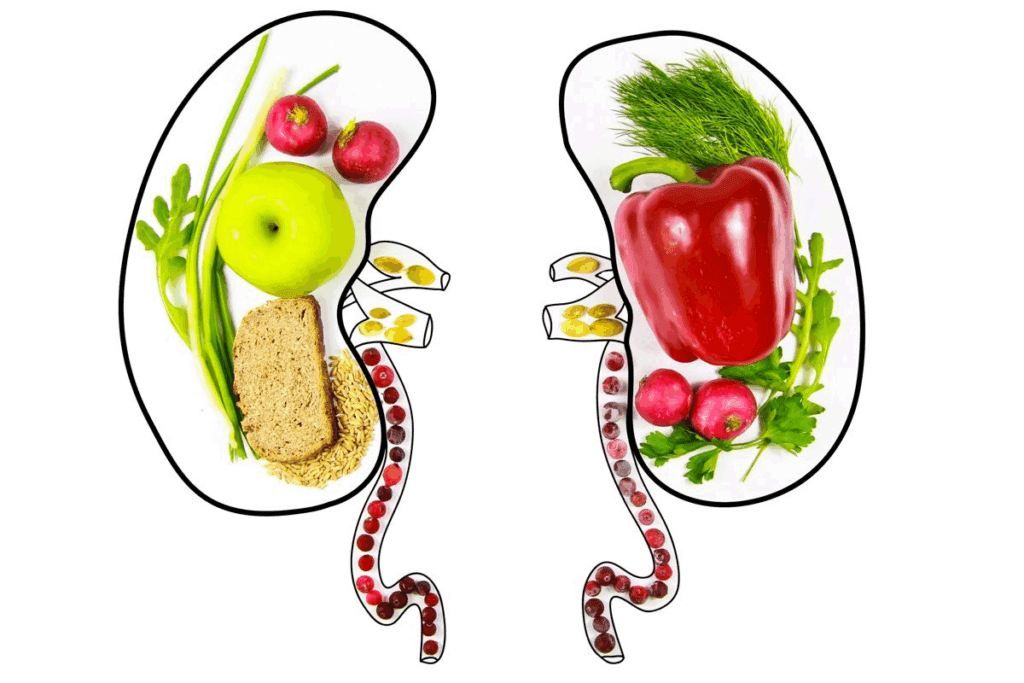
Keeping your kidney health in check is key to feeling your best. A balanced diet is a big part of keeping your kidneys working well. With about one in three U.S. adults at risk of chronic kidney disease, choosing the right foods is critical.
Studies show that eating foods full of nutrients can help avoid kidney disease. By picking the right foods, we can lower our risk of chronic kidney disease. A diet that’s low in sodium, phosphorus, and potassium, but high in vitamins, minerals, and antioxidants is best for our kidneys.
Wondering what to eat for healthy kidneys? Our simple guide covers the 15 best, most powerful foods to improve function naturally.
Key Takeaways
- Eating a balanced diet is key for kidney health.
- Foods low in sodium, phosphorus, and potassium help kidneys function better.
- A diet rich in vitamins, minerals, and antioxidants can prevent kidney disease.
- Making smart food choices can lower the risk of chronic kidney disease.
- A well-balanced diet boosts overall health and well-being.
The Critical Connection Between Diet and Kidney Health
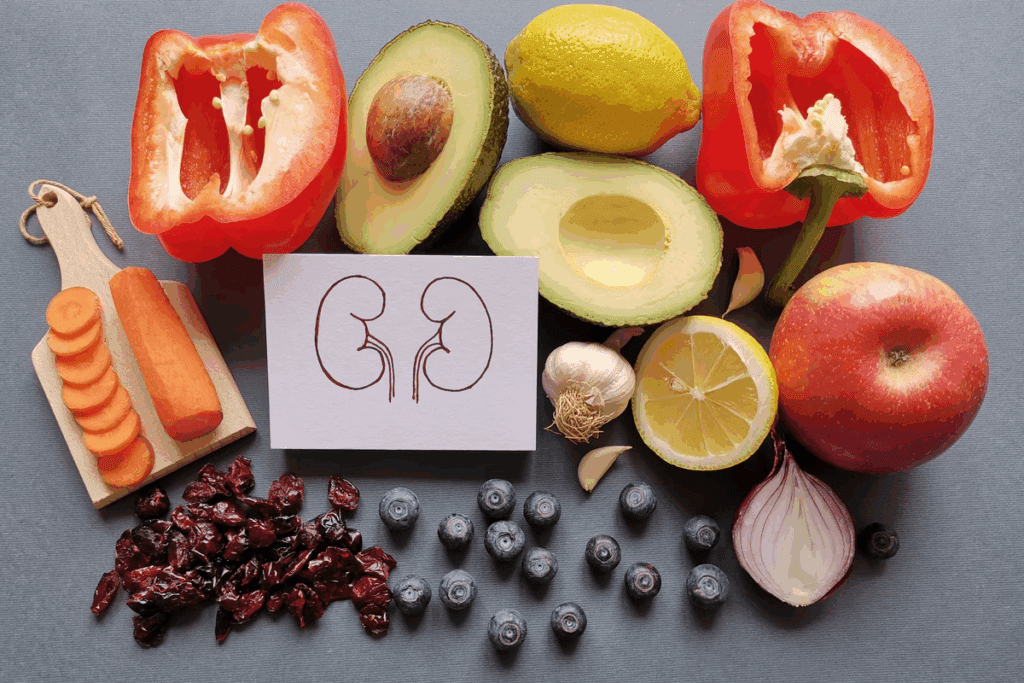
Diet plays a big role in keeping your kidneys healthy. The kidneys filter waste, control blood pressure, and balance fluids in your body.
Understanding Kidney Function and Common Problems
The kidneys filter about 200 liters of blood every day. They remove waste and extra stuff. Problems like chronic kidney disease, kidney stones, and nephrotic syndrome can happen. These issues can be made worse by what you eat.
How Nutrition Impacts Kidney Performance
What you eat affects your kidneys. Eating too much processed food, salt, and sugar can harm them. But, eating lots of fruits, veggies, and whole grains can help. Foods good for improving kidney function are rich in antioxidants and anti-inflammatory compounds.
Key Nutrients to Monitor for Kidney Health
Some nutrients are key for kidney health. These are sodium, potassium, and phosphorus. Watching these can help avoid problems for people with kidney disease.
| Nutrient | Impact on Kidney Health | Food Sources |
|---|---|---|
| Sodium | High intake can increase blood pressure, straining kidneys. | Processed foods, table salt. |
| Potassium | High levels can be dangerous for individuals with CKD. | Bananas, leafy greens, potatoes. |
| Phosphorus | High intake can lead to bone and mineral disorders. | Dairy products, meat, processed foods. |
Knowing how these nutrients affect your kidneys can help. Making smart food choices can support your kidney health and lower disease risk.
What to Eat for Healthy Kidneys: Essential Nutrition Guidelines
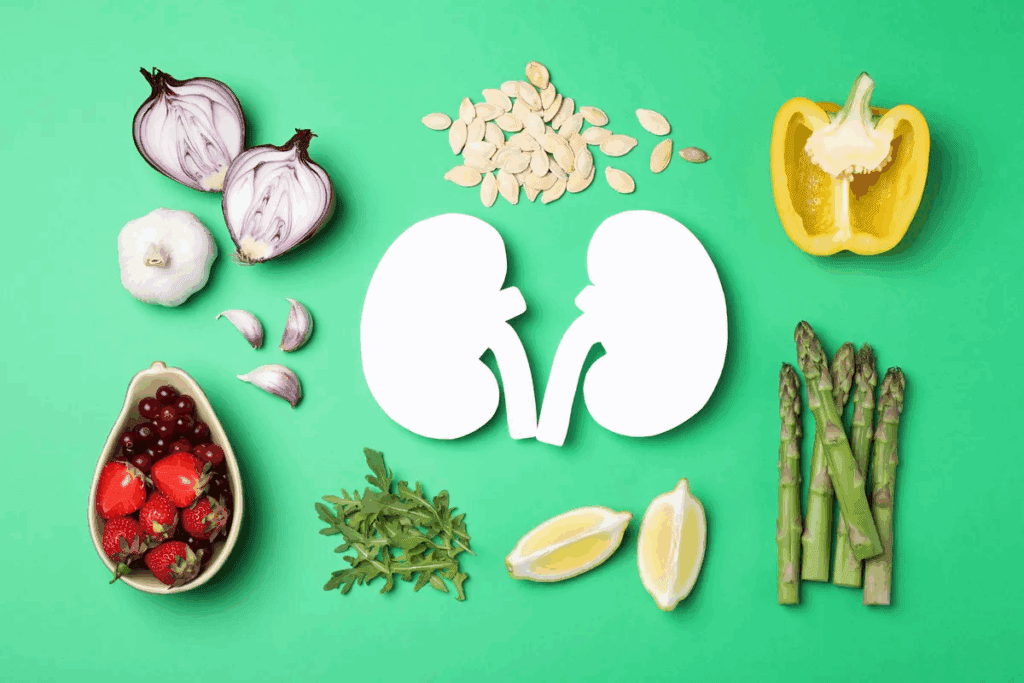
To keep your kidneys healthy, knowing what to eat is key. A diet full of the right nutrients can help or harm your kidneys. It all depends on the foods you choose.
Balancing Sodium, Potassium, and Phosphorus
Keeping sodium, potassium, and phosphorus levels in check is vital. Too much sodium can raise blood pressure, a big risk for kidney disease. Try to eat less than 2,300 milligrams of sodium daily.
Potassium is good for blood pressure and heart health. But, those with severe kidney disease might need to watch their potassium intake. Phosphorus levels must also be monitored to avoid bone and heart issues.
Eating foods low in these minerals is a good start. Opt for “low sodium” or “reduced phosphorus” products. Fresh fruits and veggies are great, but some might be too high in potassium.
The Role of Protein in Kidney Function
Protein is essential for health, and it’s key for kidney function too. Yet, eating too much protein can stress your kidneys. Stick to high-quality protein like lean meats, fish, and eggs in moderation.
If you have kidney disease, managing protein is critical. The right amount depends on your disease stage and health. Always talk to a healthcare provider or dietitian about your protein needs.
Importance of Antioxidants and Anti-inflammatory Compounds
Antioxidants and anti-inflammatory compounds protect your kidneys. Foods rich in vitamins C and E, and omega-3 fatty acids, help fight damage and inflammation.
Eating foods packed with these nutrients supports kidney health. Berries, leafy greens, and fatty fish like salmon are great choices. They help your kidneys and boost your overall health.
Berries: Antioxidant Powerhouses for Kidney Protection
Berries are key for kidney health because they’re full of antioxidants. These help protect the kidneys from damage caused by oxidative stress and inflammation. This supports overall kidney health.
Fighting Oxidative Stress with Blueberries
Blueberries are special because they have lots of antioxidants called anthocyanins. These compounds help reduce oxidative stress, which can harm the kidneys. Eating blueberries can help protect your kidneys from damage.
A Low-Potassium Fruit Option: Strawberries
Strawberries are great for kidney health because they’re low in potassium. They have less potassium than many other fruits, making them safe for a kidney-friendly diet. Strawberries also have vitamin C and antioxidants, which are good for the kidneys.
Incorporating Berries into Your Kidney-Friendly Diet
Adding berries to your diet is easy and tasty. You can eat them as a snack, add them to oatmeal or yogurt, or blend them into smoothies. For those with kidney disease, watching portion sizes is important to keep potassium levels in check. But for many, berries are a nutritious and safe choice.
Here are some tips to get the most from berries:
- Mix different types of berries to get more antioxidants.
- Add berries to your breakfast cereal or oatmeal.
- Use berries as a topping for yogurt or salads.
- Blend berries into smoothies for a quick, healthy drink.
Leafy Greens: Nutrient-Dense Kidney Supporters
Leafy greens like kale and arugula are full of vitamins and minerals. They help keep your kidneys healthy. These foods are good for your overall health and are low in potassium but high in antioxidants.
Vitamin K and Protective Compounds in Kale
Kale is special because it has a lot of vitamin K. Vitamin K is important for blood clotting and bone health. Kale also has compounds that fight inflammation and oxidative stress. These are good for your kidneys.
Nutritional Highlights of Kale:
- Rich in vitamin K
- Contains antioxidants
- Low in potassium
- High in fiber
Low-Potassium Alternatives: Arugula and Cabbage
Arugula and cabbage are great if you’re watching your potassium. They’re low in potassium but full of vitamins A, C, and K. They’re good for a kidney-friendly diet.
Benefits of Arugula and Cabbage:
- Low potassium content
- Rich in vitamins A, C, and K
- Supports digestive health
Cooking Methods to Preserve Nutrients
There are ways to cook leafy greens that keep their nutrients. Steaming is a good method because it saves vitamins and minerals. Try to cook them for a short time to lose fewer nutrients.
Tips for Cooking Leafy Greens:
- Steam instead of boil to retain nutrients
- Cook for a shorter duration
- Avoid overcooking to preserve texture and nutrients
Omega-3 Rich Fish: Essential Fatty Acids for Renal Health
Fatty fish, rich in omega-3 fatty acids, are key in reducing inflammation and supporting kidney health. Omega-3 fatty acids have anti-inflammatory properties. These can help lower the risks of kidney disease.
We suggest adding omega-3 rich fish to your diet for kidney health. These fish offer many benefits, improving overall health and kidney function.
Salmon: Anti-inflammatory Benefits
Salmon is packed with omega-3 fatty acids, like EPA and DHA. These compounds reduce body inflammation, which is good for those with kidney disease or at risk.
The anti-inflammatory effects of salmon help keep kidneys healthy. Eating salmon at least twice a week can be beneficial.
Mackerel and Tuna: Additional Omega-3 Sources
Other fatty fish, like mackerel and tuna, also have omega-3 fatty acids. Mackerel is rich in EPA and DHA, making it great for kidney health.
Tuna is also a good choice, but pick low-mercury types like skipjack or canned light tuna. These have less mercury than albacore or yellowfin tuna.
Recommended Serving Sizes for Kidney Patients
For those with kidney concerns, eat 3 to 4 ounces of fatty fish like salmon, mackerel, and tuna. Limit it to 2-3 servings a week to enjoy the benefits while avoiding risks.
| Fish Type | Omega-3 Content | Recommended Serving Size |
|---|---|---|
| Salmon | High | 3-4 ounces |
| Mackerel | High | 3-4 ounces |
| Tuna (skipjack/light) | Moderate | 3-4 ounces |
Eating these fish can help support your kidney health. Always talk to a healthcare professional or dietitian to get dietary advice that fits your needs.
Colorful Vegetables That Support Kidney Function
Eating colorful vegetables can really help your kidneys and overall health. These veggies are packed with vitamins, minerals, and antioxidants. They protect your kidneys and help them work better.
Let’s look at some top colorful veggies for kidney health:
Red Bell Peppers: Vitamin C Without High Potassium
Red bell peppers are great for a kidney-friendly diet. They’re full of vitamin C, which boosts your immune system and fights infections. Plus, they have less potassium than many other veggies, which is good for those watching their potassium.
Nutritional Highlights:
- High in vitamin C
- Low in potassium
- Rich in antioxidants
Onions: Flavonoids and Kidney Benefits
Onions are also good for your kidneys. They have flavonoids, which are anti-inflammatory. This might lower your risk of kidney disease.
“The flavonoids in onions are good for your heart, which is linked to kidney health.”
Onions are easy to add to many dishes, like soups and salads.
Cauliflower: Cruciferous Vegetable for Detoxification
Cauliflower is a cruciferous veggie that’s full of vitamins and minerals. It helps your body detox naturally. It’s also low in potassium and phosphorus, making it safe for your kidneys.
| Vegetable | Key Nutrients | Kidney Benefits |
|---|---|---|
| Red Bell Peppers | Vitamin C, Antioxidants | Boosts immune function, Low in potassium |
| Onions | Flavonoids | Anti-inflammatory properties |
| Cauliflower | Vitamin K, Fiber | Supports detoxification, Low in potassium and phosphorus |
Adding these colorful veggies to your meals is easy and tasty. Try putting sliced red bell peppers in salads, sautéing onions with garlic, or roasting cauliflower as a main dish.
Kidney-Friendly Fruits Beyond Berries
Looking beyond berries, we find many fruits that are good for our kidneys. While berries are known for their antioxidants, other fruits also help our kidneys. They support our overall health too.
Apples: Fiber-Rich and Anti-inflammatory
Apples are great for kidney health. They are full of fiber, which helps with cholesterol and digestion. Apples also have anti-inflammatory properties. These can lower the risk of chronic kidney disease.
Cranberries: UTI Prevention and Kidney Stone Protection
Cranberries are famous for stopping urinary tract infections (UTIs). This is good for people with kidney problems. They might also stop kidney stones from forming.
Pineapple: Bromelain for Reducing Inflammation
Pineapple is another fruit that’s good for our kidneys. It has bromelain, an enzyme that fights inflammation. This helps our kidneys work better.
It’s easy and tasty to add these fruits to your diet. Here are some ideas:
- Add sliced apples to your oatmeal or yogurt
- Drink cranberry juice or add cranberries to your salads
- Enjoy pineapple as a snack or add it to your favorite fruit salad
| Fruit | Nutritional Benefits | Kidney Health Benefits |
|---|---|---|
| Apples | Rich in fiber, anti-inflammatory properties | Manages cholesterol, reduces chronic kidney disease risk |
| Cranberries | Prevents UTIs, reduces kidney stone formation | Protects against urinary tract infections and kidney stones |
| Pineapple | Contains bromelain, anti-inflammatory properties | Reduces inflammation, supports kidney function |
Whole Grains and Plant Proteins for Renal Support
Adding whole grains and plant proteins to your diet can greatly help your kidneys. These foods are packed with nutrients that support kidney health.
Quinoa: Complete Protein with Balanced Minerals
Quinoa is a complete protein, meaning it has all nine essential amino acids. This makes it great for those who want to manage their protein intake and support their kidneys. It’s also full of minerals like magnesium and potassium, which are key for healthy blood pressure and kidneys.
Bulgur and Buckwheat: Fiber-Rich Alternatives
Bulgur and buckwheat are great whole grains for kidney health. Bulgur is high in fiber, which can lower cholesterol and reduce kidney disease risk. Buckwheat is full of antioxidants and has anti-inflammatory properties. Both can be added to many dishes, making it easy to follow a kidney-friendly diet.
Lentils: Managing Protein Intake with Plant Sources
Lentils are a legume rich in plant-based protein and fiber. They’re perfect for managing protein intake and supporting kidney health. Lentils are low in fat and high in iron and potassium. Adding lentils to your diet can help reduce kidney strain and improve overall kidney health.
By focusing on whole grains and plant proteins, you can actively support your kidney health. These foods not only provide vital nutrients but also add variety and taste to your diet.
Herbs, Spices, and Garlic: Natural Kidney Enhancers
Adding herbs, spices, and garlic to your meals can help your kidneys. These foods have been used for ages to boost health. Studies now show they’re good for your kidneys too.
Garlic: Reducing Inflammation and Blood Pressure
Garlic is known for its health benefits, like lowering blood pressure and fighting inflammation. These are good for your kidneys. Garlic has compounds that fight inflammation and protect against damage.
To eat more garlic, add it to your cooking or eat it raw. But talk to your doctor first, if you’re on meds or have health issues.
Turmeric: Curcumin’s Anti-inflammatory Effects
Turmeric, used in Indian dishes, has curcumin, which fights inflammation and protects the body. Curcumin helps keep kidneys healthy. You can add turmeric to many dishes, like curries and soups.
To get the most from turmeric, eat it with fat like olive oil or coconut milk. This helps your body absorb curcumin better.
Parsley and Cilantro: Natural Detoxifiers
Parsley and cilantro are great for cooking and detoxifying. They’re full of antioxidants and help remove toxins. This makes your kidneys work less hard.
It’s easy to add parsley and cilantro to your meals. Use them as garnishes, in salads, or in sauces. They add flavor and might help your health.
Conclusion: Building Your Kidney-Healthy Eating Plan
Adding the best foods for healthy kidneys to your diet is a big step towards better kidney health. We’ve looked at foods like berries, leafy greens, and omega-3 fish. These can naturally boost your kidney function.
To make a kidney-friendly diet, balance sodium, potassium, and phosphorus. Include a variety of protein sources, whole grains, and plant-based proteins. Foods like apples, cranberries, and pineapple are also good. They give you important vitamins, minerals, and antioxidants.
Other foods, like quinoa, lentils, and garlic, have extra benefits. They help manage protein and reduce inflammation. By mixing these foods and tips, you can make a detailed plan for your kidney health and overall well-being.
FAQ
What are the best foods for healthy kidneys?
For healthy kidneys, eat foods low in sodium, phosphorus, and potassium. But make sure they’re rich in nutrients. Good choices include berries, leafy greens, and omega-3 fish. Also, colorful veggies and whole grains are great.
How does diet impact kidney health?
A balanced diet is key for kidney health. It helps prevent chronic kidney disease. Watching what you eat, like sodium and potassium, is important.
What are some kidney-friendly fruits?
Berries, apples, cranberries, and pineapple are good for your kidneys. They’re full of antioxidants and fiber, helping your kidneys stay healthy.
Are leafy greens good for kidney health?
Yes, leafy greens like kale and cabbage are great for your kidneys. They’re packed with vitamins and minerals. Cooking them right helps keep their nutrients.
How can I incorporate omega-3 rich fish into my diet for kidney health?
Include fish like salmon in your diet for kidney health. They’re anti-inflammatory and support your kidneys. Just remember to eat them in the right amounts.
What are some colorful vegetables that support kidney function?
Red bell peppers and onions are good for your kidneys. They’re full of vitamins and antioxidants. These help keep your kidneys working well.
Can whole grains and plant proteins support kidney health?
Yes, whole grains and plant proteins like lentils are good for your kidneys. They offer fiber and balanced minerals, supporting kidney function.
How can herbs, spices, and garlic support kidney health?
Herbs and spices like garlic have anti-inflammatory effects. They can help your kidneys. Try using garlic, turmeric, and parsley to support kidney health.
What are some tips for creating a kidney-healthy eating plan?
For a kidney-healthy diet, focus on low sodium and potassium foods. Include a variety of kidney-friendly foods. Always check with a healthcare professional for personalized advice.
What foods are easy on the kidneys?
Foods low in sodium and potassium are easy on the kidneys. Berries, leafy greens, and whole grains are good examples.
How can I improve my kidney function through diet?
A balanced diet with kidney-friendly foods can improve kidney function. Monitor your nutrients and stay hydrated. A healthcare professional can help create a plan for you.
References
National Center for Biotechnology Information. Foods for Kidney Health: Diet and Function. Retrieved from https://www.ncbi.nlm.nih.gov/pmc/articles/PMC8467342/