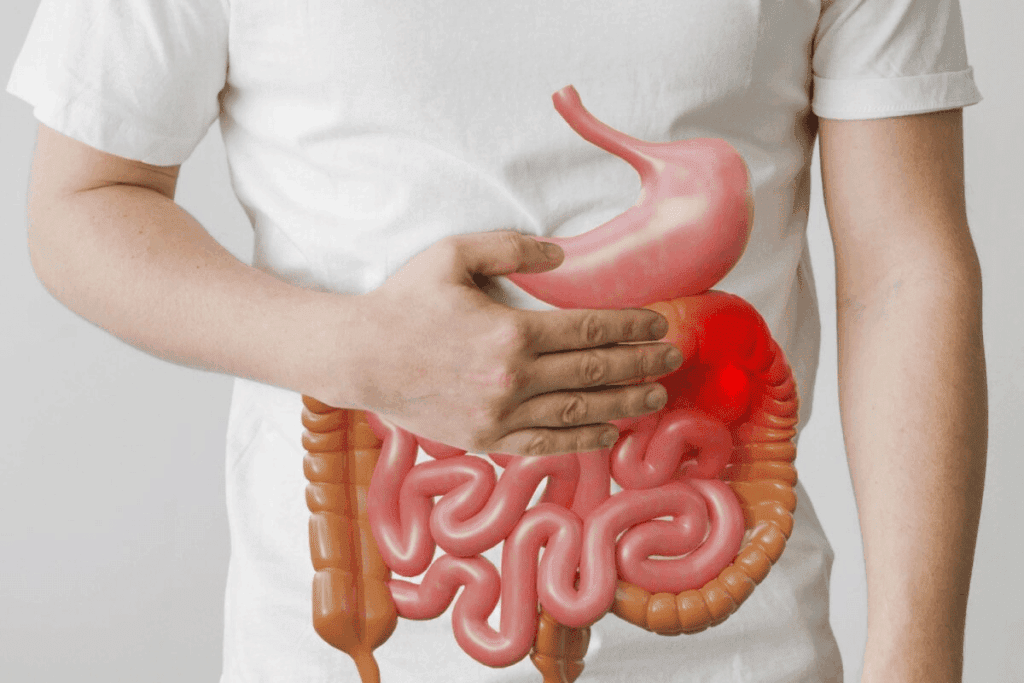
Getting ready for a colonoscopy starts a few days before your visit. What you eat two days before is key to a successful test. Eating a low-fiber diet is important. It helps clean your colon well, so doctors can find any health issues.
Stick to a low-residue diet with foods like white bread, refined grains, and lean proteins. Also, some cooked veggies are okay. These foods help the bowel preparation solution work better. This ensures your colon is clean for the test.
Key Takeaways
- Consume low-fiber, low-residue foods 2 days before colonoscopy.
- Recommended foods include white bread, refined grains, and lean proteins.
- Avoid high-fiber foods to ensure effective bowel preparation.
- Proper nutrition is critical for accurate diagnostic results.
- Follow a specific diet to ensure a successful colonoscopy.
The Critical Role of Diet in Colonoscopy Preparation

A well-planned diet is key for a good colonoscopy result. It’s not just about the procedure; what we eat before matters a lot.
Studies show that diet affects the procedure’s success. The prep diet starts 3 days before and has two phases. The goal is to clean the intestines and remove digested food, making the colon clear for a thorough check.
How Food Choices Impact Procedure Accuracy
Our food choices affect the colonoscopy’s accuracy. Eating the right foods helps keep the colon clean and free of residue. A low-fiber diet, for example, reduces waste, making it easier to see the colon’s lining.
But, foods high in fiber or hard to digest can leave residue. This can block the view and might require a second procedure. So, sticking to a carefully planned menu for colonoscopy prep is vital for the best results.
Scientific Basis for Dietary Restrictions
The diet restrictions before a colonoscopy are based on science. They aim to reduce residue in the colon, which can hide during the exam. Foods high in fiber, like some veggies, fruits, and whole grains, are often avoided because they can leave residue.
The diet changes from semi-liquid to liquid as the procedure nears. This progressive dietary adjustment is essential for a successful colonoscopy.
Consequences of Poor Preparation
Poor preparation can lead to serious issues. If the colon isn’t clean, the procedure might need to be done again. This can be a hassle and might delay getting a diagnosis or treatment.
Also, not cleaning the colon well enough can cause missed diagnoses. Polyps or other problems might be hidden by leftover material. So, following the colonoscopy preparation diet is critical for the procedure’s success and accurate results.
What to Eat Two Days Before Colonoscopy

As we get closer to your colonoscopy, picking the right foods is key. We suggest eating a low-fiber, low-residue diet to keep your colon clean. This diet helps make sure the procedure goes smoothly.
White Breads and Refined Grains
White bread and refined grains are good choices. They include white flour products like plain white bread, pasta, and some cereals. These foods are easy to digest and won’t leave much residue in your colon.
Here are some examples of foods you can eat:
- White rice
- White bread
- Plain crackers
- Refined cereals
Low-Fiber Proteins and Dairy
Low-fiber proteins and dairy are also good. You can have:
- Lean meats like chicken and fish
- Eggs
- Avoid high-fiber or fatty foods to make the procedure easier.
- Certain dairy products like plain yogurt and milk
Permitted Vegetables and Fruits
Even though it might seem limited, you can eat some vegetables and fruits. Choose those that are well-cooked and without skins or seeds. Here are some examples:
- Well-cooked vegetables without skins or seeds
- Canned fruits or fruit juice without pulp
By sticking to these foods, you can help keep your colon clean. This makes your colonoscopy more accurate and effective.
Foods to Strictly Avoid 48 Hours Before Procedure
48 hours before your colonoscopy, what you eat is very important. The wrong foods can make it hard to prepare your bowel. This might mean you have to reschedule your test.
It’s key to know which foods to avoid. Stay away from high-fiber veggies and fruits, whole grains, legumes, nuts, and foods that color your stool. These can mess up the view during the test.
High-Fiber Vegetables and Fruits
These foods are hard to digest and can stick around in your colon. This makes it tough to get clear pictures during the test. Here are some examples:
- Broccoli and other cruciferous vegetables
- Leafy greens like spinach and kale
- These can be tough because of their fiber.Fruits with skins and seeds, such as apples and berries
Whole Grains, Seeds, and Nuts
These foods are also high in fiber and hard to digest. Avoid foods like:
- Whole wheat bread and brown rice
- Seeds like chia and flax
- Nuts and nut products, such as peanut butter
Legumes and Other High-Residue Foods
Legumes and other foods with a lot of residue can cause problems. Here are some examples:
- Beans, such as black beans and kidney beans
- Lentils and other types of legumes
- These are high in fiber and hard to digest.
Colored Foods That Interfere with Visualization
Some foods can make it hard to see inside your colon. Avoid foods like:
- Red and purple foods, such as beets and certain berries
- Foods with artificial coloring
- Avoiding these foods helps ensure a clear view.
To sum up, avoid foods high in fiber, hard to digest, or that can mess up the view. Here’s a table showing these foods and their impact:
Food Category | Examples | Potential Impact |
High-Fiber Vegetables and Fruits | Broccoli, leafy greens, apples, berries | Leave residue, making it hard to get clear images |
Whole Grains, Seeds, and Nuts | Whole wheat bread, chia seeds, nuts | High in fiber, difficult to digest |
Legumes and High-Residue Foods | Beans, lentils | High in fiber, challenging to digest |
Colored Foods | Beets, certain berries, artificially colored foods | Interfere with visualization |
Complete Hydration Guide for Colonoscopy Prep
Hydration is key for colonoscopy prep. It makes the procedure smoother and more effective. Drinking enough helps clear out your system, making it easier to see the colon.
Optimal Daily Fluid Intake
Drink at least 2 liters of clear fluids each day before your colonoscopy. You can have water, coconut water, and light teas. Try different fluids to stay hydrated.
Fluid Type | Examples | Benefits |
Water | Plain water, flavored water | Hydrates the body, helps in digestion |
Clear Electrolyte Drinks | Coconut water, clear sports drinks | Replenishes electrolytes, maintains hydration |
Clear Broths | Fat-free broths, clear soups | Provides essential salts, keeps you hydrated |
Recommended Clear Liquids
Stick to clear liquids that are gentle on your stomach before a colonoscopy. Good choices include:
- Water
- Coconut water
- Light teas
- Fat-free broths
Hydration Schedule Throughout the Day
Follow a hydration schedule to stay hydrated. Drink fluids every hour while awake. This helps keep you hydrated all day.
Signs of Adequate Hydration
How do you know if you’re drinking enough? Look for these signs:
- Your urine is pale yellow or clear
- You’re not feeling thirsty
- You’re urinating regularly
By watching for these signs and following hydration tips, you’ll be ready for your colonoscopy.
Comprehensive 2-Day Meal Plan Before Colonoscopy
Getting ready for a colonoscopy means more than just the test. It’s about planning your diet for two days. This plan helps you eat the best things to eat before colonoscopy. It focuses on a white diet before colonoscopy that’s low in fiber and residue.
Day 2 Before Procedure
On the second day, you can eat a variety of low-fiber foods. For breakfast, try plain white toast with scrambled eggs or low-fiber cereal with white milk. Lunch could be grilled chicken breast with white rice. Dinner might be baked fish with mashed potatoes.
Stay away from high-fiber foods like whole grains, nuts, and raw veggies. They can mess up the test. Choose refined foods that are easy to digest instead.
Day 1 Before Procedure
The day before, you’ll start a clear liquid diet. This includes broths, clear soups, and drinks like sports drinks. You can also have plain white gelatin and clear juices, like apple or white grape.
Drink lots of fluids all day. Don’t drink anything red, purple, or orange. These colors can mess up the colonoscopy.
By sticking to this 2-day meal plan, you’ll be ready for your colonoscopy. Your digestive system will be clean, and the test will go smoothly.
Special Dietary Considerations and Modifications
Before a colonoscopy, managing your diet is key, more so if you have special needs. This includes those with diabetes, vegetarians, vegans, and those on gluten-free diets. It’s also important for those who need to take medications with food.
Diabetes Management During Prep
Diabetic patients must keep their blood sugar in check before a colonoscopy. Talk to your doctor about changing your meds and checking your blood sugar often. Eat foods that are low in fiber and easy to digest.
Good choices include plain toast, cooked eggs, and clear broths. Drinking lots of clear liquids helps your body absorb the prep solution better.
Vegetarian and Vegan Low-Residue Options
Vegetarians and vegans can stick to a low-residue diet by picking the right foods. Vegetarians can eat cooked veggies without skins, refined pasta, and white bread. Vegans should avoid animal products.
For vegans, try cooked and pureed veggies, tofu, and fruit juices without pulp. Avoid foods high in fiber like beans and most raw veggies.
Gluten-Free Colonoscopy Preparation
Those on a gluten-free diet have many options for colonoscopy prep. You can eat gluten-free bread, pasta, and cereals that are low in fiber.
Always check food labels to make sure they are gluten-free and low in fiber. Some gluten-free foods can be high in fiber, so choose wisely.
Managing Medications with Food Restrictions
Some meds need to be taken with food to work right. Talk to your doctor about how to take your meds during colonoscopy prep, if they need food.
You might need to adjust when you take your meds or take them with a small amount of clear liquid. Always follow your doctor’s advice to keep your meds on track.
Practical Tips for Successful Dietary Compliance
Getting ready for a colonoscopy is more than just knowing the procedure. It’s about sticking to certain dietary rules. We’ll share tips on how to prepare your kitchen, handle eating out, and read food labels. We’ll also talk about the importance of timing your meals with the bowel prep solution.
Kitchen Preparation Strategies
Getting your kitchen ready is essential for a stress-free colonoscopy prep. Start by cooking meals in advance, focusing on low-fiber, easy-to-digest foods. Make a batch of plain chicken, white rice, or scrambled eggs for quick reheats.
- Prepare individual portions to avoid last-minute cooking.
- Use clear containers to store food, making it easier to identify what’s inside.
- Keep a list of your prepared meals on the fridge for quick reference.
Dining Out Challenges During Prep
Eating out during colonoscopy prep can be tough due to strict diet rules. When eating out, choose simple dishes like grilled chicken or fish with plain rice or noodles. Stay away from restaurants with high-fiber or heavily seasoned foods.
- Call ahead to ask about menu options that fit your dietary needs.
- Opt for clear soups or broth-based meals.
- Be prepared to explain your dietary restrictions to your server.
Reading Food Labels for Hidden Ingredients
Checking food labels carefully is key during colonoscopy prep. Look for hidden high-fiber ingredients like nuts, seeds, or dried fruits. Also, watch out for foods with artificial colors that might affect the procedure.
- Look for certification labels that indicate low-fiber or clear liquid products.
- Be cautious of foods with long ingredient lists, as they may contain restricted items.
- Choose products with simple, recognizable ingredients.
Timing Meals Around Bowel Prep Solution
Timing your meals with the bowel prep solution is important for a successful colonoscopy. Generally, you’ll be advised to stop eating solid foods at a certain time before the procedure and switch to clear liquids. Always follow your healthcare provider’s instructions.
Time Before Colonoscopy | Recommended Food/Drink |
48 hours | Low-fiber foods |
24 hours | Clear liquids |
12 hours | NPO (Nothing by mouth) |
By following these tips, you can ensure a successful dietary compliance during your colonoscopy prep. Remember, the key is to be prepared, stay informed, and follow your healthcare provider’s instructions.
Common Dietary Mistakes That Compromise Colonoscopy Results
Dietary mistakes can affect the results of a colonoscopy. A colonoscopy is key for finding colon cancer and other issues. Proper prep is essential for its success.
We’ll talk about common diet errors that can mess up colonoscopy results. We’ll also give tips on how to avoid them. Knowing these mistakes helps ensure a good procedure.
Misinterpreting “Low-Fiber” Guidelines
Many people misunderstand what a “low-fiber” diet means. They think just cutting down on fiber is enough. But, it’s important to know which foods are low in fiber and how to eat them.
For example, avoiding high-fiber foods like beans and cabbage is good. But, be careful with foods that seem harmless but can cause problems. White bread, pasta, and some fruits like bananas are okay. But, watch out for foods with hidden fiber or seeds.
Overlooking Liquid Restrictions
Ignoring liquid restrictions is another big mistake. Staying hydrated is important, but not all liquids are okay for prep. Red and purple liquids can mess up the procedure because they might look like blood.
Stick to clear liquids like broth, water, and some electrolyte-rich drinks. Avoid red or purple liquids and anything with pulp or sediment.
Poor Timing of Last Solid Foods
When you eat your last solid food before a colonoscopy matters a lot. Eating too close to the procedure can make the colon not clean enough. This can mess up the results.
Follow your doctor’s advice on when to stop eating solid foods. Usually, it’s 24 hours before, but it can change based on your situation.
Inadequate Hydration During Preparation
Not drinking enough water is a common mistake. Drinking enough water is key for the bowel prep solution to work well.
Drink lots of clear liquids all day. Using electrolyte-rich drinks can help keep your electrolytes balanced. Here’s a hydration schedule you can follow:
Time | Liquid Intake |
8:00 AM | 1 liter of clear liquid |
12:00 PM | 1 liter of electrolyte-rich beverage |
4:00 PM | 1 liter of clear liquid |
Avoiding these diet mistakes can help make your colonoscopy a success. Always follow your doctor’s advice and ask if you have any questions.
Conclusion: Ensuring Colonoscopy Success Through Proper Nutrition
Proper nutrition is key for a successful colonoscopy. By following the dietary guidelines in this guide, you can get accurate results. It’s important to know what to eat 2 days before your colonoscopy.
Eat low-fiber foods like white bread and refined grains. These help keep your colon clean. Also, choose low-fiber proteins to avoid residue.
Knowing what to eat before your colonoscopy is also important. Avoid foods high in fiber and color. These can make it hard to see during the procedure.
For example, don’t eat chips. Instead, go for plain crackers. They are low in fiber and won’t cause problems.
By following these dietary guidelines and staying hydrated, you can have a successful colonoscopy. We’ve given you a detailed guide to prepare. Follow it to get accurate results.
FAQ
What are the best things to eat before a colonoscopy?
Two days before, eat foods low in residue and fiber. Think white bread, refined grains, lean proteins, and cooked veggies without skins or seeds.
What foods should I avoid 48 hours before a colonoscopy?
Stay away from high-fiber veggies and fruits, whole grains, legumes, nuts, and foods that color your stool. These can make it hard to see inside during the procedure.
How much fluid should I drink during colonoscopy preparation?
Drink at least 2 liters of clear fluids each day. This includes water, coconut water, and light teas. It’s key for staying hydrated.
Can I eat chips before a colonoscopy?
No, avoid chips and other high-fiber foods 48 hours before. This helps keep your colon clean and clear for the procedure.
What can I eat for breakfast two days before a colonoscopy?
Opt for low-fiber breakfasts like white toast, refined cereals, or eggs. They’re good choices for your meal plan.
How do I manage diabetes during colonoscopy prep?
Talk to your healthcare provider about managing diabetes during prep. You might need to adjust your meds or diet.
What are some low-residue options for vegetarians and vegans?
Vegetarians and vegans can eat low-fiber proteins like tofu. Also, choose cooked veggies without skins or seeds for your prep diet.
How do I read food labels for hidden ingredients during colonoscopy prep?
Check labels for high-fiber ingredients, seeds, or nuts. Pick products with simple, low-fiber ingredients to follow your diet.
What are the signs of adequate hydration during colonoscopy prep?
Watch your urine’s color and output. If it’s pale yellow or clear, you’re hydrated. Look out for dehydration signs like dizziness or headaches.
Can I eat gluten-free foods before a colonoscopy?
Yes, gluten-free foods are okay. Just make sure they’re low in fiber and residue. Choose gluten-free bread, refined grains, and lean proteins for your prep diet.
References
National Center for Biotechnology Information. Colonoscopy Prep: Diet Two Days Before Procedure. Retrieved from https://www.ncbi.nlm.nih.gov/pmc/articles/PMC4805732/