
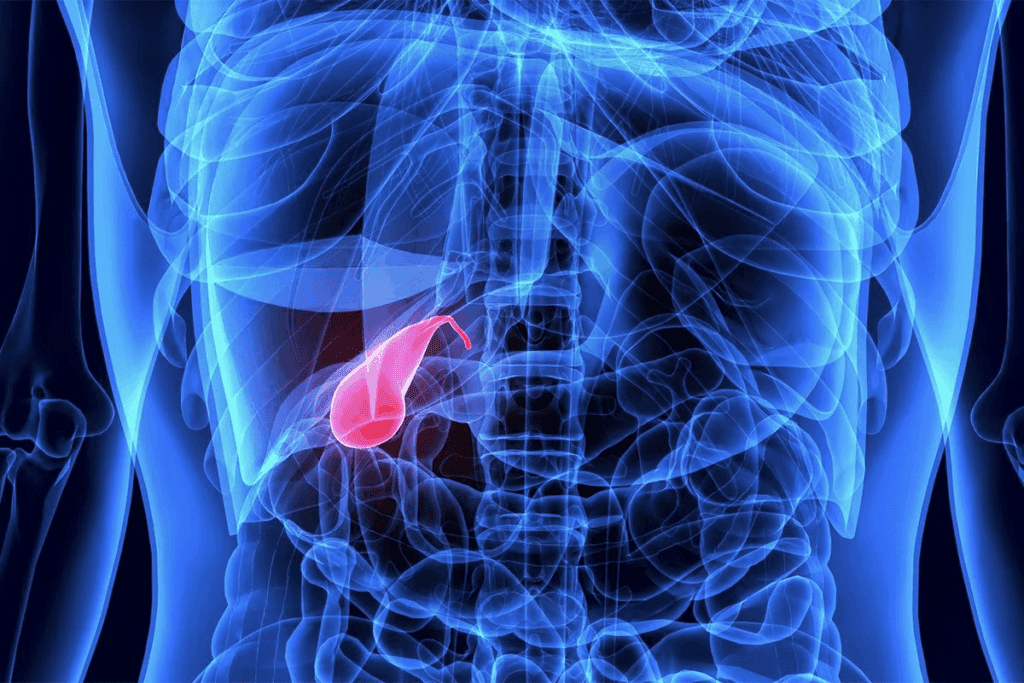
Nearly 700,000 people in the United States have gallbladder surgery each year. This is called cholecystectomy. It’s often done laparoscopically, with small cuts and a camera to guide it. Knowing about the surgery and surgical risks is very important.
Being well-informed is key when getting ready for surgery. Knowing what to expect can lower anxiety. It also helps patients make better choices about their care. In this article, we’ll cover the key things you need to know before gallbladder surgery. This will help you prepare for the procedure and recovery.
Essential advice on What to Know Before Gallbladder Surgery, covering diet and post-op life changes.
Key Takeaways
- Understanding the laparoscopic procedure used in gallbladder surgery
- Recognizing the possible surgical risks and complications
- The importance of pre-surgery preparation for a smooth recovery
- What to expect during the recovery process
- Tips for minimizing surgical risks
Understanding Your Gallbladder and Why Surgery May Be Necessary
The gallbladder is key to your digestive health. Surgery might be needed under certain conditions. First, we need to understand the gallbladder’s role in digestion.
The Function of Your Gallbladder in Digestive Health
The gallbladder is a small, pear-shaped organ under the liver. It stores and releases bile, a liver fluid that helps digest fats. Bile breaks down fats into smaller pieces for the body to absorb.
Without a working gallbladder, bile flow to the intestine can be blocked. This can cause digestive problems.
Common Conditions Leading to Gallbladder Removal
Several conditions may require gallbladder removal. These include:
- Gallstones: Hard deposits in the gallbladder that cause pain and block bile flow.
- Cholecystitis: Inflammation of the gallbladder, often from gallstones, leading to severe pain and serious complications if untreated.
- Biliary Dyskinesia: A condition where the gallbladder doesn’t work right, causing chronic pain and digestive problems.
How Doctors Determine When Surgery Is Necessary
Doctors look at several factors to decide if surgery is needed. They consider symptom severity, complications, and how gallbladder issues affect a patient’s life. Tests like ultrasound, CT scans, and ERCP help check the gallbladder and bile ducts.
Knowing why gallbladder surgery is needed helps patients prepare. It also prepares them for changes after the surgery.
Types of Gallbladder Surgery Procedures
It’s important to know about the different gallbladder surgery types. Your choice depends on your condition, health, and what you prefer.
Laparoscopic Cholecystectomy: The Standard Approach
Laparoscopic cholecystectomy is a minimally invasive surgery. It removes the gallbladder through small abdominal incisions. A laparoscope shows the surgeon what to do.
This method is popular for its quick recovery and less pain. But, it’s key to understand the procedure and its surgical risks.
Open Cholecystectomy: When It’s Necessary
Open cholecystectomy uses a bigger incision. It’s for cases where laparoscopic surgery can’t be done.
This method takes longer to recover and hurts more. But, it’s needed for complex cases. Understanding the procedure and talking to your surgeon about risks is important.
Single-Incision Laparoscopic Surgery: Newer Options
Single-incision laparoscopic surgery makes just one incision at the navel. It might leave less scar and heal faster.
But, it needs special skills and tools. You should talk to your surgeon about its benefits and surgical risks.
Robotic-Assisted Surgery Considerations
Robotic-assisted surgery uses robotic technology. It helps the surgeon be more precise and skilled.
This method might lead to less recovery time and pain. But, you should discuss anesthesia information and other details with your team.
| Surgical Approach | Incision Size and Number | Recovery Time | Potential Complications |
| Laparoscopic Cholecystectomy | Several small incisions | Typically shorter | Infection, bleeding, bile duct injury |
| Open Cholecystectomy | One larger incision | Typically longer | Infection, bleeding, adhesions |
| Single-Incision Laparoscopic Surgery | One small incision | Potentially shorter | Infection, bleeding, umbilical hernia |
| Robotic-Assisted Surgery | Several small incisions | Varies | Infection, bleeding, robotic system failure |
What to Know Before Gallbladder Surgery: A Comprehensive Checklist
Getting ready for gallbladder surgery? A detailed checklist can help you feel prepared. This guide will walk you through the key steps and info you need before surgery.
Essential Medical Evaluations and Tests
Your healthcare team will do several tests before surgery. These tests check if you’re ready for the procedure. You might have:
- Blood tests to check your health and find any issues
- Imaging tests like ultrasound or CT scans to look at your gallbladder
- Electrocardiogram (ECG) to check your heart
- Other tests based on your health history
It’s important to follow your doctor’s instructions for these tests and any prep work.
| Test/Evaluation | Purpose | Preparation Needed |
| Blood Tests | Check overall health and detect any issues | May require fasting; follow doctor’s instructions |
| Imaging Tests (Ultrasound, CT Scan) | Assess gallbladder and surrounding areas | May require fasting or contrast dye; follow doctor’s instructions |
| Electrocardiogram (ECG) | Evaluate heart function | None typically required |
Documentation and Insurance Verification Steps
Make sure your insurance covers the surgery and have all your documents ready. This includes:
- Verifying your insurance coverage and understanding your costs
- Gathering documents like insurance cards, ID, and medical records
- Completing any needed pre-authorization forms
Understanding your insurance plan’s coverage and any limits is also important.
Personal Preparation Timeline
Creating a timeline for personal prep can reduce stress and ensure you’re ready. This includes:
- Arranging for someone to drive you home after surgery
- Preparing meals in advance that are easy to eat during recovery
- Setting up a comfortable recovery area at home
Items to Bring to the Hospital
Knowing what to bring to the hospital can make your stay smoother. Essential items include:
- Insurance cards and identification
- Comfortable clothes for your stay and going home
- Any needed medications and their documentation
- A list of emergency contact numbers
Also, check with your hospital for any specific items they recommend or advise against.
By following this checklist, you’ll be well-prepared for your gallbladder surgery and set up for a successful recovery.
Choosing the Right Surgical Team
Choosing the right team for your gallbladder surgery is key. Your surgeon and their team are vital for your surgery’s success and your care. They help a lot with your recovery too.
Qualifications and Specializations to Look For
It’s important to check your surgeon’s qualifications and specializations. Look for a surgeon who is board-certified and has lots of experience with gallbladder surgeries. Specialization in gastrointestinal surgery or a related field is a big plus.
Also, check the qualifications of the anesthesiologist and other support staff. Their skills can greatly affect your comfort and safety during the surgery.
Critical Questions I Wish I’d Asked My Surgeon
Having a list of questions for your surgeon is helpful. It helps you understand your surgery better. Here are some key questions to ask:
- What is your experience with laparoscopic and open cholecystectomy procedures?
- What are the possible risks and complications of my surgery?
- How will you manage my pain during and after the surgery?
- What is the usual recovery time, and what kind of support can I expect?
Researching Hospital Quality and Surgical Outcomes
The hospital where you have surgery also matters. Look into the hospital’s reputation, infection rates, and patient satisfaction scores. Choose hospitals with high standards of care and positive patient reviews.
Knowing the hospital’s emergency protocols and overall quality of care can also give you peace of mind.
The Value of Second Opinions
Getting a second opinion can offer new insights into your condition and treatment options. It can also boost your confidence in your surgery choice. Don’t hesitate to seek another opinion if you have doubts.
A second opinion might show you alternative treatments or approaches. This could improve your outcome.
Preoperative Instructions You Shouldn’t Ignore
Getting ready for gallbladder surgery is more than just the surgery itself. It’s about following important preoperative instructions. These steps can greatly affect your surgery and recovery. Here, we’ll cover the key instructions to make your surgery and recovery smooth and successful.
Dietary Restrictions in the Days Before Surgery
In the days before your surgery, your diet is very important. Avoid fatty or greasy foods because they’re hard to digest and can cause discomfort. Instead, eat a balanced diet with whole grains, lean protein, fruits, and vegetables. This keeps you healthy and prepares your body for surgery. Also, don’t drink alcohol for at least 24 hours before surgery because it can affect your anesthesia and surgery.
Managing Prescription and Over-the-Counter Medications
It’s key to manage your medications before surgery. Tell your surgeon about all your medications, including prescription drugs, over-the-counter drugs, and supplements. Some medications, like blood thinners, might need to be adjusted or stopped before surgery. Your healthcare team will guide you on how to manage your medications safely.
Fasting Requirements: Timing and Importance
Fasting before surgery is a critical step for your safety. Your healthcare provider will tell you when to start fasting, usually 8 to 12 hours before surgery. It’s important to follow these instructions to avoid any complications.
Preparing Your Skin for Surgery
To prepare your skin for surgery, keep it clean and irritation-free. On the day before or the morning of your surgery, use an antibacterial soap for bathing. Don’t apply lotions, creams, or deodorants after bathing, as they can interfere with the surgical site preparation.
By following these preoperative instructions, you can help ensure a successful surgery and a smoother recovery. If you have any questions or concerns, always reach out to your healthcare provider for help.
Understanding Anesthesia for Gallbladder Surgery
Anesthesia is key in gallbladder surgery. It makes sure patients are comfortable and pain-free during the procedure.
Types of Anesthesia Used and What to Expect
General anesthesia is usually used for gallbladder surgery. It puts the patient to sleep and manages their breathing. This is important for both laparoscopic and open cholecystectomy procedures.
We’ll talk about how general anesthesia is given and watched over during surgery.
Potential Side Effects and Recovery Process
Anesthesia is safe but can have side effects. Common ones include:
- Nausea and vomiting
- Sore throat
- Dizziness or confusion
- Shivering or feeling cold
Recovery from anesthesia is usually quick. But it can depend on your age and health.
| Side Effect | Frequency | Management |
| Nausea and vomiting | Common | Anti-nausea medication |
| Sore throat | Common | Throat lozenges, rest |
| Dizziness or confusion | Less common | Rest, hydration |
Important Medical History to Share with Your Anesthesiologist
Telling your anesthesiologist about your medical history is important. This includes:
- Previous reactions to anesthesia
- Existing medical conditions (e.g., heart disease, diabetes)
- Medications you’re currently taking
- Any allergies you have
Sharing this info helps your anesthesiologist create a safe anesthesia plan for you.
“The anesthesiologist plays a critical role in ensuring patient safety and comfort during surgery. By understanding your medical history and current health status, they can make informed decisions about your anesthesia care.”
An Anesthesiologist
Post-Anesthesia Recovery Experience
After surgery, you’ll go to the recovery room. There, nurses will watch over you as you wake up. They’ll also help with any pain or discomfort.
We’ll explain what to expect and give tips for a smooth recovery.
Potential Risks and Complications I Wish I’d Been Better Prepared For
Knowing the risks of gallbladder surgery helps patients recover better. Every surgery has risks, and knowing them is key.
Common Surgical Risks with Gallbladder Removal
Gallbladder surgery has risks like bleeding, infection, and injury to surrounding organs. These risks come from the surgery itself. But, with the right care, they can be managed.
“The risk of complications during gallbladder surgery is a concern for many patients,” says a renowned surgeon. “But, with the right preparation and care, these risks can be significantly minimized.”
Gallbladder-Specific Complications
One risk of gallbladder surgery is injury to the bile duct. This can cause bile leaks or narrow the bile duct. It’s important to know about these risks and talk to your surgeon.
Understanding Your Personal Risk Factors
It’s vital to know your personal risk factors before surgery. Things like age, health, and past medical conditions can affect risks. Talking to your healthcare provider can help identify and manage these risks.
Signs of Complications to Watch For
After surgery, watch for signs of complications. Look out for severe abdominal pain, fever, or jaundice. If you see these, get medical help right away to avoid more problems.
By knowing the risks and complications, patients can take charge of their recovery. This ensures the best outcome.
Preparing Your Home for a Smoother Recovery
Getting your home ready for recovery is key to a comfortable healing time after surgery. A tidy recovery space can greatly improve your well-being during this period.
Setting Up an Effective Recovery Space
Having a special area for recovery in your home can make resting easier and cut down on unnecessary movement. Think about setting up a quiet, cozy spot with:
- A supportive bed or couch
- Easy access to essentials like water, medications, and a phone
- A nearby bathroom or a convenient alternative
- Minimal clutter to reduce stress and facilitate cleaning
Essential Supplies and Equipment Checklist
Having the right supplies can greatly improve your recovery. Make sure to have:
- Comfortable clothing, such as loose-fitting robes and slippers
- Pillows and blankets for added comfort
- Prescribed medications and any necessary documentation
- Entertainment materials like books, magazines, or a tablet
- A water bottle and snacks within easy reach
Arranging for Assistance and Support
Having a support system is essential for a smooth recovery. We suggest:
- A friend or family member to stay with you for a few days post-surgery
- Professional nursing care if needed
- Help with household chores and errands
- Transportation to follow-up appointments
Having a support system can greatly improve your recovery expectations. They provide emotional support and practical help.
Meal Preparation Strategies
Planning your meals ahead can reduce stress and ensure you get the nutrition you need. Consider:
- Preparing and freezing meals before surgery
- Stocking up on easy-to-digest foods like soups and broths
- Using a meal delivery service or asking a friend for help
- Following a low-fat diet for several weeks post-surgery to aid in digestion
By preparing your home and support system, you can focus on healing. Enjoy a smoother post-surgery care experience.
Hospital Stay Expectations and Reality
It’s important to know what to expect when you’re in the hospital for gallbladder surgery. The time you spend there and the care you get can change based on your surgery type.
Typical Duration for Different Procedures
The time you stay in the hospital depends on your surgery type. If you have laparoscopic surgery, you might go home the same day. This is because it’s less invasive and you recover faster. On the other hand, open surgery usually means a longer stay, often 2 to 4 days. This is because it’s more invasive and you need more time to recover.
The Day of Surgery: Step-by-Step Experience
On surgery day, you’ll follow a set process for your safety and comfort. First, you’ll get ready by changing into a gown and getting an IV for meds and fluids. Then, the surgical team will take you to the operating room. There, you’ll get anesthesia to stay comfortable during the surgery.
After the surgery, you’ll go to the recovery room. Medical staff will watch over you as you wake up from the anesthesia.
Hospital Routines and Care Protocols
While in the hospital, a team of healthcare professionals will take care of you. They’ll check your vital signs, manage your pain, and help with basic needs. The nurses will also teach you about caring for yourself after surgery, like wound care and what to eat.
The Discharge Process and Instructions
Before you leave, your healthcare team will give you detailed instructions for home care. This includes managing pain, what to eat, and when to seek help. It’s key to understand these instructions well and ask questions if you’re not sure. Having someone to drive you home and help you initially is also important.
Pain Management Strategies That Actually Work
Learning how to handle pain after gallbladder removal can make your recovery better. Good pain management is key to healing well. It helps you feel better and get back to normal faster.
Typical Pain Patterns After Gallbladder Surgery
Patients often feel different types of pain after gallbladder surgery. At first, pain comes from the cuts and how your body reacts to surgery. Common pains are sharp at the cut site, under the right rib, and in the belly. These pains usually get better as you heal.
Prescribed Medications: Usage and Side Effects
Doctors give pain meds, like opioids or non-opioid drugs, to help manage pain. It’s important to take the right amount and watch for side effects, like nausea or dizziness. We’ll talk about why sticking to your meds is key and how to watch for bad reactions.
- Take pain meds as your doctor says.
- Know the side effects and tell your doctor if you notice them.
- Don’t take more than you’re supposed to.
Effective Non-Pharmaceutical Pain Relief Methods
There are also ways to ease pain without meds. These include:
- Using heat or cold packs on the sore spot.
- Doing gentle stretches or relaxation exercises.
- Keeping a comfy position, like raising your head or bending your knees.
Relaxation methods, like deep breathing or meditation, can also help by reducing stress and pain.
When to Contact Your Doctor About Concerning Pain
Some pain is normal after surgery, but there are times to call your doctor. If your pain is very bad, doesn’t get better with meds, gets worse, or comes with fever or vomiting, get help. Your doctor can check you out and help you manage your pain.
By knowing about common pains, using meds right, trying non-med ways to ease pain, and knowing when to see your doctor, you can handle your pain well. This will make your recovery better.
Dietary Changes After Gallbladder Removal
Knowing what to eat after gallbladder surgery is key for a good recovery. Without a gallbladder, we need to change how we eat to handle symptoms better.
Immediate Post-Surgery Diet Recommendations
Right after surgery, eat a low-fat diet to make digestion easier. Start with clear liquids, then add bland foods like crackers, toast, and plain rice.
Transitioning to Normal Eating: Timeline and Tips
As you get better, you can add more foods to your diet. Slowly introduce fatty foods. Keeping a food diary helps track which foods upset your stomach, so you can make the right changes.
Foods That Commonly Cause Discomfort
Some foods might bother you more after gallbladder surgery. These include:
- High-fat foods
- Spicy dishes
- Caffeine
- Gas-producing vegetables like broccoli and cabbage
Knowing these foods can help reduce postoperative discomfort.
Helpful Digestive Supplements and When to Use Them
Some supplements can help with digestion. Bile salts help digest fats, and probiotics keep your gut healthy. Always talk to a doctor before taking new supplements to make sure they’re right for you.
Physical Activity and Return to Normal Life
After gallbladder surgery, it’s key to find a balance between rest and activity. This balance aids in healing and lowers the chance of complications. Knowing the right amount of physical activity and when to return to normal life is vital.
Activity Restrictions and Recovery Timelines
Right after surgery, avoid heavy lifting and hard activities for weeks. The exact time depends on the surgery type and how fast you recover. Usually, you can start doing normal things as your body gets better.
- Avoid heavy lifting (more than 10 pounds) for at least 4-6 weeks.
- Stay away from hard exercises, like running or weightlifting, for 4-6 weeks.
- Slowly add more activities as you feel better and pain lessens.
Safe Exercises to Promote Healing
Doing safe exercises can help your body heal and improve recovery. Walking is a good choice in the early stages after surgery.
Some safe exercises include:
- Walking: Start with short walks and then walk further.
- Breathing exercises: Deep breathing can boost lung function and overall health.
- Stretching: Gentle stretching keeps your muscles flexible.
Returning to Work: Timing and Accommodations
When to go back to work varies based on your job and how you’re recovering. Always talk to your doctor about your work return plan.
Think about this:
- If your job is hard or involves lifting, you might need more time off.
- For desk jobs, you might go back sooner, but don’t push yourself too hard.
- Talk to your employer about any work changes you might need.
Driving, Travel, and Other Daily Activities
Starting to do daily things like driving and traveling should be done carefully. Make sure you’re not in pain or discomfort that could make driving risky.
For travel, keep these tips in mind:
- Avoid long trips early in your recovery.
- Take breaks to stretch and move around during travel.
- Check with your doctor before planning big trips.
Follow-Up Care and Long-Term Considerations
Getting the right follow-up care is key to watching your recovery and keeping your health in check after gallbladder surgery. We know the post-op period can be tough. Knowing what to expect is very important.
Post-Operative Appointment Schedule
Seeing your surgeon for follow-ups is a must to track your healing. Usually, the first check-up is within a week or two after surgery.
- Initial Follow-Up: Usually within 7-14 days post-surgery.
- Subsequent Visits: Your surgeon will tell you when to come back, often in 4-6 weeks.
Wound Care and Incision Healing
Looking after your wound is key to avoid infections and help it heal right. Make sure to keep the incision area clean and dry.
| Wound Care Tips | Benefits |
| Keep the incision site clean | Reduces risk of infection |
| Avoid submerging in water | Prevents bacterial contamination |
| Follow surgeon’s instructions | Ensures proper healing |
Long-Term Digestive Changes to Expect
After your gallbladder is removed, you might notice changes in how you digest food. It’s a good idea to pay attention to your diet and any symptoms you might have.
- Dietary Adjustments: Slowly add foods back into your diet to see what bothers you.
- Digestive Supplements: If your doctor suggests them, they might help.
Monitoring Your Health Without a Gallbladder
It’s important to notice any changes in your body and talk to your doctor if something doesn’t feel right. Regular visits can help manage any long-term effects.
- Watch for Symptoms: Like constant diarrhea or fatty stools.
- Healthy Lifestyle: Eat well and stay active.
Understanding the importance of follow-up care and taking care of your health can make the post-surgery period easier. We’re here to support you every step of the way.
Emotional and Psychological Aspects Nobody Mentioned
Understanding the emotional and psychological aspects of gallbladder surgery can make your experience better. While we often talk about the physical parts, the emotional journey is just as important.
Managing Pre-Surgery Anxiety Effectively
Many people feel anxious before surgery. Pre-surgery anxiety comes from fears about the surgery, recovery, or possible problems. Talking to your surgeon about your worries can really help.
They can tell you what to expect, easing your unknowns. Building a support system is also key. Having family or friends to support you can make a big difference. Also, thinking about counseling or therapy can give you ways to handle your anxiety.
Dealing with Post-Surgical Blues and Mood Changes
After surgery, some people feel the “post-surgical blues.” This can show as mood swings, irritability, or sadness. These feelings come from the surgery’s physical stress, pain, or anesthesia’s effects. Knowing these feelings are common and temporary can help you cope.
Talking openly with your healthcare team and support system is important. They can offer advice and reassurance, helping you through these emotional changes. Using relaxation techniques, like deep breathing or meditation, can also help stabilize your mood.
The Emotional Impact of Dietary Restrictions
After gallbladder surgery, you might need to change your diet, which can affect you emotionally. Adjusting to a new diet can be tough, leading to frustration or feeling deprived. It’s important to see these changes as positive for your health.
Trying new recipes and meal ideas can make the transition more fun. Getting help from a nutritionist or dietitian can also guide you to make healthy choices, easing the emotional burden of dietary changes.
Building a Support System for Emotional Well-Being
A robust support system is key for emotional well-being during recovery. This can include family, friends, or support groups. Sharing your experiences and challenges with others who get it can be very comforting and helpful.
Don’t be afraid to ask for help when you need it. Whether it’s help with daily tasks or emotional support, having a reliable network can greatly improve your recovery. Using technology, like video calls or messaging apps, can also help you stay connected with your support system.
Conclusion: Living Well After Gallbladder Surgery
Gallbladder surgery needs careful planning and knowing what to expect during recovery. Most people can get back to normal in a few weeks. But, it might take up to six weeks to fully heal. Knowing what to expect can really help your recovery.
Making lifestyle changes is key to getting better. Knowing what foods to eat and being ready for long-term care can help a lot. By being proactive, you can avoid problems and make the transition smoother.
It’s important to stay informed and follow your doctor’s advice. Prioritize your health as you go through this. With the right attitude and support, you can manage your recovery well and enjoy a good quality of life after surgery.
FAQ
What is the role of the gallbladder in digestive health?
The gallbladder stores bile from the liver. It releases bile into the small intestine to help digest fats. Though not essential, it aids in digestion.
What are the common conditions that lead to gallbladder removal?
Gallstones, cholecystitis, and biliary dyskinesia often require gallbladder removal.
What are the different types of gallbladder surgery procedures?
There are laparoscopic cholecystectomy, open cholecystectomy, single-incision laparoscopic surgery, and robotic-assisted surgery. Each has its own benefits and considerations.
How do I prepare for gallbladder surgery?
You’ll need medical evaluations and insurance checks. Follow preoperative instructions, like dietary restrictions and managing medications.
What should I expect during the hospital stay for gallbladder surgery?
Your stay will last from hours to days, depending on the surgery. You’ll undergo surgery, be monitored, and get discharge instructions.
How is pain managed after gallbladder surgery?
Pain management includes prescribed meds, rest, and ice. Follow your doctor’s pain relief instructions.
What dietary changes can I expect after gallbladder removal?
You’ll start with a liquid or soft food diet. Then, you can gradually eat normally. Some may need to avoid certain foods.
When can I resume physical activity after gallbladder surgery?
You can start with gentle exercises and increase intensity over time. Activity restrictions vary.
What are the possible risks and complications of gallbladder surgery?
Risks include common surgical complications and bile duct injury. Personal risk factors also play a role. It’s important to understand these risks.
How do I manage emotional and psychological aspects after gallbladder surgery?
Manage anxiety before surgery and mood changes after. Building a support system is key for emotional well-being.
What follow-up care is necessary after gallbladder surgery?
You’ll need post-operative appointments, wound care, and monitoring of digestive changes. Overall health is also important.
How do I choose the right surgical team for my gallbladder surgery?
Look for a surgeon with the right qualifications and experience. Ask questions and consider second opinions.
What are the benefits of laparoscopic cholecystectomy compared to open cholecystectomy?
Laparoscopic cholecystectomy has less pain, quicker recovery, and smaller scars. It’s often preferred over open cholecystectomy.
Can I drive or travel after gallbladder surgery?
Driving and travel restrictions vary. Avoid driving until you’re off narcotic pain meds. Discuss travel plans with your doctor.
Are there any long-term digestive changes after gallbladder removal?
Some may experience bowel movement or fat digestion changes. Monitoring your diet and health can help manage these changes.
References
JAMA Network. Evidence-Based Medical Insight. Retrieved from https://jamanetwork.com/journals/jamasurgery/fullarticle/391852