

Anemia and leukemia are two different health issues that affect the blood. Anemia means not having enough healthy red blood cells. On the other hand, leukemia is a blood cancer that stops the bone marrow from making normal blood cells. Many people wonder if anemia can turn into leukemia. But, current science shows that anemia can’t cause leukemia. Yet, it’s common for both to happen together because leukemia can make the bone marrow not work right, leading to anemia.
It’s important to know how these conditions are related. This knowledge helps both patients and doctors. We will look into the differences between anemia and leukemia and what happens when they both occur.
Key Takeaways
- Anemia and leukemia are distinct conditions affecting the blood.
- Leukemia can cause anemia by impairing the bone marrow.
- Anemia cannot cause leukemia according to current evidence.
- Both conditions can co-occur and require a thorough medical check-up.
- Understanding the connection between anemia and leukemia is key for correct diagnosis and treatment.
The Relationship Between Anemia and Leukemia
Anemia and leukemia are connected in important ways. It’s key for patients and doctors to understand this. We need to know what each condition is and how they relate.
Defining Both Conditions
Anemia is when you don’t have enough red blood cells. This means your body can’t get enough oxygen. Symptoms include feeling tired, weak, and short of breath. Leukemia is a cancer that affects the blood and bone marrow. It’s caused by too many abnormal white blood cells.
Understanding what anemia and leukemia are is crucial, as anemia may indicate an underlying issue such as leukemia.
Common Misconceptions
Many think anemia means you have cancer, like leukemia. But anemia can be caused by many things, not just cancer. It can be from iron deficiency, chronic diseases, or inherited blood disorders.
Some believe anemia can lead to leukemia. While anemia might raise cancer risk, the link to leukemia is not fully understood.
How These Conditions Can Coexist
Research shows many with acute leukemia also have anemia. Over 70% of these patients have anemia. This shows a strong connection between the two.
Anemia and leukemia often happen together. Leukemia cells in the bone marrow can stop normal blood cell production. This leads to anemia.
|
Condition |
Characteristics |
Potential Link to Leukemia |
|---|---|---|
|
Anemia |
Low red blood cell count or quality |
Can be a symptom or complication |
|
Leukemia |
Cancer of the blood and bone marrow |
Can cause anemia due to bone marrow infiltration |
Understanding anemia and leukemia helps patients and doctors. It makes dealing with these conditions easier.
Understanding Anemia: Causes and Types
Anemia has many causes, from not getting enough nutrients to chronic diseases. It’s not just one condition but a sign of many health problems. Knowing the different types of anemia helps doctors diagnose and treat it better.
Iron Deficiency Anemia
Iron deficiency anemia is the most common type worldwide. It happens when the body doesn’t have enough iron to make hemoglobin. Common reasons include not eating enough iron, losing blood too much, and needing more iron during pregnancy. Symptoms can be helped by changing what you eat and taking iron supplements.
Vitamin B12 Deficiency Anemia
Vitamin B12 is key for making red blood cells. Without enough, you can get anemia with big, odd red blood cells. Causes include not getting enough B12 in your diet, not absorbing it well because of diseases like celiac, and some medicines. Treatment usually means getting B12 shots or taking it by mouth.
Chronic Disease Anemia
Chronic diseases like rheumatoid arthritis, cancer, and HIV/AIDS can cause anemia. This happens because the body’s fight against illness messes with iron use and red blood cell making. Fixing the underlying illness is the best way to treat anemia.
Inherited Blood Disorders
Inherited blood disorders, like thalassemia and sickle cell anemia, can also cause anemia. These are genetic problems with hemoglobin or red blood cells. These conditions need lifelong care, including blood transfusions and other treatments.
In summary, anemia is complex with many causes and types. Knowing about these differences is vital for doctors to give the right care. By tackling the root cause, anemia can be managed, and life quality can improve.
Understanding Leukemia: Development and Progression
Leukemia is when abnormal white blood cells grow too much. This messes up how blood cells are made. It can cause problems like anemia, infections, and bleeding issues. Knowing how leukemia starts and grows is key to finding and treating it.
Acute vs. Chronic Leukemia
Leukemia is split into two types: acute and chronic. Acute leukemia makes immature blood cells grow fast, leading to quick health decline if not treated. Chronic leukemia grows slower, giving more time before symptoms get bad.
- Acute Lymphoblastic Leukemia (ALL) is common in kids and affects lymphoid cells.
- Acute Myeloid Leukemia (AML) is more common in adults and affects myeloid cells.
- Chronic Lymphocytic Leukemia (CLL) and Chronic Myeloid Leukemia (CML) are adult diseases, with CLL affecting lymphoid cells and CML affecting myeloid cells.
Genetic Mutations in Blood-Forming Cells
Genetic changes are key in leukemia. These changes make cells grow out of control and form tumors. The exact reasons for these changes are not always known but can be influenced by genes and environment.
Some genetic syndromes, like Down syndrome, raise leukemia risk. Radiation and certain chemicals also increase this risk.
Risk Factors for Leukemia Development
Several things can increase leukemia risk. These include:
- Genetic predispositions, like inherited syndromes or family history of leukemia.
- Exposure to ionizing radiation, which can harm DNA in blood cells.
- Chemical exposures, like benzene, known to cause leukemia.
- Previous chemotherapy or radiation therapy, which can lead to secondary leukemia.
Knowing these risk factors helps find people at higher risk. It also helps in taking steps to prevent or catch leukemia early.
As we learn more about anemia and leukemia, understanding leukemia’s development is essential. This knowledge helps in diagnosing and treating leukemia. It also helps us understand its connection to other blood disorders like anemia.
Can Anemia Lead to Leukemia? Examining the Evidence
Looking into the link between anemia and leukemia is key. We need to understand the latest research and what experts say. The question of whether anemia can cause leukemia is complex.
Current Scientific Research
Recent studies have looked into the connection between anemia and leukemia. Current evidence shows anemia is not a direct risk factor for leukemia. Studies in top medical journals suggest anemia and leukemia can happen together but don’t prove anemia causes leukemia.
A study on iron deficiency anemia and cancer risk found no link to leukemia. But, chronic anemia might be a sign of bone marrow problems, which could raise leukemia risk.
Expert Medical Opinions
Doctors say anemia is often a sign of other health issues, like leukemia. Leukemia can cause anemia by affecting the bone marrow. Experts agree anemia is a big health concern but not a cause of leukemia.
Debunking Common Myths
Many think anemia can directly lead to leukemia. This myth comes from both conditions affecting blood and bone marrow. But, anemia is usually a symptom, not the cause.
- Anemia is not a direct risk factor for leukemia.
- Chronic anemia can be a symptom of underlying conditions that may increase leukemia risk.
- Leukemia can cause anemia due to its effects on the bone marrow.
What Type of Cancer Causes Low Hemoglobin
Certain cancers can cause low hemoglobin, a condition needing quick medical help. Low hemoglobin, or anemia, can happen for many reasons. These include the cancer type, how it grows, and its treatment. Knowing how cancer affects hemoglobin is key for good care and treatment.
Blood Cancers and Hemoglobin Levels
Blood cancers like leukemia and lymphoma can really lower hemoglobin levels. Leukemia makes it hard for the bone marrow to make healthy red blood cells, causing anemia. Lymphoma can also cause anemia by taking over the bone marrow and messing up blood cell making.
Treatment for blood cancers can also affect hemoglobin levels. Chemotherapy and radiation therapy kill cancer cells but can harm the bone marrow too. This can lower red blood cell production. So, managing anemia is very important in cancer care.
Solid Tumors Affecting Blood Production
Solid tumors can also lower hemoglobin levels, often in indirect ways. Tumors can cause long-term inflammation, leading to anemia of chronic disease. Some solid tumors can spread to the bone marrow, messing with its work and causing anemia.
- Cancers of the gastrointestinal tract can cause long-term blood loss, leading to iron deficiency anemia.
- Tumors that affect the kidneys can lower erythropoietin production, a hormone needed for red blood cell making.
- Cancers that involve the bone marrow, like metastatic breast or prostate cancer, can also cause anemia.
It’s important to understand how different cancers affect hemoglobin levels. This helps doctors create better treatment plans. By tackling anemia and its causes, healthcare providers can help patients live better lives.
How Leukemia Causes Anemia
Leukemia and anemia are closely linked, with several factors affecting red blood cell production. It’s key to grasp this connection to manage the disease well.
Bone Marrow Infiltration
Leukemia cells invade the bone marrow, pushing out cells that make red blood cells. This disrupts the marrow’s function, reducing healthy red blood cell production. This leads to anemia.
Disruption of Normal Blood Cell Production
Leukemia impacts not just red blood cells but all blood cells. It can produce faulty red blood cells, worsening anemia. This disruption also causes fatigue, weakness, and shortness of breath.
The 70% Connection: Anemia in Acute Leukemia
About 70% of acute leukemia patients develop anemia. This highlights the strong link between the two. In acute leukemia, anemia can become severe quickly, needing immediate treatment.
Anemia is a big challenge for leukemia patients. Knowing how leukemia causes anemia helps us manage it better. We focus on treating the leukemia and supporting patients to ease anemia symptoms.
Does Low Blood Count Mean Cancer?
A low blood count can worry you, but does it always mean cancer? The link between low blood count and cancer is complex. Knowing this connection is key for the right diagnosis and treatment.
Other Causes of Low Blood Count
Low blood count, or cytopenia, can come from many things other than cancer. Some common reasons include:
- Nutritional deficiencies: Not getting enough iron, vitamin B12, or folate can cause anemia.
- Chronic diseases: Conditions like chronic kidney disease, rheumatoid arthritis, or HIV/AIDS can affect blood cell production.
- Medication side effects: Some drugs, like chemotherapy, antibiotics, and anti-inflammatory agents, can slow down bone marrow.
- Bone marrow disorders: Issues like aplastic anemia or myelodysplastic syndromes can make it hard for the bone marrow to make blood cells.
When to Be Concerned About Cancer
While many low blood count causes aren’t cancer, some situations need cancer checks. Be worried if you notice:
- Unexplained weight loss: Losing weight without a clear reason can be a cancer warning sign.
- Persistent fatigue: Feeling tired all the time that doesn’t get better with rest.
- Frequent infections: Getting sick often may mean your immune system is weak.
- Bleeding or bruising easily: Unusual bleeding or bruising could be a sign of a blood disorder.
Diagnostic Process for Unexplained Low Blood Counts
If you have a low blood count, your doctor will run tests to find out why. The tests might include:
- Complete Blood Count (CBC): To check the levels of different blood cells.
- Bone marrow biopsy: To look at the bone marrow for any problems.
- Imaging tests: Like CT scans or MRI to find any internal issues.
- Blood tests: To see if you have nutritional deficiencies, infections, or other conditions.
Finding out why you have a low blood count is important for the right treatment. While cancer is a possible cause, it’s not the only one. A detailed medical check-up is needed to find the real reason and plan the best treatment.
Cancer Treatments and Their Impact on Hemoglobin Levels

Cancer treatments like chemotherapy, radiation, and targeted therapies can lower hemoglobin levels. Hemoglobin is a protein in red blood cells that carries oxygen. When it drops, it can cause anemia, leading to fatigue, weakness, and shortness of breath.
Chemotherapy-Induced Anemia
Chemotherapy is a common cancer treatment. It can damage the bone marrow, where red blood cells are made. This leads to chemotherapy-induced anemia because it lowers erythropoietin, a hormone needed for red blood cell production.
Studies show that anemia from chemotherapy can really affect a patient’s life quality. A study on the website found that managing anemia is key to better patient outcomes.
|
Chemotherapy Effects |
Impact on Hemoglobin |
Management Strategies |
|---|---|---|
|
Suppresses erythropoietin production |
Reduces red blood cell production |
Erythropoiesis-stimulating agents (ESAs) |
|
Damages bone marrow |
Decreases hemoglobin levels |
Iron supplements, Blood transfusions |
Radiation Therapy Effects
Radiation therapy can also lower hemoglobin levels. It can harm the bone marrow, reducing red blood cell production. The impact depends on the dose and area treated.
Targeted Therapies and Blood Counts
Targeted therapies aim to kill cancer cells while sparing healthy ones. But, some can affect the bone marrow, changing blood counts, including hemoglobin.
It’s important to understand how cancer treatments affect hemoglobin levels. Monitoring and addressing drops in hemoglobin can help manage treatment side effects. This improves patient outcomes.
Distinguishing Between Anemia and Early Leukemia Symptoms
To tell anemia from early leukemia, you need to know both well. They share some signs, but there are big differences. These differences help doctors and patients figure out what’s wrong.
Overlapping Symptoms
Anemia and leukemia share some symptoms. This makes it hard to tell them apart just by symptoms. Common signs include:
- Fatigue and weakness
- Pale skin (pallor)
- Shortness of breath
- Dizziness or lightheadedness
These happen because both can lower healthy red blood cells. Knowing these symptoms is the first step to finding the right diagnosis.
Key Differentiating Factors
Even though symptoms can be similar, there are clear differences. For example:
- Duration and Progression: Anemia symptoms come on slowly. Leukemia symptoms can get worse fast.
- Additional Symptoms: Leukemia often brings extra symptoms like unexplained weight loss, fever, night sweats, and bone pain. These are rare in anemia.
- Blood Test Results: A CBC can show leukemia through big changes in white blood cells.
The American Cancer Society says, “Leukemia can cause many symptoms because of abnormal white blood cells in the bone marrow and blood.”
“Anemia, thrombocytopenia, and neutropenia can mean bone marrow failure, a sign of leukemia.”
– American Cancer Society
When to Seek Medical Evaluation
If you have symptoms that last or get worse, see a doctor. Early diagnosis is key to good treatment. We suggest seeing a healthcare professional if you notice:
- Persistent fatigue that doesn’t improve with rest
- Unexplained weight loss or fever
- Bone pain or tenderness
If you have these symptoms, don’t wait to get medical help. A doctor can run tests to find out what’s wrong and suggest treatment.
Low Hemoglobin Cancer Symptoms: Warning Signs
Knowing the signs of low hemoglobin cancer is key for early treatment. Low hemoglobin can cause many health problems. Spotting these symptoms early helps get medical help fast.
Fatigue and Weakness
Fatigue and weakness are common signs of low hemoglobin. When hemoglobin is low, the body gets less oxygen. This makes you feel tired and weak, affecting your daily life.
Important points about fatigue and weakness are:
- Persistent tiredness that doesn’t improve with rest
- Muscle weakness, making everyday tasks challenging
- Difficulty concentrating due to lack of energy
Pallor and Shortness of Breath
Low hemoglobin can also cause pale skin and shortness of breath. Without enough hemoglobin, skin looks pale. The body may struggle to get enough oxygen, causing breathlessness even at rest.
Signs to watch for are:
- Pale skin, lips, or nail beds
- Shortness of breath or difficulty breathing
- Dizziness or lightheadedness
Additional Symptoms That May Indicate Cancer
While fatigue, weakness, and shortness of breath are big signs, other symptoms may point to cancer. These include:
- Unexplained weight loss
- Night sweats or fever
- Swollen lymph nodes
- Bone pain or tenderness
If you notice these symptoms, see a doctor right away. Early detection is vital for treating cancer effectively.
Microcytic Anemia: A Sign of Cancer?
Microcytic anemia is when red blood cells are smaller than usual. It can be a sign of health problems, including cancer. Knowing the causes and what it means is key to figuring out if it’s related to cancer.
Causes and Classification
Several things can cause microcytic anemia, like iron deficiency or genetic disorders. The main types are:
- Iron deficiency anemia: Often caused by not getting enough iron or losing too much.
- Anemia of chronic disease: Linked to long-term infections, inflammation, and some cancers.
- Thalassemia: A genetic disorder that affects hemoglobin production.
Each type has its own causes and needs different tests to diagnose.
When Microcytic Anemia May Indicate Malignancy
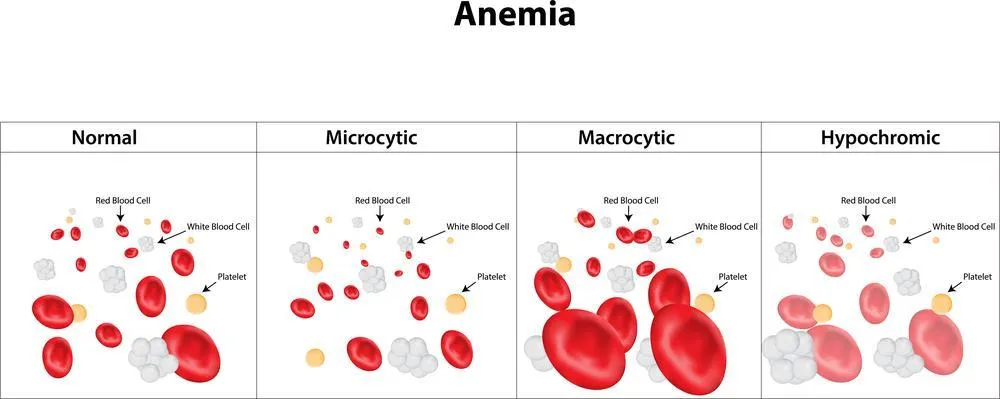
Microcytic anemia is usually not cancer, but it can be. Cancers that might cause it include:
- Gastrointestinal cancers: Tumors in the GI tract can lead to iron deficiency anemia.
- Other malignancies: Some cancers can cause anemia of chronic disease.
If you have microcytic anemia and symptoms like weight loss or fatigue, you should get checked for cancer.
Diagnostic Approach for Persistent Microcytic Anemia
Figuring out why you have microcytic anemia takes a detailed approach. This includes:
- Complete blood count (CBC) to check the severity of anemia.
- Iron studies to see if you have too little or too much iron.
- Tests like endoscopy to find bleeding or other problems.
- Genetic testing for thalassemia or other inherited disorders.
If your microcytic anemia doesn’t go away, a detailed check is needed. This helps find out if there’s a serious problem like cancer.
Managing Anemia in Cancer Patients
Managing anemia in cancer patients requires a detailed plan. This plan includes medical treatments, nutrition, and lifestyle changes. It’s key to improve their quality of life and treatment results.
Medical Interventions
Medical treatments are critical in fighting anemia in cancer patients. Iron supplements are often given to treat iron deficiency anemia. But, it’s important to check the patient’s iron levels first to avoid too much iron.
Epoetin alfa and darboepoetin alfa help make more red blood cells. These medicines are great for patients with anemia from cancer treatment.
For severe anemia, blood transfusions might be needed. But, they can cause problems like transfusion reactions and too much iron. These risks must be managed carefully.
Nutritional Approaches
Nutrition is also key in fighting anemia in cancer patients. Eating foods rich in iron, vitamin B12, and folate can help. Foods like red meat, poultry, fish, beans, and fortified cereals are good choices.
Vitamin C helps the body absorb iron better. So, eating foods high in vitamin C, like citrus fruits and bell peppers, with iron-rich foods is helpful.
It’s also good to avoid foods that block iron absorption, like tea and coffee. Making sure to get enough vitamin B12 and folate is also important for making healthy red blood cells.
Lifestyle Modifications
Changing your lifestyle can also help manage anemia in cancer patients. Regular exercise is good for health, but rest is important too to avoid getting too tired.
Pacing activities and taking breaks can help with fatigue. Stress management, like meditation and deep breathing, can also help with symptoms.
Getting enough sleep and keeping a healthy weight are also important. They help with overall health and can lessen anemia symptoms.
Shared Risk Factors Between Anemia and Blood Cancers
Anemia and blood cancers have common risk factors. Knowing these can help spot who’s at risk early. This might prevent these conditions from happening.
Genetic Predispositions
Some genetic mutations raise the risk of anemia and blood cancers. For example, Fanconi anemia and Dyskeratosis congenita can lead to bone marrow failure. This increases the chance of getting leukemia.
Genetic tests can find these risks early. This allows for close monitoring and early action.
Environmental Exposures
Some toxins and radiation can cause anemia and blood cancers. Benzene, found in some workplaces, harms bone marrow. This raises the risk of leukemia.
High radiation levels also damage bone marrow. This can cause anemia and might lead to blood cancers.
Bone Marrow Disorders
Bone marrow issues, like myelodysplastic syndromes (MDS), can cause anemia. MDS makes blood cell production poor, leading to anemia.
Checking the bone marrow’s health is key. It helps understand the risk of anemia and blood cancers.
Preventive Measures and Regular Monitoring
Keeping your blood healthy needs a mix of prevention and regular checks. We stress the need for early action to avoid problems linked to anemia and blood disorders.
Importance of Regular Blood Tests
Regular blood tests are key to good health. They catch anemia and blood disorders early. We suggest regular tests for those at risk to keep an eye on hemoglobin and blood health.
Benefits of Regular Blood Tests:
- Early detection of anemia and other blood disorders
- Monitoring of hemoglobin levels
- Identification of underlying causes of anemia
- Timely intervention and treatment
|
Test |
Frequency |
Benefit |
|---|---|---|
|
Complete Blood Count (CBC) |
Annually |
Monitors hemoglobin levels and detects anemia |
|
Iron Levels Test |
As recommended by a healthcare provider |
Helps diagnose iron deficiency anemia |
|
Vitamin B12 Levels Test |
As recommended by a healthcare provider |
Diagnoses vitamin B12 deficiency anemia |
Addressing Anemia Before Complications Arise
It’s important to tackle anemia early. Untreated anemia can cause serious health problems, like fatigue and weakness. We urge quick diagnosis and treatment to avoid these issues.
Strategies for Addressing Anemia:
- Dietary adjustments to increase iron and vitamin intake
- Supplementation as recommended by a healthcare provider
- Treatment of underlying causes
- Regular monitoring of blood counts
When to Seek Specialized Care
It’s important to know when to see a specialist for anemia or blood cancer risks. We suggest talking to a healthcare expert if you have ongoing fatigue or weakness.
Indicators for Seeking Specialized Care:
- Unexplained fatigue or weakness
- Persistent or severe anemia
- Family history of blood disorders or cancer
- Exposure to risk factors for blood cancers
By taking preventive steps and getting regular checks, you can lower your risk of anemia and blood cancer problems. We aim to give our patients the best care and support for their health.
Conclusion: Understanding the Complex Relationship Between Blood Disorders
We’ve looked into how anemia and leukemia are connected. Anemia is when you don’t have enough hemoglobin. It can be a sign of many health issues, including leukemia, a blood cancer.
Leukemia can lead to anemia by filling up the bone marrow. This stops it from making normal blood cells. Knowing how these two are linked is key to good care.
Anemia isn’t the main cause of leukemia. But it can be a sign something is wrong. Regular blood tests are important. They help catch problems early, like leukemia.
In short, anemia and leukemia are closely tied. Understanding this helps us diagnose and treat them better. This leads to better health outcomes for patients.
FAQs
Can anemia cause leukemia?
No, anemia can’t directly cause leukemia. But, they can both happen together. Leukemia can make it hard for the bone marrow to make healthy red blood cells.
What type of cancer causes low hemoglobin?
Many cancers can lower hemoglobin levels. This includes blood cancers like leukemia and lymphoma. Also, some solid tumors that affect blood production, like certain gastrointestinal cancers.
Does low blood count mean cancer?
Not always. A low blood count might mean cancer, but it can also be from other issues. Always get a doctor’s check-up for a correct diagnosis.
Can anemia lead to blood cancer?
There’s no direct link between anemia and blood cancer. But, some conditions that cause anemia might raise the risk of blood cancers.
How does leukemia cause anemia?
Leukemia can cause anemia by filling the bone marrow. This disrupts normal blood cell making. It leads to fewer healthy red blood cells.
What are the warning signs of low hemoglobin cancer symptoms?
Look out for fatigue, weakness, and being pale. Shortness of breath is also a sign. Other symptoms like weight loss, fever, or night sweats might show up too, depending on the cancer.
Is microcytic anemia a sign of cancer?
Microcytic anemia can be linked to many conditions, including cancer. If it lasts, it’s important to get a detailed check-up to find out why.
How is anemia managed in cancer patients?
Doctors might use iron supplements or special medicines to help. Eating right and making lifestyle changes can also help manage symptoms.
What are the shared risk factors between anemia and blood cancers?
Both share genetic risks and exposure to certain chemicals or radiation. Bone marrow problems can also affect blood cell making.
Why are regular blood tests important?
Regular blood tests help catch anemia and other blood issues early. This can prevent serious problems and improve health outcomes.
When should I seek specialized care for anemia or low blood count?
If you keep feeling very tired or have other severe anemia symptoms, see a doctor. A specialist in hematology or oncology is best for these issues.
References:
Patient Power. (n.d.). Anemia and leukemia: How are they linked? https://www.patientpower.info/leukemia/anemia-and-leukemia