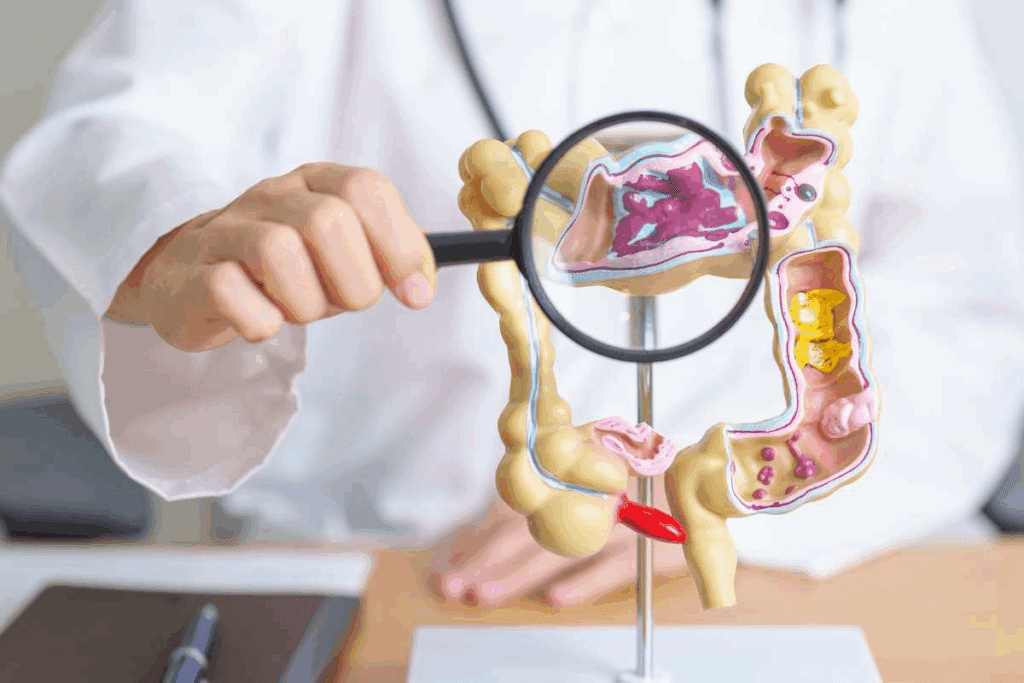
Nearly 800,000 hernia repair surgeries happen every year in the United States. Hernia surgery can be done by different medical experts. Specifying what type of doctor does hernia surgery (typically a general surgeon or surgical specialist).
General surgeons and hernia surgeons are among those who can do this surgery. Who you choose can really change how well you do after surgery.
Finding the right doctor is key for a good hernia repair. The skill of the surgeon can influence recovery outcomes and the likelihood of complications.
Key Takeaways
- General surgeons and specialized hernia surgeons perform hernia surgery.
- The choice of surgeon impacts the surgery outcome.
- Expertise affects the risk of complications and recovery time.
- Hernia repair surgery is common, with nearly 800,000 procedures annually in the U.S.
- Selecting the right specialist is critical for a successful hernia repair.
Understanding Hernias and Their Impact on Health

A hernia happens when an organ or tissue bulges through a weak spot in the muscle or tissue. This can cause discomfort, pain, and serious problems if not treated right.
Hernias often show up in the belly area. They can really affect a person’s health, making life harder and needing medical help.
Definition and Common Types of Hernias
There are many kinds of hernias, each with its own health risks. The most common ones are:
- Inguinal Hernias: These happen when tissue bulges through a weak spot in the abdominal muscles in the groin.
- Umbilical Hernias: These occur near the belly button, often because of a weak spot in the abdominal wall.
- Incisional Hernias: These develop through a scar or incision in the abdominal wall, from previous surgery.
- Hiatal Hernias: These happen when the stomach bulges up into the chest through an opening in the diaphragm.
Knowing about the different hernias helps figure out the best treatment and care.
Risk Factors and Prevalence in the United States

Several factors can increase the likelihood of developing a hernia. like age, being overweight, pregnancy, chronic coughing, and heavy lifting. In the United States, a lot of people get hernias every year.
Risk Factor | Description | Impact on Hernia Development |
Age | Getting older can make muscles weaker. | More likely to get a hernia as you get older. |
Obesity | Being overweight puts extra strain on muscles. | More pressure on the abdominal walls. |
Pregnancy | Pregnancy can weaken the abdominal muscles. | Pregnant women are more likely to get a hernia. |
Chronic Coughing | Long-term coughing can weaken muscles. | More risk because of the constant strain. |
Knowing these risk factors helps prevent and catch hernias early. Seeing a hernia repair surgeon early can really help.
What Type of Doctor Does Hernia Surgery: Primary Specialists
They have the skills and knowledge needed for these surgeries.
General Surgeons as Primary Hernia Repair Specialists
General surgeons diagnose and treat hernias. They are trained in many types of hernias. They can use both open repair and laparoscopic techniques, giving patients options.
General surgeons are versatile in treating hernias. They select the most appropriate surgical approach for each patient, ensuring optimal results.
Board Certification and Specialization Requirements
To qualify for hernia repair, a surgeon must be board-certified by the American Board of Surgery (ABS).
Being board-certified is key, but so is ongoing education and specialization. Many surgeons get extra training in hernia repair. This keeps their skills sharp and patients safe.
Choosing a surgeon for hernia repair means looking at their qualifications. Check for board certification and any extra training. This helps patients make smart choices about their care.
The Role of General Surgeons in Hernia Repair
General surgeons are key in hernia repair thanks to their wide training. They learn many surgical techniques. This makes them essential in healthcare for hernia care.
Training and Expertise of General Surgeons
General surgeons train for at least five years after medical school. They learn a lot about surgery, including hernia repair.
Key aspects of their training include:
- Comprehensive surgical techniques
- Preoperative and postoperative care
- Laparoscopic and open surgical methods
- Management of complications
Types of Hernias Typically Treated by General Surgeons
General surgeons can handle many hernias like inguinal, umbilical, and incisional. Their training lets them tackle simple and complex cases. They choose the best surgery for each patient.
Hernia Type | Description | Typical Treatment Approach |
Inguinal Hernia | Occurs when tissue protrudes through the inguinal canal | Open or laparoscopic repair |
Umbilical Hernia | Occurs around the belly button | Open repair, potentially laparoscopic for complex cases |
Incisional Hernia | Occurs through a previous surgical incision | Laparoscopic or open repair, depending on complexity |
In conclusion, general surgeons are vital in hernia repair. Their extensive training and expertise allow them to treat many hernias. They are the main specialists for hernia cases.
Specialized Hernia Surgeons and Their Expertise
Hernia surgery has made big strides thanks to specialized surgeons. These experts focus on hernias, leading to better results for patients.
Advanced Training of Hernia Specialists
This extra education prepares them for complex cases. They learn the newest ways to fix hernias.
They know a lot about different hernias, like inguinal and umbilical ones. This knowledge helps them create treatment plans that work best for each patient.
Benefits of Choosing a Dedicated Hernia Specialist
Choosing a hernia specialist has many advantages. They do a lot of hernia repairs, which means fewer problems later on.
- Personalized care tailored to the patient’s specific condition
- Access to the latest surgical techniques and technologies
- Improved outcomes due to the surgeon’s specialized expertise
Patients get a treatment plan that fits their needs. This gives them confidence in their care.
Choosing the right surgeon is a critical step in the hernia repair process. With their advanced training and specialized expertise, dedicated hernia surgeons are well-equipped to provide the highest level of care.
When to Consult a Gastrointestinal Surgeon
Dealing with hernias in the abdominal area might need a visit to a gastrointestinal surgeon. These experts are trained to handle complex digestive system issues, including hernias.
Expertise in Complex Abdominal Hernias
Gastrointestinal surgeons are great at handling tough abdominal hernias. These can be hard to fix because of their size or where they are. They use advanced methods like laparoscopic or robotic surgery to fix them quickly and with less pain.
“Complex abdominal wall hernias are tough because of their size, location, and health problems.”
“The management of complex abdominal wall hernias needs a team effort. Gastrointestinal surgeons are key in the surgery.”
Type of Hernia | Surgical Approach | Specialist |
Complex Abdominal Hernia | Laparoscopic or Robotic Surgery | Gastrointestinal Surgeon |
Hiatal Hernia | Laparoscopic Nissen Fundoplication | Gastrointestinal Surgeon |
Hiatal Hernia and Other Digestive System Hernias
Hiatal hernias happen when part of the stomach bulges into the chest. A gastrointestinal surgeon is the best person to fix this. They use laparoscopic Nissen fundoplication to fix hiatal hernias and stop symptoms like acid reflux.
Benefits of Consulting a Gastrointestinal Surgeon:
- Advanced training in complex abdominal surgeries
- Expertise in minimally invasive surgical techniques
- Comprehensive care for conditions affecting the digestive system
In summary, for complex abdominal hernias and digestive system hernias, seeing a gastrointestinal surgeon is wise. Their skills and training mean patients get the best treatment for their problem.
Pediatric Surgeons for Childhood Hernias
Pediatric surgeons are key in diagnosing and treating hernias in kids. They have the right training and experience for these unique cases.
Specialized Care for Infants and Children with Hernias
Children and infants are different from adults, needing special care for hernias. Pediatric surgeons are trained to meet these needs, giving kids the best treatment.
- Age-specific considerations: They know how to treat hernias in different age groups, from babies to teens.
- Gentle and precise techniques: They use methods that are kind to kids and help them heal fast.
- Family-centered care: Pediatric surgeons work with families to explain everything, making sure parents are informed and supported.
Congenital Hernias and Pediatric Surgical Approaches
Congenital hernias need to be treated early to avoid problems. Pediatric surgeons use the latest techniques to fix these hernias well.
Congenital hernia repair involves:
- Checking the type and how serious the hernia is.
- Using small, less invasive surgeries when it’s safe.
- Providing care after surgery that fits the child’s needs.
Congenital hernias, like inguinal hernias, are common in kids. Pediatric surgeons are good at finding and fixing these, often using laparoscopic surgery to reduce recovery time and scarring.
Pediatric surgeons are vital in treating childhood hernias, including congenital ones. Their specialized knowledge and gentle approach help kids get the best care.
Minimally Invasive Specialists for Hernia Surgery
Hernia surgery has made big strides with new, less invasive methods. Skilled laparoscopic and robotic surgeons lead this change. They’ve trained hard to make recovery times shorter and reduce pain for patients.
Laparoscopic Surgeons and Their Training
Laparoscopic surgeons use small cuts to fix hernias. They insert a camera and tools through these small openings. This method needs great skill and knowledge of the body’s inside.
These surgeons get extra training after their basic surgery education. They learn to use special tools and improve their hand skills for precise work.
Robotic Surgery Specialists for Hernia Repair
Robotic surgery experts are a part of the minimally invasive team. They use robotic systems for hernia fixes. These systems help with better views, precision, and control.
Robotic surgery experts get special training to use these systems well. They practice and get certified to ensure they’re skilled in robotic surgery.
Choosing a minimally invasive surgeon, like a laparoscopic or robotic expert, has many benefits. Patients feel less pain, stay in the hospital less, and get back to their lives faster. Here’s a comparison of laparoscopic and robotic surgery for hernias.
Characteristics | Laparoscopic Surgery | Robotic Surgery |
Visualization | 2D or 3D visualization | High-definition 3D visualization |
Precision | High precision | Enhanced precision with robotic instruments |
Recovery Time | Generally shorter than open surgery | Similar to laparoscopic, potentially shorter |
In summary, minimally invasive specialists are key in hernia treatment. They offer patients various options, ensuring the best results for each person.
The Role of Colorectal Surgeons in Specific Hernia Cases
Colorectal surgeons play a big role in treating hernias, like parastomal hernias and complex pelvic floor hernias. They have the training and skills needed for these tough cases.
Parastomal Hernias and Specialized Treatment
Parastomal hernias happen near a stoma, a man-made opening in the belly for waste. Treating these hernias is hard because of where they are and the patient’s health. Colorectal surgeons use specialized surgical techniques to fix these problems and help patients recover better.
Fixing parastomal hernias might include moving the stoma, repairing the hernia, and using mesh. Each patient gets a treatment plan that fits their needs, aiming for the best results.
Complex Pelvic Floor Hernias
Complex pelvic floor hernias are another area where colorectal surgeons shine. These hernias are in the pelvic area and can cause a lot of problems, like pain and bowel issues. Because of their complexity, they need a surgeon with a lot of experience in colorectal surgery.
Colorectal surgeons use different methods to treat these hernias, from open surgery to minimally invasive methods. The choice depends on the hernia, the patient’s health, and the surgeon’s skills.
Trauma Surgeons and Emergency Hernia Repair
Trauma surgeons are key in emergency hernia cases. They act fast because time is of the essence. These doctors are trained to handle urgent surgeries, including complex hernias.
Strangulated and Incarcerated Hernias Requiring Urgent Care
Strangulated and incarcerated hernias are serious and need emergency surgery. A strangulated hernia cuts off blood to the herniated tissue, causing tissue death if not treated quickly. An incarcerated hernia is trapped and can’t be pushed back into the abdomen, risking strangulation. Both are medical emergencies that trauma surgeons handle.
“The quick action of a trauma surgeon can be the difference between life and death in cases of strangulated or incarcerated hernias,” highlights their critical role.
Emergency Room to Operating Room: The Process
The journey from the emergency room to the operating room is fast and well-coordinated. Patients are quickly checked by trauma surgeons and the team to see how serious their condition is. For strangulated or incarcerated hernias, the decision to operate is made fast.
- Initial assessment and stabilization in the emergency room
- Rapid diagnostic tests to confirm the diagnosis
- Preparation for emergency surgery
- Surgical repair of the hernia, potentially using mesh or other techniques
- Post-operative care to monitor recovery and manage complications
Trauma surgeons work with other healthcare professionals to give patients the best care. Their skill in emergency surgeries is vital for saving lives and preventing more problems.
Plastic Surgeons and Reconstructive Hernia Repair
Plastic surgeons play a key role in hernia repair. They handle complex cases where tissue loss or defects are involved. Their skills are essential for both the repair and the cosmetic aspects.
Complex Abdominal Wall Reconstruction
Complex abdominal wall reconstruction is a tough task. It often needs a plastic surgeon’s expertise. They not only fix the hernia but also make sure the abdominal wall works right.
They use methods like component separation and mesh to strengthen the repair. This makes the repair strong and stable.
The benefits of having plastic surgeons in these cases are:
- They improve outcomes with their skill in tissue handling and reconstruction
- They ensure better cosmetic results, even with big hernias or a lot of tissue loss
- They help in restoring the function of the abdominal wall
Cosmetic Considerations in Hernia Surgery
Cosmetic aspects are now a big deal in hernia surgery. Patients want their hernia fixed and to look good afterward. Plastic surgeons know how to reduce scarring and improve looks.
For more on specialists in hernia repair, including plastic surgeons, check .
Some important cosmetic aspects in hernia surgery are:
- Using minimally invasive methods to cut down on scarring
- Placing incisions in spots that are less noticeable
- Using advanced techniques for wound closure to help healing
By working together, patients get care that covers both the repair and looks. This is thanks to the skills of plastic surgeons and other specialists.
Hernia Centers of Excellence and Specialized Programs
Hernia centers of excellence have changed how hernia surgeries are done. These centers focus on giving top care to patients getting hernia repair.
Multidisciplinary Hernia Centers
Multidisciplinary hernia centers have teams of experts. They include general surgeons, gastrointestinal surgeons, and plastic surgeons. This team works together to give patients the best care for their hernia.
Benefits of Multidisciplinary Centers include:
- Comprehensive evaluation and treatment planning
- Access to a wide range of surgical techniques and specialists
- Improved patient outcomes due to the collaborative approach
“Having different surgical specialties together helps treat hernias better. It leads to more effective and personal care for patients.”
Patient Outcomes at Specialized Hernia Centers
Specialized hernia centers lead to better patient results. They focus on the newest hernia repair methods and technology.
Outcome Measure | General Hospitals | Specialized Hernia Centers |
Recurrence Rate | 15% | 5% |
Complication Rate | 10% | 3% |
Patient Satisfaction | 80% | 95% |
Patients at these centers do better. They have fewer problems and are happier with their care.
By focusing care in these centers, patients get the best from hernia surgery experts. These experts are always learning and improving.
How to Choose the Right Hernia Surgeon
Finding the right hernia surgeon is key to a successful surgery. There are many surgical methods, like open repair and laparoscopic surgery. It’s important to pick a surgeon who knows the best method for your case.
Qualifications and Experience to Look For
When looking for a hernia surgeon, check their qualifications and experience. Make sure they are board-certified by the American Board of Surgery or a similar group. This shows they have the right training and skills.
Experience matters too. A surgeon who has done many hernia repairs is likely better at handling complications. Ask about their experience with your specific hernia type and the surgery they suggest.
Questions to Ask Your Surgeon
It’s important to ask the right questions when you meet with a surgeon. Here are some to consider:
- What experience do you have with hernia repair surgeries?
- What are the benefits and risks of the surgery you recommend?
- How will you manage pain during and after surgery?
- What’s the expected recovery time, and what kind of care will I need after surgery?
- Are there other treatment options for my condition?
By asking these questions and looking at the surgeon’s qualifications, you can make a better choice. The goal is to get the best results with the least risk.
Choosing the right hernia surgeon is a personal decision. It should be based on their expertise, how comfortable you are with them, and their ability to answer your questions well.
Insurance Considerations and Specialist Referrals
Getting a specialist referral for hernia surgery involves knowing about insurance. It’s important to understand these factors. This way, patients can get the care they need without surprise costs.
Navigating Insurance Coverage for Different Specialists
Insurance plans differ for various specialists and treatments. For example, general surgeons, gastrointestinal surgeons, and hernia specialists have unique insurance rules.
- Check Your Insurance Provider’s Network: Make sure your specialist is in your network to save money.
- Understand Your Policy’s Coverage: Know what your insurance covers, including any costs you might have to pay.
- Pre-Authorization Requirements: Some plans need approval before certain procedures or visits. Make sure you follow these rules to avoid problems.
The Referral Process from Primary Care to Surgical Specialists
The journey from your primary care doctor to a specialist is key for hernia care. It starts with a visit to your primary care doctor. They will check your condition and decide if you need a specialist.
- Initial Assessment: Your primary care doctor will first check if you need a specialist.
- Choosing the Right Specialist: Based on your condition, your doctor will guide you to the right specialist.
- Referral and Scheduling: After choosing a specialist, your doctor will help set up a meeting with them.
Knowing about insurance and the referral process helps patients. It ensures they get the right care for their hernia without unexpected costs.
Recovery Expectations Based on Specialist and Procedure
Knowing what to expect after hernia surgery is key. It depends on the surgeon’s skill and the surgery type. The recovery can be affected by the hernia type, surgery method, and the patient’s health.
Typical Recovery Timelines by Surgical Approach
The time it takes to recover from hernia surgery varies. Laparoscopic surgery, with smaller cuts, leads to quicker healing. Patients might get back to normal in 1-2 weeks.
On the other hand, open surgery takes longer. It can take 4-6 weeks or more to fully recover.
Robotic hernia repair is another minimally invasive option. It causes less damage and pain. This means patients can get back to their daily activities faster.
Specialist-Specific Post-Operative Care
The surgeon’s role in recovery is significant. A general surgeon will give basic care tips. But a specialized hernia surgeon might offer more specific advice. This can help improve recovery.
It’s important to follow the surgeon’s advice closely. This includes tips on exercise, wound care, and managing complications. Following these steps can help avoid problems and ensure the best recovery.
Conclusion
Choosing the right specialist for hernia surgery is key for a good result. Different specialists, like general surgeons and pediatric surgeons, are important in treating hernias. Knowing the type of hernia and the specialist’s skills is vital for making a good choice.
When picking a specialist, look at their qualifications and experience. Also, consider the surgical approach they suggest. This ensures patients get the best care for their needs, leading to a better recovery and health.
In conclusion, finding the right specialist for hernia surgery greatly affects treatment success and quality of life. Being well-informed and prepared helps individuals confidently go through the process and achieve a positive outcome.
FAQ
What type of doctor performs hernia surgery?
Many doctors can do hernia surgery. This includes general surgeons, hernia specialists, and those who work on the stomach and intestines. Pediatric surgeons treat kids, and those who do minimally invasive surgery use small cuts. Colorectal surgeons fix hernias near the colon and rectum. Trauma surgeons handle emergency cases, and plastic surgeons focus on looks.
What is the difference between a general surgeon and a specialized hernia surgeon?
General surgeons do many surgeries, including hernia repairs. Specialized hernia surgeons focus only on hernias. They know a lot about complex and recurring hernias.
When should I consult a gastrointestinal surgeon for my hernia?
See a gastrointestinal surgeon for complex abdominal hernias or hiatal hernias. They have the skills needed for these cases.
What kind of surgeon should I see for a hernia as a child?
Pediatric surgeons are the best for kids. They handle hernias in infants and children, including congenital ones.
Are there surgeons who specialize in minimally invasive hernia surgery?
Yes, there are. Laparoscopic and robotic surgery specialists use small cuts. This can lead to quicker healing times.
Can a colorectal surgeon treat hernias?
Yes, they can. Colorectal surgeons fix hernias near the colon and rectum. This includes parastomal and complex pelvic floor hernias.
What happens in emergency hernia repair?
They treat strangulated and incarcerated hernias quickly, often in the emergency room.
How do I choose the right hernia surgeon?
Look at their qualifications and experience. Ask about their success rates and how they care for patients after surgery.
What are the benefits of going to a hernia center of excellence?
Hernia centers offer specialized care from a team of experts. This can lead to better results and more effective repairs.
How do insurance considerations affect my choice of hernia surgeon?
Insurance and referrals can influence your choice. It’s important to understand your options and how they affect your choice.
What can I expect during recovery from hernia surgery?
Recovery varies. It depends on the surgeon, procedure, and patient. Always follow your surgeon’s post-operative care instructions.
What type of surgeon performs reconstructive hernia repair?
Plastic surgeons do reconstructive repairs. They fix complex abdominal wall issues and may consider cosmetic aspects.
References
National Center for Biotechnology Information. Evidence-Based Medical Insight. Retrieved from https://pmc.ncbi.nlm.nih.gov/articles/PMC9308972/