
Did you know that some vitamin combinations can cause problems or make them less effective? With more people taking supplements, it’s key to know which ones not to mix.
We often take several vitamins or supplements to improve our health. But, mixing certain ones can be harmful. Our guide will help you understand which vitamins to avoid mixing.
Understanding how different vitamins interact can guide you in making informed choices. We’ll look at common vitamin interactions and how to steer clear of them.
Key Takeaways
- Certain vitamin combinations can lead to adverse effects.
- Taking multiple vitamins or supplements requires careful consideration.
- Understanding vitamin interactions is key to getting the most out of them.
- Our guide offers tips on which vitamins to avoid mixing.
- Being aware of vitamin interactions helps you make better choices for your supplements.
The Science Behind Vitamin Interactions

Vitamins are key nutrients our bodies need to work right. Knowing how they interact is vital for staying healthy.
How Vitamins Function in Your Body
Vitamins help with many body functions, like metabolism and tissue health. They start many chemical reactions in our bodies. This helps us turn food into energy and fix damaged cells.
B vitamins are important for energy, and vitamins C and E protect cells. Each vitamin has its own job, and how they work together is important.
Vitamin D helps our bodies absorb calcium, which is good for bones. Knowing how vitamins interact helps us choose the right supplements.
Why Certain Vitamins Compete for Absorption
Some vitamins fight for the same spots in our bodies. For example, iron and zinc can fight for absorption, which might make them less effective. This can cause deficiencies if not managed right. Some vitamins can also help or block others’ absorption.
Knowing which vitamins compete helps us take them at the best times. This way, we get the most out of our vitamins.
Fat-Soluble vs. Water-Soluble Vitamins
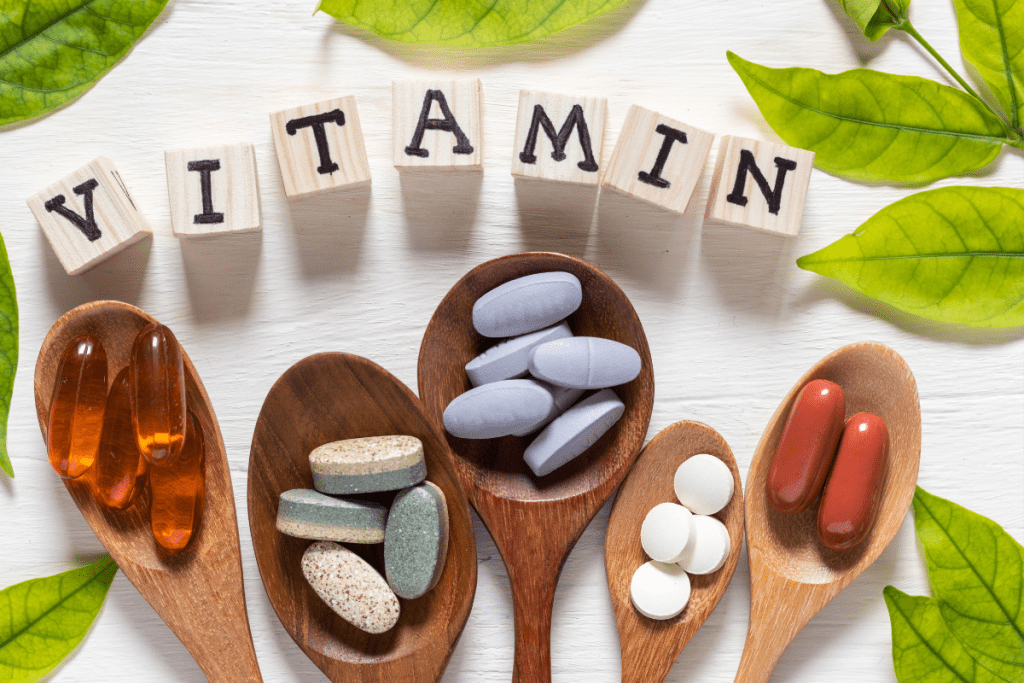
Knowing the difference between fat-soluble and water-soluble vitamins is key for good supplements. Vitamins are vital for our bodies to work right. They are split into two groups based on how they dissolve.
Characteristics of Fat-Soluble Vitamins (A, D, E, K)
Fat-soluble vitamins are A, D, E, and K. They are taken in with fats in our food. These vitamins are kept in fatty tissues and the liver. Taking too much can lead to toxicity.
Key characteristics of fat-soluble vitamins:
- Absorbed with dietary fats
- Stored in the body (liver and fatty tissues)
- Risk of toxicity with excessive intake
Properties of Water-Soluble Vitamins (B, C)
Water-soluble vitamins are B vitamins and C. They go straight into the blood. They don’t stay in the body much and extra is pee’d out.
Key characteristics of water-soluble vitamins:
- Absorbed directly into the bloodstream
- Not stored in the body in significant amounts
- Excess amounts are excreted in urine
Why This Distinction Matters for Supplementation
Knowing the difference is key for supplements. It tells us how to take vitamins for the best results and safety.
| Vitamin Type | Absorption | Storage in Body | Risk of Toxicity |
| Fat-Soluble | With dietary fats | Yes (liver and fatty tissues) | High |
| Water-Soluble | Directly into bloodstream | No | Low |
By knowing these differences, we can choose supplements wisely. This helps us get the nutrients we need safely.
What Vitamins Should Not Be Taken Together
Knowing which vitamins not to mix is key for getting the most out of them. Vitamins are important for health but can sometimes work against each other. This can make them less effective or even cause problems.
Most Common Antagonistic Vitamin Pairs
Some vitamins don’t get along when taken together. They can block each other’s absorption or effectiveness. Here are a few examples:
| Vitamin Pair | Interaction Effect |
| Vitamin C and B12 | Vitamin C can potentially reduce B12 absorption |
| Calcium and Iron | Calcium can inhibit iron absorption |
| Zinc and Copper | Excessive zinc can lead to copper deficiency |
| Vitamin D and Vitamin E | High doses of vitamin E may interfere with vitamin D’s benefits |
Knowing about these interactions helps you plan your supplements better.
Understanding Competitive Absorption
Competitive absorption happens when nutrients fight for the same spots in the body. This can make one or both less effective. For example, minerals like iron, zinc, and calcium fight for absorption in the gut.
- Iron and Calcium: Taking these together can reduce iron absorption.
- Zinc and Copper: Too much of one can cause a lack of the other.
To avoid this, take these minerals at different times. Or, talk to a healthcare provider to find the best schedule for you.
Vitamin C Interactions to Be Aware Of
It’s important to know how Vitamin C works with other nutrients for good health. Vitamin C, or ascorbic acid, helps with the immune system, making collagen, and absorbing iron.
When thinking about taking Vitamin C supplements, knowing its effects on other vitamins and minerals is key. This helps get the most benefits and avoid any bad effects.
Can You Take Vitamin C and B12 Together?
Many wonder if Vitamin C and B12 can be taken together. Vitamin C might break down B12, making it less effective. But this only happens with very high Vitamin C doses. Taking Vitamin C and B12 at different times can help avoid this issue.
Vitamin C and Copper Absorption Issues
Vitamin C can help some minerals get absorbed better, but it’s tricky with copper. It might help copper absorption at first but then increase its loss. It’s a good idea to check copper levels if you’re taking a lot of Vitamin C.
Can You Take Vitamin C and Zinc Together?
Vitamin C and zinc are both good for the immune system. They don’t harm each other and can be part of a balanced supplement mix. But, watch the doses to avoid stomach problems.
Vitamin C and Iron: A Beneficial Combination
Vitamin C is great for helping the body absorb iron from plant sources. Taking Vitamin C with iron supplements can really help, which is good for people with iron deficiency anemia. Eating foods high in Vitamin C with iron-rich plants is a smart diet choice.
To wrap up, here’s a table about Vitamin C’s interactions with other nutrients:
| Nutrient | Interaction with Vitamin C | Recommendation |
| Vitamin B12 | Potential degradation | Take at different times |
| Copper | Complex; may increase excretion | Monitor copper levels |
| Zinc | No significant adverse interaction | Can be taken together |
| Iron | Enhances absorption | Take together for better iron uptake |
Vitamin D Combination Considerations
It’s important to know how Vitamin D works with other nutrients. Vitamin D is key for strong bones and a healthy immune system. Its effects can change when taken with other supplements.
Taking Vitamin D with Vitamin C
Many wonder if Vitamin D and Vitamin C can be taken together. The answer is yes, without major side effects. Vitamin C boosts the immune system, and Vitamin D supports bones and immune health. Taking them together might help your immune system even more.
Vitamin D and Iron Supplementation
There’s little evidence that Vitamin D and iron have a bad reaction when taken together. But, iron absorption can be affected by many things. It’s best to take iron by itself to help it get absorbed better.
Vitamin D and Calcium: Timing and Dosage
Vitamin D and calcium work well together for bone health. Vitamin D helps your body absorb calcium better. It’s good to take them together, which is helpful for people at risk of osteoporosis or with calcium needs.
The Important Vitamin D and K2 Relationship
Vitamin D and K2 are important for heart health and bone strength. Vitamin K2 helps put calcium in bones and teeth, not in arteries. Taking Vitamin D and K2 together ensures calcium is used right in your body.
In summary, mixing Vitamin D with other nutrients needs careful thought. Knowing how these work together helps make your supplements more effective.
Key Considerations:
- Vitamin D and Vitamin C can be taken together for enhanced immune support.
- Vitamin D and iron can be taken together, but consider separate administration for optimal iron absorption.
- Vitamin D and calcium are beneficial when taken together for bone health.
- Vitamin D and K2 together support proper calcium utilization in the body.
B Vitamin Complex Interactions
It’s important to understand how B vitamins work together. The B vitamins, including B1, B2, B3, B5, B6, B7, B9, and B12, help with energy, nerve health, and heart function. But, how they interact can change how our bodies use them.
Vitamin B12 Drug Interactions
Vitamin B12 can affect how some medicines work. For example, chloramphenicol, an antibiotic, might make B12 less effective. Also, drugs for diabetes, like metformin, can lower B12 absorption. Always talk to a doctor if you’re taking B12 supplements with other medicines.
Can You Take B6 and B12 Together?
It’s usually safe to take B6 and B12 together, but only if you need both. But, too much B6 can cause nerve problems. So, it’s best to get advice from a healthcare professional on how much to take.
Can You Take Vitamin B and D Together?
Vitamin B and D can be taken together without problems. Vitamin D helps with bones and calcium, while B vitamins are key for energy and nerves. There’s no known harm in taking them together, making them a good part of a supplement plan.
B Vitamins and Their Relationship with Vitamin C
B vitamins and vitamin C are safe to take together. Vitamin C can help your body absorb B9 (folate) better. But, too much vitamin C might affect other nutrient absorption. It’s best to take them in balanced amounts.
| B Vitamin | Interaction | Effect |
| B12 | With chloramphenicol | Reduced efficacy of B12 |
| B6 and B12 | Taken together | Generally safe, but high doses of B6 can cause neurological symptoms |
| B Vitamins and D | Taken together | No adverse interactions |
| B Vitamins and Vitamin C | Taken together | Vitamin C may enhance folate absorption |
Iron Supplement Compatibility Guide
Iron supplement interactions can affect how well they work. It’s key to know how they mix with other vitamins and minerals. This helps get the most out of iron supplements.
Can I Take Iron and B12 Together?
Taking iron and vitamin B12 together is usually safe. But, other things can change how well they’re absorbed. Vitamin B12 helps make red blood cells, and iron is vital for hemoglobin.
While they can be taken together, vitamin C can help iron absorption. So, taking vitamin C with iron might be a good idea.
Iron and Calcium: A Problematic Combination
Calcium can block iron absorption, which is bad for iron from plants and supplements. To avoid this, take iron and calcium at different times. For example, iron in the morning and calcium at night.
Iron and Vitamin E Interactions
There’s not much research on iron and vitamin E interactions. But, high doses of vitamin E might affect other nutrients. Always talk to a healthcare provider if you’re taking many supplements.
Optimal Timing for Iron Supplementation
When to take iron supplements depends on what else you’re taking. Iron works best on an empty stomach but can be taken with food if it upsets your stomach. But, don’t take iron with tea, coffee, or dairy because they lower iron absorption.
| Nutrient | Interaction with Iron | Recommendation |
| Vitamin B12 | Generally safe together | Take together if needed |
| Calcium | Inhibits iron absorption | Take at different times |
| Vitamin E | Limited evidence of interaction | Consult healthcare provider |
Calcium Supplement Interactions
It’s important to know how calcium supplements work with other nutrients. Calcium helps keep our bones strong. Many people take it to support their bones.
But, how well calcium supplements work can change based on other nutrients. Knowing these interactions helps make sure our supplements work well for us.
Calcium and Magnesium Balance
Calcium and magnesium need to be in balance in our bodies. Calcium is key for strong bones. Magnesium helps our body use calcium and is involved in many body functions.
Too much or too little of either can cause problems like muscle cramps and tiredness. It’s best to take calcium and magnesium in a 2:1 ratio. But, this can change based on your age, sex, and health.
Key Considerations:
- Keep calcium and magnesium in a balanced ratio.
- Watch how much of both you get from food.
- Talk to a doctor to find the right supplements for you.
Calcium and Zinc Absorption Competition
Calcium and zinc can compete for how well they are absorbed. Zinc is important for fighting off infections and healing wounds. Too much calcium can make it harder for zinc to be absorbed.
To avoid this, take calcium and zinc at different times. Also, eat foods rich in zinc like meat and nuts to keep zinc levels up.
Calcium and Vitamin D: A Necessary Pair
Calcium and vitamin D work together for strong bones. Vitamin D helps our body use calcium better. This makes them important together when taking calcium supplements.
Having enough vitamin D is key for calcium supplements to work well. You can get vitamin D from the sun, certain foods, and supplements if needed.
Knowing how calcium supplements interact with other nutrients helps us get the most out of them. Always talk to a doctor before starting any new supplements.
Magnesium Compatibility with Other Nutrients
It’s important to know how magnesium works with other nutrients. Magnesium helps with energy, nerve function, and muscle relaxation. Learning about its interactions with vitamins and minerals can improve our supplement use.
What Vitamins Should Not Be Taken with Magnesium
Magnesium is usually safe, but it can affect how other nutrients are absorbed. For example, it can compete with calcium, iron, and zinc. So, it’s best to take these minerals at different times.
Magnesium and Calcium: They’re good for bones together, but too much of one can reduce the other’s absorption.
Can I Take Magnesium and Vitamin C Together?
Magnesium and vitamin C can be taken together without problems. Vitamin C can even help magnesium absorption. But, watch the total amount to avoid stomach issues.
Magnesium and B Vitamins Interactions
Magnesium helps B vitamins work better, boosting energy and nerve health. Taking them together is good, mainly for those who need more.
| Nutrient | Interaction with Magnesium | Recommendation |
| Calcium | Competes for absorption | Take at different times |
| Vitamin C | Enhances magnesium absorption | Can be taken together |
| B Vitamins | Enhances energy production and nerve function | Can be taken together |
In summary, knowing how magnesium interacts with other nutrients is key. This knowledge helps us get the most from our supplements. It also helps avoid any negative effects.
Zinc Supplement Interaction Guidelines
It’s important to know how zinc supplements work with other nutrients. Zinc is key for health, helping with the immune system and healing wounds.
Zinc and Copper Balance
Zinc and copper need to be in balance in our bodies. Too much zinc can cause a copper shortage because they compete for absorption. If you’re taking zinc supplements, check your copper levels often. Aim for a zinc to copper ratio of about 10:1.
Key Considerations:
- Watch your copper levels when taking zinc.
- Keep the zinc to copper ratio balanced.
Can You Take Zinc and Vitamin C Together?
Zinc and vitamin C are both important for fighting off infections. Taking them together can be good because vitamin C helps zinc absorption. But, be careful not to take too much to avoid stomach problems.
Benefit: Better immune support.
Zinc and Iron Absorption Competition
Zinc and iron fight for absorption in the body. This means taking them together might not work as well. If you’re taking both, take them at different times of the day.
Recommendation:
- Take zinc and iron at different times.
- Talk to a doctor about the best timing.
Knowing about these interactions helps you use zinc supplements wisely. This way, you can get the most health benefits from them.
Fat-Soluble Vitamin Combinations (A, D, E, K)
Understanding how vitamins A, D, E, and K work together is key. These vitamins are vital for our bodies, helping with vision, bone health, and more. Taking them together can be beneficial, but it’s important to watch out for toxicity and timing.
Potential Toxicity Concerns with Overlapping
Fat-soluble vitamins can build up in our bodies, leading to toxicity if we take too much. Vitamin A toxicity is a big concern when mixing it with other vitamins. Symptoms include dizziness and headaches. Always check the dosage to avoid harm.
- Know the recommended dietary allowance (RDA) for each vitamin.
- Always talk to a healthcare professional before starting supplements.
- Watch how your body reacts to supplements and adjust as needed.
Synergistic Effects Between Fat-Soluble Vitamins
Even with the risk of toxicity, fat-soluble vitamins can work well together. For example, vitamin D and vitamin K help with bone health. Vitamin D helps absorb calcium, and vitamin K makes sure calcium goes into bones, not arteries.
- Vitamin A and E boost antioxidant effects.
- Vitamin D and K2 improve heart health.
- Getting all four vitamins in balance is good for overall health.
Optimal Timing for Fat-Soluble Supplementation
When we take fat-soluble vitamins matters for how well they work. They absorb best with dietary fats, so taking them with fatty meals helps. Also, spreading out vitamin intake can avoid interactions and boost benefits.
- Take fat-soluble vitamins with meals that have fat.
- Space out your vitamin intake throughout the day.
- Get a personalized plan from a healthcare provider.
Timing Your Supplements for Maximum Benefit
Getting the timing right for your supplements can really boost their effectiveness. Knowing when and how to take them is key. It helps make the most of their benefits and avoids any unwanted side effects.
Morning vs. Evening Supplementation Guidelines
Choosing between morning or evening for supplements depends on the type and your daily routine. Taking multivitamins and minerals in the morning can energize you for the day. On the other hand, magnesium and melatonin are better in the evening to help you relax and sleep better.
Morning Supplements: Multivitamins, Vitamin C, and B vitamins are great in the morning. They give you energy and support your body’s functions all day.
Evening Supplements: For better sleep, take magnesium, melatonin, and herbal supplements like valerian root before bed. They help you relax and improve your sleep quality.
Taking Supplements with or Without Food
The choice to take supplements with or without food varies by type and your stomach’s sensitivity. Fat-soluble vitamins (A, D, E, and K) work best with meals that have healthy fats. Water-soluble vitamins (B and C) can be taken without food, but with food to avoid stomach upset.
With Food: Fat-soluble vitamins, iron supplements, and certain medications need food for better absorption.
Without Food: Water-soluble vitamins and sublingual supplements (under the tongue) are best without food.
How Many Hours Apart Should You Take Different Vitamins
Spacing out your supplements can prevent interactions and improve absorption. For example, taking calcium and iron at different times helps avoid calcium blocking iron absorption.
| Supplement | Recommended Timing | Reason |
| Calcium and Iron | Take at least 2 hours apart | Calcium can inhibit iron absorption |
| Zinc and Copper | Take together or balanced throughout the day | Maintaining the balance between zinc and copper is critical for immune function |
| Vitamin C and B12 | Can be taken together | Vitamin C may enhance B12 absorption, but too much Vitamin C can interfere |
Creating Your Personal Vitamin Schedule
Creating a personalized vitamin schedule is key to getting the most from your supplements. We need to think about your diet, health, and lifestyle. These factors are important for a good plan.
What Vitamins Can You Take Together Daily
It’s important to know which vitamins can be taken together safely. Some combinations help your body absorb vitamins better. But, others might not work as well or could even be harmful.
For example, vitamins A, D, E, and K can be taken together. They need fat to be absorbed. Taking vitamin C with B vitamins is also good. Vitamin C helps your body take in some B vitamins better.
Developing a Personalized Supplement Plan
To make a plan that’s just for you, start by looking at your nutritional needs and health goals. It’s a good idea to talk to a healthcare professional. They can help pick the right vitamins and how much to take.
Think about your daily routine too. For example, if mornings are busy, take your vitamins with breakfast. This way, you’re sure to remember.
What Vitamins to Take Together Chart
We’ve made a chart to help you figure out which vitamins go well together. But remember, everyone is different. Always talk to a healthcare professional before starting any new supplements.
| Vitamins | Can Be Taken Together | Notes |
| Vitamin C and B Vitamins | Yes | Enhances absorption of certain B vitamins |
| Vitamin D and Calcium | Yes | Supports bone health |
| Iron and Vitamin C | Yes | Vitamin C enhances iron absorption |
| Calcium and Magnesium | No | May cause gastrointestinal side effects |
By following these tips and talking to a healthcare professional, you can make a vitamin schedule that’s just right for you. This will help improve your health in a big way.
Herbal Supplement and Vitamin Interactions
It’s important to know how herbal supplements and vitamins work together safely. As we explore more about nutritional supplements, we must think about how they interact in our bodies.
What Herbs Should Not Be Taken Together
Some herbs don’t mix well when taken together. For example, St. John’s Wort and Ginkgo Biloba can increase bleeding risk. Ginseng and Ephedra together can cause high blood pressure and anxiety.
| Herb Combination | Potential Risk |
| St. John’s Wort + Ginkgo Biloba | Increased risk of bleeding |
| Ginseng + Ephedra | Hypertension, anxiety |
| Garlic + Ginger | Enhanced anticoagulant effect |
Common Herb-Vitamin Interactions to Avoid
Some herb-vitamin mixes can cause problems. High Vitamin K doses with anticoagulant herbs like Garlic or Ginger can undo blood thinner effects. Also, mixing antioxidant herbs like Turmeric with antioxidant vitamins might lead to too much antioxidant activity.
- Vitamin K + Anticoagulant herbs (e.g., Garlic, Ginger)
- Antioxidant vitamins (e.g., Vitamin C, E) + Antioxidant herbs (e.g., Turmeric)
Beneficial Herb and Vitamin Combinations
There are good mixes too. Vitamin C with Echinacea boosts the immune system. Vitamin D with Stinging Nettle helps bone health.
| Beneficial Combination | Potential Benefit |
| Vitamin C + Echinacea | Enhanced immune function |
| Vitamin D + Stinging Nettle | Supports bone health |
| B Vitamins + Adaptogenic herbs (e.g., Ashwagandha) | Stress reduction, energy support |
Knowing these interactions helps us choose supplements wisely. This way, we get the most benefits and avoid risks.
Conclusion: Optimizing Your Supplement Regimen
Understanding how different vitamins interact can guide you in making informed choices.
FAQ
What vitamins should not be taken together?
Some vitamins don’t mix well when taken together. For instance, vitamin C and B12 might not work as well together. Calcium and iron also compete for absorption, so it’s best to take them separately.
Can you take vitamin D and vitamin C together?
Yes, you can safely take vitamin D and vitamin C together. There’s no known bad interaction between them.
Can I take iron and B12 together?
It’s usually okay to take iron and B12 together. But iron might block B12 absorption. So, taking them at different times can help them work better.
What vitamins should not be taken with magnesium?
Magnesium might not absorb well with calcium and zinc. To avoid this, take magnesium at a different time from these supplements.
Can I take vitamin C and zinc together?
Yes, you can safely take vitamin C and zinc together. Vitamin C might even help zinc absorption.
Can you take B6 and B12 together?
Yes, B6 and B12 can be taken together. They’re both part of the B vitamin complex and often found in supplements.
How many hours apart should you take different vitamins?
The timing of vitamins depends on their interactions. Generally, take vitamins that compete for absorption at least 2 hours apart.
What herbs should not be taken together?
Some herbs can interact badly when combined. For example, St. John’s Wort can affect many medications, like antidepressants and blood thinners. Always check with a healthcare professional before mixing herbal supplements.
Can you take vitamin D and K2 together?
Yes, vitamin D and K2 can be taken together. K2 helps direct calcium to bones, which complements vitamin D’s role in calcium absorption.
Can I take magnesium and vitamin C together?
Yes, you can safely take magnesium and vitamin C together. There’s no known bad interaction between them.
What vitamins can be taken together daily?
Daily vitamins that can be taken together include a multivitamin, vitamin D, and omega-3 fatty acids. But, always check with a healthcare professional to find the best supplements for you.
Can you take zinc and vitamin C together?
Yes, zinc and vitamin C can be taken together. Vitamin C might even help zinc absorption.
Can vitamin D and iron be taken together?
Taking vitamin D and iron together is usually safe. But, iron might absorb better if taken separately from vitamin D, as vitamin D can enhance calcium absorption but not directly affect iron.
Can I take B12 and vitamin D together?
Yes, B12 and vitamin D can be taken together. There’s no known bad interaction between them.
References
BuzzRx: What Vitamins Should Not Be Taken Together?
https://www.buzzrx.com/blog/what-vitamins-should-not-be-taken-together