
Spinal discs are like cushions between the vertebrae, the bones in our spine. They have a tough outer layer and softer cartilage inside, similar to a jelly doughnut. Knowing how spinal discs work is key to understanding back pain.
The main difference between a bulging disc and a herniated disc is how much the disc is damaged. At Liv Hospital, we focus on caring for spine problems in a way that puts patients first, following international standards.
Key Takeaways
- Spinal discs are cushions between the vertebrae.
- The structure of a disc includes a tough outer layer and softer inner cartilage.
- The “jelly doughnut” analogy helps simplify understanding of spinal discs.
- The extent of disc disruption differentiates a bulging disc from a herniated disc.
- Liv Hospital offers specialized care for spine conditions.
Understanding Spinal Disc Anatomy
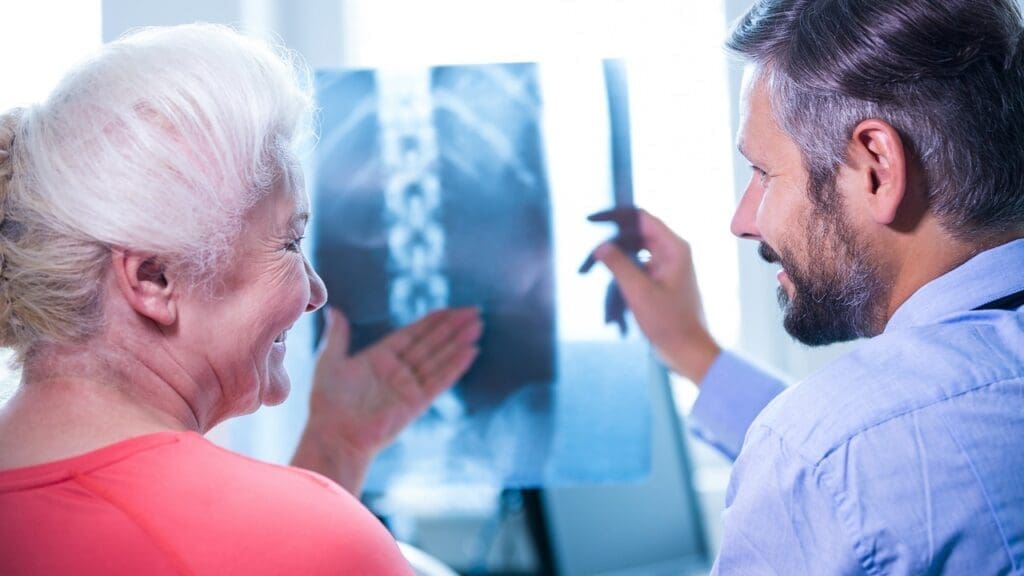
The structure of spinal discs is vital for understanding spinal conditions and treatments. We’ll explore the anatomy of a healthy spinal disc. This includes its structure and function in the spine.
Structure of a Healthy Spinal Disc
A healthy spinal disc has two main parts: the nucleus pulposus and the annulus fibrosus. The nucleus pulposus is soft and gel-like, acting as a cushion. The annulus fibrosus is tougher and outer, providing structure and containment.
Function of Spinal Discs in the Vertebral Column
Spinal discs are essential for the spine’s flexibility and shock absorption. They distribute pressure evenly, acting as shock absorbers. This allows for smooth movement and reduces stress on the spine.
How Discs Change With Age and Stress
With age, spinal discs naturally degenerate, becoming less flexible. Stress and strain can speed up this process. This can lead to bulging or herniated discs.
| Changes in Spinal Discs | Effects on the Spine |
|---|---|
| Loss of flexibility and hydration | Increased risk of disc bulging or herniation |
| Degeneration of the annulus fibrosus | Potential for disc rupture or tear |
| Reduced disc height | Altered spinal mechanics and increased stress on surrounding tissues |
Understanding these changes is key to preventing and treating spinal disc issues. Keeping the spine healthy through care and exercise can help. This way, we can lessen the effects of aging and stress on our discs.
Bulging Versus Herniated Disc: Key Differences
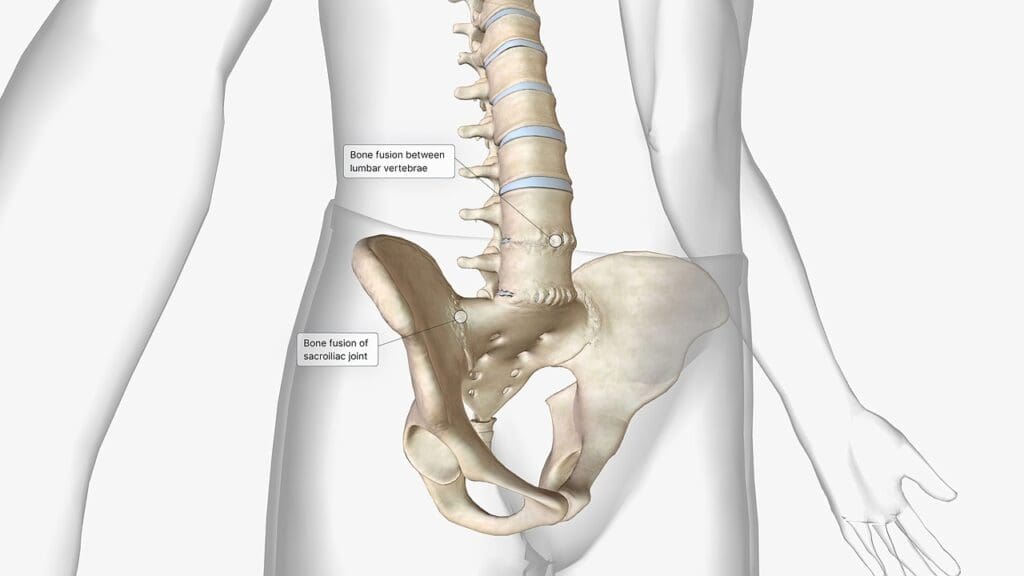
The terms “bulging disc” and “herniated disc” are often confused with each other. But they are actually different spinal conditions. We will look at what each means, how they happen, and how they affect nerves and tissues.
Definition and Mechanism of a Bulging Disc
A bulging disc is when the disc pushes out beyond its usual space. It’s like a big hamburger that doesn’t fit in its bun. This happens when the disc gets weak and bulges out. But the outer layer of the disc stays strong.
Definition and Mechanism of a Herniated Disc
A herniated disc, by contrast, is when the tough outer layer of cartilage cracks. This lets the softer inner cartilage bulge out. This can press on nerves, causing pain and other symptoms.
Visual Comparison of Both Conditions
To show the difference, here’s a table:
| Characteristics | Bulging Disc | Herniated Disc |
|---|---|---|
| Outer Layer Integrity | Intact | Cracked or Torn |
| Disc Material | Contained within the disc | Inner material protrudes through the crack |
| Impact on Nerves | Less likely to compress nerves directly | More likely to compress nerves |
Impact on Surrounding Nerves and Tissues
Both bulging and herniated discs can affect nerves and tissues. But they do it in different ways. A bulging disc might cause pressure or swelling indirectly. A herniated disc can directly press on nerves, leading to more serious symptoms.
Knowing these differences is key to finding the right treatment. We’ll talk about treatment options later.
Causes and Risk Factors
It’s important to know what causes bulging and herniated discs. These issues can really affect your life. So, it’s key to understand and avoid risk factors.
Common Causes of Disc Problems
Disc problems come from many things like aging, wear and tear, and genetics. As we get older, our spinal discs lose water. This makes them less flexible and more likely to get hurt.
Who’s at Risk for Bulging Discs
If your family has had disc problems, you might get them too. Also, people who do a lot of heavy lifting or bending are at higher risk.
Who’s at Risk for Herniated Discs
Herniated discs can happen from sudden injuries or strains. Being overweight or obese increases the risk. This is because extra weight puts more pressure on the discs.
Occupational and Lifestyle Factors
Some jobs and lifestyles raise the risk of disc problems. Jobs that involve repetitive heavy lifting, bending, or twisting can harm the spine. Not moving much and poor posture can also lead to problems.
Symptoms: How Each Condition Affects the Body
It’s important to know the symptoms of bulging and herniated discs to treat spinal issues well. Both can cause pain, but they affect the body in different ways.
Typical Symptoms of a Bulging Disc
A bulging disc usually leads to pain and stiffness in the back. It might also cause pain or discomfort in nearby areas. This depends on where the disc bulges and how much.
Typical Symptoms of a Herniated Disc
A herniated disc often causes sharp, shooting pains. These pains can spread along nerve paths. For example, a herniated disc in the lower back can lead to sciatica. This is pain that runs down the leg.
Why Herniated Discs Often Cause More Severe Pain
Herniated discs can cause more pain because the inner cartilage bulges out more. This can irritate nerve roots. Doctors say this irritation can cause a lot of discomfort and neurological symptoms.
Location-Specific Symptoms Based on Affected Disc
The location of the disc affects the symptoms. For instance, a herniated disc in the neck can cause neck pain and numbness or tingling in the arms. A bulging disc in the lower back might lead to pain in the lower back and legs.
Diagnostic Methods and Imaging Techniques
Diagnosing bulging or herniated discs involves several steps. We use physical exams and imaging tests. These methods help us accurately diagnose and tell apart different spinal disc conditions.
Physical Examination Approaches
A thorough physical exam is the first step. We look at patients’ medical history and perform neurological exams. We also check their range of motion and pain levels. This helps us decide if more tests are needed.
Bulging Disc vs Herniated Disc MRI Findings
Magnetic Resonance Imaging (MRI) is key in diagnosing disc problems. It shows detailed images of the spine. MRI helps us see the discs, nerves, and tissues around them.
It shows the difference between bulging and herniated discs. MRI reveals how much the disc is bulging and its effect on nerves.
CT Scans and X-rays in Diagnosis
While MRI is top for disc diagnosis, CT scans and X-rays are also vital. CT scans give detailed images of the spine’s cross-section. They help us see bone structures and detect fractures or degeneration.
X-rays give a wider view of the spine. They show signs of disc degeneration or other issues.
How Imaging Helps Distinguish Between Conditions
Imaging is key in telling bulging and herniated discs apart. By looking at MRI, CT, and X-ray images, we can see how severe the disc protrusion is. We can also spot nerve compression and plan the right treatment.
The choice of imaging depends on the patient’s condition and what we need to know.
Terminology Confusion: Slipped, Bulging, and Herniated Discs
It’s important to know the difference between a slipped disc, bulging disc, and herniated disc. These terms are often mixed up, but they mean different things. Knowing the difference helps doctors give the right treatment.
What People Mean by “Slipped Disc”
The term “slipped disc” is a common but confusing term. It’s often used to describe both bulging and herniated discs. But, it’s not accurate because it suggests the disc has moved out of place.
Disc Protrusion vs Disc Bulge
A disc protrusion and a disc bulge are similar but not the same. A bulging disc means the disc goes beyond its usual shape. A disc protrusion is when the disc material pushes into the spinal canal.
| Condition | Description |
|---|---|
| Bulging Disc | The disc bulges out beyond its normal margins. |
| Disc Protrusion | The disc material protrudes into the spinal canal. |
| Herniated Disc | The outer layer of the disc cracks, allowing the gel-like center to leak out. |
Common Misconceptions About Disc Conditions
Many people think a bulging disc and a herniated disc are the same. But, they can have different treatments because of their effects on the spine.
Why Precise Terminology Matters for Treatment
Using the right words is key because it guides treatment choices. For example, a herniated disc might need stronger treatment than a bulging disc, if it’s pressing on nerves.
Doctors can give better care when they know exactly what’s wrong. This leads to better results for patients.
Herniated vs Bulging Disc Treatment Approaches
Getting the right treatment for spinal disc problems starts with knowing if it’s a bulging or herniated disc. We’ll look at the different ways to treat both, from non-surgical methods to surgery.
Conservative Treatment Options
For bulging and herniated discs, the first step is usually non-surgical treatment. This method aims to ease symptoms and improve function without surgery.
Medication Management
We use medicine to control pain and swelling. Common medicines include NSAIDs, muscle relaxants, and sometimes steroids.
Rest and Activity Modification
Resting the area and changing activities to avoid making it worse is key. We tell patients to avoid heavy lifting, bending, or twisting.
Physical Therapy and Exercise Recommendations
Physical therapy is important for recovery. It strengthens the spine muscles, improves flexibility, and aids in healing. We suggest low-impact exercises that fit the patient’s needs.
Interventional Procedures
If non-surgical methods don’t work, we might consider interventional procedures. These include epidural steroid injections to reduce swelling and pain.
When Surgery Might Be Necessary
Surgery is usually for severe cases with nerve compression or when other treatments fail. Options include discectomy or spinal fusion.
Recovery Timelines for Each Condition
Recovery times depend on the condition’s severity and treatment. Conservative treatments can take weeks to months to show results. Surgery recovery takes even longer.
| Treatment Approach | Bulging Disc | Herniated Disc |
|---|---|---|
| Conservative Management | 6-12 weeks | 6-12 weeks |
| Physical Therapy | 8-16 weeks | 8-16 weeks |
| Surgical Intervention | 3-6 months | 3-6 months |
It’s important to know the treatment differences for bulging and herniated discs. We create a treatment plan for each patient to meet their needs and help them recover well.
Bulging Disc vs Degenerative Disc Disease
It’s important to know the difference between bulging discs and degenerative disc disease. Both affect the spinal discs but in different ways. This knowledge helps in managing spinal health better.
Understanding Degenerative Disc Disease
Degenerative disc disease happens when spinal discs wear out over time. This can cause discs to shrink and lose flexibility. It may also lead to other spinal problems.
“Degenerative disc disease is not a disease in the classical sense, but a term for the normal changes in the spine as we age.” These changes can be painless or very painful.
How Bulging Discs Relate to Disc Degeneration
Bulging discs often show up in degenerative disc disease. When discs wear out, they can bulge and press on nerves. This can cause pain. But, not all worn-out discs bulge, and bulging doesn’t always mean severe disease.
Differences in Long-term Prognosis
The future looks different for people with bulging discs versus degenerative disc disease. Some with bulging discs get better with simple treatments. But, those with severe degenerative disease might face a tougher road to recovery.
Managing Both Conditions Simultaneously
Dealing with both bulging discs and degenerative disc disease needs a detailed plan. This might include physical therapy, changing lifestyle habits, and sometimes surgery. “A tailored approach is essential, as each patient’s condition is unique.”
Knowing the differences helps doctors create better treatment plans. This improves patient outcomes and quality of life.
Prevention Strategies for Spinal Disc Health
To prevent spinal disc problems, we need to use proper body mechanics, exercise regularly, and make ergonomic changes. These steps can help lower the chance of getting bulging or herniated discs.
Proper Body Mechanics and Lifting Techniques
When lifting heavy things, it’s important to bend at the knees and keep the object close. Lift with your legs, not your back. Proper lifting techniques help avoid putting too much strain on your spinal discs.
Exercise and Strengthening for Disc Protection
Doing regular exercises, like yoga and Pilates, can strengthen your core and back. This helps support your spine and lowers the risk of disc issues.
Ergonomic Considerations at Work and Home
Keeping your workspace and home ergonomic is key. Make sure your work area supports good posture and doesn’t strain your spine.
Lifestyle Modifications to Reduce Risk
Changing your lifestyle can also help your spinal discs. Staying at a healthy weight is important, as extra pounds can stress your spine. Just like how keeping dogs at a healthy weight is good for their back and neck.
When to Seek Medical Advice
Knowing when to see a doctor is important. If you have ongoing back pain or signs of a bulging or herniated disc, get medical help.
| Prevention Strategy | Description | Benefit |
|---|---|---|
| Proper Lifting Techniques | Bend at knees, lift with legs | Reduces strain on spinal discs |
| Regular Exercise | Strengthens core and back muscles | Supports spine, reduces disc problems |
| Ergonomic Adjustments | Promotes good posture | Reduces strain on spine |
Conclusion
We’ve looked into the differences between bulging and herniated discs. These differences affect how they impact our spine. A bulging disc is when the disc bulges a bit but stays mostly in place. On the other hand, a herniated disc means the disc’s outer layer has broken, leading to more serious issues.
Knowing the difference between these two is key to choosing the right treatment. For both, treatments like physical tdrherapy and exercise can help. But, if a herniated disc is more severe, surgery might be needed.
Healthcare professionals can create better treatment plans by understanding these differences. This way, they can help patients manage their symptoms better and improve their health outcomes.
What’s the difference between a bulging disc and a herniated disc?
A bulging disc means the disc pushes out but doesn’t break. A herniated disc, on the other hand, breaks and leaks its soft center. This can press on nerves.
Are bulging and herniated discs the same thing?
No, they are not the same. A bulging disc is a contained issue. But a herniated disc breaks and can press on nerves.
What’s the difference between a herniated disc and a slipped disc?
“Slipped disc” is a common but wrong term. A disc can’t really slip. Both terms usually mean the disc’s center leaks out.
How do doctors diagnose bulging or herniated discs?
Doctors use a physical exam, medical history, and imaging tests like MRI or X-rays. These help see the disc and check for nerve pressure.
Can a bulging disc become a herniated disc?
Yes, a bulging disc can turn into a herniated disc. This happens if the bulge keeps putting pressure and eventually breaks the disc.
What’s the difference between disc protrusion and disc bulge?
Disc protrusion and bulge are similar but not the same. Protrusion is a more focused bulge. Bulge is more general. The exact difference can be hard to tell.
How do treatment approaches differ for bulging vs herniated discs?
Treatment for both includes trying conservative methods first. For herniated discs, treatment might be more aggressive because of nerve pressure.
Can degenerative disc disease be related to bulging discs?
Yes, degenerative disc disease can lead to bulging discs. It’s a condition where discs wear down over time.
How can I prevent spinal disc problems?
To prevent problems, keep a healthy lifestyle. Use good body mechanics, exercise regularly, and make ergonomic changes. Also, avoid smoking.
When should I seek medical help for disc-related issues?
See a doctor if you have ongoing or severe back pain. Also, if you feel numbness, tingling, or weakness in your limbs. These could be signs of a disc problem.