

Knowing the difference between alcoholic hepatitis and cirrhosis can save lives. Both are caused by alcohol damage to the liver. But, one might get better with the right treatment.
Alcohol-related liver disease includes many liver issues, from fat buildup to severe scarring. At Liv Hospital, we focus on our patients. We aim for top medical results to help those dealing with these serious problems.
Key Takeaways
- Alcoholic hepatitis is a serious form of alcohol-associated liver disease.
- Cirrhosis represents the final stage of liver damage with irreversible scarring.
- Accurate diagnosis and early treatment are key for managing these conditions.
- Liv Hospital offers full support for international patients.
- It’s important to understand these conditions to get the right medical care.
Understanding Alcohol-Related Liver Disease
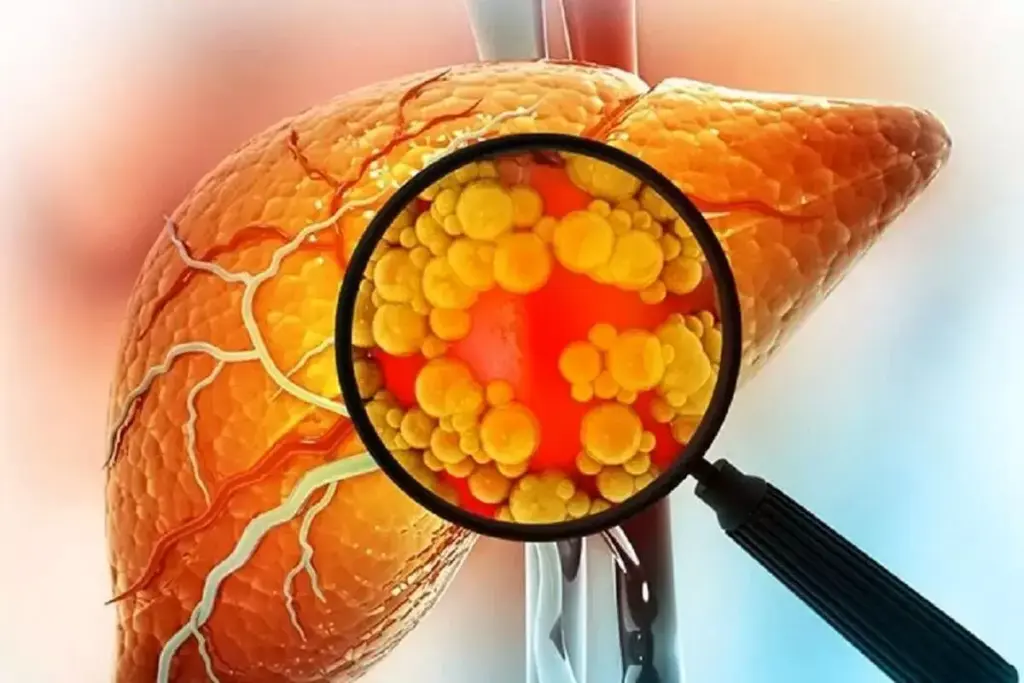
It’s important to know about alcohol-related liver disease to prevent and treat it. This disease includes several conditions caused by too much alcohol, harming the liver. We’ll look at how it progresses and its early stages.
The Progressive Nature of Alcohol-Induced Liver Damage
Alcohol damage to the liver gets worse over time. The liver can heal itself, but too much alcohol can stop this. The amount and how long you drink alcohol play big roles.
People with alcohol use disorder can get different liver problems. These include fatty liver, hepatitis, and cirrhosis. Many things can affect how these conditions develop, like genes, diet, and other liver issues.
Alcoholic Hepatic Steatosis: The Initial Stage
Alcoholic hepatic steatosis is the first sign of liver disease from alcohol. It happens when liver cells fill up with fat. This happens because the liver can’t break down fats well because of alcohol.
The table below shows the main features of alcohol-related liver disease stages:
| Condition | Characteristics | Prevalence in Heavy Drinkers |
| Alcoholic Hepatic Steatosis | Accumulation of fat in liver cells | 90% |
| Alcoholic Hepatitis | Inflammation of the liver | 10 to 35% |
| Alcoholic Cirrhosis | Scarring of the liver | 10 to 20% |
Knowing about these stages helps doctors and caregivers help people with liver disease. Catching it early and acting fast can make a big difference.
Alcoholic Hepatitis vs Cirrhosis: Key Differences

It’s important to know the differences between alcoholic hepatitis and cirrhosis. Both are linked to alcohol use but have unique features. This knowledge helps in treating patients better.
Pathophysiology and Disease Progression
Alcoholic hepatitis is when the liver gets inflamed because of drinking too much alcohol. This causes damage to liver cells. Cirrhosis, on the other hand, is a more serious condition where scarring replaces healthy liver tissue, making it hard for the liver to work right.
Stopping alcohol is key for those with alcoholic hepatitis. If they stop drinking, their chances of survival can be much better. For those with mild to moderate alcoholic hepatitis, stopping drinking can greatly improve their chances of living longer.
Diagnostic Criteria and Liver Enzyme Patterns
Doctors use several ways to diagnose alcoholic hepatitis and cirrhosis. They look at how the liver enzymes work. For example, in alcoholic hepatitis, the AST enzyme is often higher than the ALT enzyme.
This difference in enzymes is a big clue for doctors. It helps them figure out if someone has alcoholic hepatitis. Knowing this is important for choosing the right treatment.
| Liver Enzyme | Alcoholic Hepatitis | Cirrhosis |
| AST | Typically elevated | May be normal or slightly elevated |
| ALT | Often normal or slightly elevated | May be normal |
| AST/ALT Ratio | Often >2:1 | Variable |
Clinical Manifestations and Symptoms
Alcoholic hepatitis and cirrhosis show different symptoms. Alcoholic hepatitis might cause jaundice, fatigue, and pain in the belly. Cirrhosis can lead to more serious problems like fluid buildup in the belly, bleeding from veins, and brain problems.
People with alcoholic hepatitis might feel sick to their stomach and lose their appetite. Those with cirrhosis might have more severe symptoms like yellowing of the skin and swelling. Fluid buildup in the belly is a bad sign for people with alcoholic hepatitis.
“The presence of ascites in patients with alcoholic hepatitis is associated with a higher risk of mortality and morbidity, stressing the need for quick and effective treatment.”
Reversibility and Long-term Prognosis
How much liver damage can be reversed is different for each condition. Alcoholic hepatitis can get better if someone stops drinking. Cirrhosis, on the other hand, is harder to reverse, but treatment can slow it down.
For alcoholic hepatitis, stopping alcohol is key to getting better. Cirrhosis treatment aims to prevent more damage and manage its complications. The long-term outlook for both conditions depends on how much damage there is and if the patient follows treatment advice.
In summary, knowing the differences between alcoholic hepatitis and cirrhosis is vital for good patient care. By understanding each condition’s unique features, doctors can create better treatment plans. This helps improve patient outcomes.
Treatment Approaches and Prevention Strategies
Managing alcoholic hepatitis and cirrhosis starts with stopping alcohol use and focusing on nutrition. It’s key to stop drinking alcohol to treat these conditions. Drinking more can make liver damage worse.
Treatment for cirrhosis varies based on the cause and liver damage level. Doctors might use medicines and suggest lifestyle changes. For example, medicines can ease symptoms, and a healthy diet and no alcohol can slow disease growth.
Preventing alcohol-related liver disease is important. We suggest a healthy lifestyle, including a balanced diet and exercise, to lower disease risk. Knowing the differences between alcoholic hepatitis and cirrhosis and the dangers of alcohol is key to preventing liver damage.
By tackling alcohol use and promoting healthy habits, we can lower cirrhosis rates. Our treatment plan includes medical care, lifestyle changes, and educating patients. This approach helps improve patient outcomes.
FAQ
What is the main difference between alcoholic hepatitis and cirrhosis?
Alcoholic hepatitis is inflammation of the liver from too much alcohol. Cirrhosis is when the liver gets scarred and can’t heal.
What is alcoholic hepatic steatosis, and how does it relate to alcoholic hepatitis and cirrhosis?
Alcoholic hepatic steatosis is when liver cells fill with fat. It can turn into more serious problems like alcoholic hepatitis and cirrhosis.
How do liver enzymes change in alcoholic hepatitis?
Liver enzymes like AST and ALT go up in alcoholic hepatitis. AST is usually higher than ALT.
Can alcoholic hepatitis be reversed, and what is the long-term prognosis?
Stopping drinking is key to treating alcoholic hepatitis. Sometimes, it can get better. But, if drinking continues, it can get worse and lead to cirrhosis, which is harder to treat.
What are the treatment approaches for cirrhosis due to alcoholism?
Treating cirrhosis means stopping drinking and getting nutrients. Doctors also manage complications. They might suggest medicines and lifestyle changes to slow the disease.
How does alcohol consumption lead to liver cirrhosis?
Drinking too much alcohol damages the liver. It starts with fat buildup, then inflammation, and ends in cirrhosis. This is when scarring replaces healthy tissue.
What is the role of nutritional support in treating alcoholic hepatitis and cirrhosis?
Nutritional support is key for treating these conditions. It helps manage malnutrition and supports liver health, improving outcomes.
Can cirrhosis be prevented in individuals with a history of alcoholism?
Yes, stopping drinking and eating well can prevent cirrhosis. It also helps manage other health issues.
References
World Health Organization. Evidence-Based Medical Guidance. Retrieved from https://www.who.int/news-room/fact-sheets/detail/alcohol



 Departments
 Related Videos
 Our Doctors
 News
News