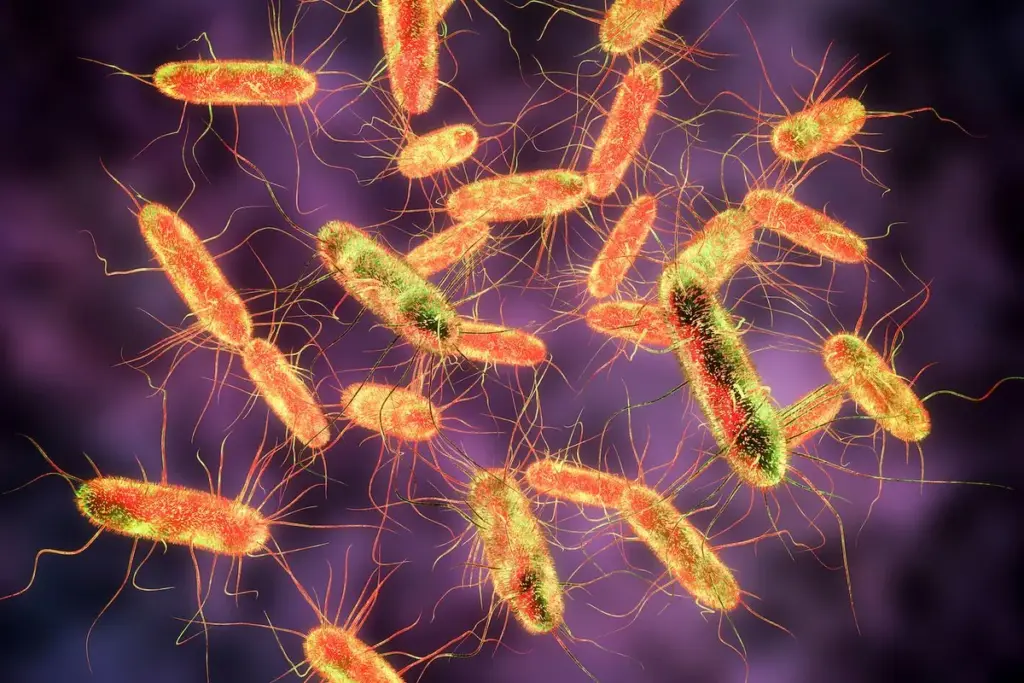
Foodborne illnesses are a big worry for health. E. coli and Salmonella cause stomach problems but are different in many ways.
We’ll look at what makes these pathogens unique. This includes their symptoms, sources, and how to prevent them. Knowing the differences between E. coli and Salmonella helps doctors treat you right. At Liv Hospital, we’re experts in telling these pathogens apart and giving you the care you need.
Key Takeaways
- Understanding the differences between E. coli and Salmonella is key for right treatment.
- E. coli and Salmonella have unique traits and how serious they are can vary.
- Common signs are diarrhea, stomach pain, nausea, vomiting, and fever.
- Liv Hospital offers patient-focused help in figuring out these pathogens.
- Special care is ready for those with foodborne sickness.
Understanding E. Coli and Salmonella Bacteria
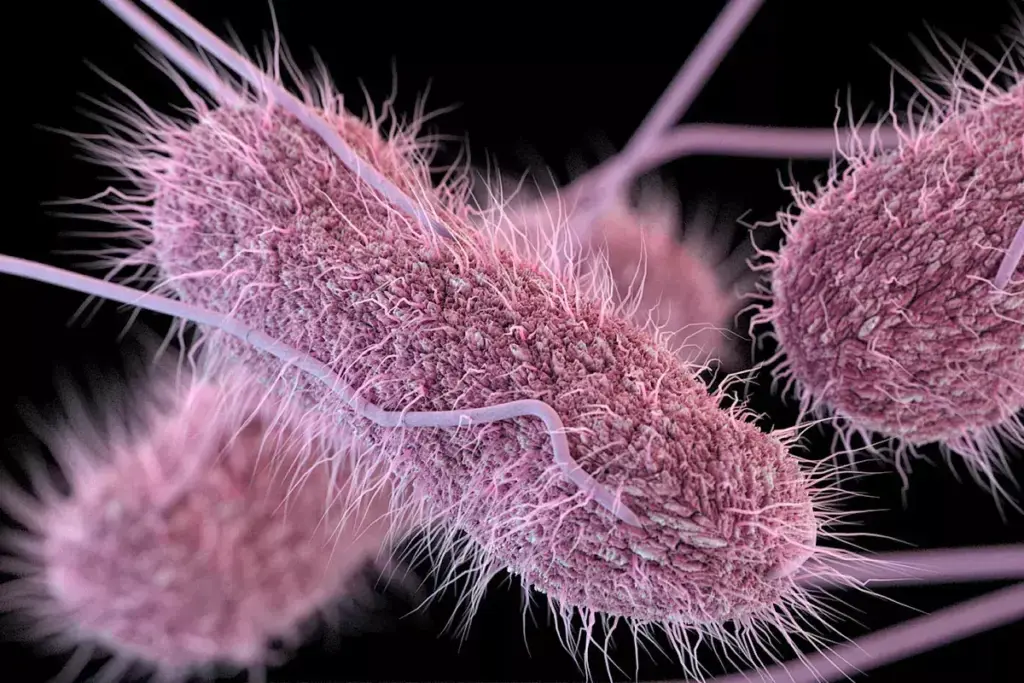
It’s important to know the difference between E. coli and Salmonella to treat foodborne illnesses well. Both are harmful bacteria that cause stomach infections. But they are different in many ways.
What Are E. Coli and Salmonella?
E. coli and Salmonella live in the guts of sick people and animals. Salmonella causes symptoms like diarrhea, fever, and stomach pain. These symptoms start 6 hours to 6 days after getting sick.
E. coli can make you very sick, causing bloody diarrhea. It can even lead to serious problems like Hemolytic Uremic Syndrome (HUS).
Evolutionary Relationship Between the Bacteria
Studies show Salmonella came from E. coli about 100 million years ago. Even though they share a common ancestor, they’ve become very different. Salmonella causes typhoid fever and stomach problems. E. coli is known for urinary tract infections and severe food poisoning.
These bacteria have evolved to have unique ways to harm us. Salmonella is good at getting into cells. E. coli has strains that make toxins that hurt people.
- E. coli strains have different levels of harm based on their toxins.
- Salmonella infections often come from bad food and water. They can also spread through touching infected animals or people.
“The ability of Salmonella to cause disease is largely due to its capacity to invade and replicate within the host’s intestinal epithelium.”
Knowing how E. coli and Salmonella work helps us fight their infections better.
Salmonella and E Coli Symptoms: Key Differences
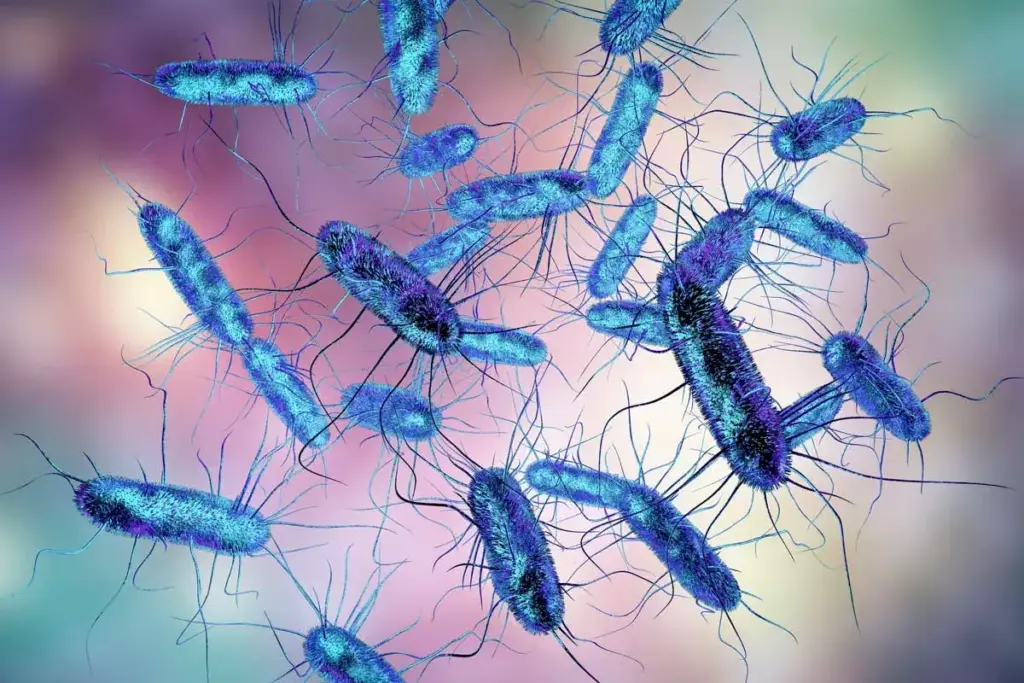
It’s important to know the differences between Salmonella and E. coli symptoms. Both cause foodborne illnesses but show different symptoms and timelines.
Salmonella Infection Symptoms and Timeline
Salmonella symptoms start 6 hours to 6 days after exposure. They can last 3 to 7 days. Common signs include diarrhea, fever, and stomach pain. For more info on Salmonella, check out our related article.
E. Coli Infection Symptoms and Timeline
E. coli symptoms show up 3 to 4 days after exposure. They can be worse than Salmonella’s, with intense stomach pain, bloody diarrhea, and vomiting. In rare cases, it can cause hemolytic uremic syndrome (HUS), a serious kidney problem.
Severity and Possible Complications
E. coli infections are often more serious than Salmonella. Bloody diarrhea and severe stomach pain are signs of a serious issue. If symptoms get worse, seek medical help right away. Early treatment can prevent serious health problems.
Knowing the symptoms of e coli and salmonella is key for quick medical care. Understanding these differences helps doctors treat patients better, leading to better health outcomes.
Sources of Contamination and Prevention
To stop Salmonella and E. coli infections, we need to know where they come from. These bacteria cause food poisoning all over the world. Knowing where they usually come from can help us avoid getting sick.
Common Sources of Salmonella
Salmonella is often linked to raw poultry, eggs, beef, and unwashed fruits and veggies. People can get sick by touching raw meat or poultry, eating tainted food, or touching animal feces. It’s key to handle and cook these foods right to avoid Salmonella.
Common Sources of E. Coli
E. coli is found in undercooked ground beef, unpasteurized dairy, contaminated water, and raw veggies. You can get sick by eating tainted food or water or touching someone who is infected. It’s important to stay away from unpasteurized products and undercooked meat to avoid E. coli.
Prevention Strategies for Both Infections
To stop both Salmonella and E. coli, we must handle food right, cook it well, and keep clean. This means cooking meat until it’s done, avoiding unpasteurized dairy, washing fruits and veggies well, and keeping hands clean. Washing hands with soap and water, after touching raw meat or before eating, can really help.
Also, knowing where these bacteria come from and taking steps to prevent them is important. By understanding the dangers of certain foods and practices, we can make choices that keep us healthy.
Conclusion
We’ve looked into the unique traits of E. coli and Salmonella infections. We’ve seen what makes their symptoms different. Knowing these differences is key for the right diagnosis and treatment.
Both bacteria can cause severe stomach problems. But their symptoms, where they come from, and how to stop them differ.
E. coli and Salmonella can be very serious, mainly for the elderly and young kids. Most people get better, but some need doctor help, mainly for severe cases.
Knowing how to avoid these infections is the first step. By understanding the differences, people can protect themselves better. This is important for getting the right care when needed.
In short, knowing the symptoms of Salmonella and E. coli helps people take care of their health. We stress the need for awareness and education to fight these infections.
FAQ
What are the main differences between E. coli and Salmonella symptoms?
E. coli and Salmonella are both harmful bacteria that can make you sick. Salmonella usually causes diarrhea, fever, and stomach pain. E. coli can lead to bloody diarrhea and serious problems like hemolytic uremic syndrome (HUS).
How do I know if I have E. coli or Salmonella?
The signs of E. coli and Salmonella can be similar. But, E. coli can cause more severe symptoms like bloody diarrhea. If you have severe symptoms, get medical help right away. A doctor can test your stool and treat you.
What are the common sources of E. coli and Salmonella contamination?
Salmonella often comes from raw poultry, eggs, and unwashed fruits and veggies. E. coli is usually found in undercooked ground beef, unpasteurized dairy, and contaminated water. Knowing these sources helps you avoid getting sick.
Can I prevent E. coli and Salmonella infections?
Yes, you can avoid these infections by handling food safely. Cook ground beef well, avoid unpasteurized dairy, and wash fruits and veggies before eating them.
Are E. coli and Salmonella infections treatable?
Most people get better from E. coli and Salmonella without treatment. But, some might need medical help, like the elderly, young kids, or those with weak immune systems.
What’s the difference between E. coli and Salmonella in terms of severity?
E. coli can lead to more serious symptoms and complications like HUS. Salmonella usually causes milder symptoms. But, both infections can be serious and need quick medical care.
How are E. coli and Salmonella related?
Salmonella came from E. coli about 100 million years ago. They share a common ancestor but have different ways of causing illness. Knowing their history helps us understand their differences and similarities.
Can I get E. coli or Salmonella from person-to-person contact?
While food and water are the main ways these bacteria spread, they can also pass from person to person. This is more likely when hygiene is poor.



 Departments
 Related Videos
 Our Doctors
 News
News