
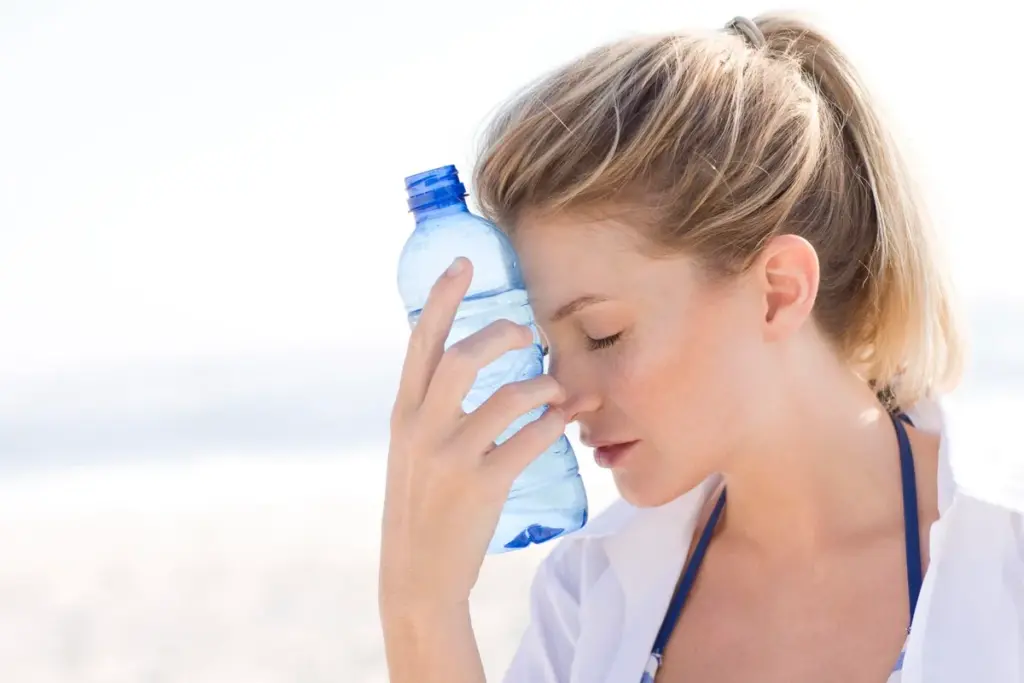
When it’s hot and we’re active, our bodies work hard to stay cool. Two serious conditions can pop up quickly: heat exhaustion and dehydration.
Even though people often mix these terms, they’re not the same. Knowing the difference is key for treating and preventing serious health issues.
Heat exhaustion happens when we lose a lot of water and salt through sweat. This usually happens when we’re out in the heat for a long time and are also very active. Dehydration, on the other hand, is when we lose more water than we take in, no matter the weather.
Key Takeaways
- Heat exhaustion and dehydration are two distinct heat-related conditions.
- Understanding their differences is critical for proper treatment.
- Heat exhaustion is triggered by prolonged exposure to high temperatures and physical activity.
- Dehydration occurs when the body loses more fluids than it takes in.
- Both conditions need quick recognition and treatment.
Understanding Heat Exhaustion and Dehydration: Core Definitions
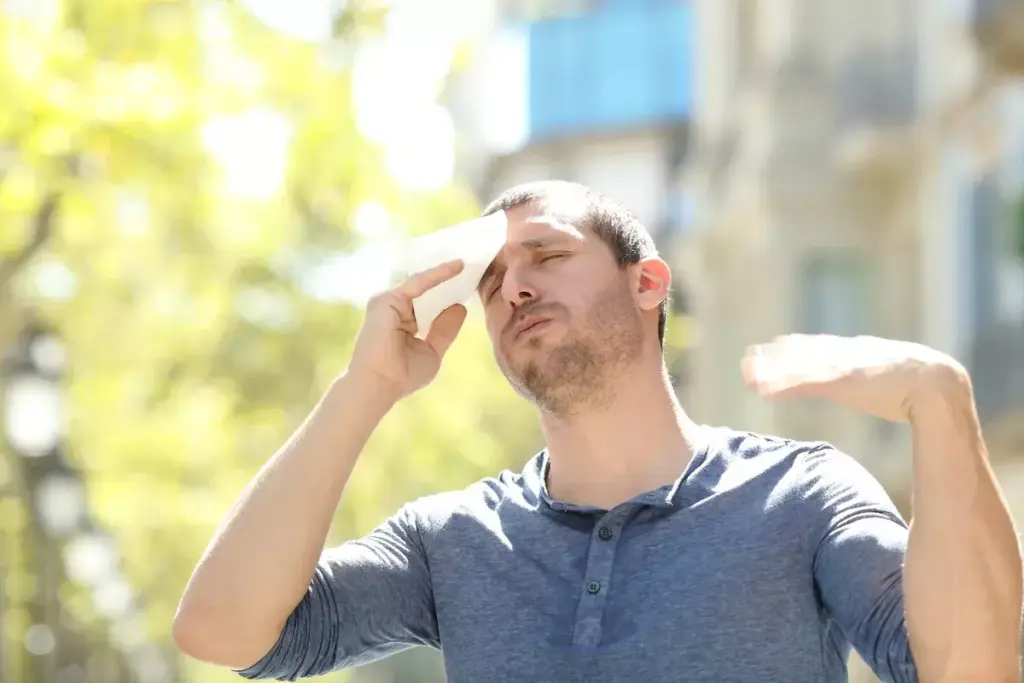
To understand the difference between heat exhaustion and dehydration, we need to know their definitions and symptoms. Both are serious heat-related illnesses with different causes and signs. Knowing about these conditions is key for correct diagnosis and treatment.
What is Heat Exhaustion?
Heat exhaustion happens when the body loses too much water and salt, often because of sweating too much in the heat. Symptoms include heavy sweating, weakness, nausea, headache, and muscle cramps. If not treated, it can turn into heatstroke, a very dangerous condition.
The body tries to cool down by sweating when it’s hot. But if it can’t cool itself, it can get very sick. It’s important to spot the signs early to stop it from getting worse.
What is Dehydration?
Dehydration happens when the body loses more fluids than it takes in. This means it doesn’t have enough water to work properly. Common signs include dry mouth, dark urine, intense thirst, fatigue, and reduced sweating. It can come from not drinking enough water, sweating too much, or certain health issues.
If dehydration isn’t treated, it can cause serious problems like kidney damage and heatstroke. Spotting dehydration early is important for effective treatment. Drinking enough water, specially in hot weather or when you’re very active, helps prevent dehydration.
Key Symptoms and Signs: Exhaustion Frequent Urination and Other Indicators
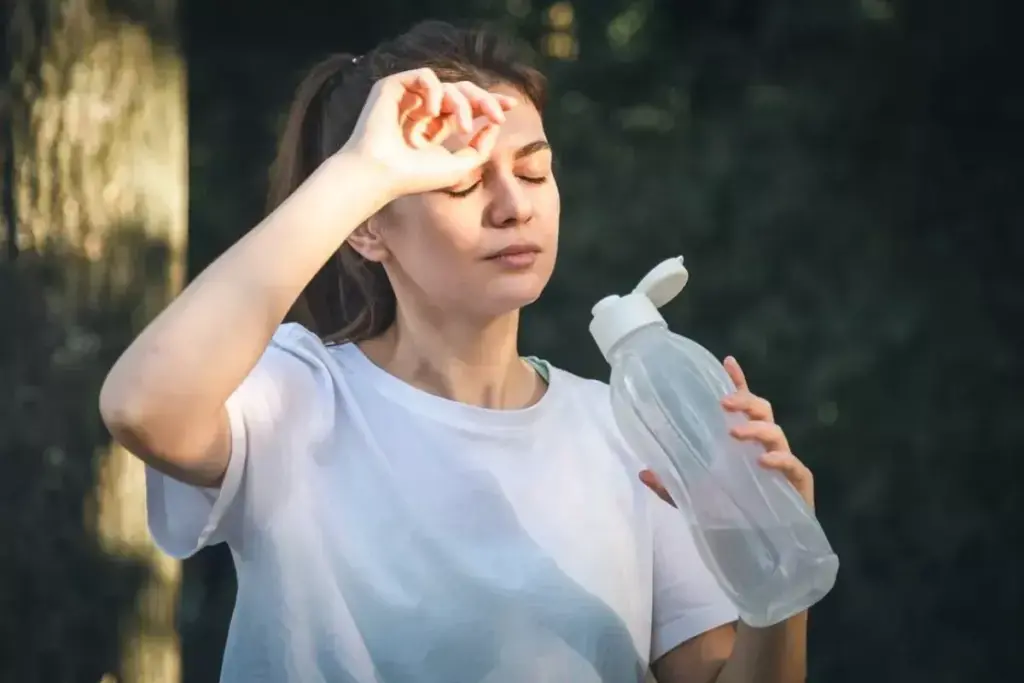
Knowing the signs of heat exhaustion and dehydration is key to avoiding serious health issues. These conditions happen when our body can’t handle heat and loses too much water. They show up in different ways, depending on the cause.
Heat Exhaustion Symptoms and Warning Signs
Heat exhaustion shows up with heavy sweating, weakness, and cool, clammy skin. You might also feel a headache, nausea, and dizziness. In bad cases, people can faint or get confused. Spotting these signs early is very important.
Dehydration Symptoms and Warning Signs
Dehydration happens when we lose more water than we take in. This leads to an imbalance. Signs include dry mouth, dark urine, and less sweating. You might also feel fatigue, dizzy, and make less urine. If it gets worse, it can cause serious problems.
Critical Differences in Sweating and Skin Condition
Heat exhaustion and dehydration differ mainly in how they affect sweating and skin. Heat exhaustion makes you sweat a lot, while dehydration makes you sweat less and your skin dry. Knowing this helps us diagnose and treat each condition right.
By understanding these differences, we can spot and handle heat exhaustion and dehydration better. This ensures people get the right care for their condition.
Conclusion
It’s important to know the difference between heat exhaustion and dehydration. This knowledge helps in treating and preventing serious health issues. We’ve looked into what each condition is, their symptoms, and how they differ.
The signs of dehydration and heat exhaustion can seem alike at first. But knowing the unique signs of each is key to quick and correct care. The difference between heat exhaustion and dehydration is more than just words. It’s about giving the right treatment when it’s needed.
By understanding these conditions, we can take steps to avoid them getting worse. Spotting and treating dehydration and heat exhaustion early is vital. This way, we can manage these conditions effectively.
FAQ
What are the main differences between heat exhaustion and dehydration?
Heat exhaustion occurs when the body overheats due to prolonged exposure to high temperatures, while dehydration happens when the body loses more fluids than it takes in. Heat exhaustion often includes heavy sweating, whereas dehydration mainly involves fluid loss.
Can dehydration lead to heat exhaustion?
Yes, dehydration can increase the risk of heat exhaustion because the body lacks enough fluids to regulate temperature properly. Without proper hydration, the body struggles to cool itself through sweating.
How can I identify the symptoms of heat exhaustion and dehydration?
Heat exhaustion symptoms include heavy sweating, dizziness, nausea, weakness, and cool moist skin. Dehydration symptoms often include thirst, dry mouth, dark urine, fatigue, and headaches.
What is the difference between sweating patterns in heat exhaustion and dehydration?
In heat exhaustion, people usually experience heavy sweating as the body tries to cool down. In dehydration, sweating may decrease because the body lacks enough fluids.
Can sunstroke cause dehydration?
Yes, sunstroke (heatstroke) can lead to severe dehydration because the body loses large amounts of fluids and electrolytes due to extreme heat.
How can I prevent dehydration and heat exhaustion when spending time outdoors?
Drink plenty of water, take breaks in the shade, wear light clothing, and avoid intense activity during peak heat hours. Staying hydrated and cool helps prevent both conditions.
What are the signs of severe dehydration?
Severe dehydration symptoms include extreme thirst, very dark urine or little urine, confusion, rapid heartbeat, and dizziness. In serious cases, it may lead to fainting or medical emergencies.
How can I treat mild dehydration and heat exhaustion?
Move to a cool place, rest, and drink water or electrolyte drinks slowly. Cooling the body with shade, fans, or a damp cloth can also help recovery.
References
National Center for Biotechnology Information. Evidence-Based Medical Insight. Retrieved from https://pmc.ncbi.nlm.nih.gov/articles/PMC8465972/



 Departments
 Related Videos
 Our Doctors
 News
News